Pittosporum Leaf
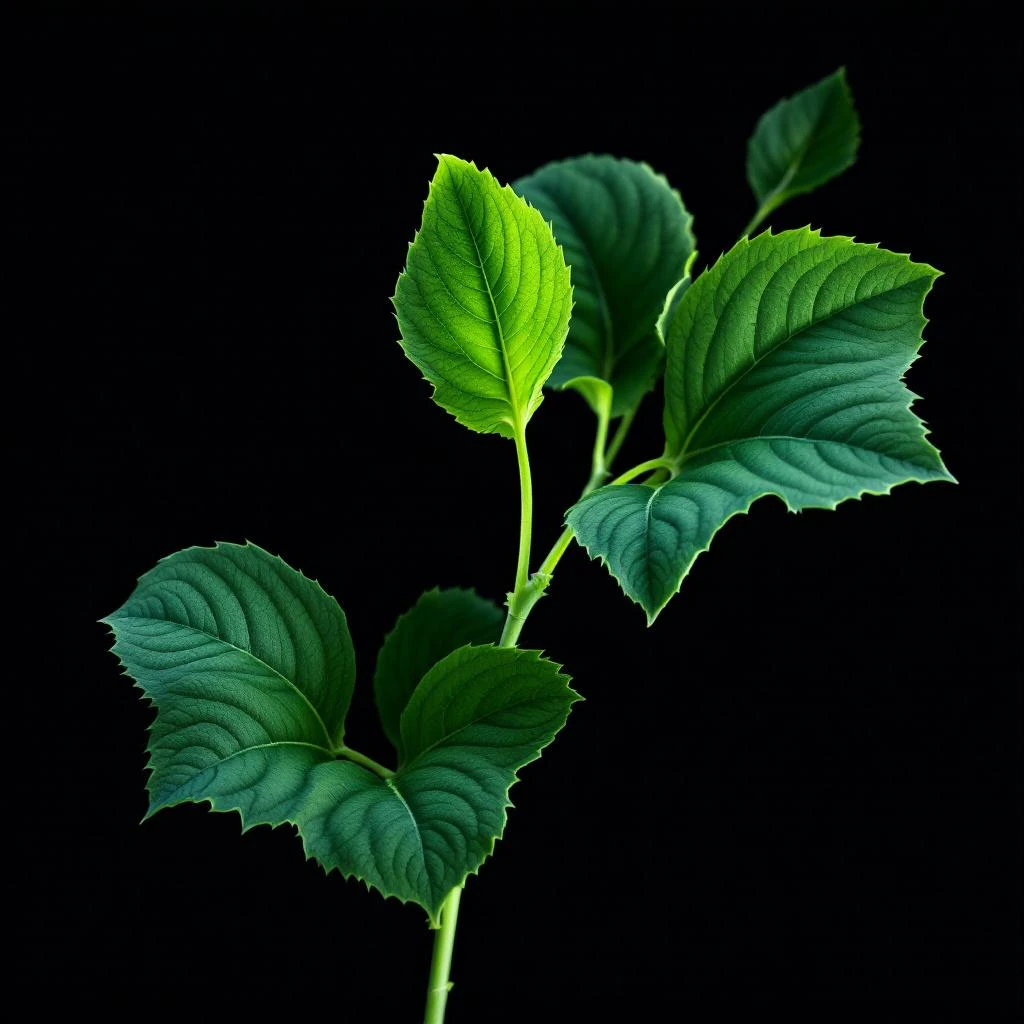
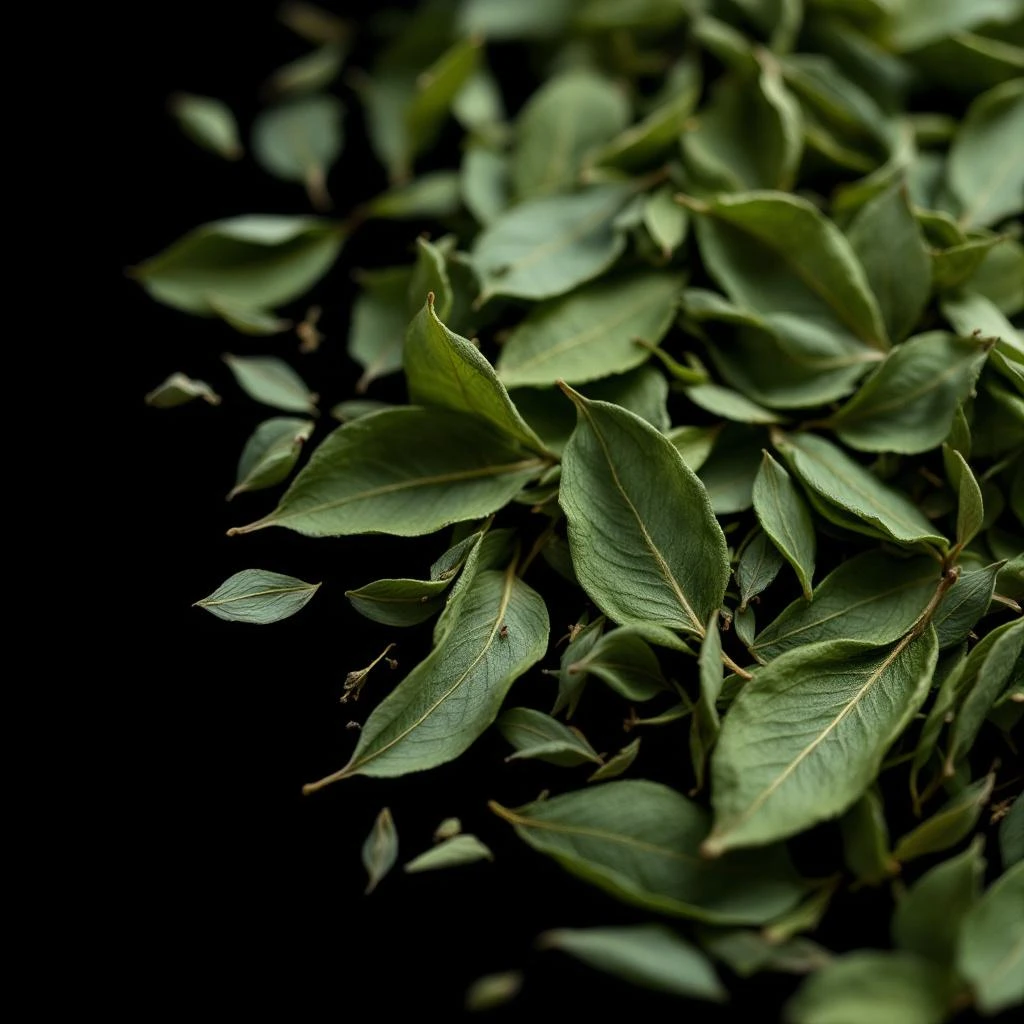
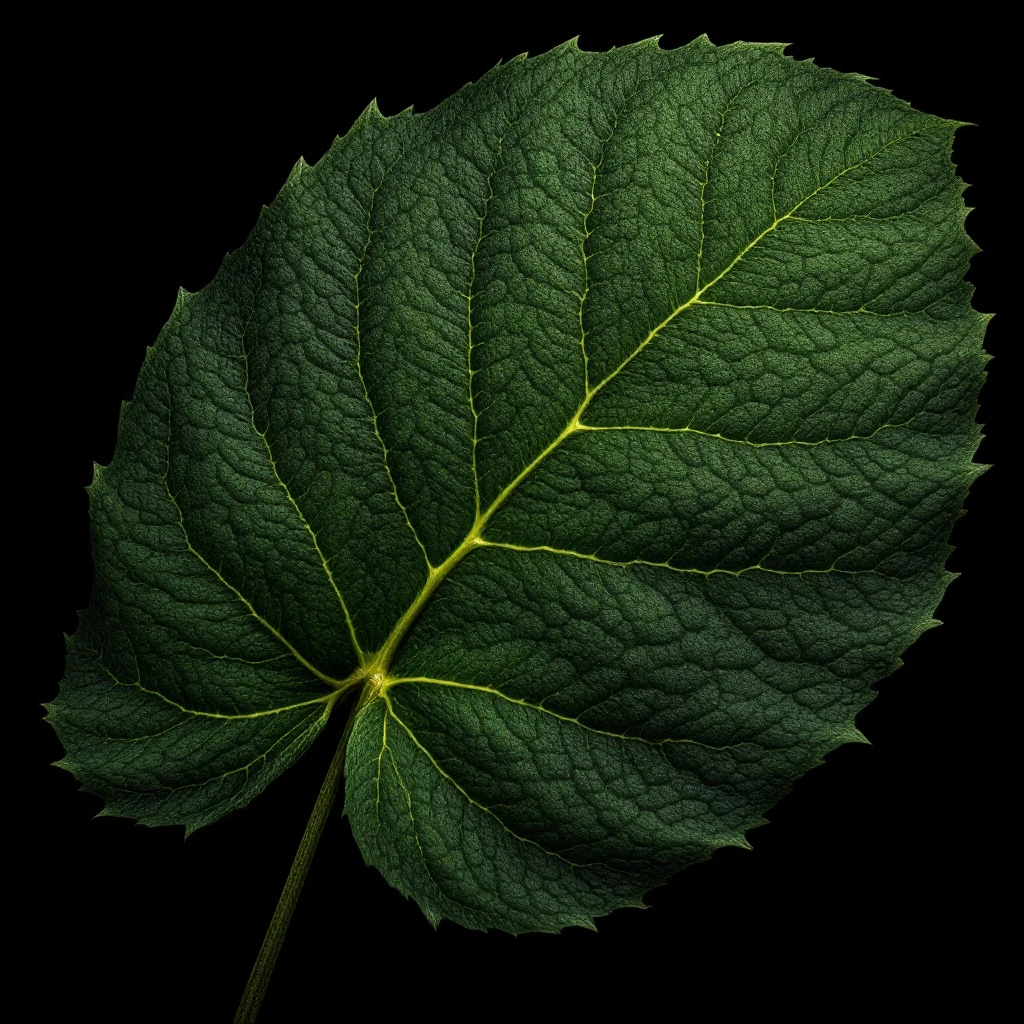
Pittosporum leaf offers a green, citrus-bright accent with subtle floral lift. Native to East Asia, this evergreen shrub brings a crisp, sun-warmed character to modern compositions.
Character
How it smells
Sunlit citrus over a green floral spine
Pittosporum tobira blooms more intensely at night, releasing stronger fragrance after dark, which is why gardeners often plant it near evening seating areas in Mediterranean gardens.

Origin
Japan
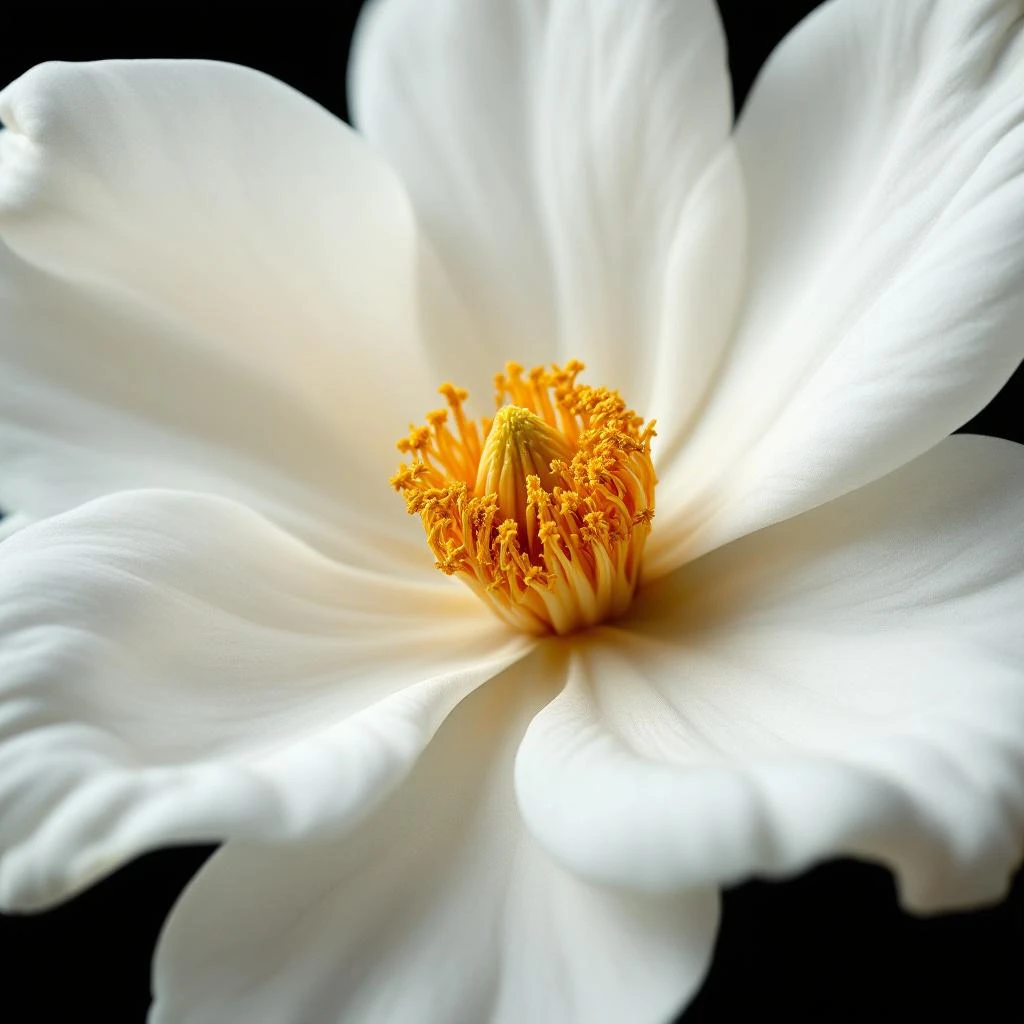
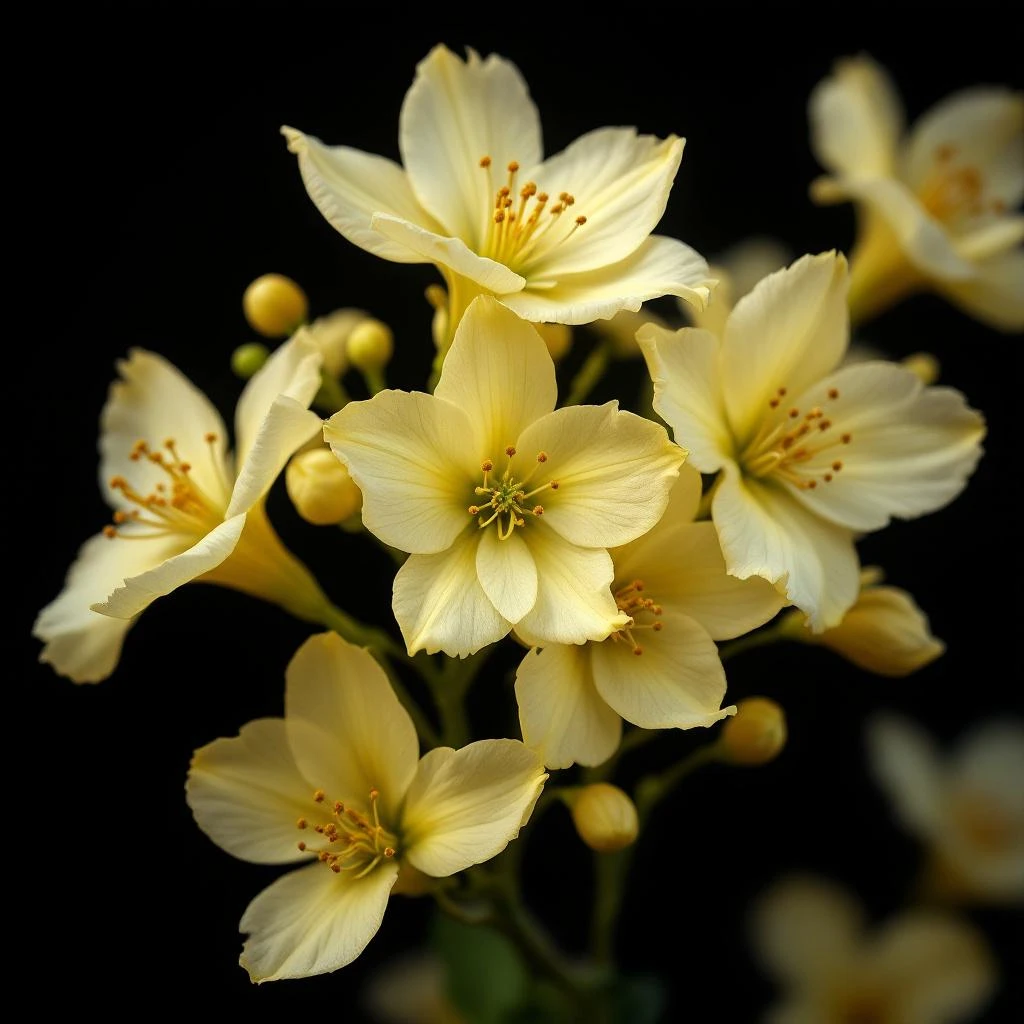
Pittosporum tobira, called Tobera in Japanese, grows wild along coastal regions of Japan, Korea, and eastern China. Buddhist monks cultivated the shrub for centuries in temple gardens, valuing both its ornamental form and the orange-blossom scent of its cream-colored spring flowers. The name Pittosporum itself comes from the Greek pitta (resin) and sporos (seed), referring to the sticky coating on its seeds.
The plant traveled westward in the 18th and 19th centuries when European botanists collected East Asian specimens for botanical gardens. It became a popular ornamental across the Mediterranean, particularly in Italy and southern France, where its tolerance for salt spray and drought made it a garden favorite. Its use in perfumery developed more recently, as niche perfumers began seeking unusual green-floral materials beyond conventional citrus and rose.
Today, pittosporum appears in select niche compositions where its distinctive green character adds an unexpected, slightly bitter freshness to floral and citrus structures.
Wears it best
Fragrances featuring Pittosporum Leaf
Brands
Brands known for Pittosporum Leaf
Good to know
Questions, answered
The essentials on Pittosporum Leaf in perfumery: how it smells, where it comes from, and how it behaves on skin.
What does pittosporum leaf smell like in perfume?
Pittosporum leaf produces a green, citrus-bright scent with subtle floral undertones. It carries a crisp, slightly bitter freshness reminiscent of sun-warmed foliage, with hints of orange blossom in the drydown.
Is pittosporum leaf a common perfume ingredient?
No, it remains uncommon. Genuine pittosporum absolute is rare in commercial quantities, so most compositions referencing this note use carefully constructed accords from petitgrain, neroli, and green leaf materials.
Where does Pittosporum tobira grow naturally?
Pittosporum tobira is native to coastal Japan, Korea, and eastern China. It thrives in mild, temperate climates and has naturalized across the Mediterranean basin since its introduction in the 19th century.
How is pittosporum fragrance material extracted?
Solvent extraction is the primary method for pittosporum leaf material, producing a concrete that can be processed into an absolute. Steam distillation yields only trace amounts of oil, making it commercially impractical.
Why did Buddhist monks cultivate pittosporum?
Buddhist monks grew Pittosporum tobira in temple gardens for its ornamental beauty and intensely fragrant spring flowers. The cream-colored blooms release their strongest scent at night, making them ideal for contemplative evening spaces.
What does the name Pittosporum mean?
Pittosporum derives from pitta (resin) and sporos (seed), describing the sticky resinous coating found on the plant's seeds. The name was assigned by European botanists in the late 18th century.
Does pittosporum bloom more strongly at certain times?
Yes, Pittosporum tobira flowers release noticeably stronger fragrance in the evening and at night. This nocturnal scent pattern, called nyctinasty, attracts nighttime pollinators including moths.
What fragrance families does pittosporum leaf suit?
Pittosporum leaf works well in green, citrus, and fresh floral compositions. Its slightly bitter character also makes it effective as a top-note bridge in aromatic fougère structures and modern cologne formulations.