Padouk Wood
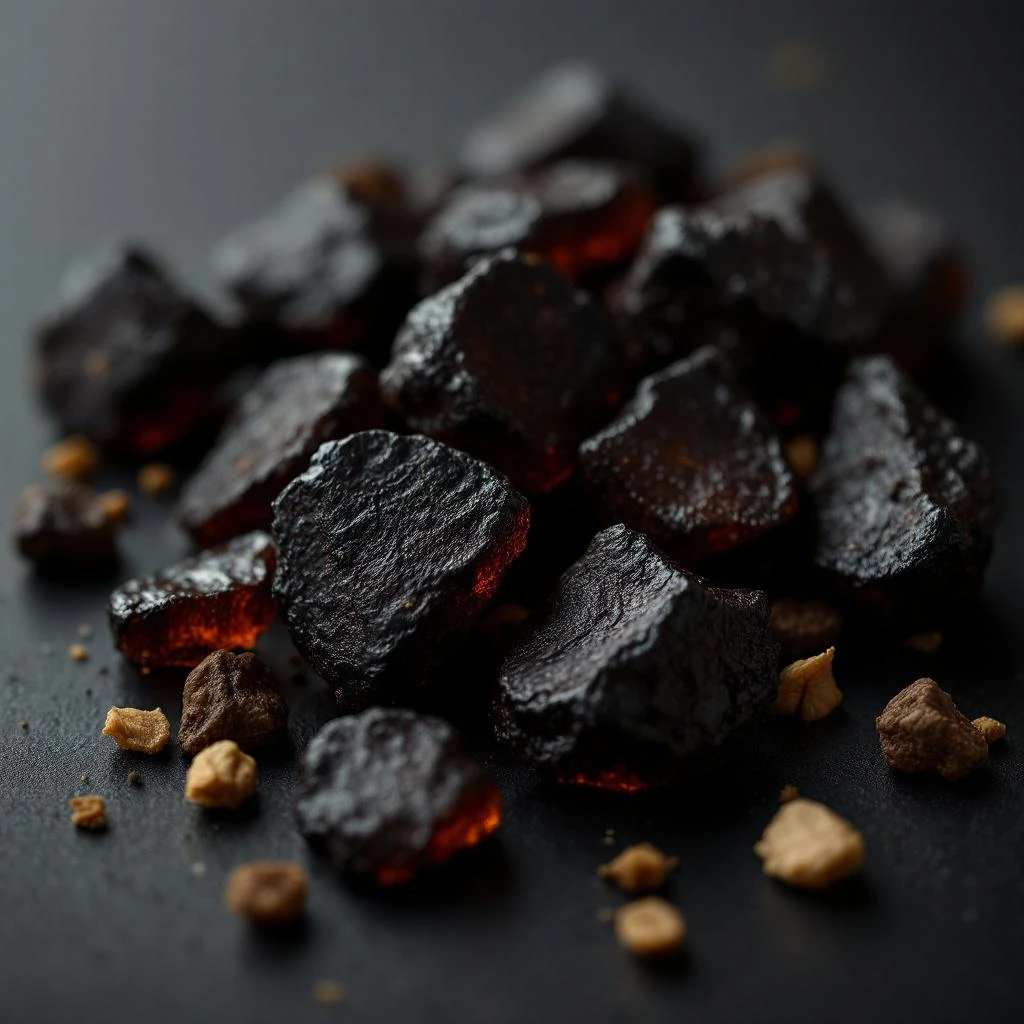
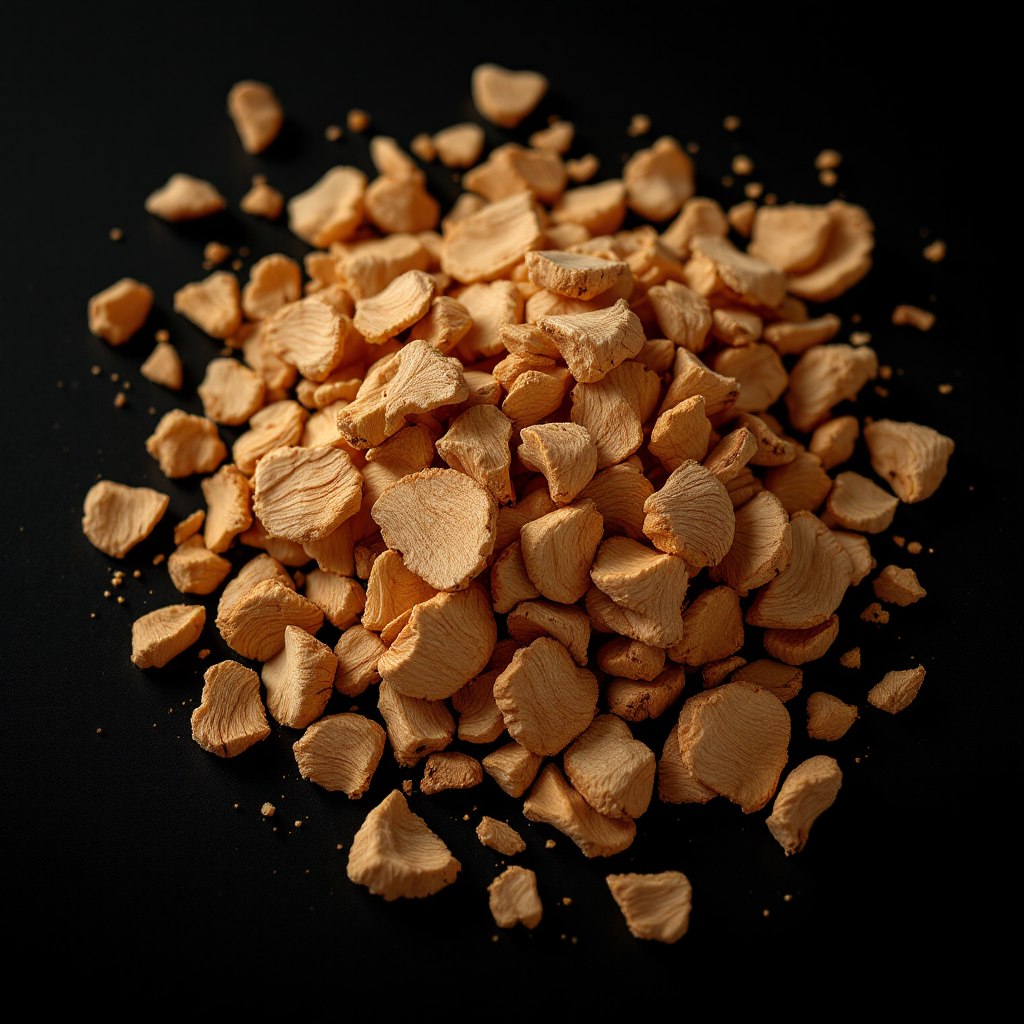
Padouk wood from tropical Africa delivers a warm, softly sweet woody character prized in fine fragrance. Its rich reddish heartwood yields a resinous base note that grounds compositions with quiet sophistication.
Character
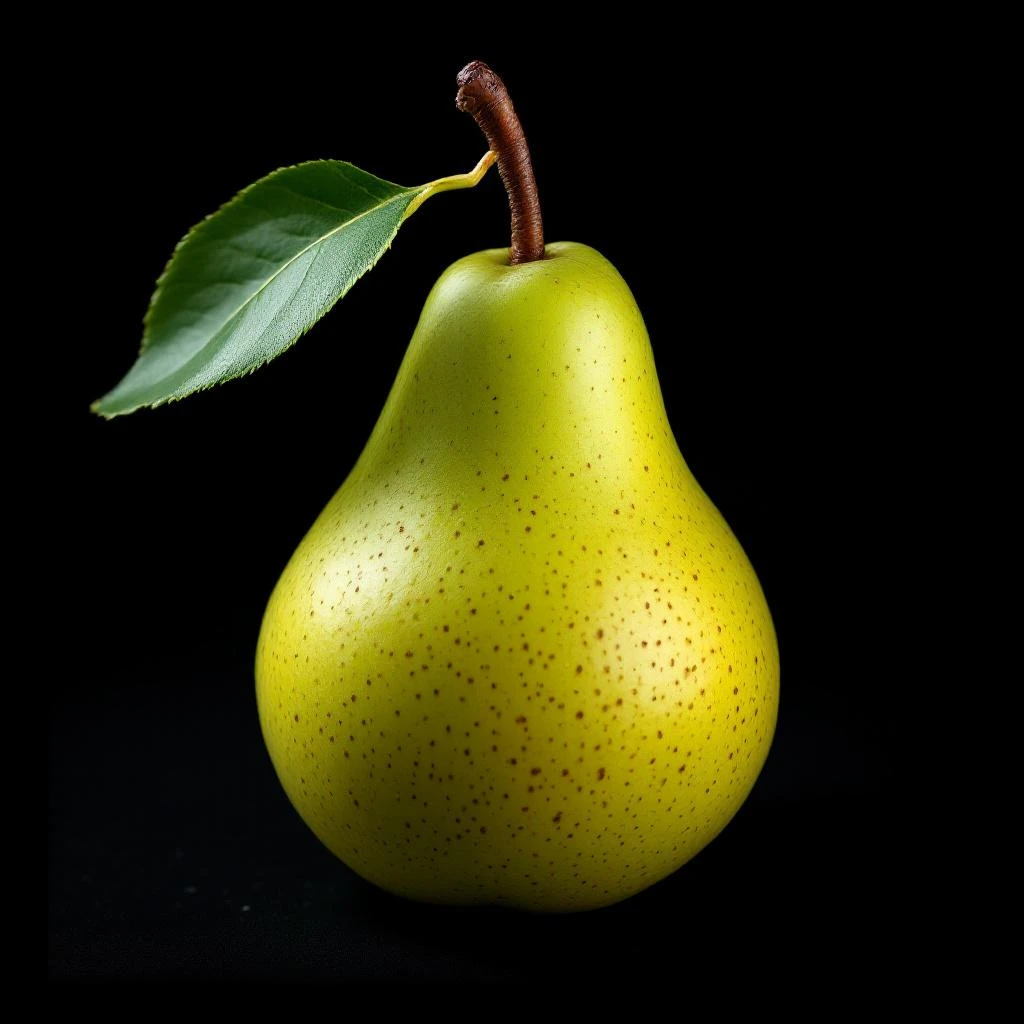
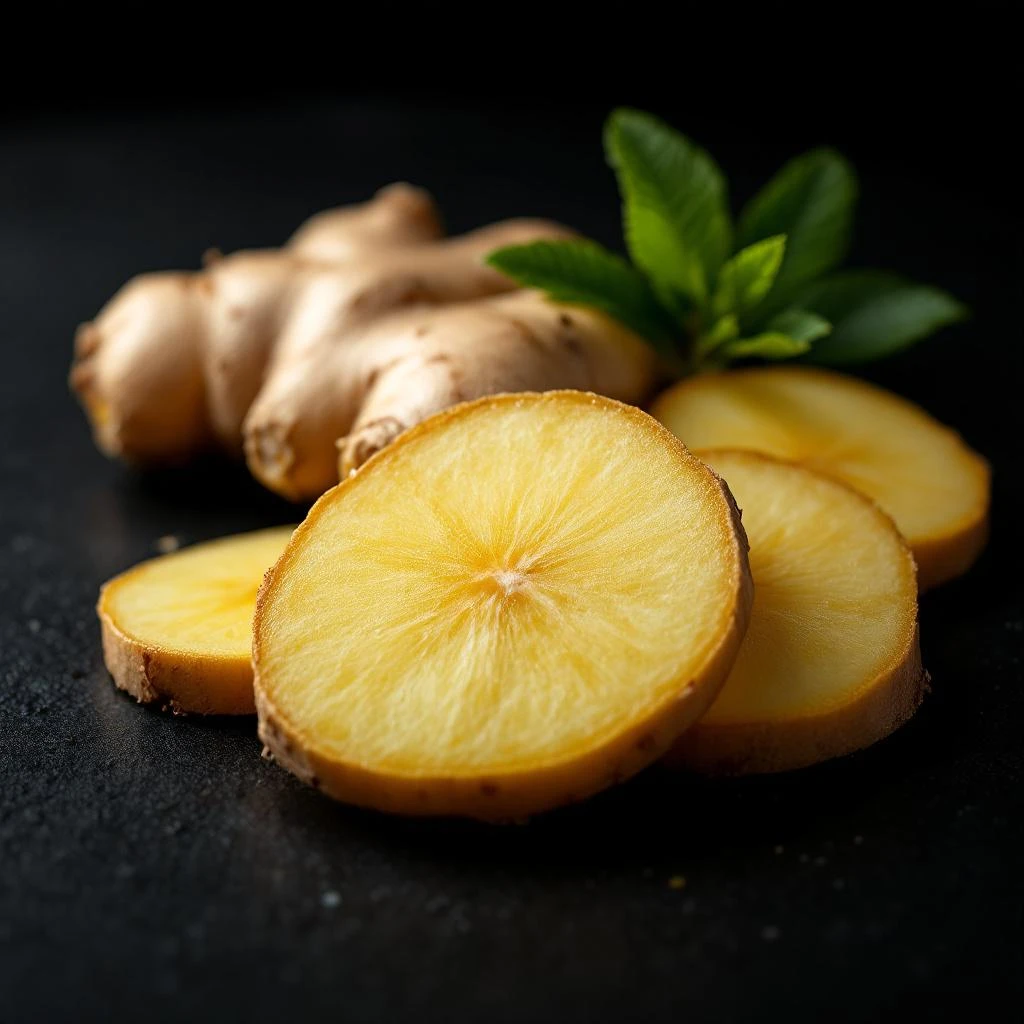
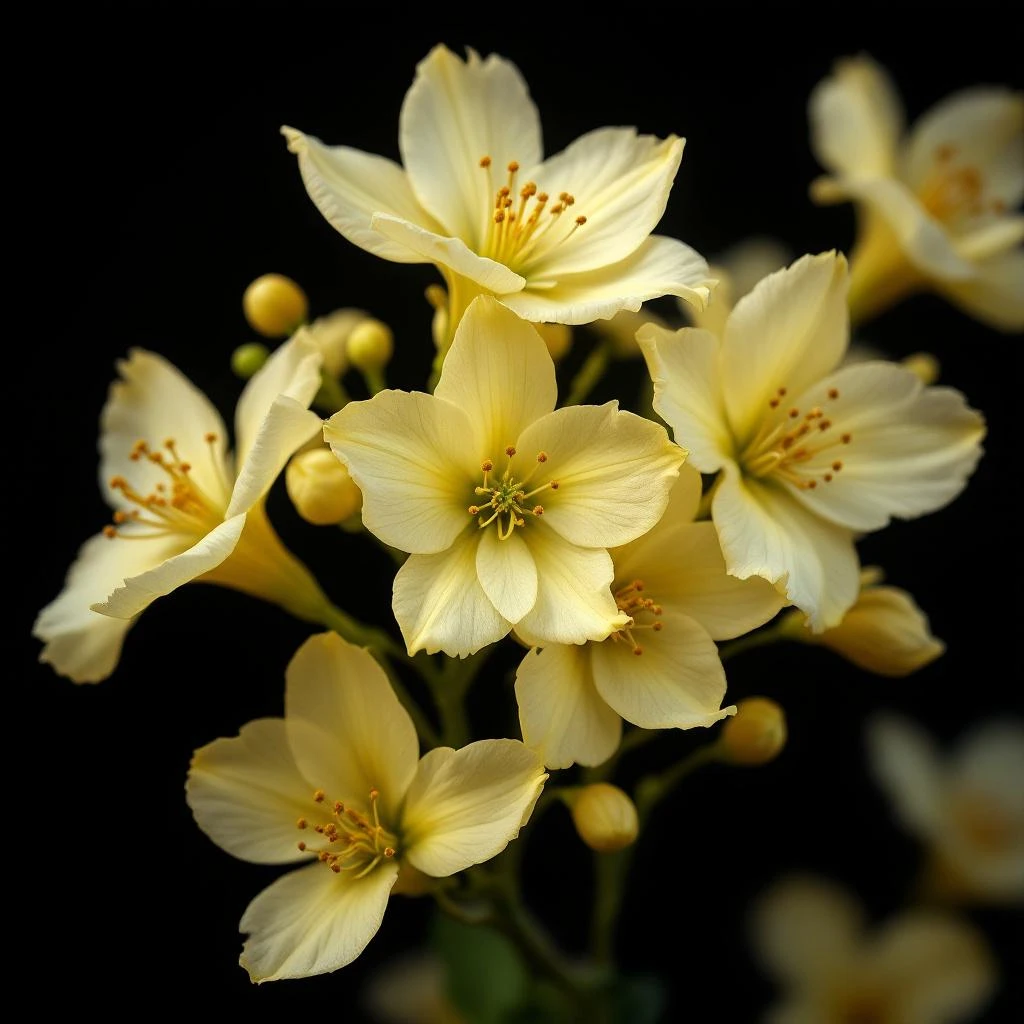
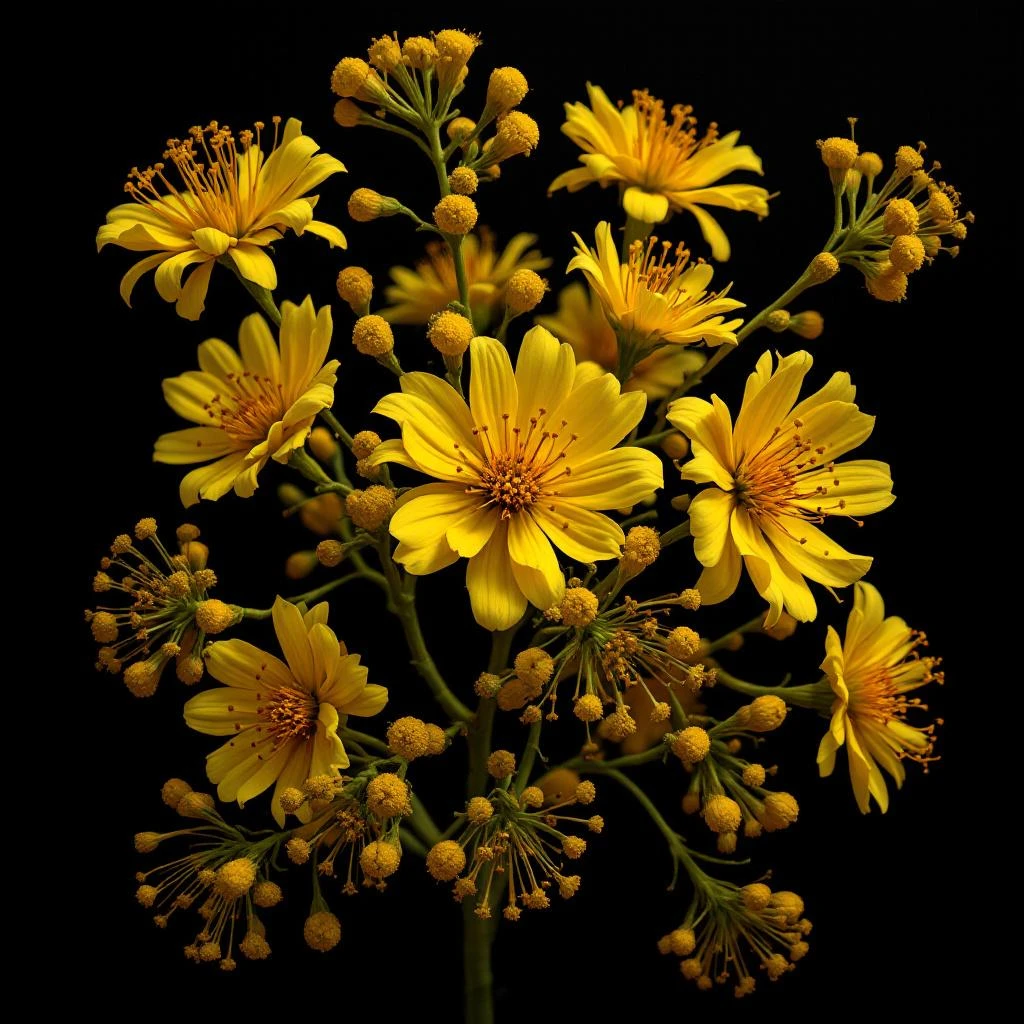
How it smells
African warmth in every note.
The tree's name comes from a West African word, and its striking red color once made it a natural dye source for textiles.

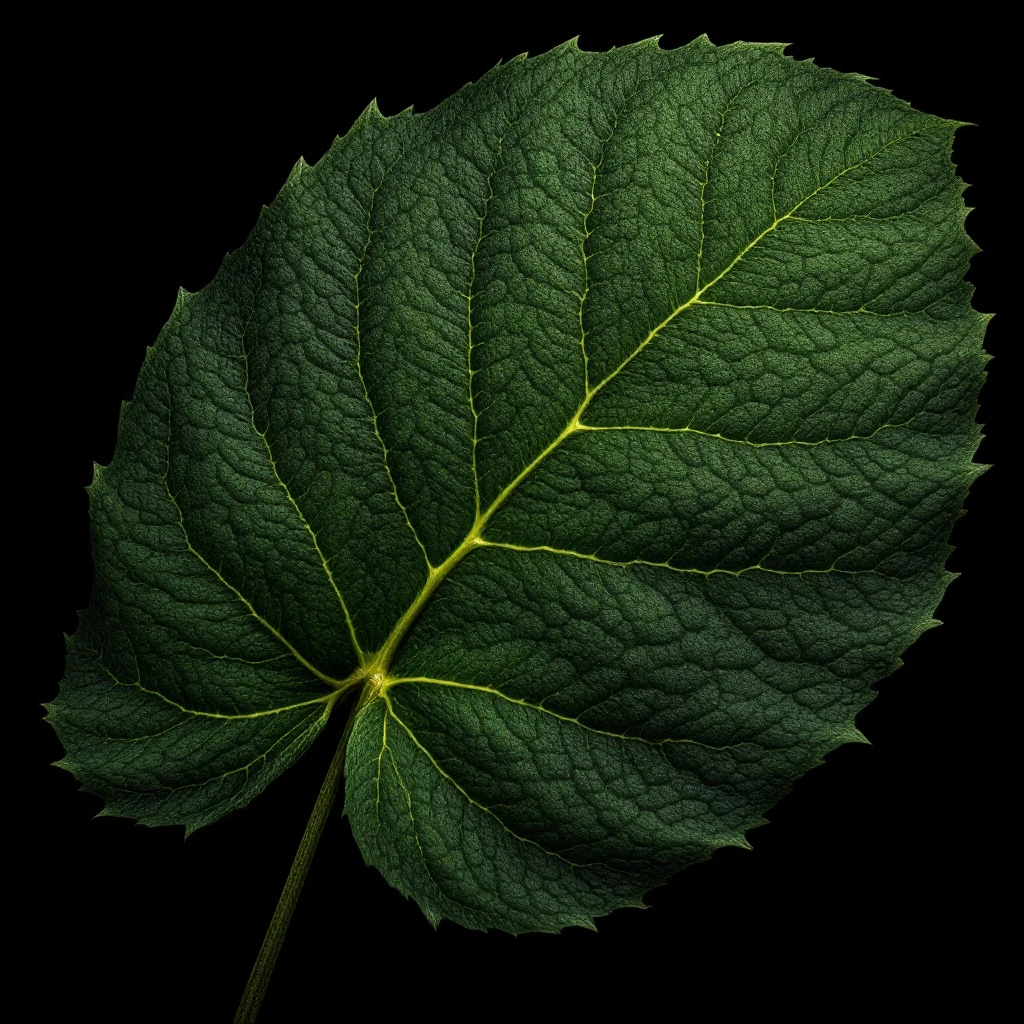

Origin
Cameroon
Pterocarpus soyauxii has grown across Central and West African rainforests for millennia, holding cultural significance among numerous indigenous communities. African healers and craftspeople used the wood for its durability and natural properties long before it entered European perfume houses in the twentieth century.
The tree's imposing height and distinctive blood-red heartwood made it a landmark species in forests stretching from Cameroon to Nigeria and into the Congo Basin. As global perfumery expanded its palette of natural materials beyond traditional European and Asian ingredients, Padouk emerged as a distinctive African contribution to woody base notes.
Its warm, less-sweet profile compared to sandalwood or the complexity of oud positioned it as an accessible yet characterful option for perfumers seeking African terroir in their compositions. Today, sustainable harvesting practices guide sourcing, with several African nations developing cultivation programs to protect wild populations while meeting fragrance industry demand.
Wears it best
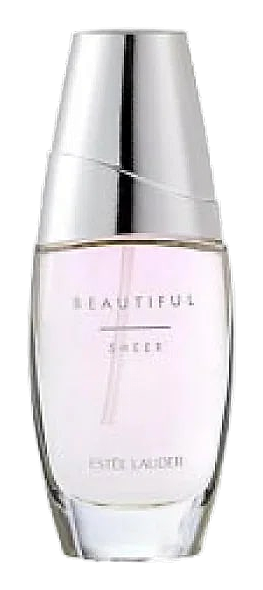
Fragrances featuring Padouk Wood
Brands
Brands known for Padouk Wood
Good to know
Questions, answered
The essentials on Padouk Wood in perfumery: how it smells, where it comes from, and how it behaves on skin.
What makes Padouk wood distinctive among fragrance ingredients?
Padouk offers a warm, resinous woody character with subtle camphoraceous and slightly sweet undertones. It differs from sandalwood's creaminess or cedarwood's dry crispness, delivering instead a deeper, more resinous warmth that works exceptionally well as a fragrance base note.
How is Padouk wood oil extracted for perfumery use?
Steam distillation extracts Padouk oil from dried heartwood chips. Heat transforms the wood's aromatic compounds into vapor, which then condenses into essential oil. This method preserves the wood's warm, woody profile without introducing solvent residues.
What fragrance families typically use Padouk wood?
Woody and oriental compositions most commonly feature Padouk. Perfumers pair it with florals for warmth, with citruses for contrast, and with other woods to build complex base notes. Its resinous quality also suits chypre and leather fragrance families.
Is Padouk wood oil considered rare or common in perfumery?
Padouk occupies a niche position among perfume ingredients. It appears less frequently than sandalwood or cedar but maintains steady presence in niche and luxury fragrances. Supply remains consistent, sourced primarily from sustainably managed Central African forests.
What geographic regions produce the highest quality Padouk for fragrance?
Cameroon and surrounding Central African nations produce the most prized Padouk heartwood. The tropical climate and old-growth forest conditions of this region yield wood with optimal aromatic concentration and characteristic warm, resinous qualities.
How does Padouk wood age in a fragrance composition?
Padouk base notes deepen and soften over time, integrating with other ingredients to create a cohesive dry-down. On skin, it typically projects for three to four hours before settling into a warm, lingering drydown that can persist for eight or more hours.
What sustainability considerations exist around Padouk wood sourcing?
Pterocarpus soyauxii appears on IUCN Red List as Least Concern, though wild populations face habitat pressure. Several producing nations now enforce harvest quotas and promote plantation cultivation to ensure long-term supply while protecting natural forests.
Can Padouk wood be compared to other popular fragrance woods?
Padouk sits between cedarwood's dry elegance and oud's exotic complexity. It lacks sandalwood's creamy sweetness but offers more warmth than cedar. Perfumers value it for adding resinous depth without the intensity and cost of agarwood.