Pipe Tobacco Smoke
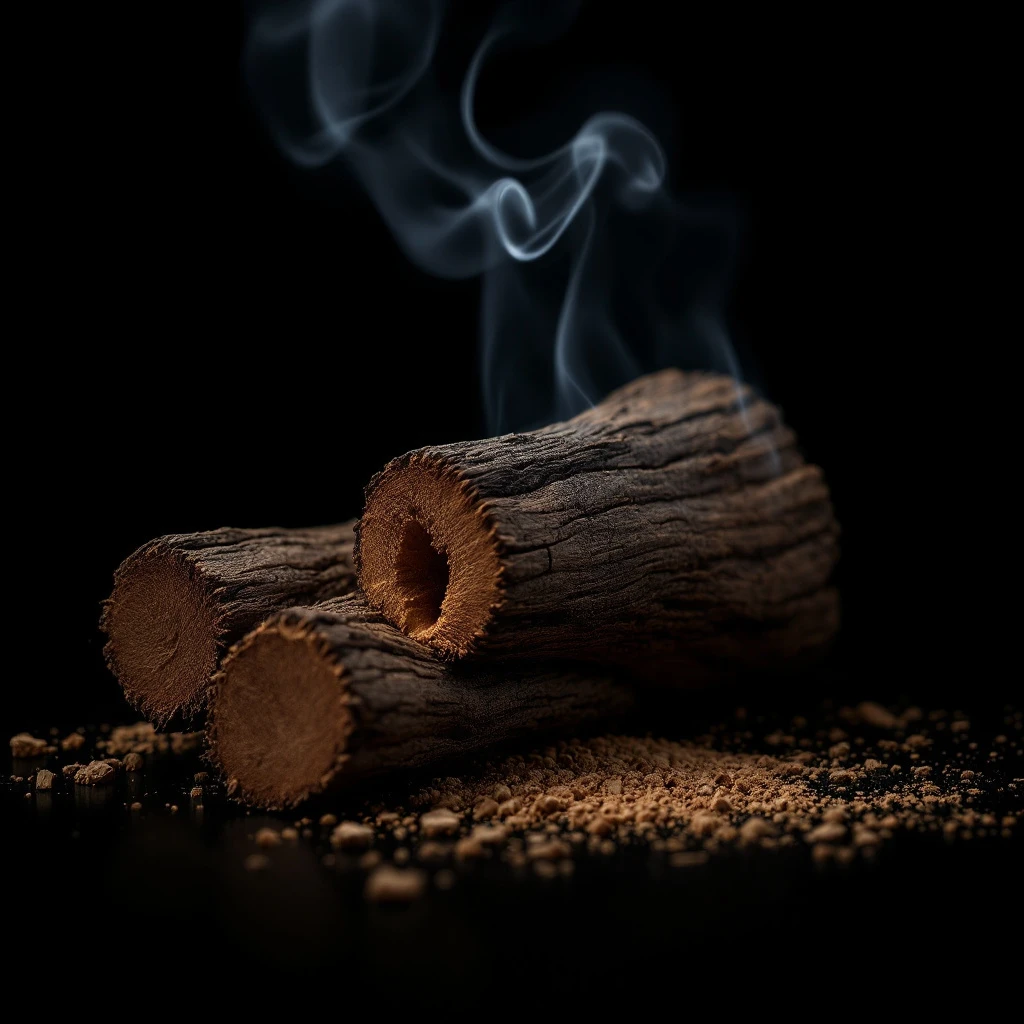
The smoky husk of embers cooling in a clay pipe. Pipe tobacco smoke captures the moment after the draw—warm, resinous, alive with the quiet weight of cured leaf and woodsmoke settling into fabric and memory.
Character
How it smells
Embers and cured leaf in quiet communion.
The same compound that gives pipe smoke its sweet, smoky warmth—guaiacol—also appears in whiskey, roasted coffee, and smoked meat.




Origin
France
Nicotiana tabacum carries a history spanning thousands of years. Indigenous peoples of the Americas first cultivated tobacco for ritual and medicine, a practice that shifted dramatically after European contact. By the 16th century, pipe smoking had spread across Europe, and tobacco had become a global commodity.
Perfumery adopted tobacco relatively late, though ancient Egyptians and Greeks had already used scented oils and incense in ritual contexts. The 12th-century Arab refinement of distillation techniques eventually enabled perfumers to isolate and study aromatic materials more systematically. Today, pipe tobacco smoke represents a romantic paradox in perfumery—the memory of a practice declining in daily life, preserved as scent.
It carries cultural weight far beyond its aromatic appeal: the gentleman's study, the jazz club, the quiet end of an evening.
Wears it best
Fragrances featuring Pipe Tobacco Smoke
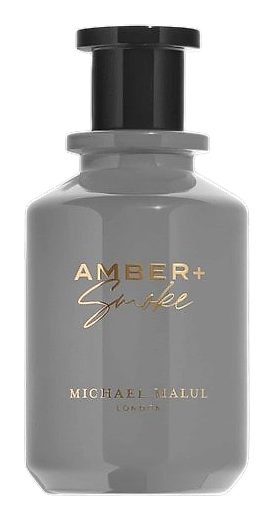
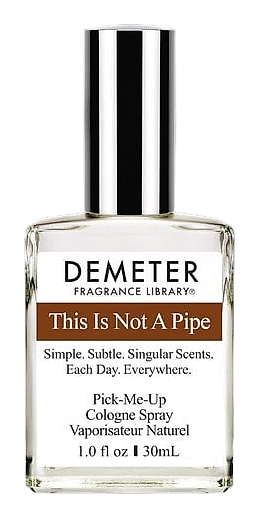
Brands
Brands known for Pipe Tobacco Smoke
Good to know
Questions, answered
The essentials on Pipe Tobacco Smoke in perfumery: how it smells, where it comes from, and how it behaves on skin.
What does pipe tobacco smoke smell like in perfume?
Pipe tobacco smoke reads as warm, smoky, and slightly sweet. The top draws show honey and dried fruit, while the drydown settles into cured leaf, vanilla, and a faint woody char reminiscent of an empty ashtray.
Is pipe tobacco smoke a natural or synthetic ingredient?
Perfumers construct pipe tobacco smoke as a synthetic accord, combining tobacco absolute with aroma molecules like guaiacol and vanillin. This approach recreates the complexity of actual pipe smoke with greater consistency.
Does pipe tobacco smoke smell like cigarettes?
No. Pipe tobacco smoke lacks the sharp, cured-paper quality of cigarette smoke. It emphasizes warm, sweet, and woody notes from cured leaf and natural casing ingredients rather than the acrid bite of rapid tobacco combustion.
Which fragrance families use pipe tobacco smoke?
Pipe tobacco smoke appears most often in oriental and woody fragrances. It also works in fougère and chypre structures, where its warmth anchors brighter top notes and adds depth to the drydown.
What other ingredients pair well with pipe tobacco smoke?
Pipe tobacco smoke combines naturally with vanilla, tonka, leather, benzoin, and labdanum. It also pairs with dark amber, oud, and spices like clove and cardamom for richer, more complex compositions.
Is pipe tobacco smoke used in men's or women's fragrances?
Pipe tobacco smoke is unisex by design. Its warmth and sweetness appeal broadly, and perfumers use it in both masculine and feminine fragrances depending on the overall composition and intent.
Why do perfumers use pipe tobacco smoke instead of tobacco absolute?
Tobacco absolute provides deep, leathery, and slightly bitter leaf character. Pipe tobacco smoke adds a smoky, warm, and almost creamy dimension that absolute alone cannot achieve, making the accord complementary rather than redundant.
How does pipe tobacco smoke perform as a fragrance note?
Pipe tobacco smoke performs as a heart-to-base note. It emerges in the first hour, lasting four to eight hours depending on concentration. The note projects moderately and excels in cooler weather, where its warmth becomes most apparent.