Pinwheel Flower
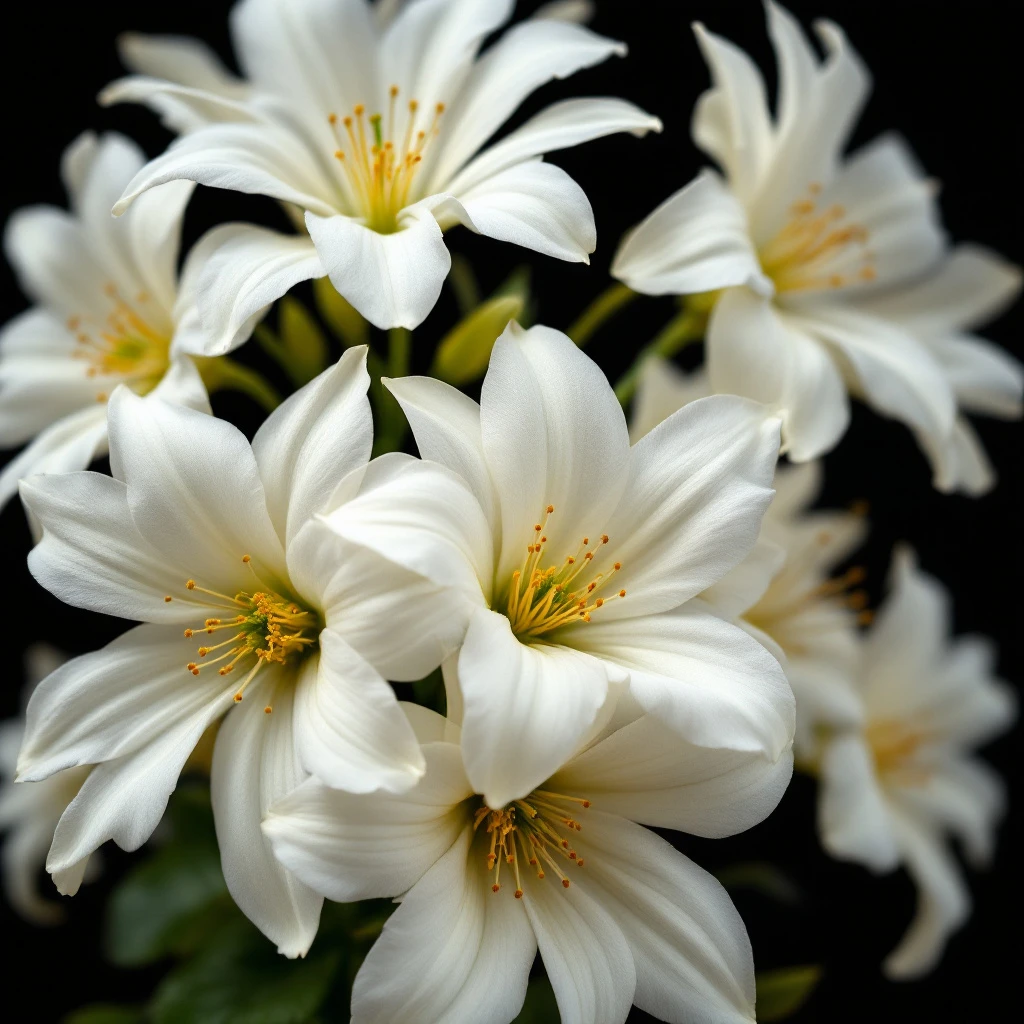
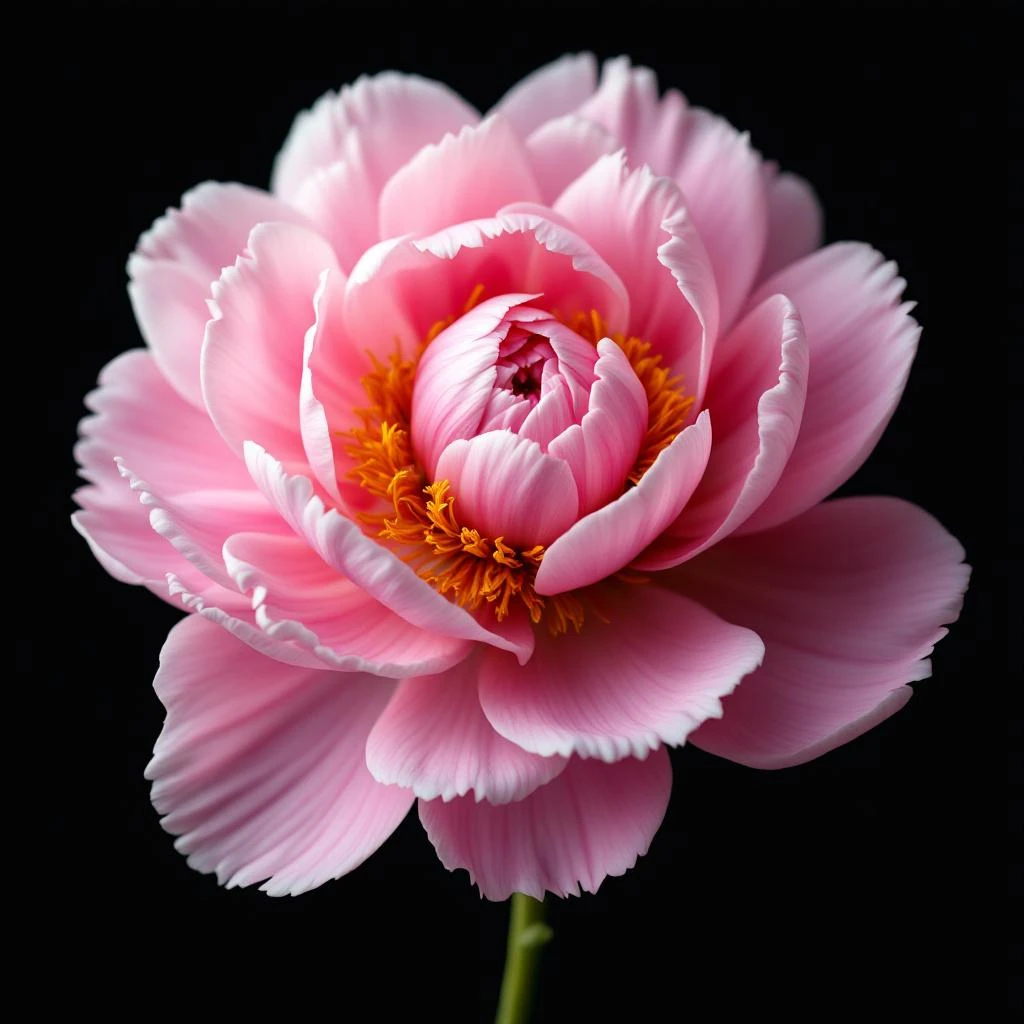
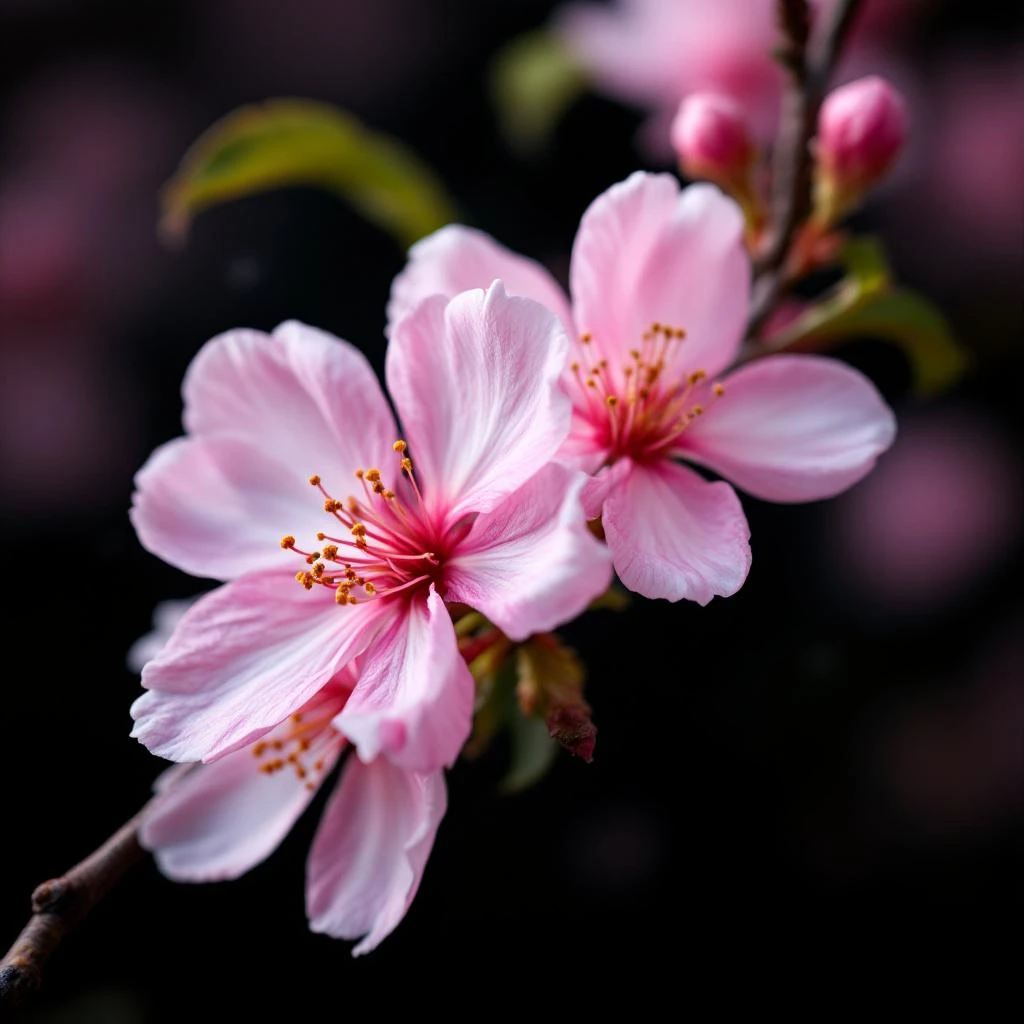
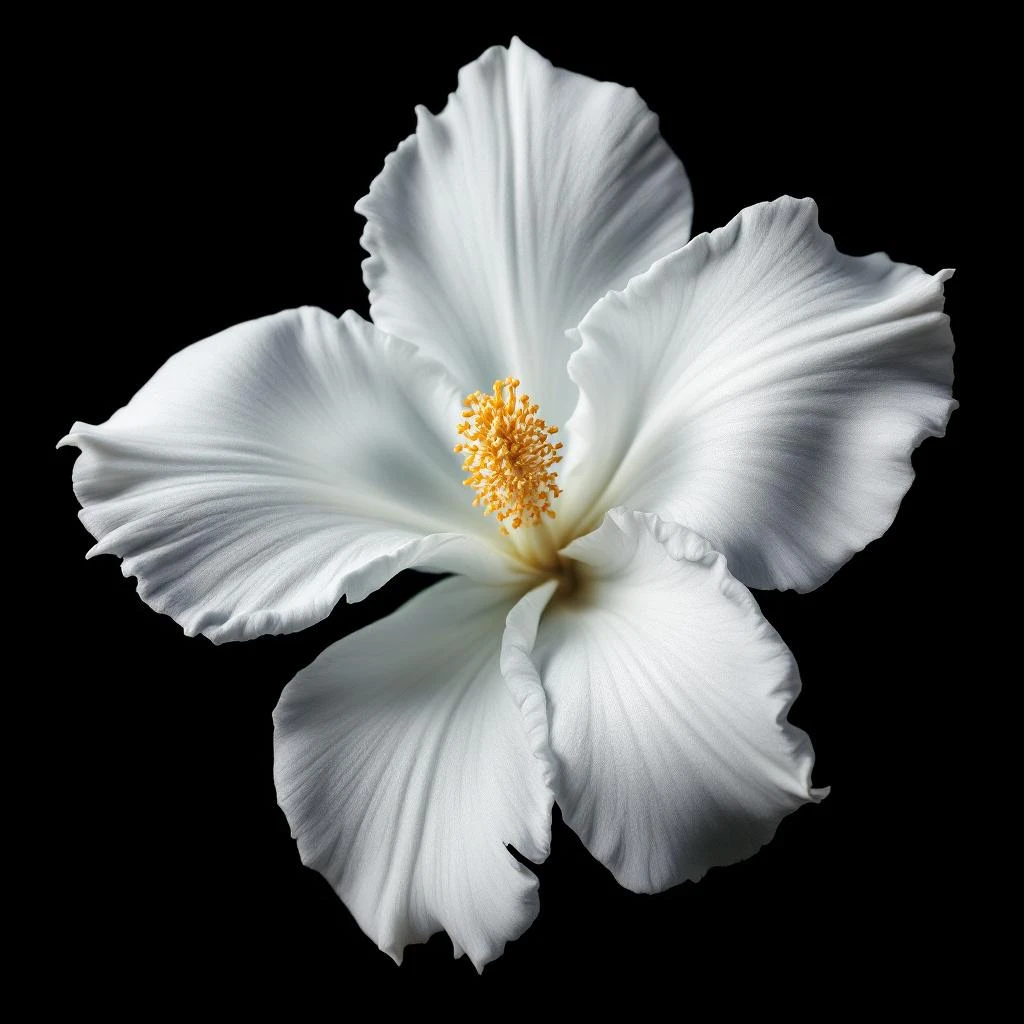
Pinwheel Flower, known botanically as Tabernaemontana divaricata, releases a sweet, creamy, gardenia-like aroma from its pinwheel-shaped white blooms. Native to South and Southeast Asia, it enriches perfumery with soft floral depth.
Character
How it smells
A gardenia cousin with pinwheel petals and creamy sweetness.
The Pinwheel Flower belongs to the Apocynaceae family, the same plant clan as frangipani and oleander, and its latex has been used in traditional medicine for centuries.


Origin
India
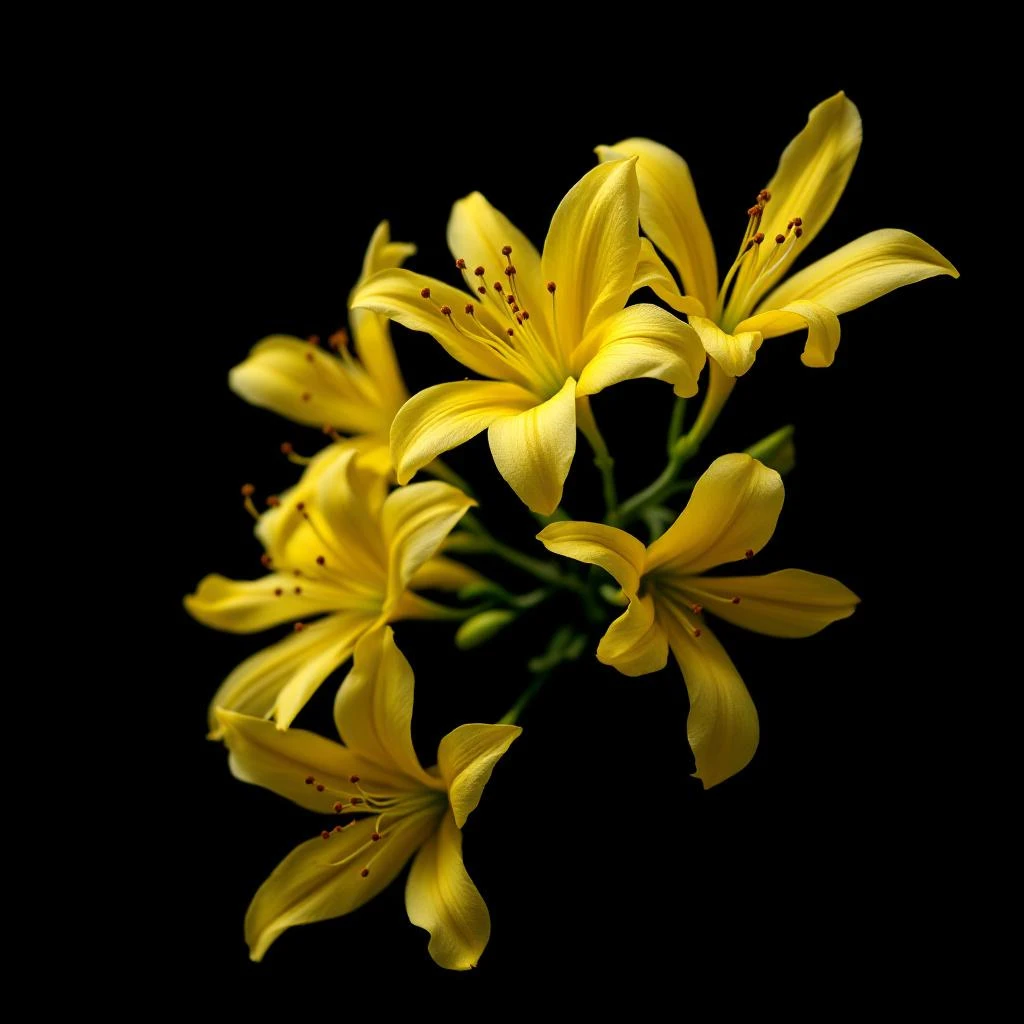
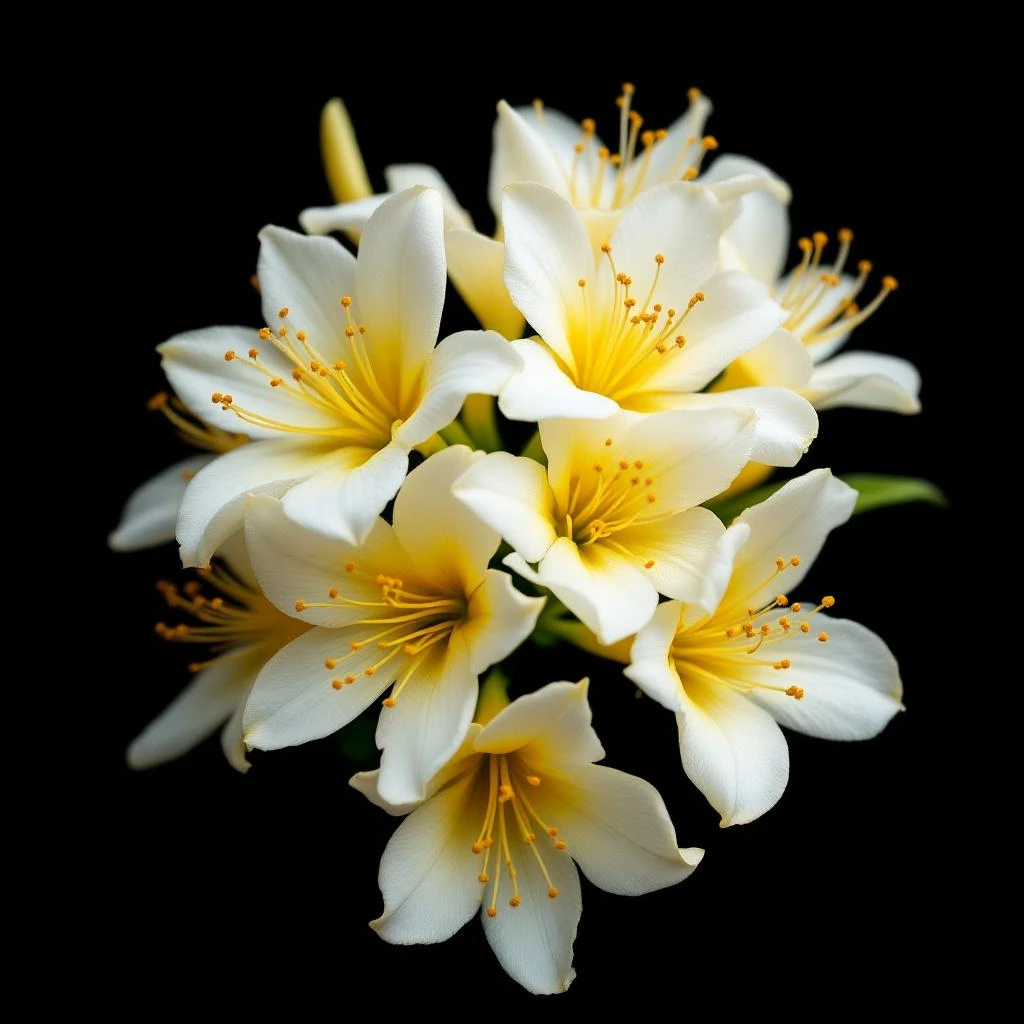
Tabernaemontana divaricata has roots across India, Thailand, and Malaysia, where it thrives in temple gardens and village courtyards. In Ayurvedic and Thai traditional medicine, various parts of the plant treated fever, wounds, and inflammation, while the blooms themselves were admired for ornamental and devotional purposes. The genus name honors Jakob Theodor Tabernaemontanus, a 16th-century German botanist and physician whose herbal texts shaped European botanical science.
Indian folk traditions sometimes planted the shrub near homes to ward off snakes, believing the milky latex deterred them. Its entry into modern perfumery is more recent, as synthetic alternatives to gardenia and tuberose opened space for lesser-known tropical florals like the Pinwheel Flower to find a place in niche compositions.
Wears it best
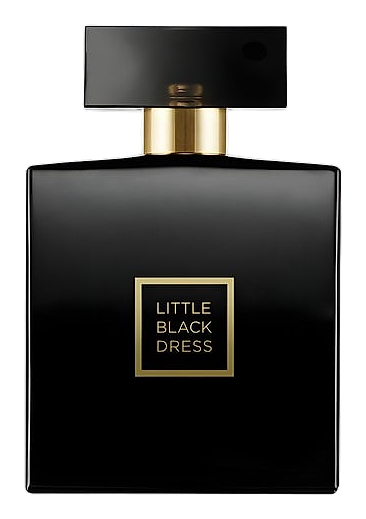
Fragrances featuring Pinwheel Flower
Brands
Brands known for Pinwheel Flower
Good to know
Questions, answered
The essentials on Pinwheel Flower in perfumery: how it smells, where it comes from, and how it behaves on skin.
What does Pinwheel Flower smell like in perfume?
Pinwheel Flower offers a creamy, sweet floral scent with lactonic and lightly indolic qualities, often compared to gardenia or frangipani. Its soft coconut-like warmth makes it a middle-note builder in tropical and white-floral compositions.
Is Pinwheel Flower the same as gardenia?
No. Pinwheel Flower (Tabernaemontana divaricata) belongs to the Apocynaceae family, while gardenia is in the Rubiaceae family. They share creamy, sweet character but differ in botanical structure and subtle aromatic nuances.
Why is Pinwheel Flower rare in perfumery?
Its blooms wilt within hours of picking, making traditional steam distillation impractical. Most perfumers use solvent extraction or headspace technology, both of which limit yield and keep the ingredient relatively uncommon.
Where does Pinwheel Flower grow naturally?
It originates in South and Southeast Asia, particularly India, Thailand, and Malaysia. It thrives in warm, humid climates and is commonly cultivated as an ornamental shrub in temple and home gardens.
Can Pinwheel Flower be used in aromatherapy?
Yes, though evidence is primarily traditional rather than clinical. In Ayurvedic practice, parts of the plant have been used for respiratory relief and skin care, but the flower itself is valued more for its fragrance than therapeutic claims.
Is Pinwheel Flower safe for skin application?
When properly processed as an absolute or extract at typical fragrance dilutions, it is generally considered safe. However, the raw plant latex can irritate skin, so perfumed products use refined versions rather than direct botanical material.
What perfumes feature Pinwheel Flower notes?
Pinwheel Flower appears mainly in niche and Indian artisanal perfumery rather than mainstream commercial launches. Some Indian fragrance houses feature it in compositions celebrating regional flora, often paired with jasmine or sandalwood.
How is Pinwheel Flower harvested for fragrance?
Flowers are picked by hand in the early morning when their aromatic compounds peak. Because the petals degrade quickly, they are processed the same day, typically through solvent extraction or enfleurage to preserve the delicate scent profile.




