Pink Poppy
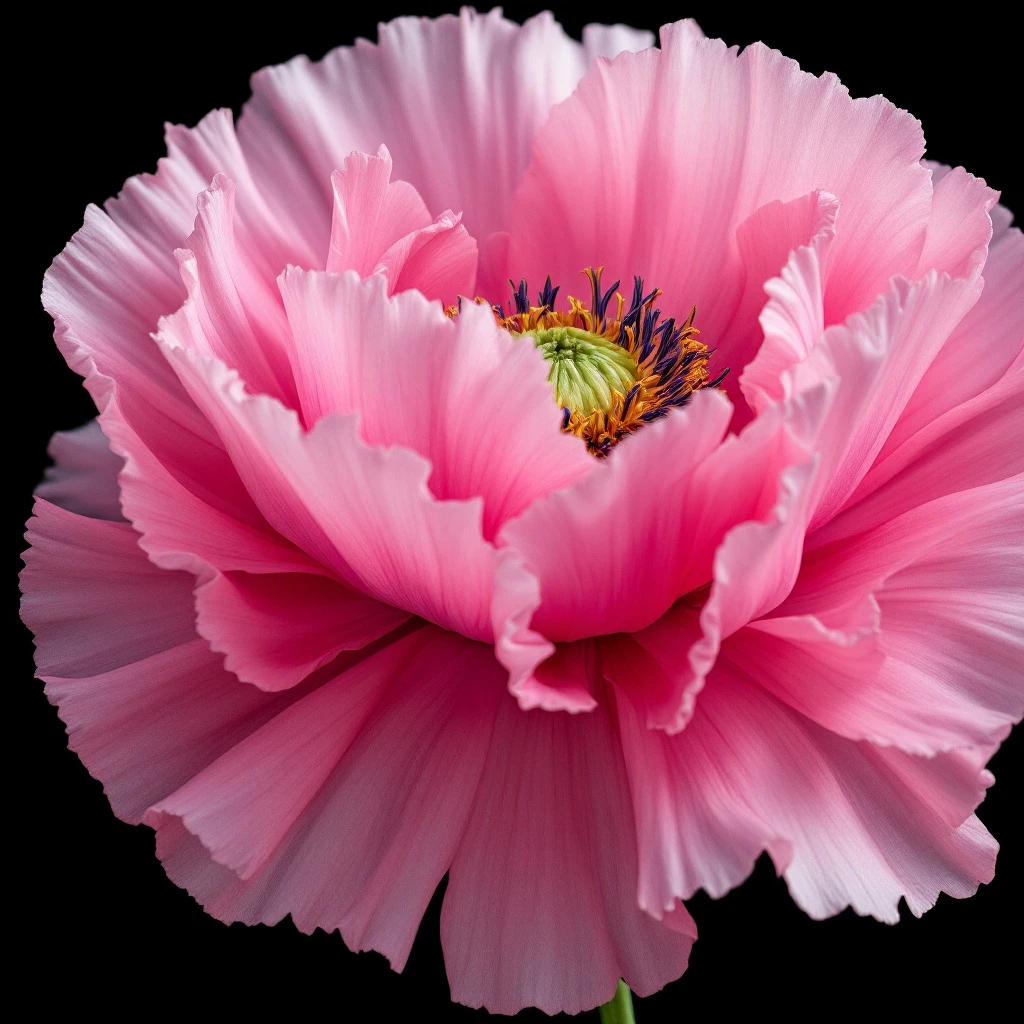
Pink Poppy brings an airy, ephemeral quality to fragrance compositions. This powdery-floral accord captures the delicate beauty of meadow poppies without relying on direct botanical extraction.
Character
How it smells
A powdery-floral accord inspired by ephemeral meadow blooms
Pink Poppy as a perfumery ingredient is always synthesized, as direct extraction from Papaver rhoeas petals yields no usable aromatic material.



Origin
Laboratory-created
Papaver rhoeas, the corn poppy, has decorated European and Western Asian fields since antiquity, earning its place in poetry and folk medicine alike. Ancient Greeks associated red poppies with sleep and oblivion, while Victorian flower language assigned them meanings of imagination and eternal rest. The flower's appearance in war memorial symbolism emerged after World War I, when crimson poppies bloomed across churned battlefields.
Perfumers began capturing poppy essence conceptually in the early 20th century as fragrance houses started working with synthetic materials. Rather than extracting scent directly, they built accords that recalled poppy's visual and emotional character. This approach represented a shift from botanical dependence toward creative interpretation, allowing perfumers to bottle inspiration rather than simply botanical matter.
Today, Pink Poppy accords honor that legacy of innovation, translating ephemeral beauty into stable aromatic form.
Wears it best
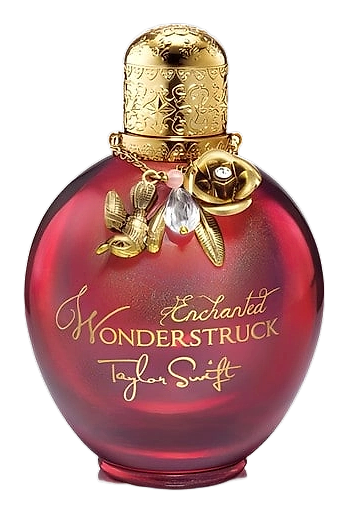
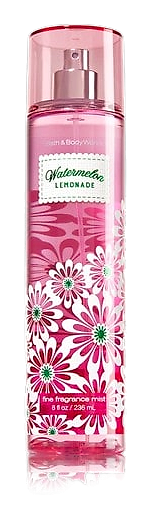
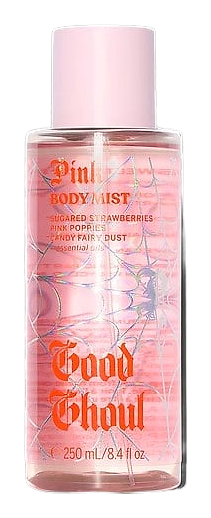
Fragrances featuring Pink Poppy
Brands
Brands known for Pink Poppy
Good to know
Questions, answered
The essentials on Pink Poppy in perfumery: how it smells, where it comes from, and how it behaves on skin.
Is Pink Poppy a natural ingredient?
No. Pink Poppy is always a synthetic accord, as Papaver rhoeas petals produce no usable aromatic material through any extraction method. Fragrance chemists build the note from molecules like heliotropin and ionones.
What does Pink Poppy smell like?
Pink Poppy reads as a powdery-floral with airy sweetness and subtle cherry-almond facets. The note evokes the visual impression of pale petals rather than delivering botanical accuracy.
What molecules create Pink Poppy accord?
The core typically combines heliotropin for powdery character, ionones for violet-floral depth, rosy acetates for freshness, and soft aldehydes for ethereal lift. Each house maintains its own proprietary ratio.
Which fragrance families use Pink Poppy?
Pink Poppy appears primarily in feminine florals, chypres, and modern green compositions. It suits lighthearted daytime scents where fleeting beauty matters more than lasting power.
Does Pink Poppy occur in nature?
Papaver rhoeas exists naturally across Europe and Western Asia, growing in meadows and field margins. The aromatic accord, however, exists only in the laboratory.
How long has Pink Poppy been used in perfumery?
Fragrance houses began developing poppy accords in the early 20th century after synthetic chemistry expanded. The powdery-floral profile became popular in post-war perfumery.
Can I find Pink Poppy in natural perfumery?
Natural perfumery avoids Pink Poppy entirely. If you seek a similar effect from botanical sources, consider combining orris butter with rose absolute and a touch of heliotropin.
What pairs well with Pink Poppy?
Pink Poppy blends naturally with aldehydic florals, light musks, iris, and green tea notes. Avoid pairing with heavy oriental bases, which overwhelm its delicate character.





