Pink Musk
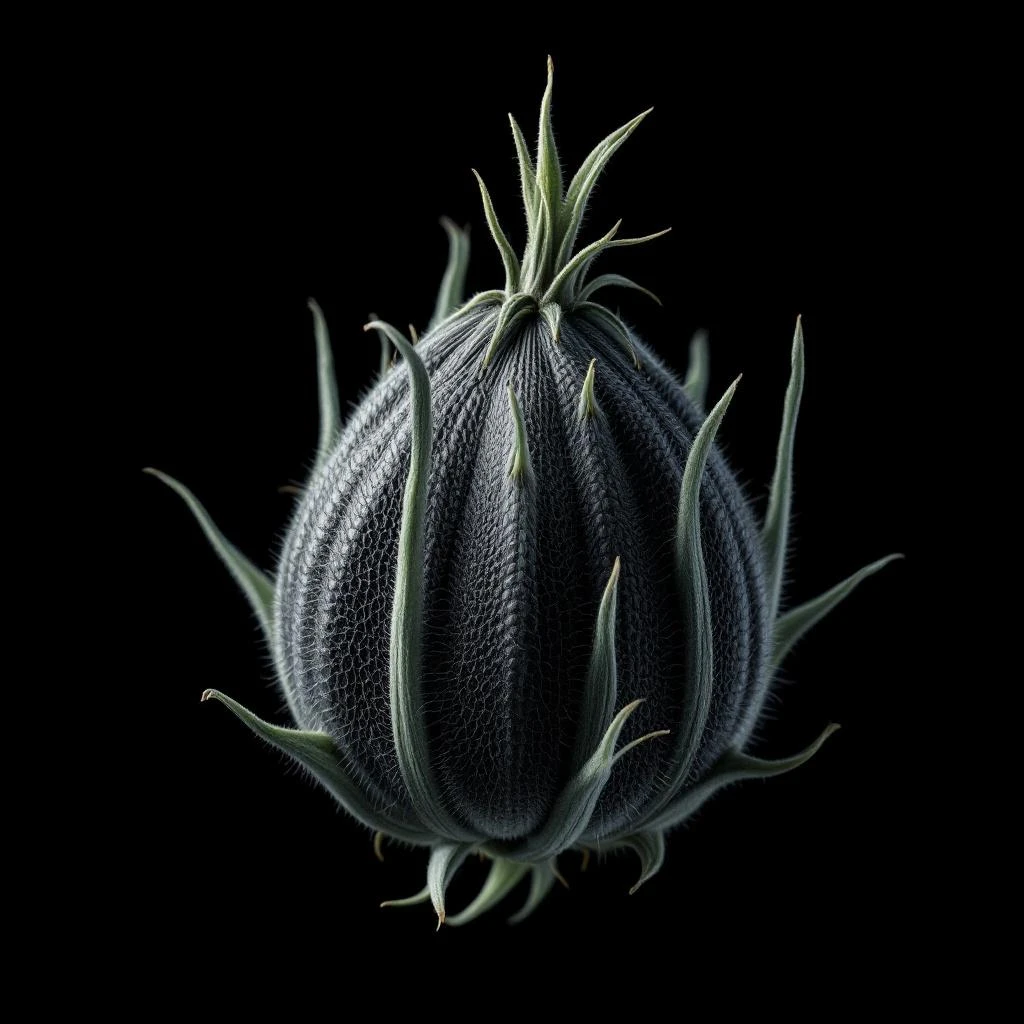
Pink musk is a modern synthetic fragrance note that recreates the warmth and sensuality of traditional musk without animal extraction. Its soft, powdery, skin-close character makes it a staple in contemporary perfumery for creating intimate, long-lasting fragrances.
Character
How it smells
Soft, clean, and ethically crafted warmth.
Pink musk contains no animal products—scientists recreated its signature scent by studying the molecular structure of natural musk deer secretions.






Origin
Switzerland
Natural musk has fascinated humans for millennia. Ancient Egyptians and Mesopotamians prized musk for religious rituals and early perfumery. For centuries, genuine musk came from the abdominal glands of male musk deer in Himalayan and Siberian regions—a substance so potent that a single drop commanded immense value.
Chinese texts from the 3rd century document musk as a medicinal and aromatic treasure. European demand grew dramatically during the medieval period via Silk Road trade. By the 1970s, recognition of the musk deer's endangered status led to international trade bans.
The fragrance industry responded by accelerating synthetic musk development. Pink musk emerged as a cruelty-free solution that captures the intimacy and fixative power of natural musk while meeting modern ethical standards, now appearing in the majority of contemporary fragrances.
Wears it best
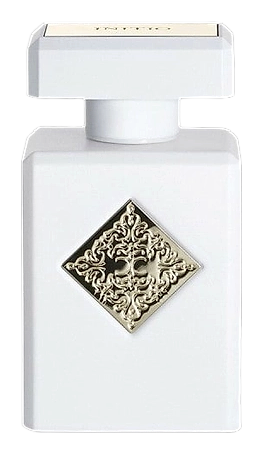
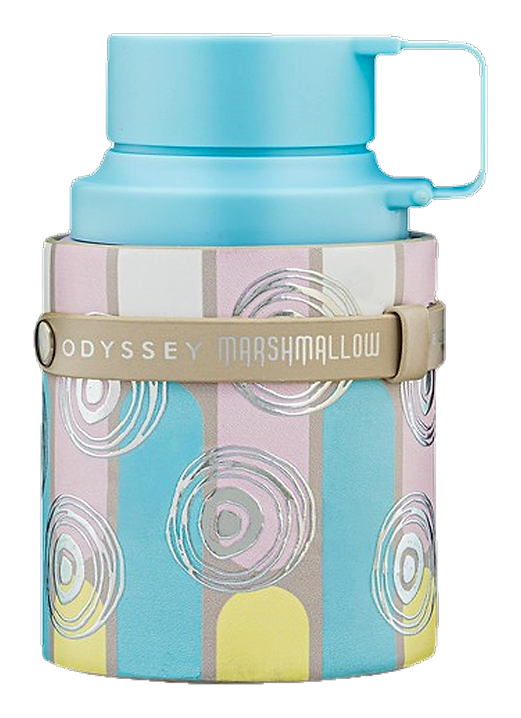
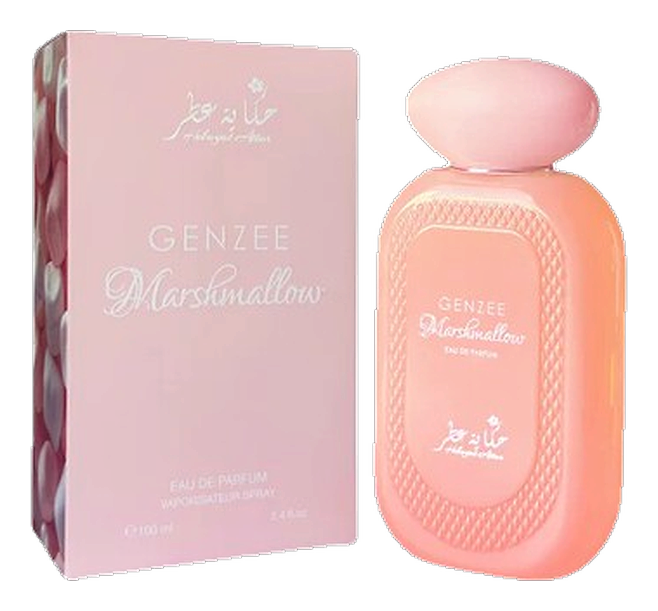
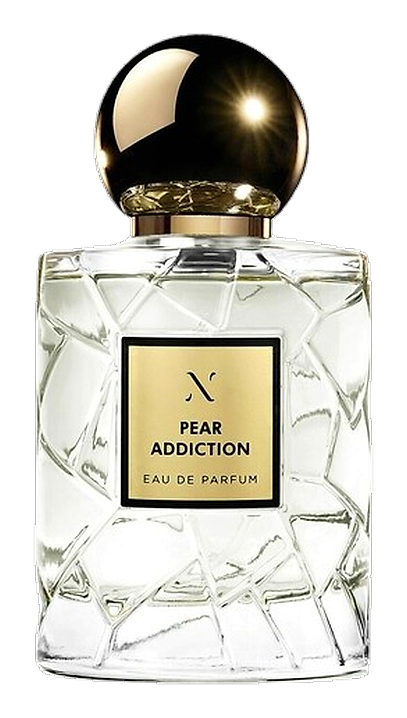
Fragrances featuring Pink Musk

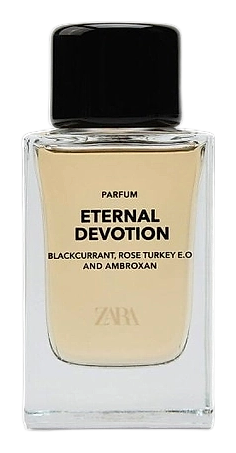
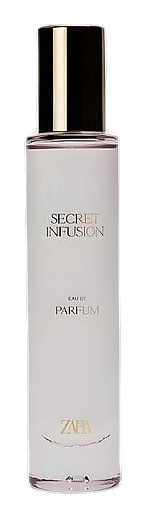
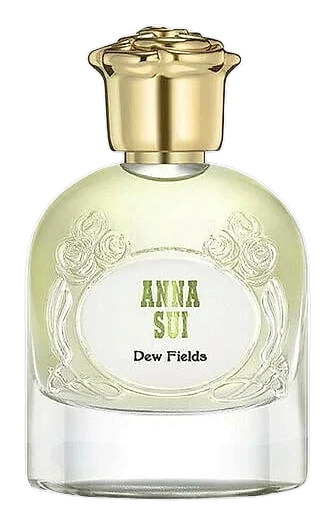
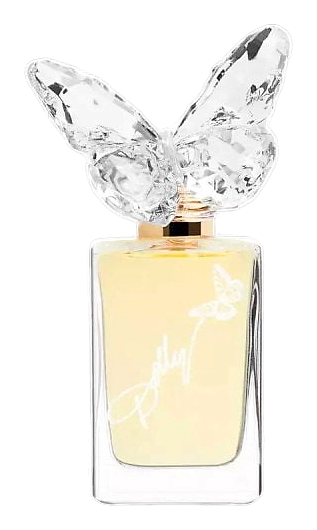
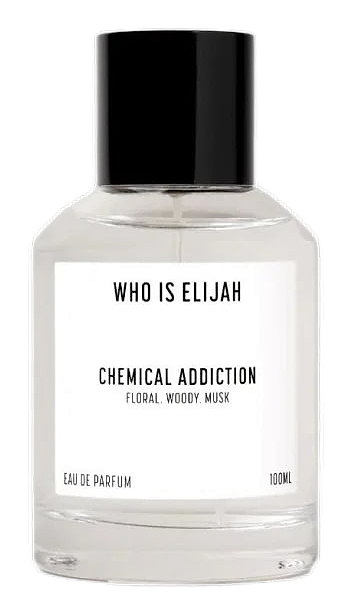
Brands
Brands known for Pink Musk
Good to know
Questions, answered
The essentials on Pink Musk in perfumery: how it smells, where it comes from, and how it behaves on skin.
What is Pink musk?
Pink musk is a modern synthetic fragrance note that mimics the warm, sensual character of traditional animal-derived musk. Perfumers create it through organic chemistry rather than animal extraction, producing compounds like habanolide and galaxolide that deliver the same intimate, skin-close effect entirely cruelty-free.
How is Pink musk produced?
Manufacturers synthesize Pink musk through organic chemistry reactions, typically starting from petrochemical or plant-derived materials. Key production methods include nitration reactions and catalytic hydrogenation to create macrocyclic ketone molecules that replicate natural musk's odor profile. This process generates consistent, pure compounds without animal involvement.
What does Pink musk smell like?
Pink musk has a soft, powdery, skin-like scent with warm undertones that feel intimate and clean. It lacks the fecal or animalic edge of traditional musk, instead offering a velvety, transparent quality that feels close to skin. The scent lingers as a subtle, comforting base note.
What role does Pink musk play in perfumery?
Pink musk primarily serves as a fixative, helping fragrance components last longer on skin. It adds roundness and diffusion to compositions, creating an intimate foundation that supports other notes. Nearly 90% of modern fragrances contain some form of synthetic musk for these purposes.
Is Pink musk safe for skin use?
Yes. Regulatory bodies including IFRA have evaluated synthetic musks for skin safety. Most macrocyclic and polycyclic musks used today—galaxolide, habanolide, ambrettolide—carry no significant sensitization warnings at typical perfume concentrations.
How does Pink musk differ from traditional musk?
Traditional musk came from killed musk deer and carried animalic, fecal nuances. Pink musk emerged from laboratory synthesis to eliminate animal cruelty and produced a cleaner, more transparent scent. Modern perfumery now uses almost exclusively synthetic variants rather than natural animal musk.
Where does Pink musk originate from?
Switzerland leads global production of high-quality synthetic musks through major fragrance houses. The science developed there in the late 19th century when nitration reactions first produced musky-smelling compounds. Today, macrocyclic musks like ambrettolide also derive from hibiscus seeds.
Does Pink musk support sustainable perfumery?
Yes. Pink musk eliminates pressure on wild musk deer populations while providing consistent, scalable production. Plant-derived alternatives like hibiscus-sourced ambrettolide and angelica-based exaltolide offer additional natural routes, reducing petrochemical dependency.