Pineapple Water
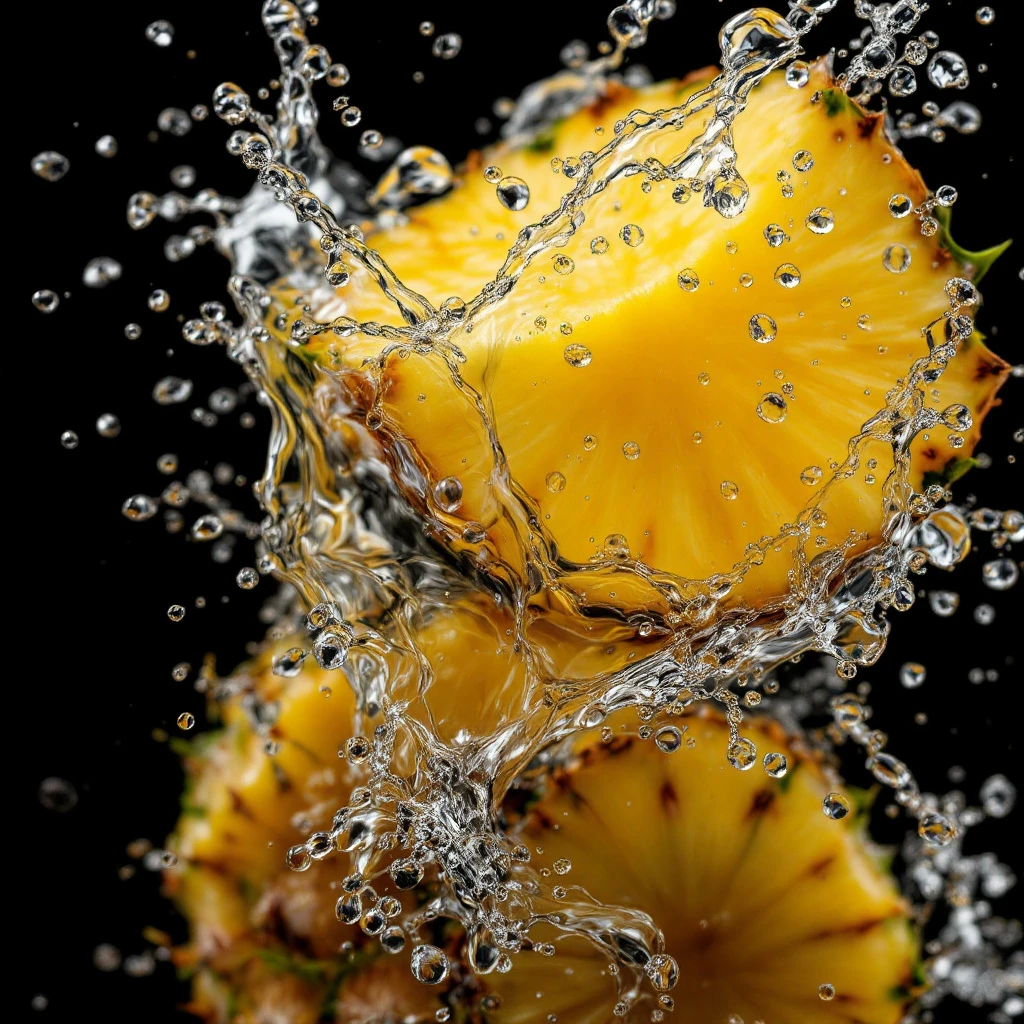
Pineapple water captures the crisp, sun-warmed bite of fresh tropical fruit through a water-soluble aromatic fraction. The note reads bright and juicy with a green-edged sweetness, lending modern fragrances a clean, mouthwatering lift.
Character
How it smells
Sun-soaked fruit, bottled in a breath
Fresh pineapple cannot be used in perfumery because bromelain, the same enzyme that stings your tongue, destroys scent molecules during extraction.



Origin
Brazil
The pineapple, Ananas comosus, originated in the Paraná-Paraguay river basin of South America, where indigenous Guaraní peoples cultivated it thousands of years before European contact. Christopher Columbus encountered the fruit in Guadeloupe in 1493, and by the 17th century it had become one of the most coveted luxury items in Europe. King Charles II of England posed for an official portrait while being presented with a pineapple, the only one in the country at the time.
The fruit's exotic prestige translated directly into perfumery. Early pineapple-scented products emerged in the 18th and 19th centuries as part of "eau de pineapple" colognes and tropical toilet waters. These were rudimentary blends that couldn't approach true fruit fidelity.
The breakthrough came in the mid-20th century when synthetic aroma chemistry advanced enough to reconstruct pineapple's scent reliably. The identification of allyl caproate and related esters as primary character compounds allowed perfumers to build convincing pineapple accords. By the 1990s and 2000s, the note became a staple in tropical, gourmand, and aquatic fragrance categories, appearing in countless mainstream launches seeking that bright, juicy signature.
The irony remains: an ingredient meant to evoke natural freshness exists almost entirely as a laboratory achievement.
Wears it best
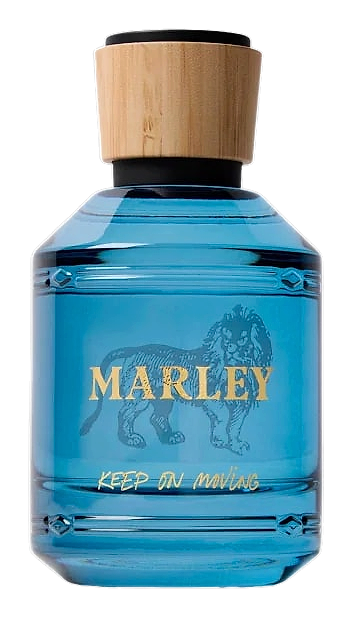
Fragrances featuring Pineapple Water
Brands
Brands known for Pineapple Water
Good to know
Questions, answered
The essentials on Pineapple Water in perfumery: how it smells, where it comes from, and how it behaves on skin.
Why can't perfumers extract real pineapple?
Fresh pineapple contains bromelain, an enzyme that destroys aromatic molecules during extraction. Steam distillation or cold pressing yields almost no usable scent, making synthetic reconstruction the only viable option for perfumery.
What chemicals create the pineapple scent?
Three key molecules drive the pineapple aroma: allyl hexanoate provides fruity brightness, ethyl butyrate adds juicy sweetness, and 4-hydroxy-2,5-dimethyl-3(2H)-furanone contributes caramelized depth. Blending these creates a convincing fruit accord.
Where does pineapple originally come from?
Pineapple originated in the Paraná-Paraguay river basin of South America, where Guaraní peoples cultivated it for millennia. Columbus brought it to Europe in 1493, where it became a status symbol among European aristocracy.
What does pineapple water smell like in fragrances?
Pineapple water reads as a bright, juicy top note with green-edged sweetness and a clean, almost watery finish. It lifts compositions with a sun-warmed fruit character that feels fresh rather than syrupy or heavy.
When was pineapple first used in perfumery?
Pineapple-scented colognes appeared in 18th-century Europe as luxury tropical waters. The modern, realistic pineapple note emerged in the mid-20th century once synthetic aroma chemistry could reliably reproduce the fruit's volatile profile.
Is pineapple water a natural or synthetic note?
Pineapple water is synthetic. Because bromelain in fresh pineapple destroys aromatic compounds during extraction, perfumers reconstruct the scent using lab-synthesized esters and furanones that match the fruit's natural chemical signature.
What fragrance types use pineapple water most?
Pineapple water appears most often in tropical, aquatic, and gourmand fragrances. It works as a sparkling top note in summer releases and adds a juicy lift to fruit-forward unisex compositions seeking a clean, modern edge.
Does pineapple water last long on skin?
Pineapple water is a top-to-middle note with moderate longevity, typically lasting one to three hours depending on concentration. It fades faster than base notes, which is why perfumers pair it with longer-lasting fruity or musky anchors.