Vetiver Orpur
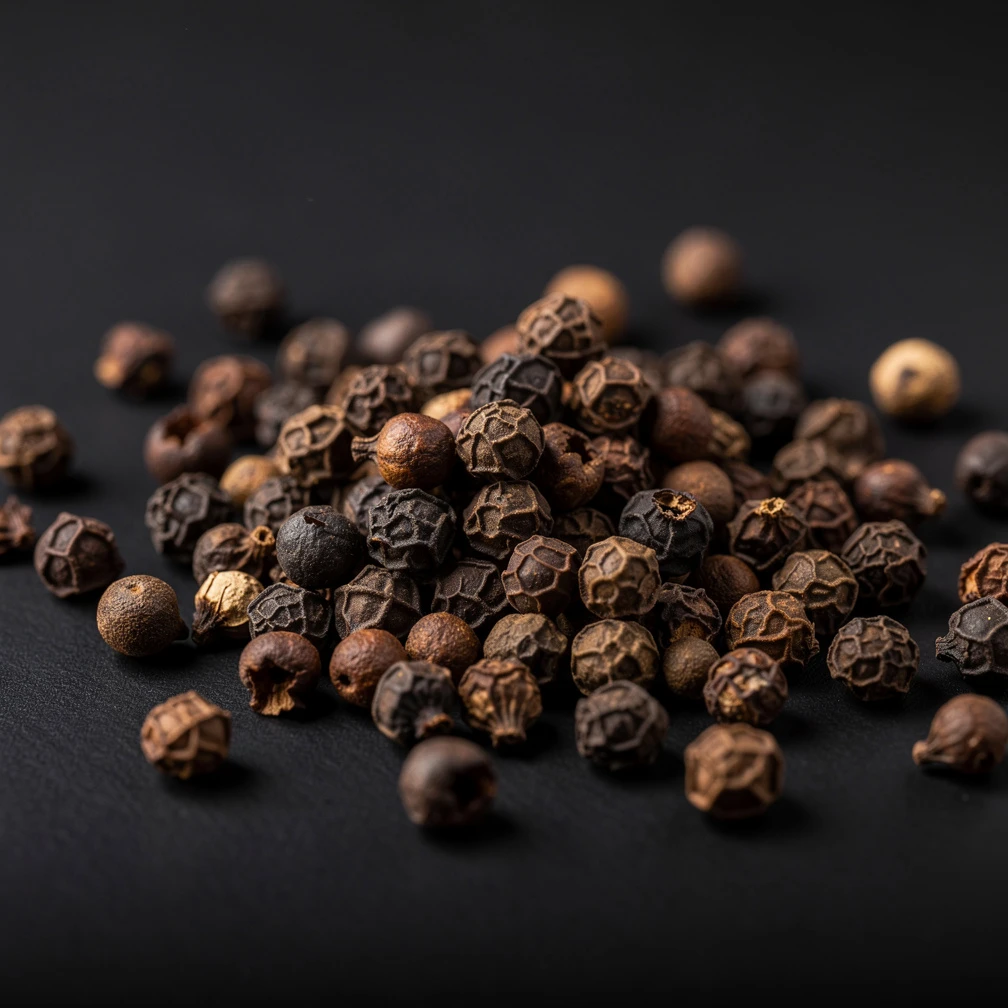
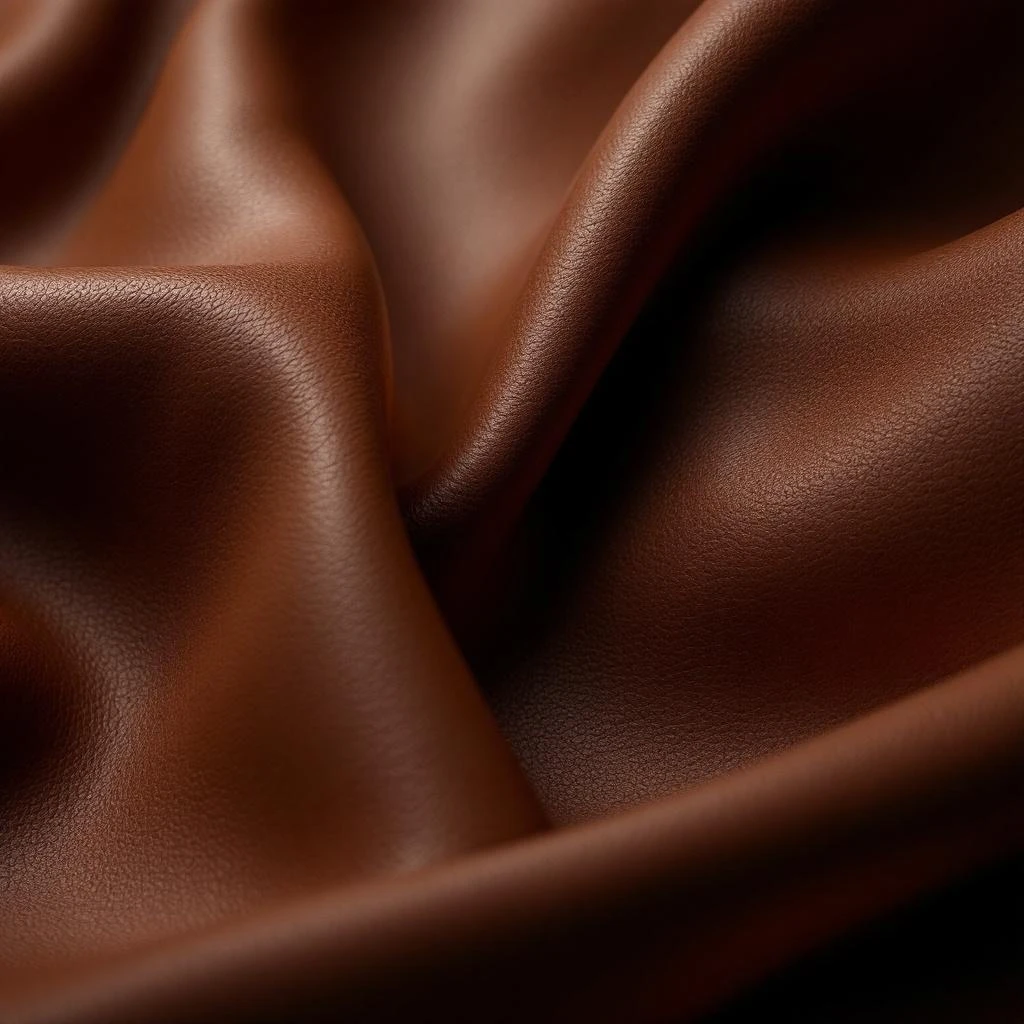
Vetiver Orpur® captures the deep, smoky earthiness of Chrysopogon zizanioides roots. This golden-brown essential oil grounds fragrances with smoky woods, raw cocoa, and leather-like warmth that few ingredients match.

Character
How it smells
The earthy anchor that holds fragrance memories in place.
A single kilogram of vetiver essential oil requires harvesting and steam-distilling approximately 50 kilograms of dried vetiver roots.






Origin
India
Vetiver's aromatic legacy stretches back to ancient Mesopotamia, where it was used during the Babylonian Empire between 1792 and 1750 BCE, though its applications then differed from modern perfumery. The botanical Chrysopogon zizanioides originated in India, where traditional medicine systems employed the roots for centuries before Western interest emerged. Vetiver made a relatively late entrance into European perfumery, only gaining prominence in the 19th century despite its ancient roots.
Reunion Island, then a French colonial territory, began cultivating vetiver around 1900 specifically for the perfume industry, recognizing that its volcanic soil and tropical climate produced exceptional essential oil quality. This Caribbean nation eventually became one of the world's leading producers, with Haitian vetiver oil earning international recognition for its rich, smoky character. Today, major producing regions include Haiti, Java, Réunion Island, Madagascar, and India, each contributing distinct aromatic nuances tied to their specific terroir.
Vetiver evolved from an obscure colonial commodity into an essential perfumery ingredient, prized for its fixative properties and complex olfactory profile that has anchored countless fragrance formulations for over a century.
Wears it best
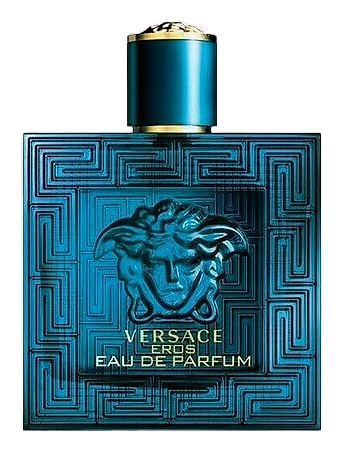
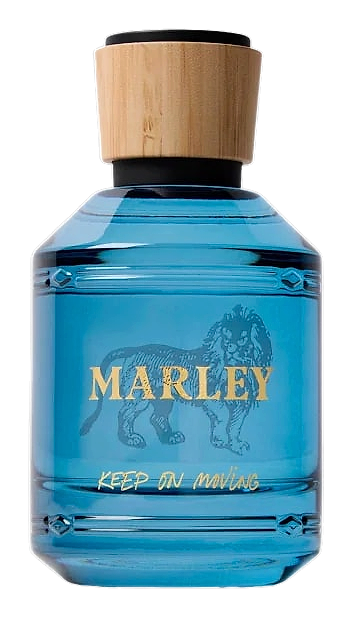
Fragrances featuring Vetiver Orpur
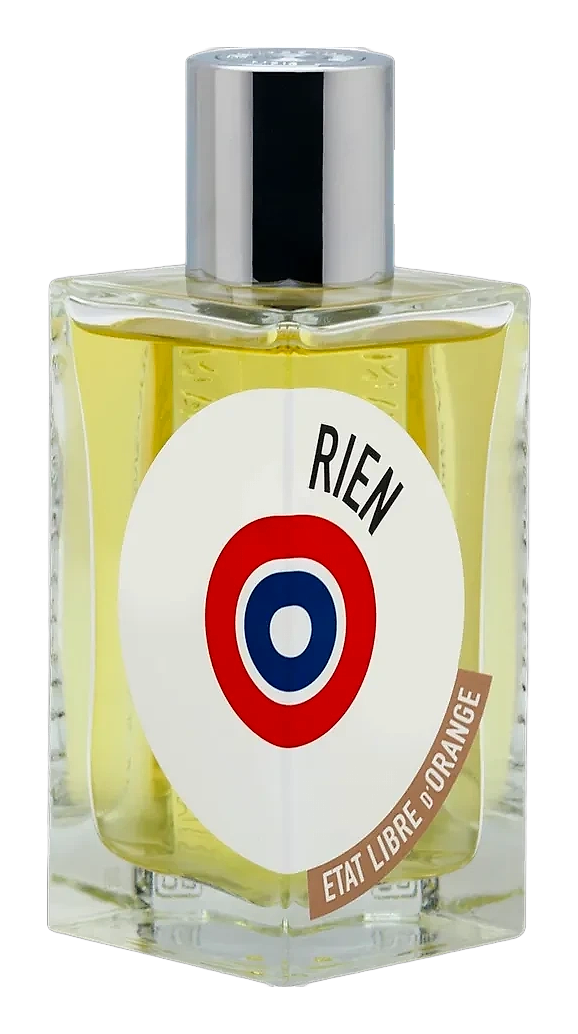
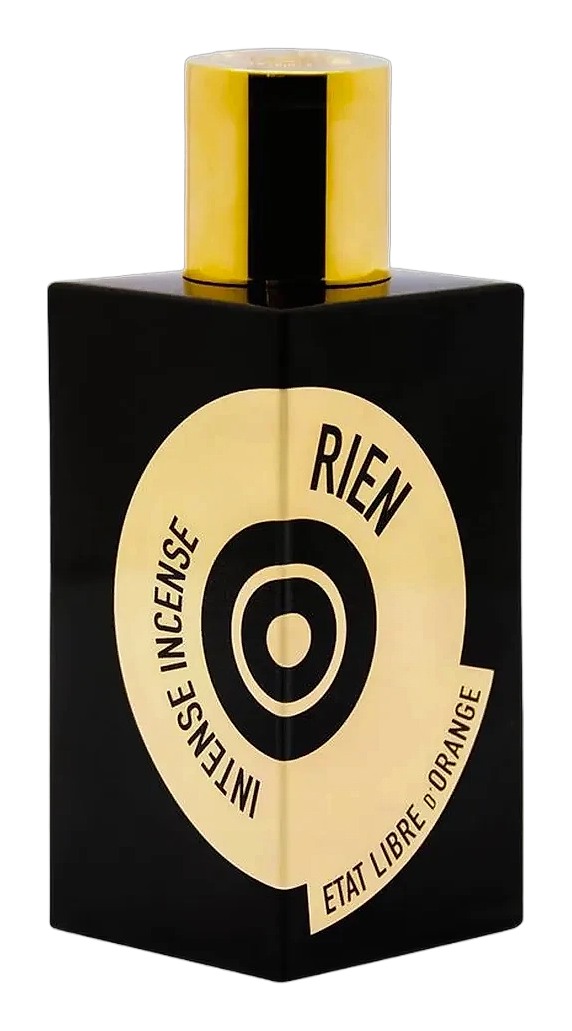
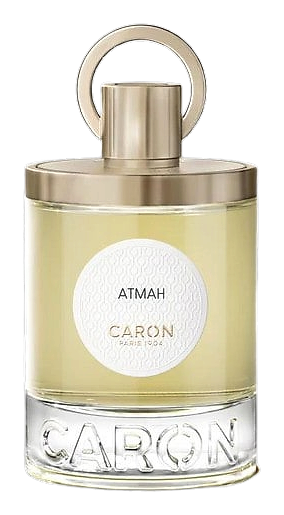
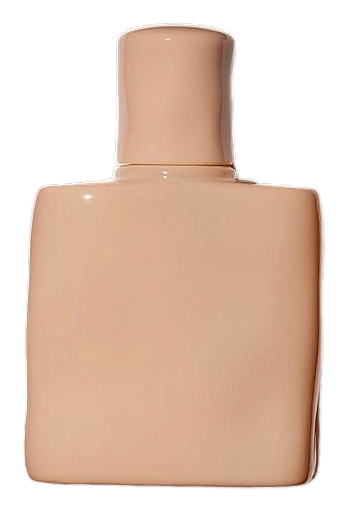
Brands
Brands known for Vetiver Orpur
Good to know
Questions, answered
The essentials on Vetiver Orpur in perfumery: how it smells, where it comes from, and how it behaves on skin.
What does Vetiver Orpur® smell like?
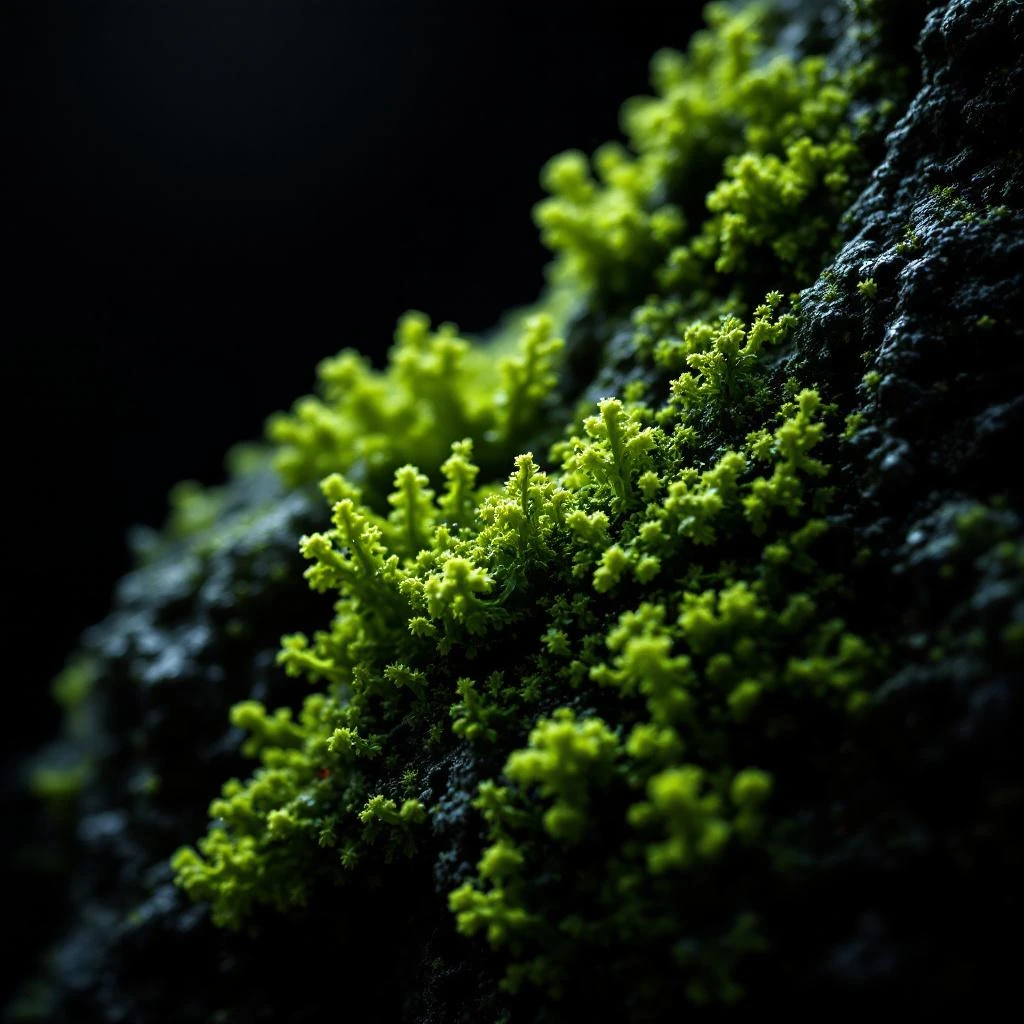
Vetiver Orpur® presents a complex aromatic profile combining earthy, smoky, and woody notes with hints of raw cocoa, leather, and dried herbs. The Orpur quality standard ensures exceptional depth and warmth, with a persistent finish that develops gracefully over hours on skin.
Why is vetiver considered a foundation note in perfumery?
Vetiver excels as a fixative because its heavy molecular structure slows the evaporation of lighter, more volatile top notes. This anchoring property makes it indispensable for extending fragrance longevity, often maintaining perceptible scent for 12 hours or longer on fabric.
How is vetiver different from other woody notes like patchouli or cedar?
Unlike patchouli's sweet, slightly fruity earthiness or cedar's clean, dry wood character, vetiver offers a smokier, more mineral-rich profile. Its complexity includes leather-like facets and a distinctive moist earth quality that reads as both warm and slightly cool simultaneously.
What does Orpur® designation mean for this vetiver?
Orpur® translates to 'pure gold' and represents Givaudan's premium ingredient collection. The designation signifies rigorously sourced, consistently profiled vetiver meeting strict quality thresholds for aroma composition and sustainability standards in production.
Can vetiver allergies occur with Orpur® ingredients?
Documented vetiver allergies exist but remain uncommon. The Orpur quality standard includes allergen screening and transparency requirements, though individuals with fragrance sensitivities should perform patch testing before wearing products containing vetiver derivatives.
How does vetiver's geographic origin affect its scent?
Haitian vetiver tends toward smoky, leathery depth; Bourbon Réunion offers brighter, more citrus-inflected earthiness; Javanese varieties present intensely woody, slightly bitter character. Climate, soil composition, and cultivation practices all shape each region's distinctive aromatic signature.
Is vetiver sustainably produced?
Sustainable vetiver cultivation benefits from the plant's deep root system, which actually prevents soil erosion and improves soil health. Certification programs and direct-trade relationships with farming communities, particularly in Haiti and Réunion Island, increasingly ensure ethical sourcing.
What makes vetiver essential oil so viscous compared to other aromatics?
Vetiver oil contains unusually heavy sesquiterpene molecules that contribute to its exceptional density and slow evaporation rate. This molecular weight, ranging between 150-200 compounds including vetiveryl acetate, explains both its viscosity and remarkable staying power.