Bergamot Orpur®
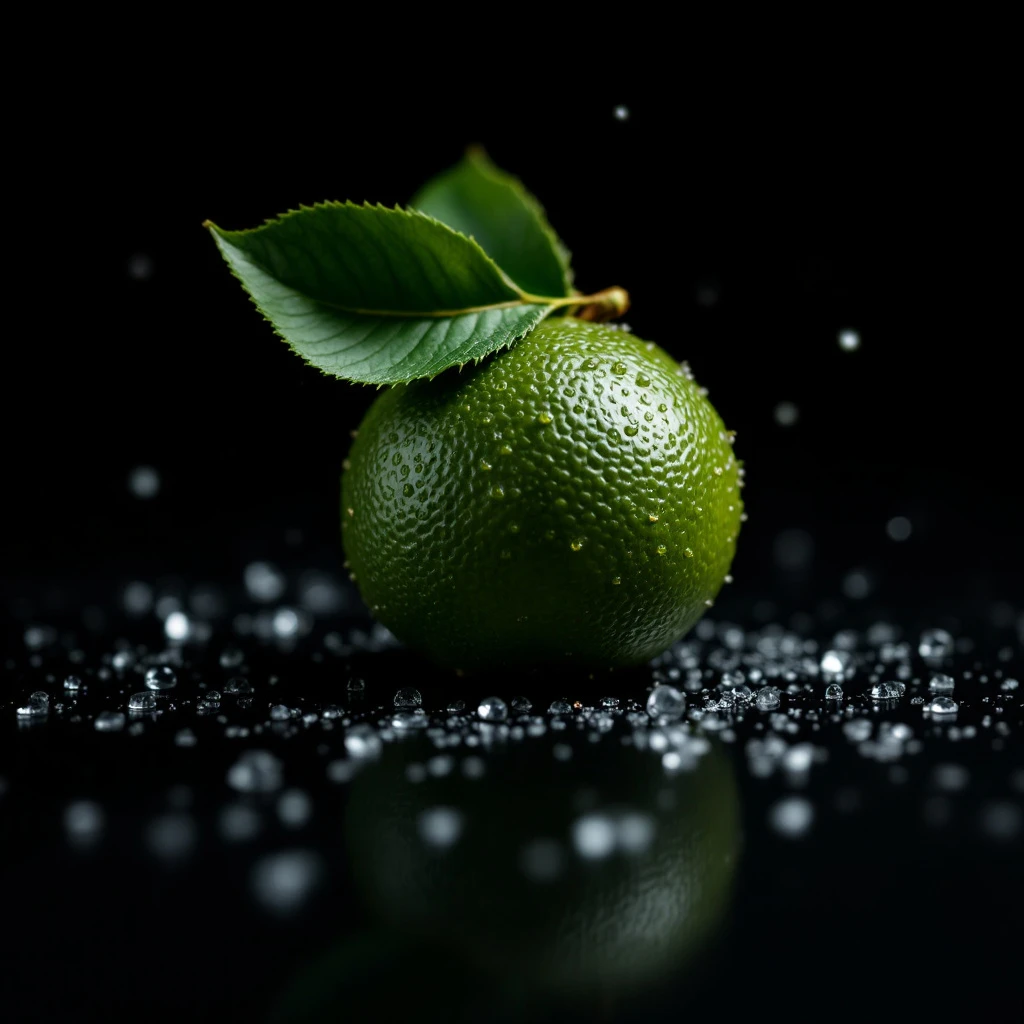
Bergamot Orpur® captures the sun-drenched citrus groves of Calabria. Cold-pressed from the fruit's peel, this Italian treasure delivers a bright, multifaceted aroma balancing fresh floral sweetness with a softly peppery sparkle.
Character
How it smells
The golden citrus of Calabria.
Bergamot is technically a hybrid between a bitter orange and a lemon, created by centuries of cultivation in southern Italy.







Origin
Italy
The bergamot's journey from the Canary Islands to the Calabrian coast remains partially obscure, but the fruit was firmly established along the Ionian coastline by the 18th century. The name likely derives from the Italian word for pear, bergamotto, referencing the fruit's rounded shape, though folk etymology connects it to the city of Bergama in modern Turkey.
Calabria's bergamot industry grew steadily through the 19th century, and by the 1830s the fruit had crossed into British culture through an unexpected channel: Earl Grey tea. The second Earl Grey, then British Prime Minister, reportedly received bergamot-scented tea as a diplomatic gift from an Italian trader. The combination proved irresistible to British palates and launched a global phenomenon.
Yet bergamot had already been a perfumery material long before tea became its most famous vehicle. Italian perfumers recognized its extraordinary complexity—a citrus fruit with a floral depth and a gentle spice that no other hesperidic note could match. The same constituents responsible for bergamot's lavender-like quality, linalyl acetate and linalool, made it a natural foundation for Eau de Cologne when that style exploded across European perfumery in the 18th and 19th centuries. Today, Givaudan's Orpur® designation marks this ingredient as part of their premium collection of traceable, high-quality natural materials, honoring a legacy that began in those Calabrian groves.
Wears it best
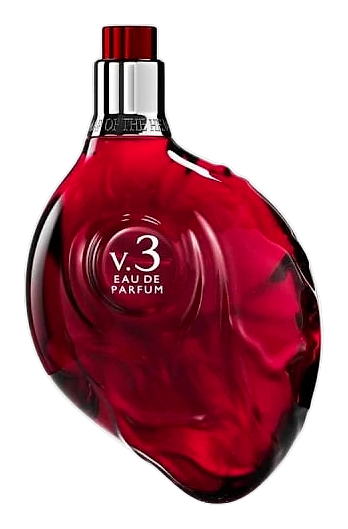
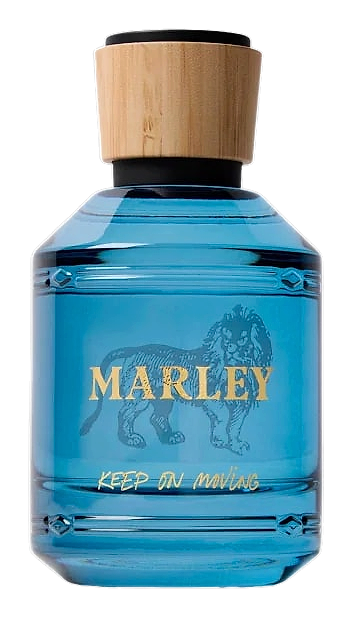
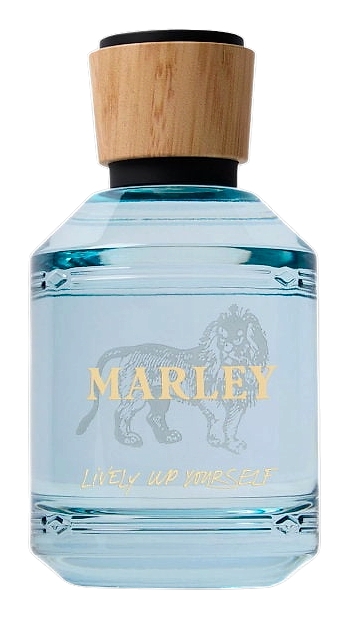
Fragrances featuring Bergamot Orpur®
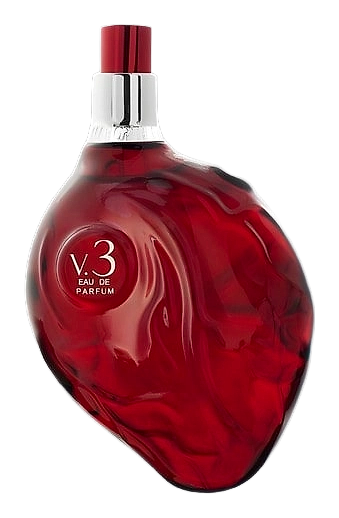
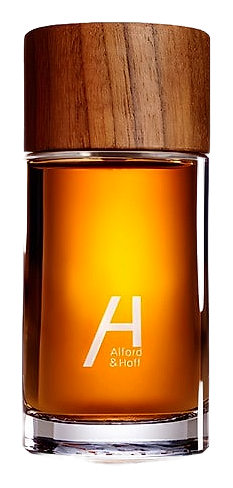
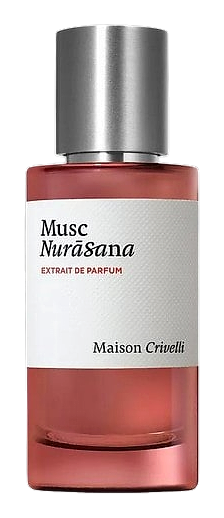
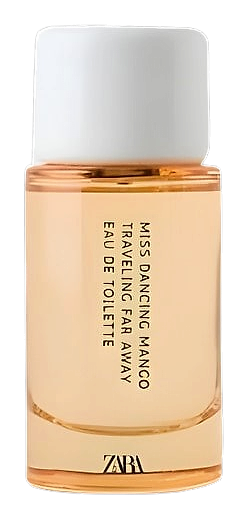

Brands
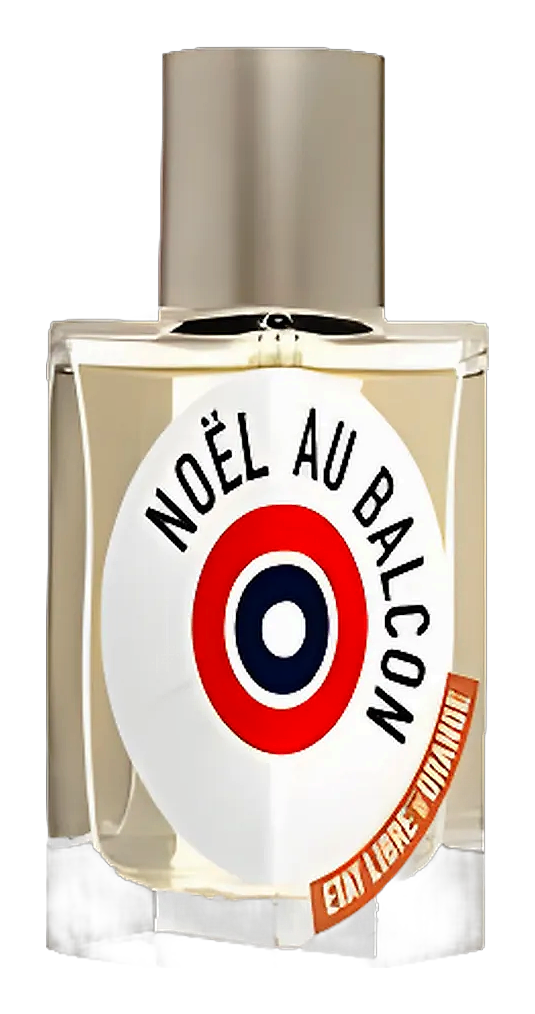
Brands known for Bergamot Orpur®
Good to know
Questions, answered
The essentials on Bergamot Orpur® in perfumery: how it smells, where it comes from, and how it behaves on skin.
What does Bergamot Orpur® smell like?
Bergamot Orpur® opens with crisp, sparkling citrus that feels brighter than lemon or grapefruit. Beneath the zest, a soft lavender-like floral quality emerges, balanced by a subtle peppery warmth. No other citrus note carries this level of complexity in its natural state.
Where does bergamot for Orpur® come from?
Bergamot Orpur® is sourced exclusively from Calabria, Italy. The fruit grows along a narrow strip of Ionian coastline where the microclimate produces a unique aromatic profile that cannot be replicated elsewhere. Calabria accounts for nearly all global bergamot production.
How is bergamot oil extracted?
Bergamot oil is extracted using cold-pressing. The fruit's peel is mechanically pressed without heat, capturing the full range of volatile aromatic compounds. This process preserves the oil's natural complexity and avoids the degradation that heat can cause.
What makes Orpur® bergamot different from standard bergamot?
Orpur® is Givaudan's premium designation for natural ingredients meeting strict quality criteria. Bergamot Orpur® is traceable to specific farms, subject to rigorous quality control, and selected for its superior aromatic profile compared to commodity-grade material.
Is bergamot used in top, heart, or base notes?
Bergamot is primarily a top note, creating the first impression of a fragrance. Its brightness and volatility mean it fades within the first 30 minutes on skin, though perfumers sometimes use it to introduce sparkle into the heart of a composition as well.
Why is bergamot so important in perfumery?
Bergamot is one of the most versatile citrus materials available. Its fresh, clean opening pairs easily with florals, woods, and oriental bases, and its naturally occurring linalyl acetate lends a soft herbal character that bridges citrus and floral accords.
Does bergamot appear in Earl Grey tea?
Yes. The aromatic compound in Earl Grey tea is bergamot oil, derived from Citrus Bergamia. The flavoring is achieved by adding bergamot oil to black tea during processing, not by using the actual fruit.
Can bergamot cause photosensitivity in skincare?
Unlike other citrus oils, bergamot oil sold for perfumery is typically bergamot essential oil, which may contain furanocoumarins associated with phototoxicity. However, many modern fragrance materials use bergamot that has been stripped of these compounds for safety.