
The Story
Why it exists.
The beginning
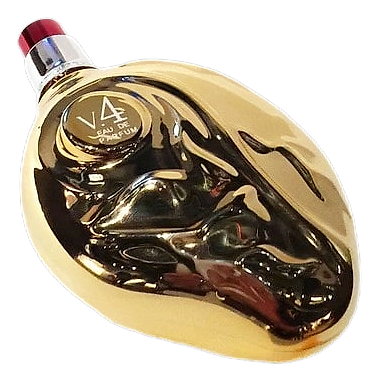
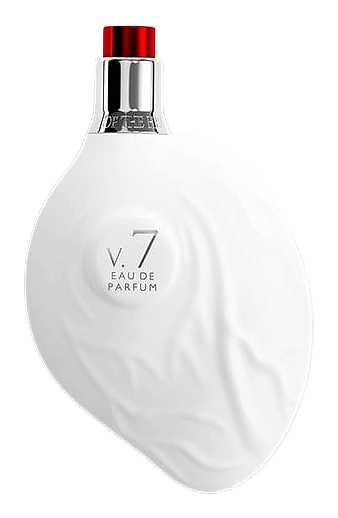
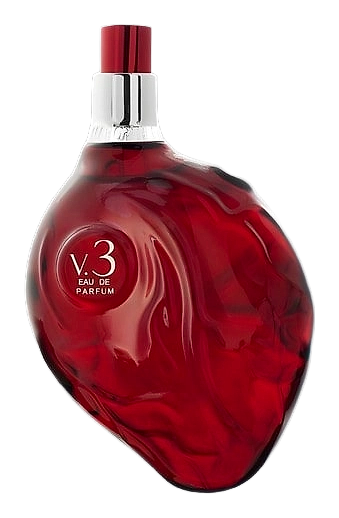
Red Heart V.3 centers on guava, that tropical fruit with its distinctive blend of pineapple, strawberry, and exotic sweetness. The composition takes an unconventional approach by positioning this tropical fruit at its heart rather than using it for background sweetness. Bright citrus and pink pepper create an immediate sparkle, while the guava anchors the structure, supporting the spice pyramid and warm base that follow. This bold placement of an atypical fruit note defines the fragrance's character and sets it apart from more conventional fruity compositions.
The note pyramid creates its effect through the way guava bridges the gap between opening and drydown without relying on the usual sweet florals. Bergamot and pink pepper provide initial sparkle; Brazilian guava adds tropical weight that shifts the energy from refreshing to sensual. Frankincense enters with a resinous, smoky character that surprises against the sweetness. Cinnamon brings warmth, and the spices don't overwhelm; they frame the fruit. Tuberose maintains presence throughout, bold enough to assert itself above the musk, vanilla, and sandalwood that eventually take over.
The evolution
The first minutes belong to red apple and pink pepper, crisp, slightly electric, like biting into something cold from the fridge. Bergamot keeps it bright. Guava arrives and the energy shifts. This is where the fragrance decides what it wants to be: tropical and warm rather than sharp and refreshing. Frankincense follows, adding resinous smoke that surprises against all that sweetness. Tuberose arrives, creamy, heady, present. The spices cycle through: cinnamon first, then something deeper as the resinous notes settle. The base takes over with musk and vanilla creating warmth close to the skin, sandalwood and patchouli adding creaminess and earth. The drydown isn't dramatic, it's the exhale after something intense.
Cultural impact
Red Heart V.3 arrived as one of Map of the Heart's releases, a time when fruity-floral compositions dominated mass-market fragrance but niche perfumery was seeking new directions. The brand's decision to center guava as a structural note rather than background sweetness marked a departure from typical commercial fruity-floral formulas. The composition positioned the fragrance within a conversation about what tropical notes could accomplish beyond simple sweetness, using an ingredient that brought both recognizable fruit character and unexpected depth to the structure.