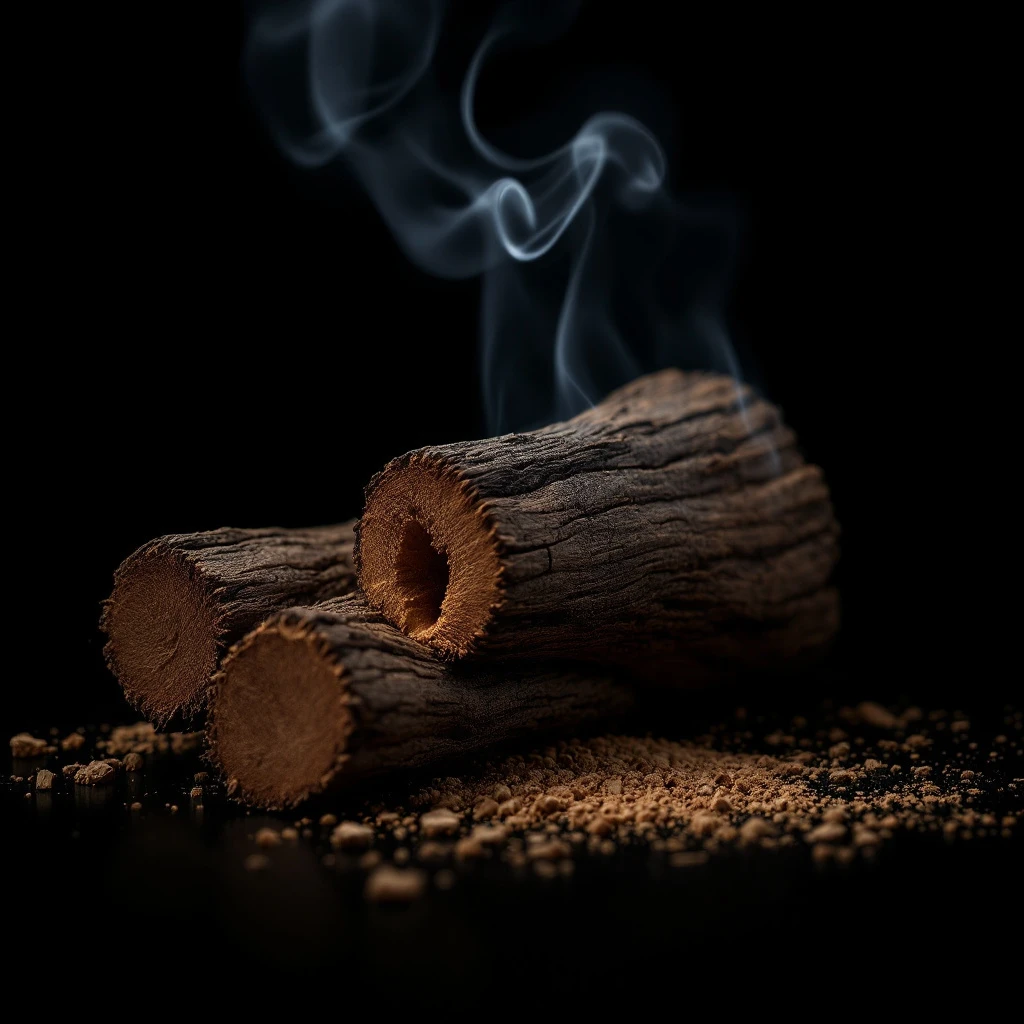
Pine Smoke
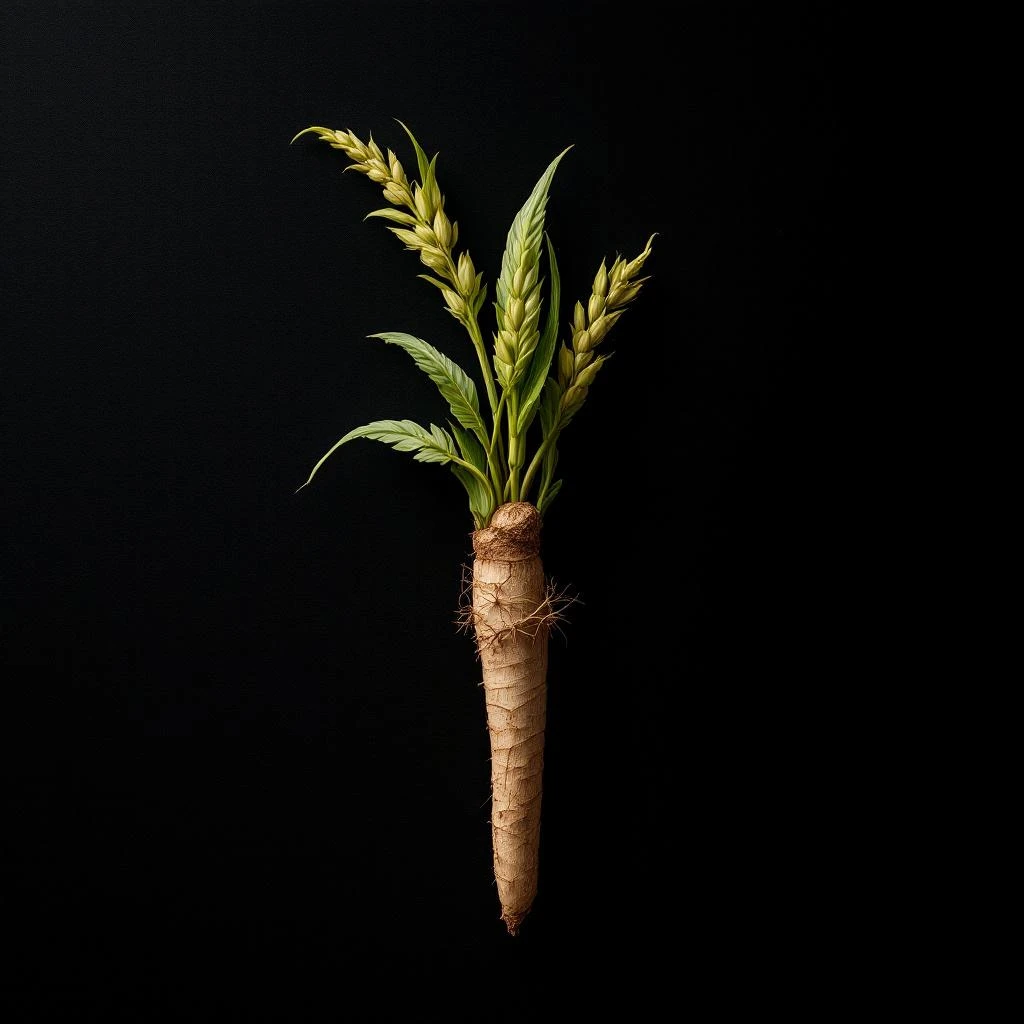
Pine Smoke brings the primal aroma of burning resinous wood into modern fragrance. Sharp, smoky, and deeply forest, it merges the clean bite of evergreen with the earthiness of smoldering timber, grounding compositions in something raw and elemental.
Character
How it smells
Ancient ritual, modern soul.
The word perfume derives from the Latin 'per fumum,' meaning 'through smoke' — connecting directly to burning resins like pine in ancient ritual.

Origin
Scandinavia
Pine resin appears in the earliest known perfumes. Analysis of 4000-year-old fragrance residues from Cyprus identified pine resin alongside lavender, rosemary, and coriander, making it one of perfumery's oldest ingredients. Ancient civilizations across Mesopotamia, Egypt, Greece, and Arabia burned pine resin as sacred incense, believing the rising smoke carried prayers to the divine.
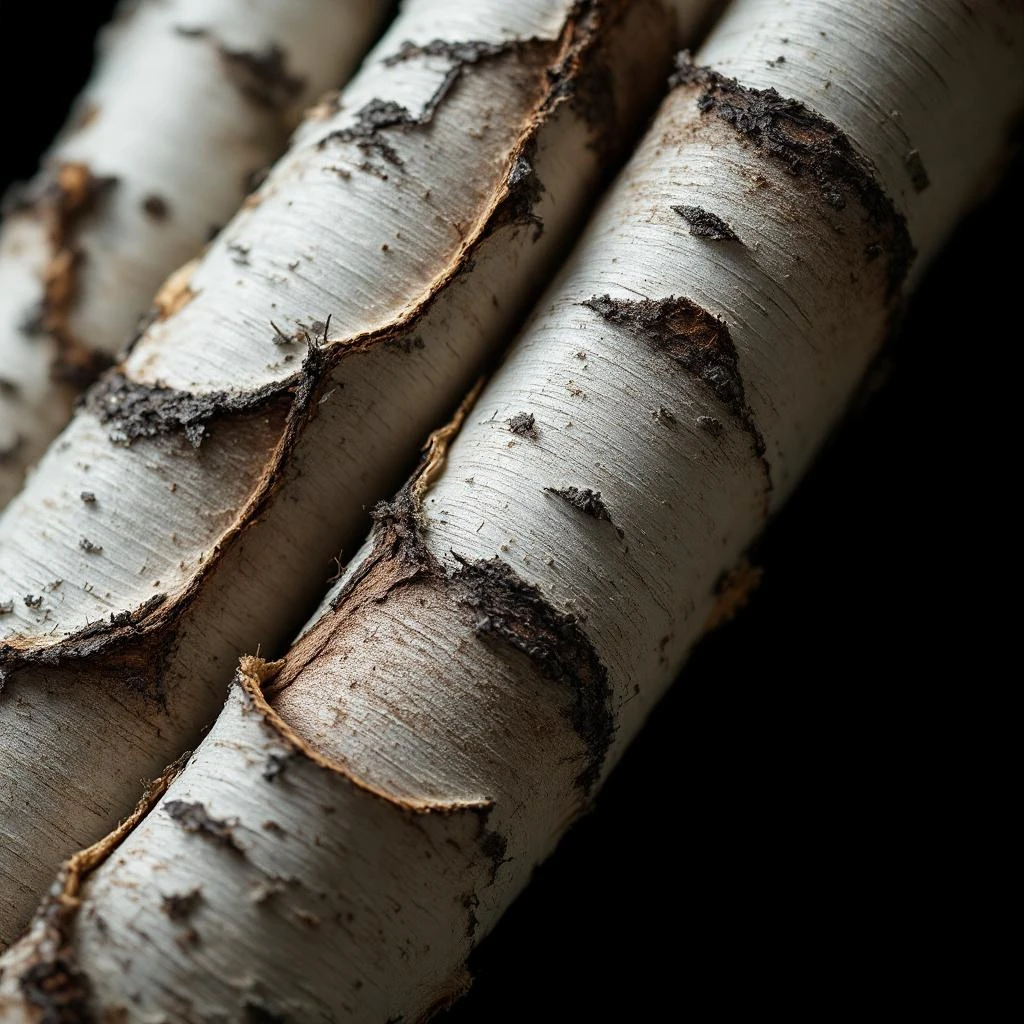
The Romans used pine pitch and resin in religious ceremonies and medicinal preparations. Nordic cultures developed their own smoke traditions, using pine and birch in sweat lodges and purification rituals. When Wilhelm Haarmann synthesized vanillin from pine bark compounds in 1874, it marked a turning point — industrial chemistry began extracting and reconstructing the secrets locked inside pine wood.
Today, Pine Smoke bridges these ancient practices with modern olfactory art, appearing in woody, leathery, and oriental compositions as a nod to fragrance's smoke-born origins.
Wears it best
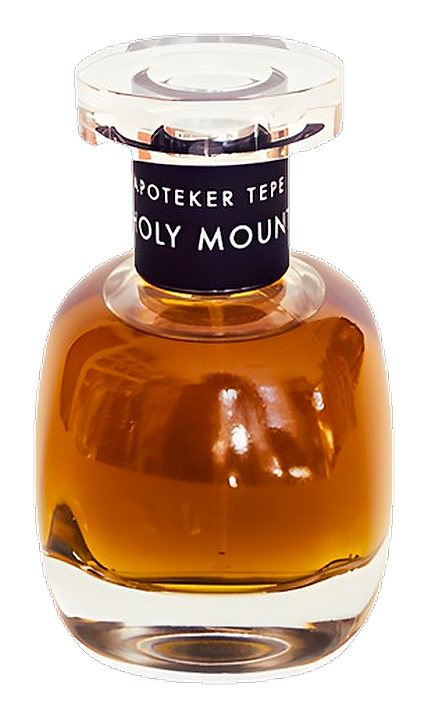
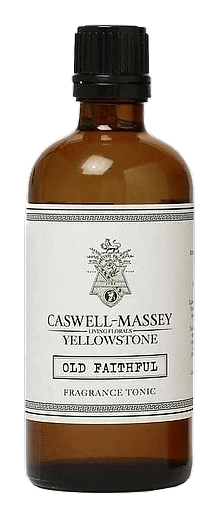
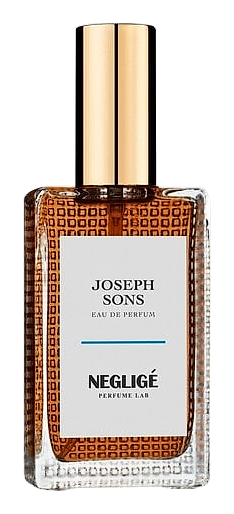
Fragrances featuring Pine Smoke
Brands
Brands known for Pine Smoke
Good to know
Questions, answered
The essentials on Pine Smoke in perfumery: how it smells, where it comes from, and how it behaves on skin.
What does Pine Smoke smell like in fragrance?
Pine Smoke delivers a sharp, resinous smoke with evergreen undertones. It reads as a forest campfire — smoky but with fresh, balsamic character that distinguishes it from darker smoke notes like birch tar.
How is Pine Smoke different from Birch Tar?
Pine Smoke retains fresh, resinous qualities from the evergreen source material, while Birch Tar delivers a darker, more medicinal creosote character. Pine versions tend toward cleaner smoke with coniferous undertones.
What fragrances pair well with Pine Smoke?
Pine Smoke works with leather, vetiver, cedar, incense, oud, and dark florals. It adds grounding depth to fresh citruses and provides an authentic smoky edge to oriental compositions.
Is Pine Smoke natural or synthetic?
Both natural and synthetic options exist. Natural Pine Smoke comes from destructively distilled pine material. Synthetic versions reconstruct smoky phenols like guaiacol for consistency and sustainability.
What role did pine smoke play in ancient perfumery?
Ancient cultures burned pine resin as incense in religious ceremonies across Greece, Rome, Persia, and Arabia. Pine resin appears in the 4000-year-old perfumes found in Cyprus, making it one of perfumery's oldest materials.
What compounds create the smoky smell in Pine Smoke?
Guaiacol and 4-methylguaiacol are primary contributors to Pine Smoke's character. These phenols form during pyrolysis of lignin in pine wood, creating the distinctive smoky, slightly sweet aroma.
Is Pine Smoke sustainable to produce?
Responsible producers source Pine Smoke as a by-product from forestry operations or use reclaimed pine materials. Synthetic versions offer a cruelty-free alternative without compromising natural forests.
Why does Pine Smoke connect to the word perfume itself?
Perfume derives from the Latin 'per fumum,' meaning 'through smoke.' This directly references ancient practices of burning aromatic materials — including pine resin — to release fragrance into the air.