Larkspur
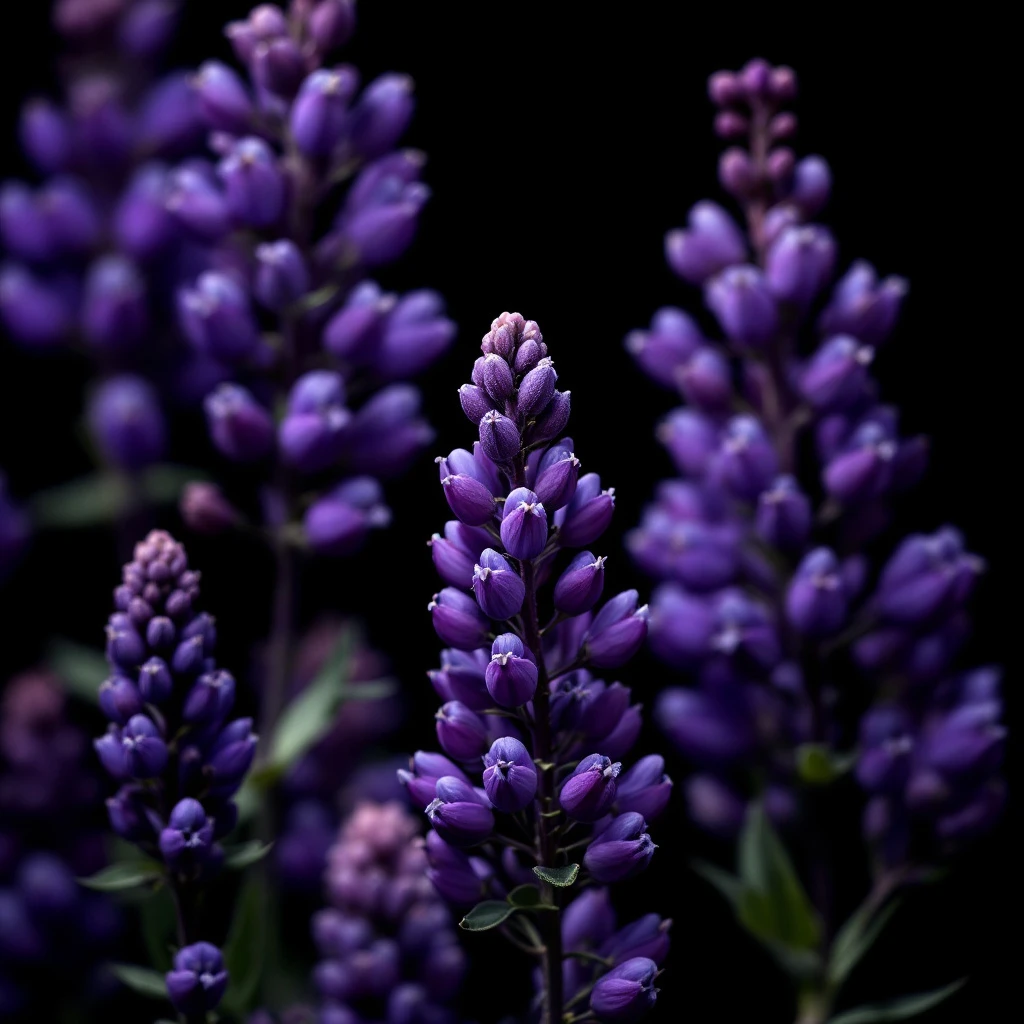
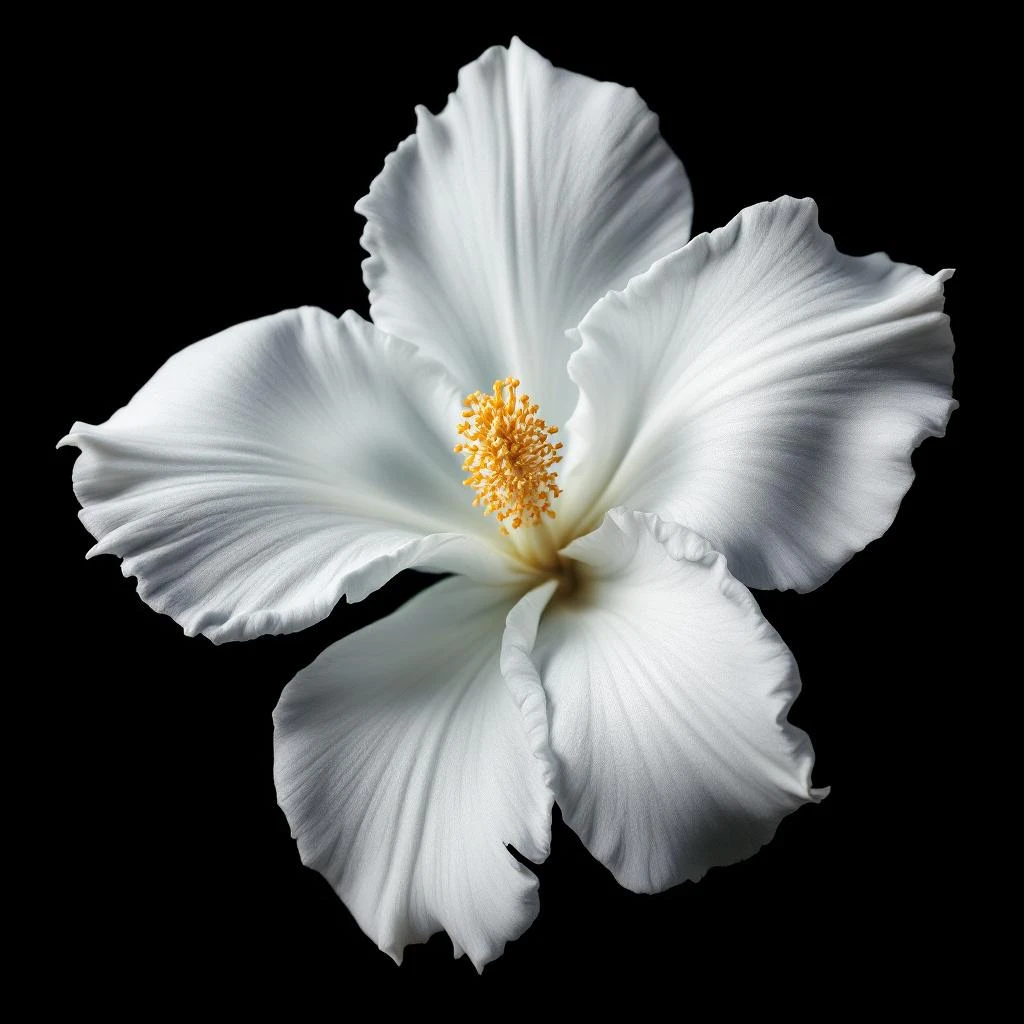
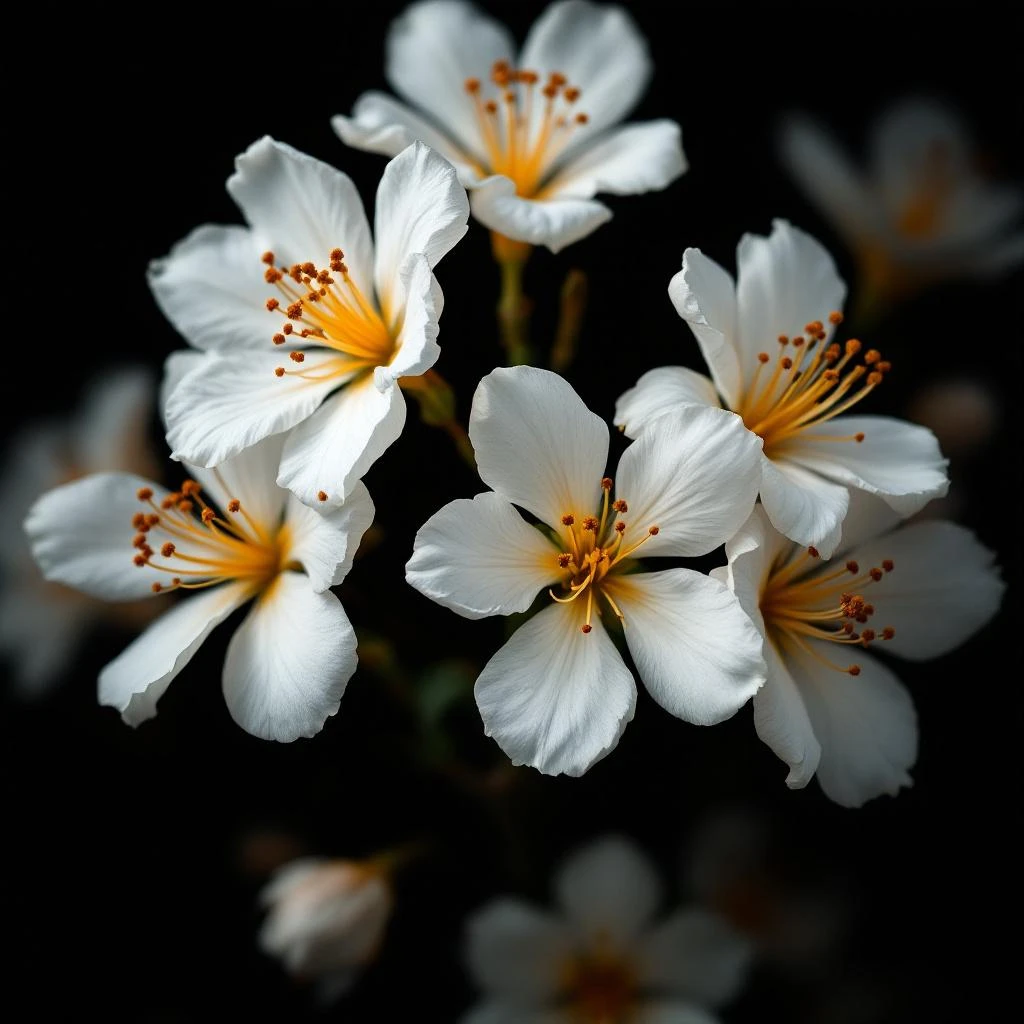
Larkspur brings the cool elegance of tall meadow spires to fragrance, capturing the fleeting beauty of wildflower fields in a single, poetic note.
Character
How it smells
Wild meadow elegance in a bottle.
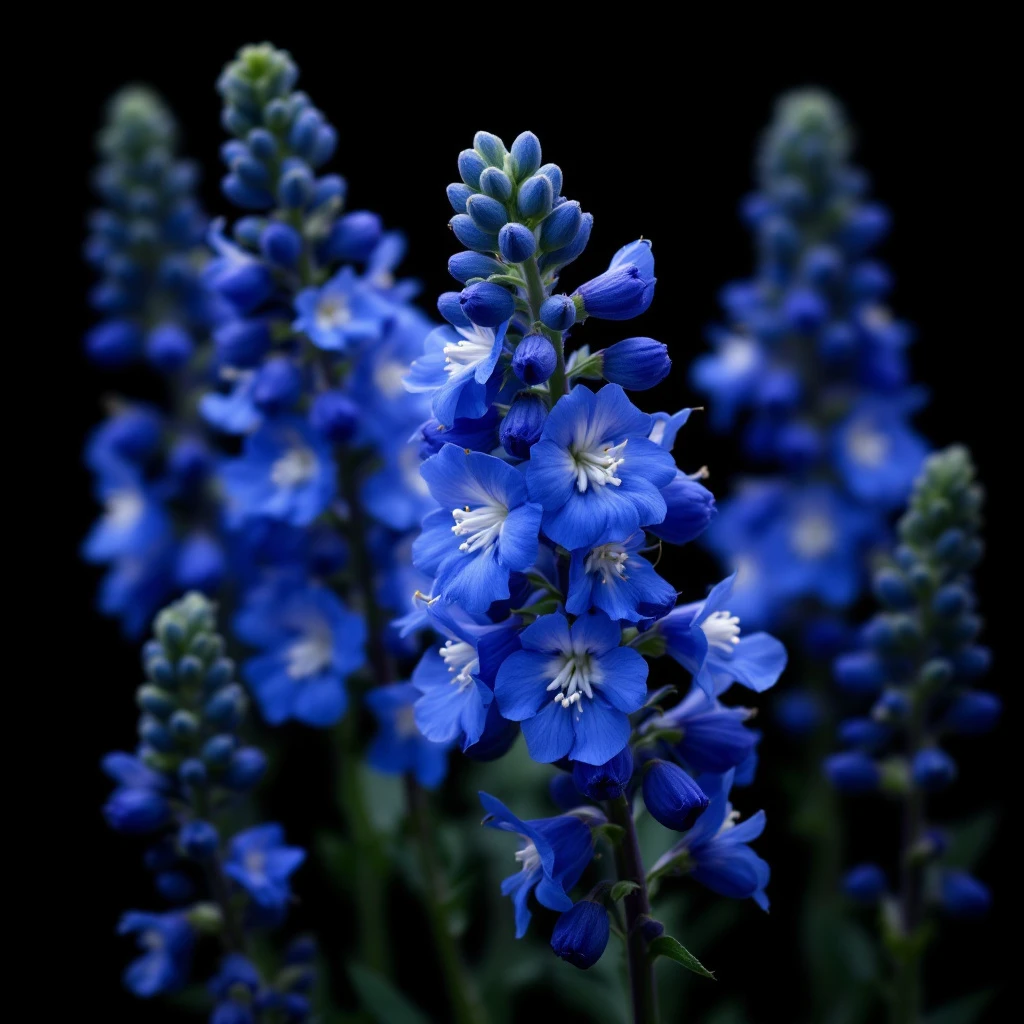
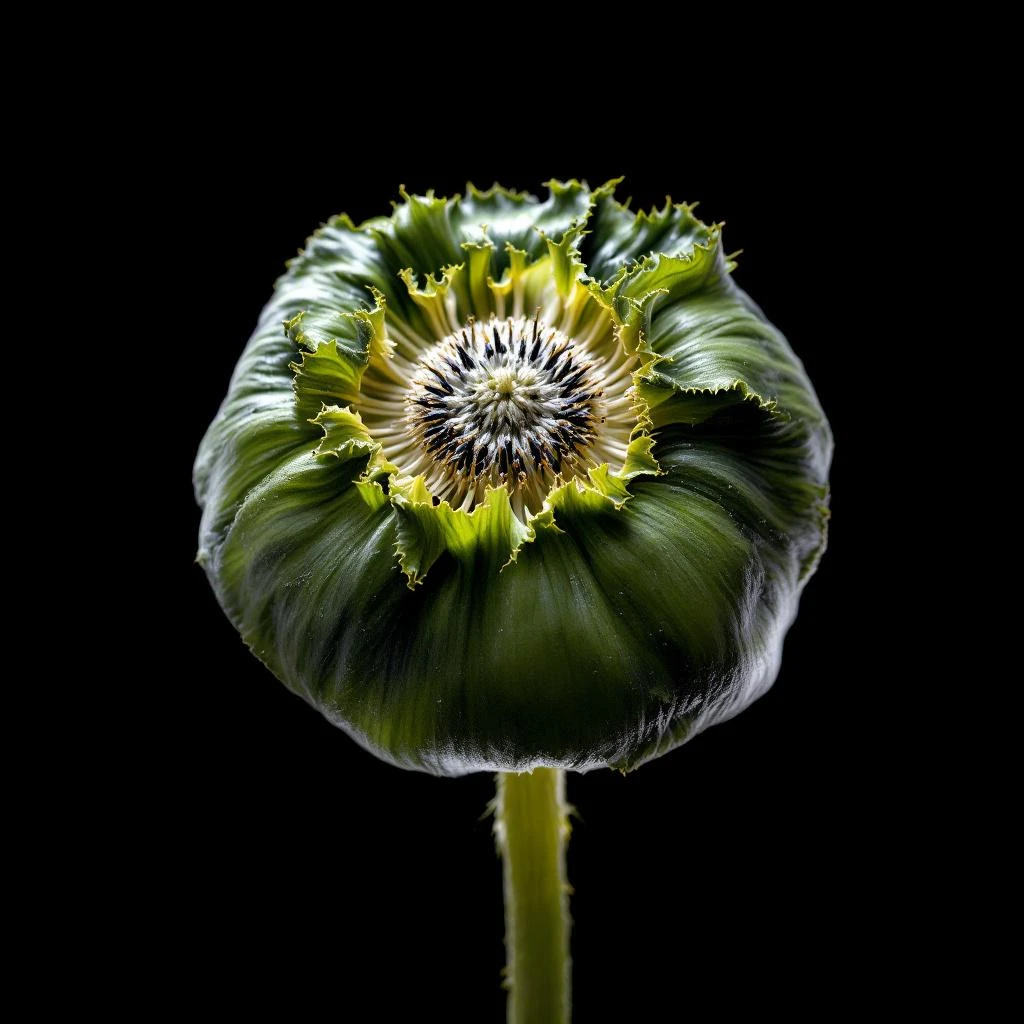
Delphiniums were named for their unopened buds, which resemble a dolphin's nose.

Origin
United Kingdom
The name larkspur derives from the distinctive spur-shaped extensions on each flower, which folk tradition associated with the claws of larks. Gardeners and botanists cultivated Delphinium species across Europe and North America beginning in the 18th century, developing the tall, densely-flowered varieties we recognize today. While ancient perfumers worked primarily with resins, woods, and readily extracted botanicals, the Romantic-era interest in capturing wildflower meadows eventually influenced perfumers to seek materials representing naturalistic beauty.
Larkspur entered the perfumer's vocabulary as both literal material and evocative accord, representing the untamed elegance of meadows and cottage gardens. The flower's brief blooming season and relative scarcity contributed to its mystique as a fragrance note of uncommon refinement.
Wears it best
Fragrances featuring Larkspur
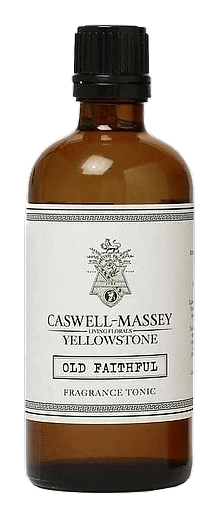
Brands
Brands known for Larkspur
Good to know
Questions, answered
The essentials on Larkspur in perfumery: how it smells, where it comes from, and how it behaves on skin.
What does larkspur smell like in perfume?
Larkspur accord typically reads as fresh, cool, and slightly green with delicate floral undertones reminiscent of hyacinth or violet leaf, capturing the visual coolness of blue and purple blooms.
Is larkspur a natural or synthetic fragrance ingredient?
Natural larkspur extraction remains uncommon; most fragrances use synthetic accords that faithfully recreate the fresh, green-floral character of these meadow spires.
What fragrances feature larkspur as a prominent note?
Larkspur appears in several floral and green fragrances, often positioned alongside notes like violet leaf, galbanum, and aquatic florals to amplify its cool, ethereal quality.
Are larkspur flowers used fresh in perfumery?
Fresh larkspur flowers are rarely used due to their delicate volatile compounds and short vase life; extraction focuses on preserving their subtle scent through careful processing.
What gives larkspur its characteristic blue color in gardens?
Delphinidin, an anthocyanin pigment found in the flowers, produces the striking blue to purple hues that make larkspur a garden favorite and visual inspiration for fragrances.
Does larkspur have any traditional aromatic uses?
Historically, larkspur was used in folk medicine and as a garden ornamental rather than for perfumery; its fragrance role developed primarily in the modern era.
How does larkspur compare to similar floral notes like lavender?
Larkspur is considerably more subtle than lavender, lacking its characteristic herbal intensity and instead offering a quieter, more ethereal floral-green impression.
Can larkspur cause skin reactions in perfume?
As with many floral materials, sensitivity testing is advisable; the plant contains alkaloids that warrant caution in concentrated fragrance applications.