Lupin
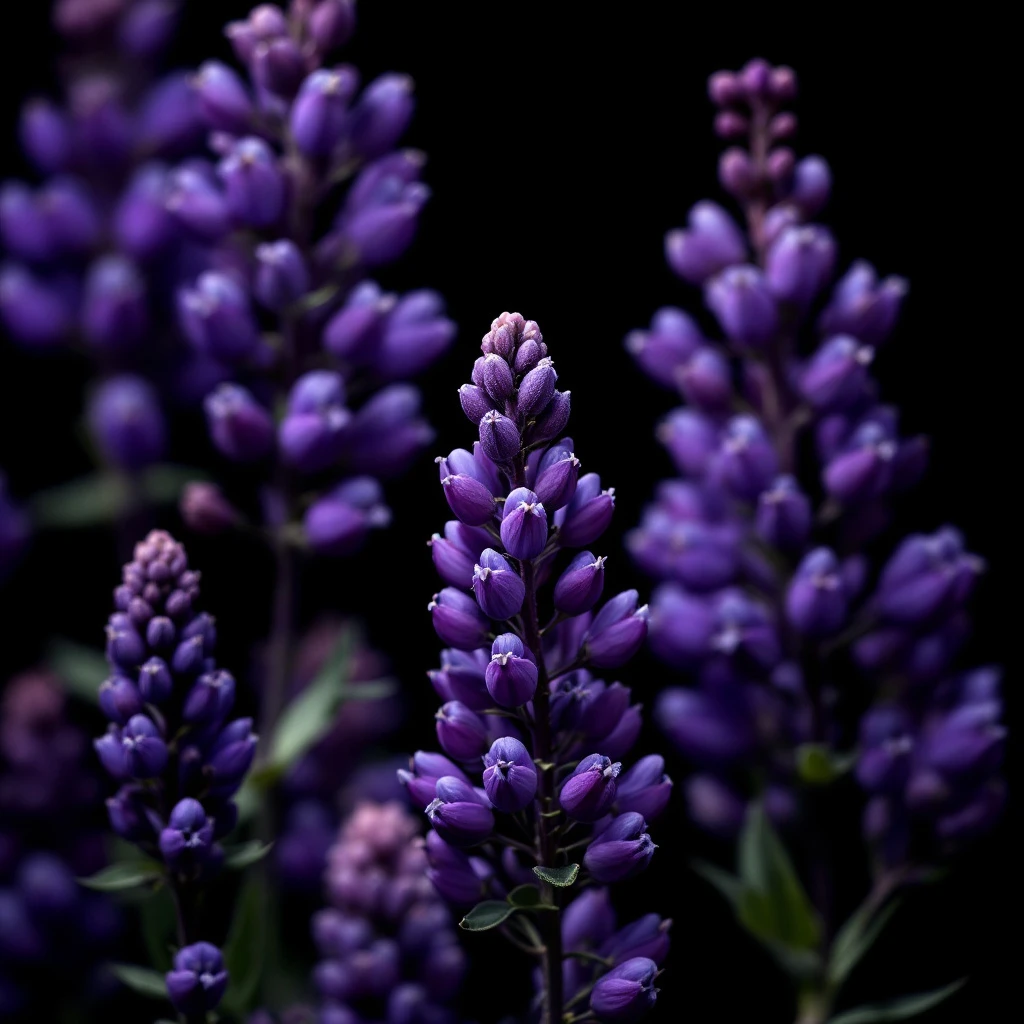
A subtle, often overlooked legume-derived ingredient, lupin brings a quiet complexity to fragrance compositions with its sweet, green, and faintly nutty character.
Character
How it smells
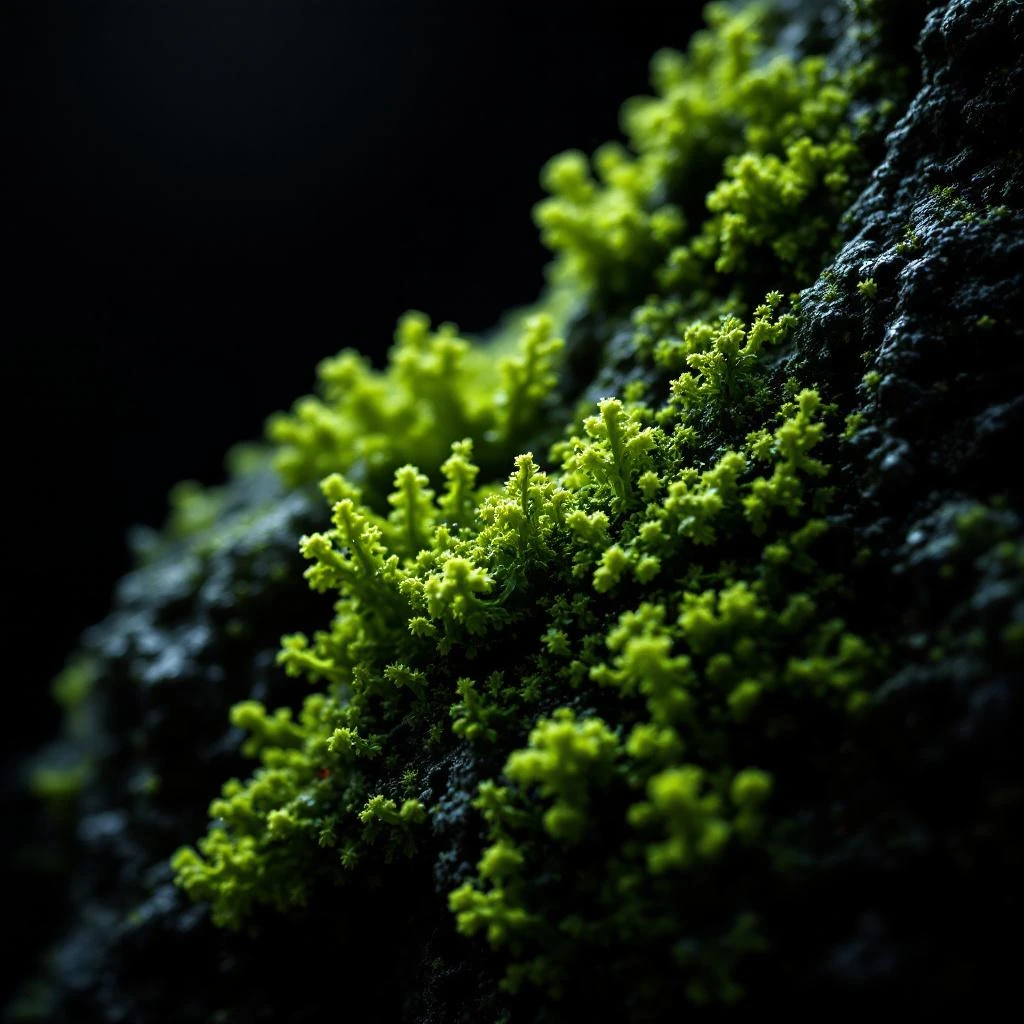
Sweet green depth from the legume family
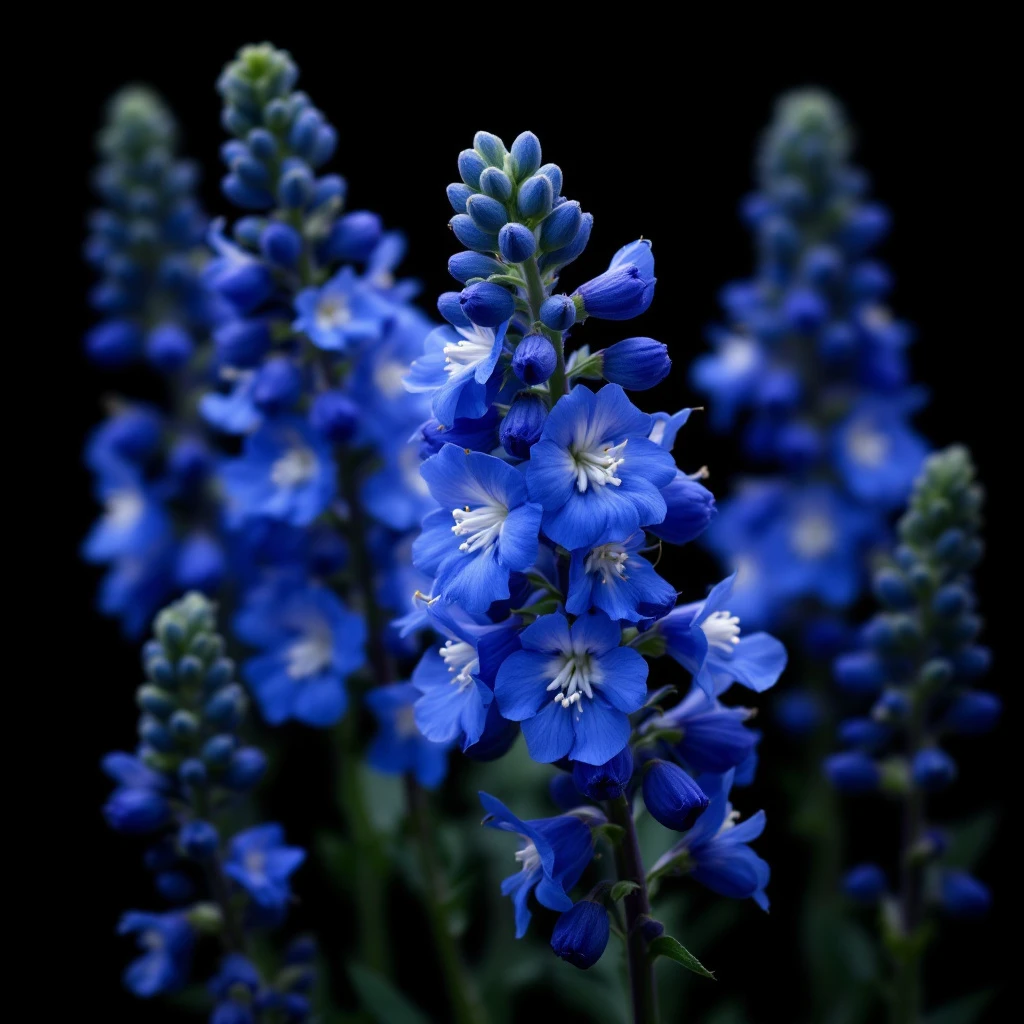
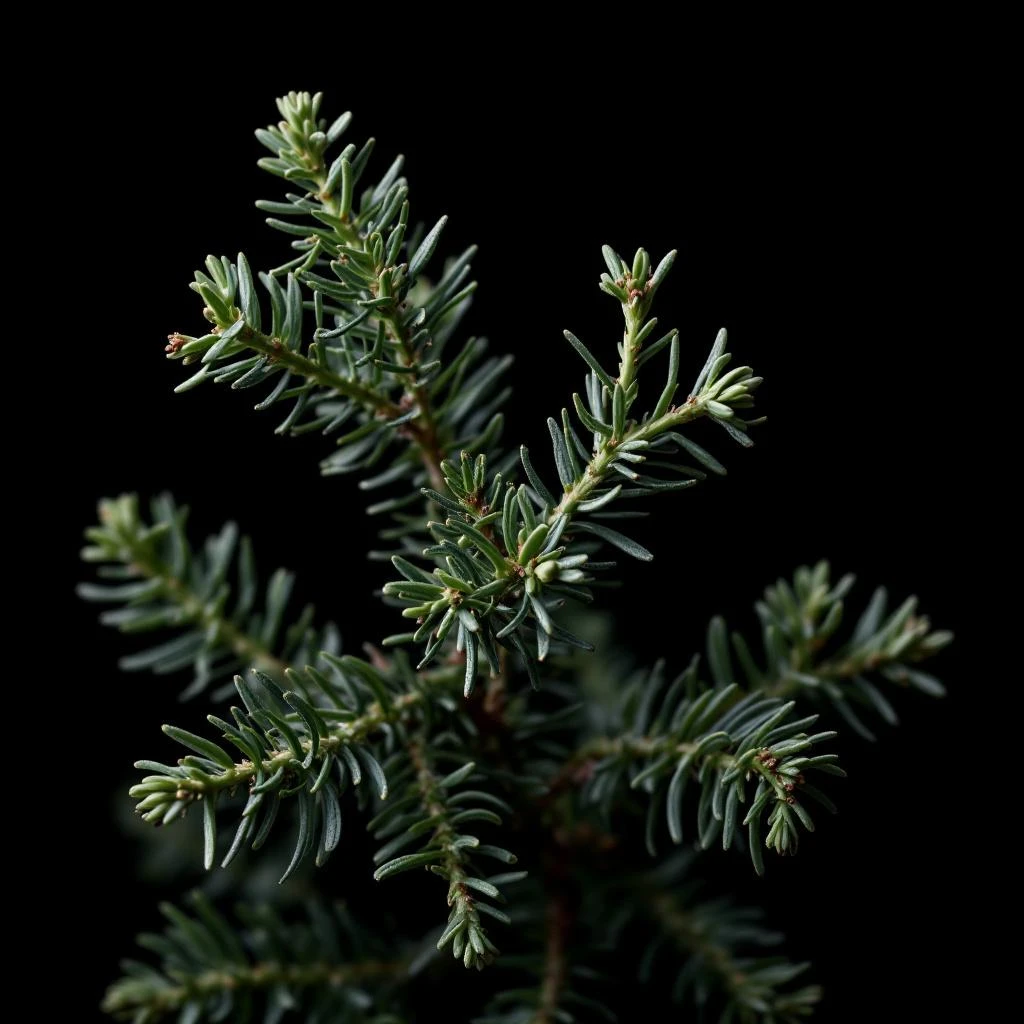
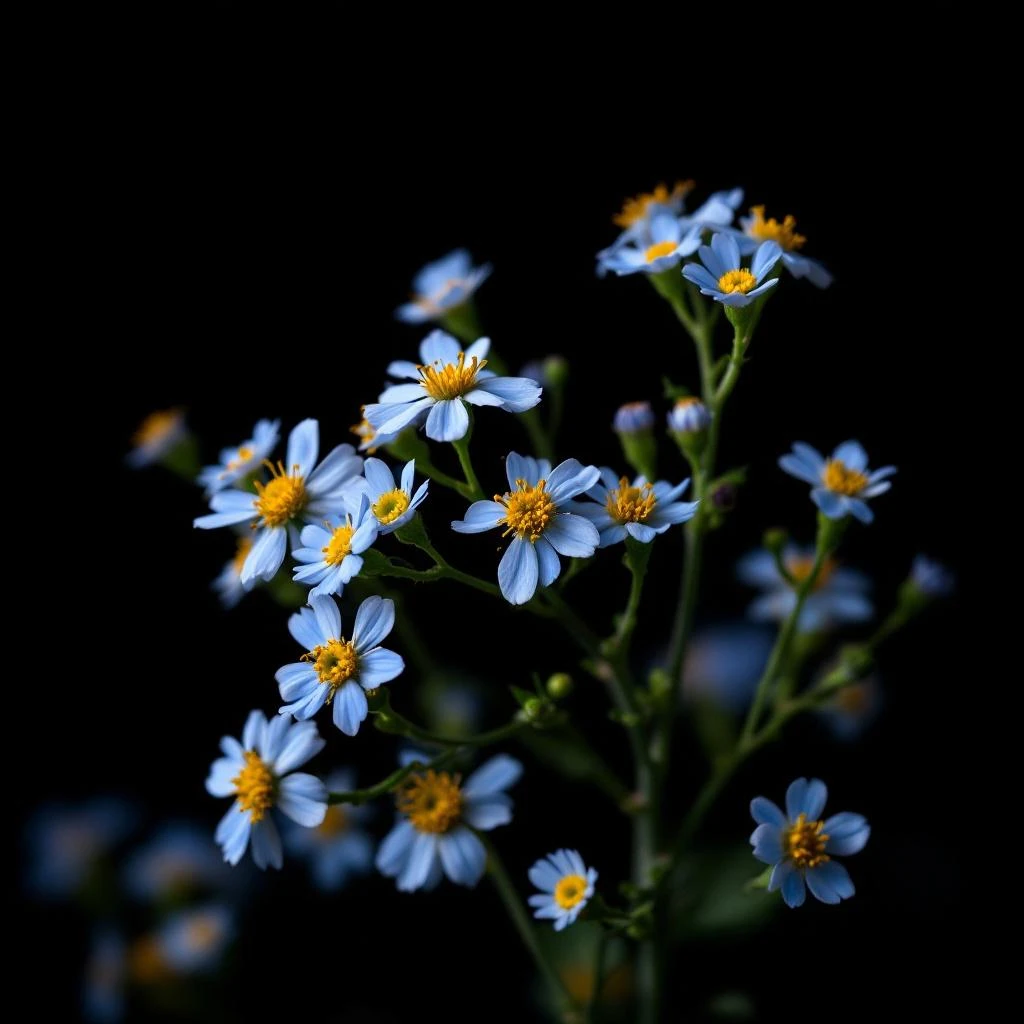
Lupin belongs to the Fabaceae family, sharing botanical roots with peas and beans harvested for millennia as staple foods.



Origin
Mediterranean Basin
Lupin accompanied Mediterranean civilizations for thousands of years as both food and medicine. Ancient Egyptians, Greeks, and Romans consumed lupin seeds as protein-rich staples.
The Romans called it "lupinus," believing the plant symbolized determination and loyalty. Indigenous peoples of the Americas separately cultivated lupin species as food crops.
Fragrance chemists began exploring lupin as a perfumery ingredient in the late twentieth century, seeking novel botanical materials that could add green, slightly sweet depth to compositions without triggering common allergens. Today, lupin absolute remains a specialty ingredient, used sparingly by perfumers seeking organic, plant-derived complexity.
Wears it best
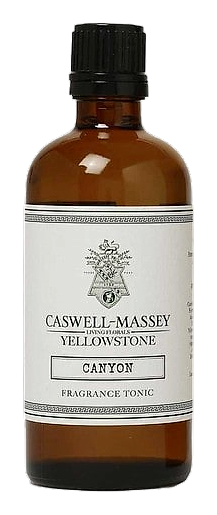
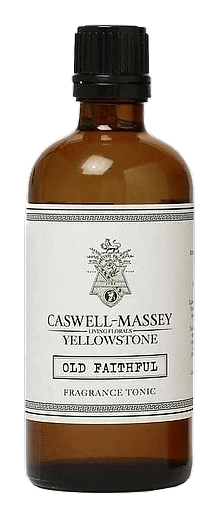
Fragrances featuring Lupin
Brands
Brands known for Lupin
Good to know
Questions, answered
The essentials on Lupin in perfumery: how it smells, where it comes from, and how it behaves on skin.
What does lupin smell like in perfume?
Lupin absolute has a sweet, green scent with faint nutty and leguminous qualities. It reads as a subtle, plant-like backdrop rather than a dominant note.
Is lupin a common fragrance ingredient?
No. Lupin appears infrequently in perfumery, primarily in niche or botanical-focused fragrances that emphasize natural, plant-derived materials.
Does lupin cause allergic reactions?
Lupin belongs to the legume family and shares proteins with peanuts. Manufacturers screen it for allergenicity before use in consumer products.
What extraction method produces lupin absolute?
Solvent extraction from ground lupin seeds yields the absolute. This method preserves delicate aromatic compounds that heat-based processes might damage.
Can lupin trigger cross-reactions with other legumes?
Yes. Individuals with peanut or soy allergies should exercise caution, as lupin belongs to the same botanical family and may provoke similar immune responses.
Is synthetic lupin available as a fragrance ingredient?
No. Chemists have not developed synthetic lupin aroma compounds. Perfumers rely solely on the natural absolute extracted from plant material.
What fragrances feature lupin as a named note?
Lupin appears in select botanical and natural perfume collections. Check individual fragrance listings for current availability and composition details.