Pine Nuts
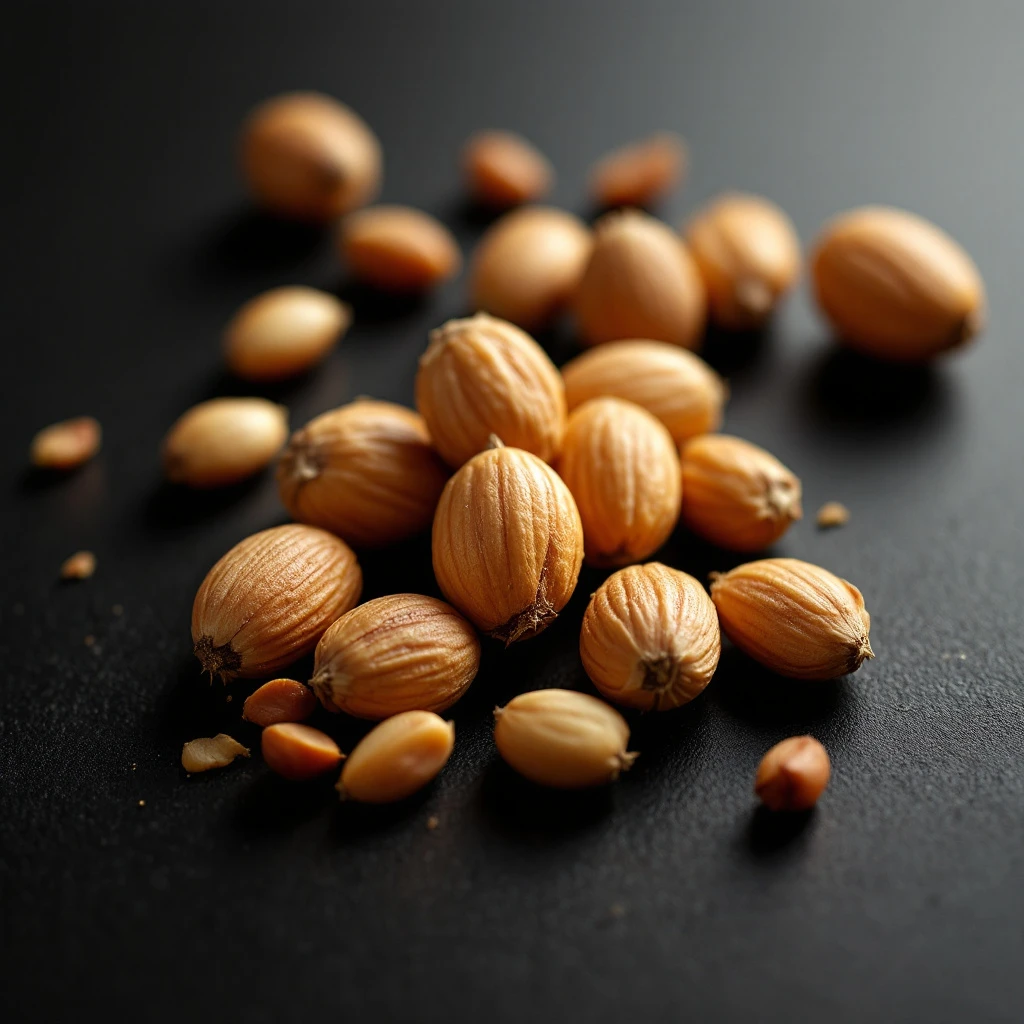
Pine nuts bring a warm, buttery facet to perfumery, adding creamy depth and subtle resinous sweetness that rounds out gourmand and oriental compositions.
Character
How it smells
Buttery warmth with a soft resinous hush
Pine nuts are technically seeds, not true nuts, harvested from inside the cones of specific pine species.





Origin
Italy
Pine nuts have fed and flavored people for over 10,000 years. Archaeological evidence from Neolithic sites across the Levant and Anatolia shows that Stone Age communities harvested pine seeds as a calorie-dense staple long before agriculture arrived. In ancient Rome, the prized kernels of Pinus pinea, the Mediterranean stone pine, were called 'pinolia' and used in sauces, breads, and preserved dishes served at imperial banquets.
The nuts moved along Silk Road trade routes connecting Mediterranean ports to Central Asia, where species like Pinus sibirica and Pinus koraiensis became regional delicacies. In perfumery, pine nuts entered through flavor work before fragrance. Their warm, buttery profile attracted flavorists crafting confectionery and dairy notes, and perfumers later borrowed these molecules to build gourmand and oriental bases.
Today, pine nut character is more often reconstructed from individual aroma compounds than extracted directly from the seed itself.
Wears it best
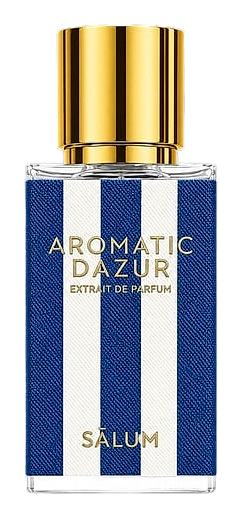
Fragrances featuring Pine Nuts
Brands
Brands known for Pine Nuts
Good to know
Questions, answered
The essentials on Pine Nuts in perfumery: how it smells, where it comes from, and how it behaves on skin.
What does pine nut smell like in perfume?
Pine nut contributes a warm, buttery, slightly creamy aroma with soft resinous undertones. It functions as a base modifier, lending richness to gourmand and oriental fragrances without the sharp green character of pine needles.
Are pine nuts actually nuts?
Pine nuts are technically edible seeds harvested from within the cones of certain pine species. The Mediterranean stone pine (Pinus pinea) and the Siberian cedar pine (Pinus sibirica) are among the most commercially significant sources.
How is pine nut fragrance material extracted?
Pine nut aroma compounds are typically captured through solvent extraction of the shelled kernels, which contain roughly 45-60% oil. Because the seeds oxidize quickly after cracking, processing happens shortly after harvest.
What types of fragrances use pine nut notes?
Gourmand and oriental compositions feature pine nut most often, where its creamy warmth supports caramel, vanilla, and resinous base notes. It also appears in modern woody fragrances seeking a soft, edible quality.
Where do most pine nuts come from?
Italy, Spain, and Portugal lead production of Mediterranean pine nuts from Pinus pinea. Russia and Mongolia dominate supply of Siberian cedar nuts from Pinus sibirica, while China and Korea harvest Pinus koraiensis.
Is pine nut safe in fragrance?
Pine nut-derived ingredients used in perfumery are generally regarded as safe by IFRA standards. However, pine nuts are a recognized food allergen, and sensitive individuals should review full ingredient listings.
What is the difference between pine nut and pine needle in perfumery?
Pine needle oil delivers sharp, fresh, terpenic green notes through steam distillation. Pine nut offers a softer, buttery, lactonic warmth. Together they create layered forest-to-kernel aromatic profiles.
Why are pine nuts so expensive?
Harvesting is labor-intensive: mature cones must be collected, dried, and cracked by hand or machine. Trees like Pinus sibirica can take 12-18 months to produce mature cones, limiting annual yields.