Philippine Roasted Cocoa
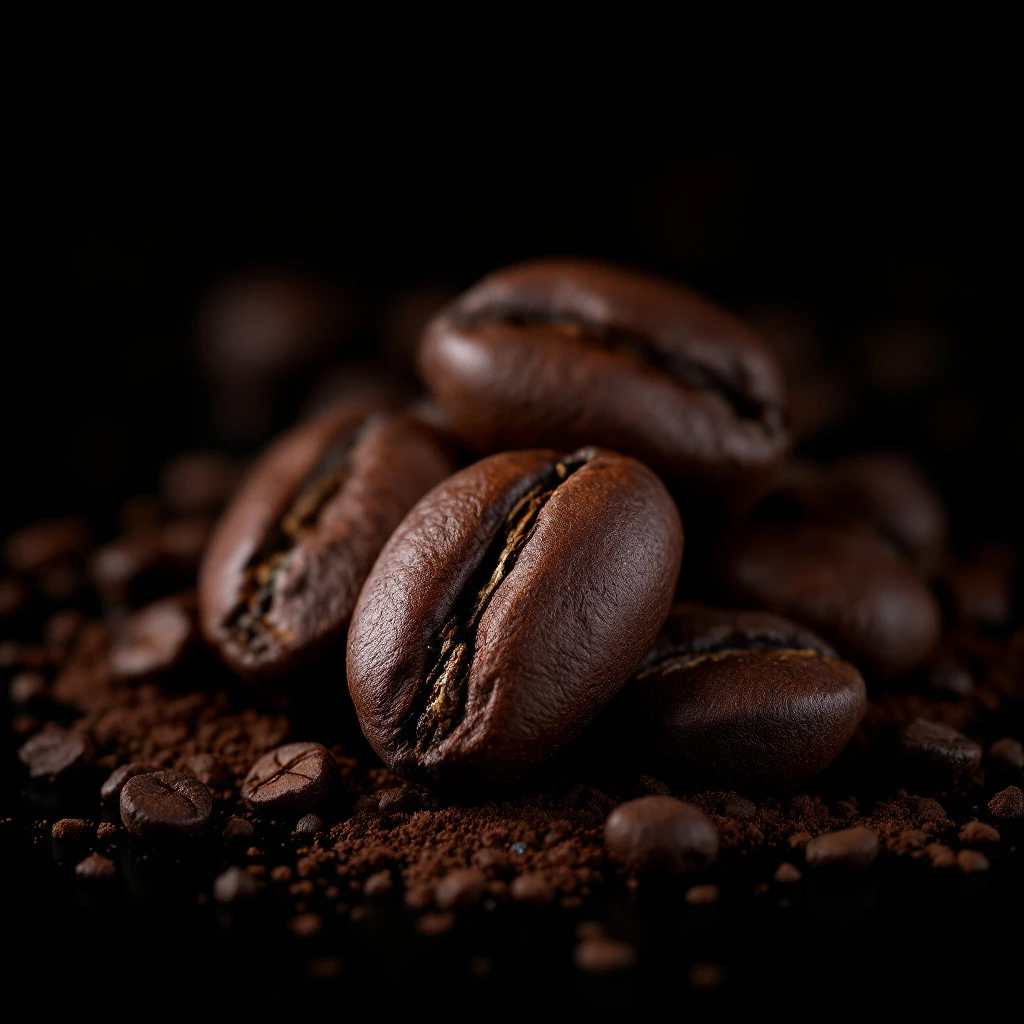
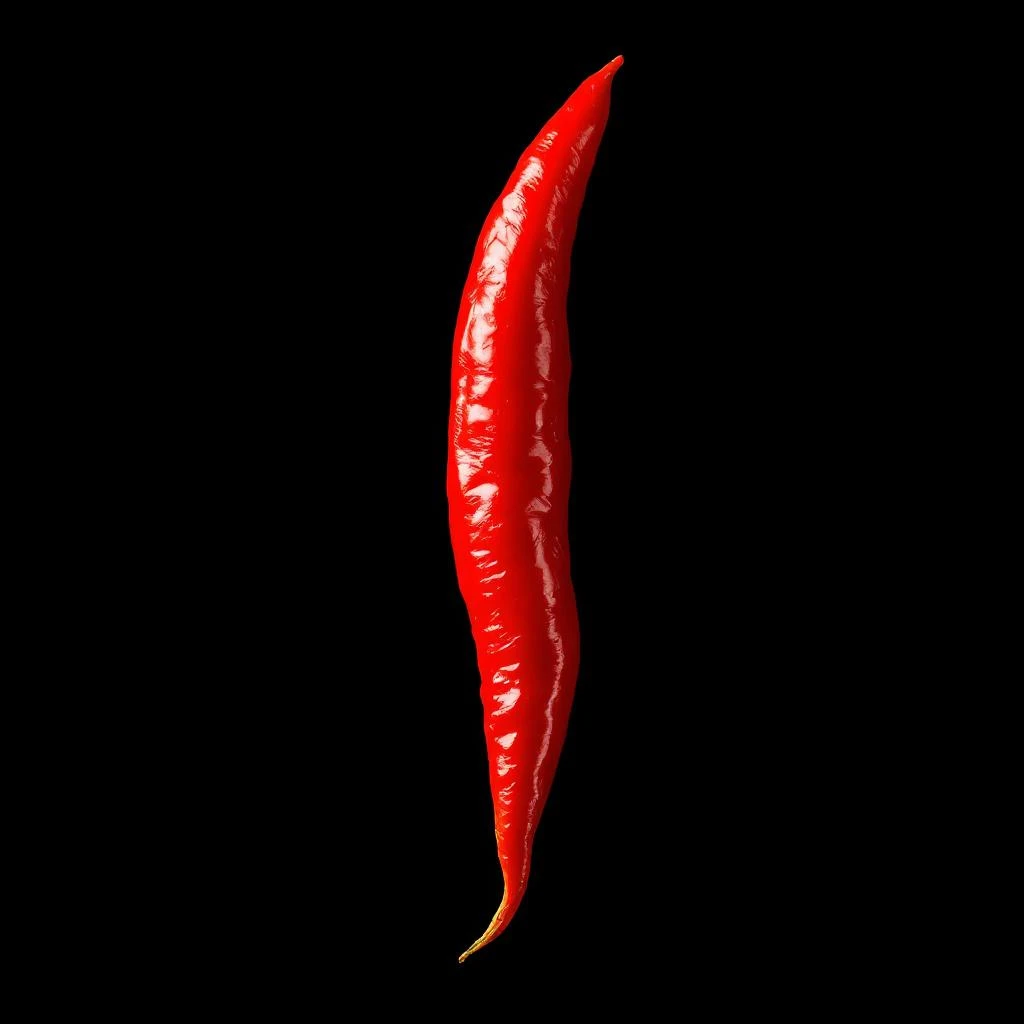
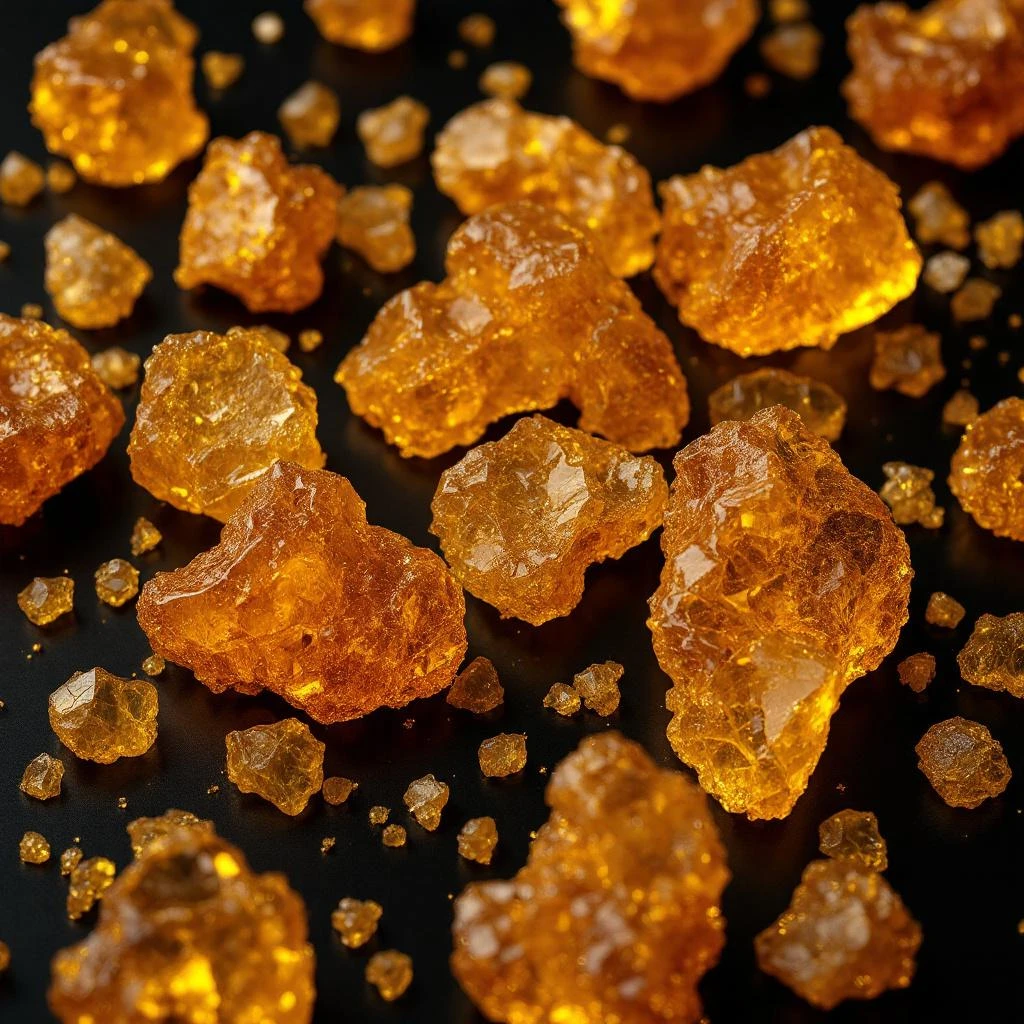
Roasted Philippine cacao brings a dark, nutty warmth to fragrance, its roasted edge sharper and earthier than its Latin American cousins, with a faintly smoky finish.
Character
How it smells
The Philippines' tablea tradition roasts cacao at higher temperatures than European chocolate makers, producing a more intense, slightly burnt character prized by perfumers.



Origin
Philippines
Cacao first reached the Philippines in the late 17th century aboard the Manila Galleons, the Spanish trading ships that connected Acapulco to Manila across the Pacific. Spanish colonizers planted cacao in the Visayas and later in Luzon, where the crop found a foothold in volcanic soils and a tropical climate close to its Mesoamerican home. By the 18th century, Philippine cacao had become a regional commodity, though it never rivaled the volumes of West African or Latin American production.
In the early 2000s, bean-to-bar makers and craft chocolatiers revived interest in fine-flavor Filipino cacao, particularly single-origin Criollo and Trinitario varieties from Davao. These growers reintroduced slow fermentation and careful roasting, practices that gave the beans a distinctive aromatic profile. By the late 2010s, interest from niche perfumers followed, drawn to the sharper roast character of Philippine beans and to the social case for sourcing from smallholder farms.
Today, Philippine roasted cocoa sits at the intersection of agricultural revival and gourmand perfumery, a material carrying four centuries of island history into the bottle.
Wears it best
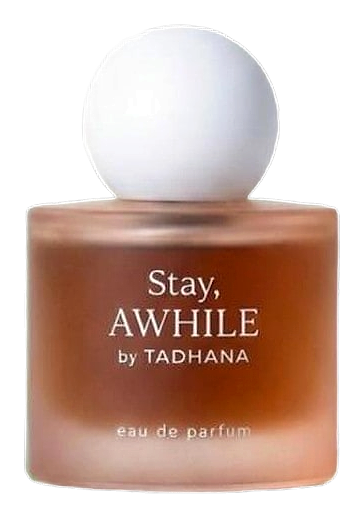
Fragrances featuring Philippine Roasted Cocoa
Brands
Brands known for Philippine Roasted Cocoa
Good to know
Questions, answered
The essentials on Philippine Roasted Cocoa in perfumery: how it smells, where it comes from, and how it behaves on skin.
What does Philippine roasted cocoa smell like in perfume?
It smells darker and smokier than typical chocolate notes: roasted nibs, toasted nuts, and a faint burnt-caramel edge. The Maillard-driven pyrazines in heavily roasted Philippine beans give a sharper, more savory profile than sweet milk-chocolate accords.
Is Philippine cacao different from Ghanaian or Ecuadorian cacao in perfumery?
Yes, meaningfully. Philippine beans, especially from Davao, often show a more intense roast profile and higher pyrazine content when processed for tablea. This produces a darker, earthier aromatic character that perfumers use to anchor gourmand compositions without sweetness.
When was cacao first introduced to the Philippines?
Cacao arrived via the Manila Galleon trade in the late 17th century, carried from Mexico by Spanish colonizers. By the 18th century it was cultivated commercially in Luzon and the Visayas, laying the foundation for the modern Philippine fine-flavor industry.
How is cocoa absolute extracted for perfumery?
Producers grind roasted beans and treat the mass with a solvent such as ethanol or hexane. The solvent dissolves aromatic compounds, then evaporates to leave a viscous absolute. CO2 extraction offers a cleaner alternative that preserves more delicate volatile molecules.
When did cocoa start appearing in fragrances?
Cocoa entered mainstream perfumery in the 1990s alongside the rise of gourmand fragrances. Earlier appearances existed in niche and oriental compositions, but the 1990s gourmand wave made cacao a fixture in the perfumer's palette.
Why are perfumers interested in Philippine-sourced cocoa?
Beyond the distinctive roast profile, sourcing from Filipino smallholder farms supports rural economies and the bean-to-bar revival. Perfumers gain a material with documented provenance and a flavor character shaped by island terroir and traditional tablea roasting.
What is tablea and how does it relate to perfumery?
Tablea are pure roasted cacao discs ground from Filipino beans, traditionally used for hot chocolate. The higher-temperature roasting produces the pyrazine-rich, smoky profile that perfumers prize in Philippine cocoa absolute.
Can cocoa absolute be reproduced synthetically?
Partially. Isolates like methylpyrazine and furaneol recreate certain facets, but perfumers generally agree that natural cocoa absolute offers a depth and complexity that single-molecule reconstructions struggle to match.





