Peruvian Pepper Tree Leaf
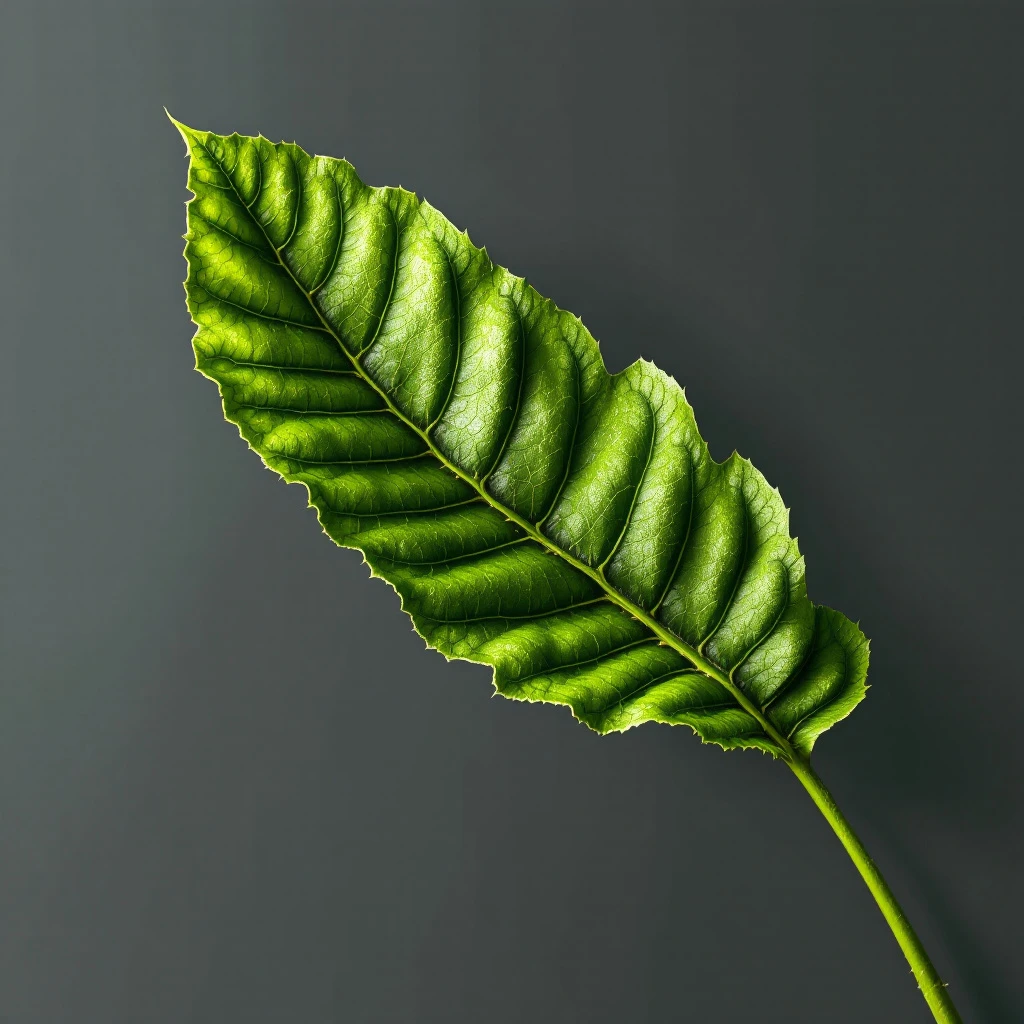
A bright, cooling spice plucked from the Andean foothills. Peruvian pepper tree leaf brings a sharp, resinous snap to perfumes, hinting at cracked pepper, dried herbs, and sun-warmed bark.
Character
How it smells
An Andean cooling spice with a resinous bite
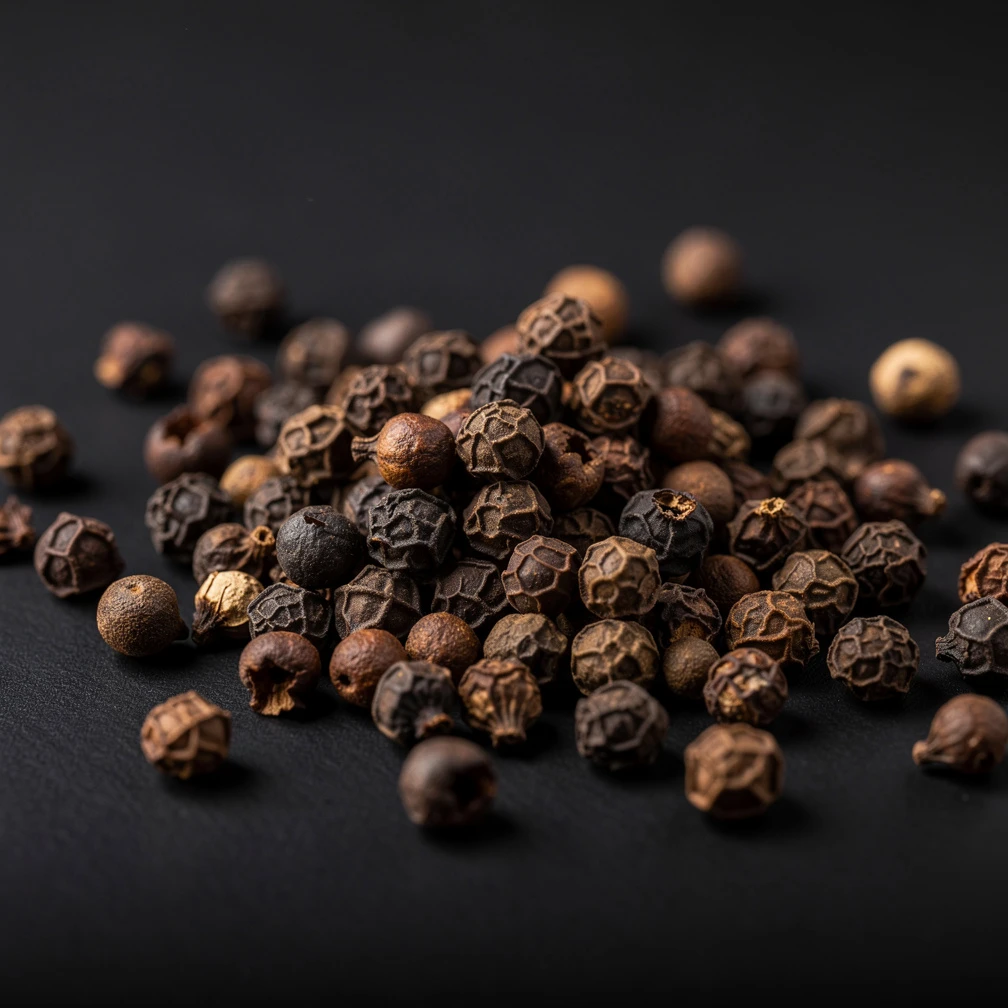
The Peruvian pepper tree secretes a fragrant resin called American mastic, long used in traditional medicine for its therapeutic qualities.


Origin
Peru
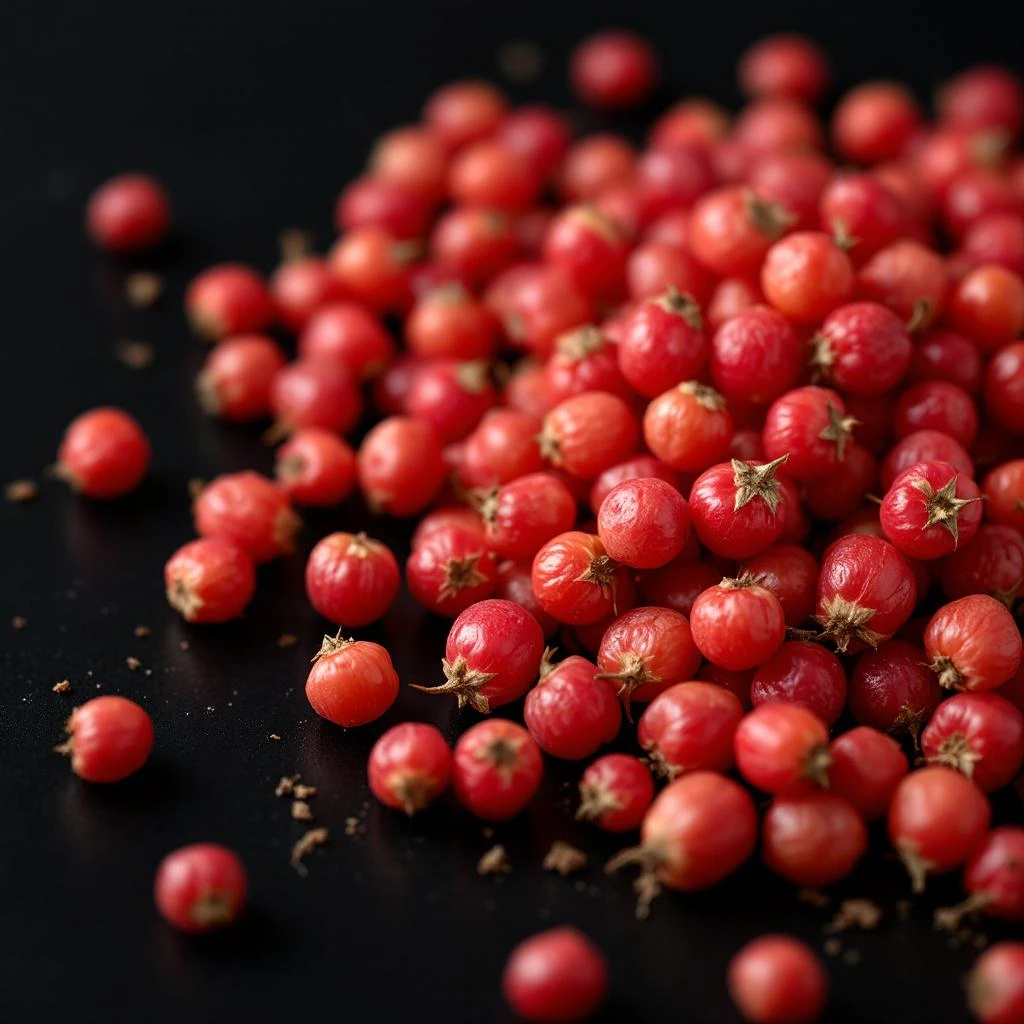
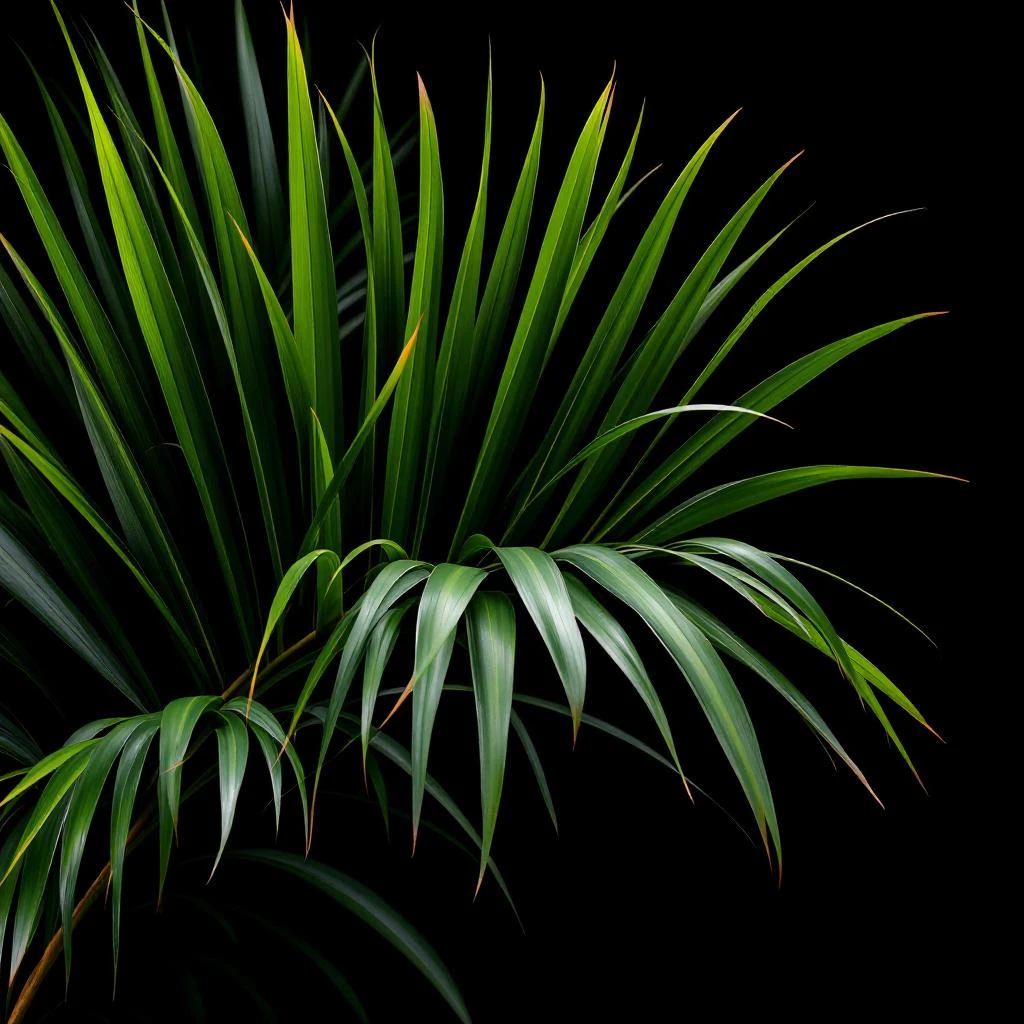
Schinus molle has grown wild across the Peruvian Andes for thousands of years, long before the arrival of European explorers. Indigenous communities used every part of the tree, harvesting its pink berries as a cold spice that numbs the tongue rather than heating the palate like true black pepper. They also collected the tree's aromatic resin, which they called American mastic, and applied it in wound care and ritual ceremonies.
Spanish colonists encountered the tree during the 16th century and brought dried berries back to Europe, where they entered apothecary records as Peruvian pepper. By the 19th century, the tree had spread globally, naturalized across Madagascar, California, and the Mediterranean. The perfumery industry began isolating its essential oil in the early 20th century, drawn to the material's ability to add a cooling, spicy shimmer to floral and chypre compositions.
Today, Schinus molle remains one of the few spice-yielding trees that feeds both kitchens and fragrance houses from a single shared harvest.
Wears it best
Fragrances featuring Peruvian Pepper Tree Leaf
Brands
Brands known for Peruvian Pepper Tree Leaf
Good to know
Questions, answered
The essentials on Peruvian Pepper Tree Leaf in perfumery: how it smells, where it comes from, and how it behaves on skin.
What does Peruvian pepper tree leaf smell like in perfume?
It smells sharp, cooling, and resinous, with notes of cracked pink pepper, pine resin, and dried herbs. The high alpha-pinene content gives it a slightly coniferous, almost eucalyptus-like freshness that lifts heavier compositions.
Is Peruvian pepper related to true black pepper?
No. True black pepper comes from the Piper genus native to South Asia. Peruvian pepper, or Schinus molle, belongs to the cashew family, Anacardiaceae, and produces a cooling, mild spice quite unlike the heat of black peppercorns.
How is the essential oil extracted?
Steam distillation is the standard method. Dried berries yield roughly 2 to 3 percent essential oil over a 3 to 4 hour cycle, producing a liquid dominated by monoterpenes such as alpha-pinene.
Where does the raw material come from?
Most commercial harvesting occurs in Peru, where Schinus molle grows wild across the Andean foothills. The tree has also naturalized in Madagascar, parts of California, and Mediterranean countries.
Is Peruvian pepper tree leaf safe in fragrance?
The essential oil is generally regarded as safe for fragrance use when properly diluted. Some individuals with cashew-family sensitivities may experience skin irritation, so formulations typically keep concentrations moderate.
What fragrance families use this ingredient most?
It appears across aromatic, spicy, and fresh woody compositions. Perfumers value its cooling lift in colognes, where it adds a sparkling peppery accent without the heavy warmth of true spice oils.
Why is it called a cooling spice?
The berries contain compounds that produce a numbing sensation on the tongue rather than the burning heat of Piper pepper. This same cooling chemical profile translates into a sharp, almost mentholated freshness in the distilled oil.
Can the leaf and berry oils be used interchangeably?
Not exactly. Berry oil tends to be warmer and slightly sweeter, while leaf oil skews greener and more resinous, dominated by alpha-pinene. Most perfumers select one or blend carefully to balance these profiles.