Peruvian Pepper Tree Blossom
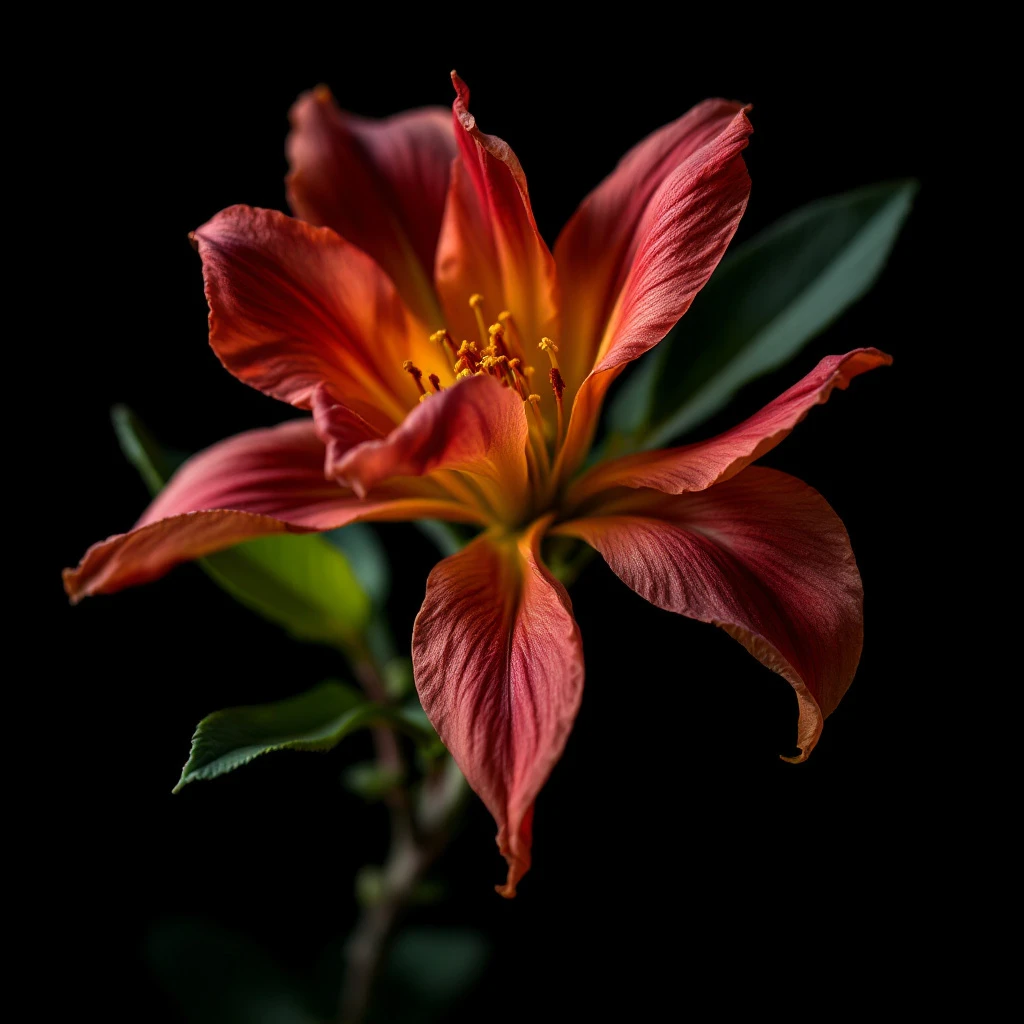
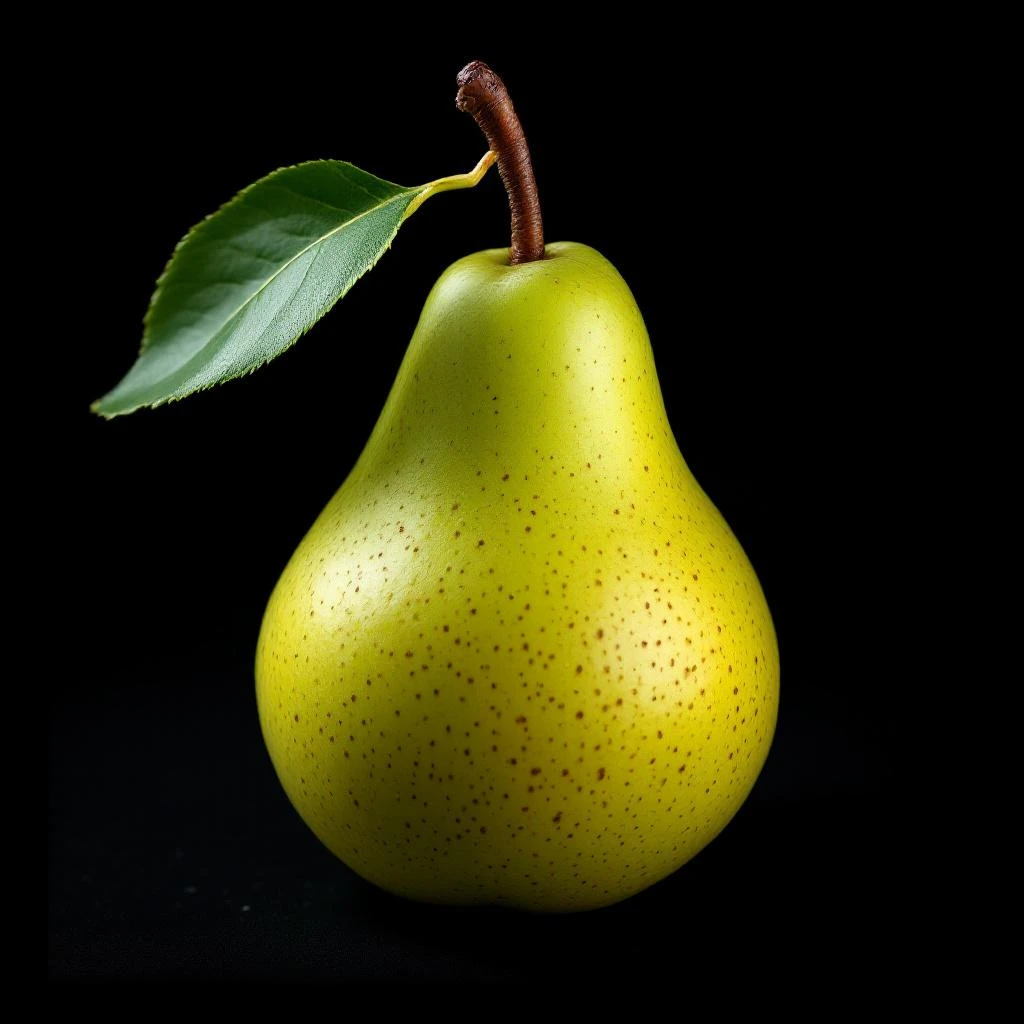
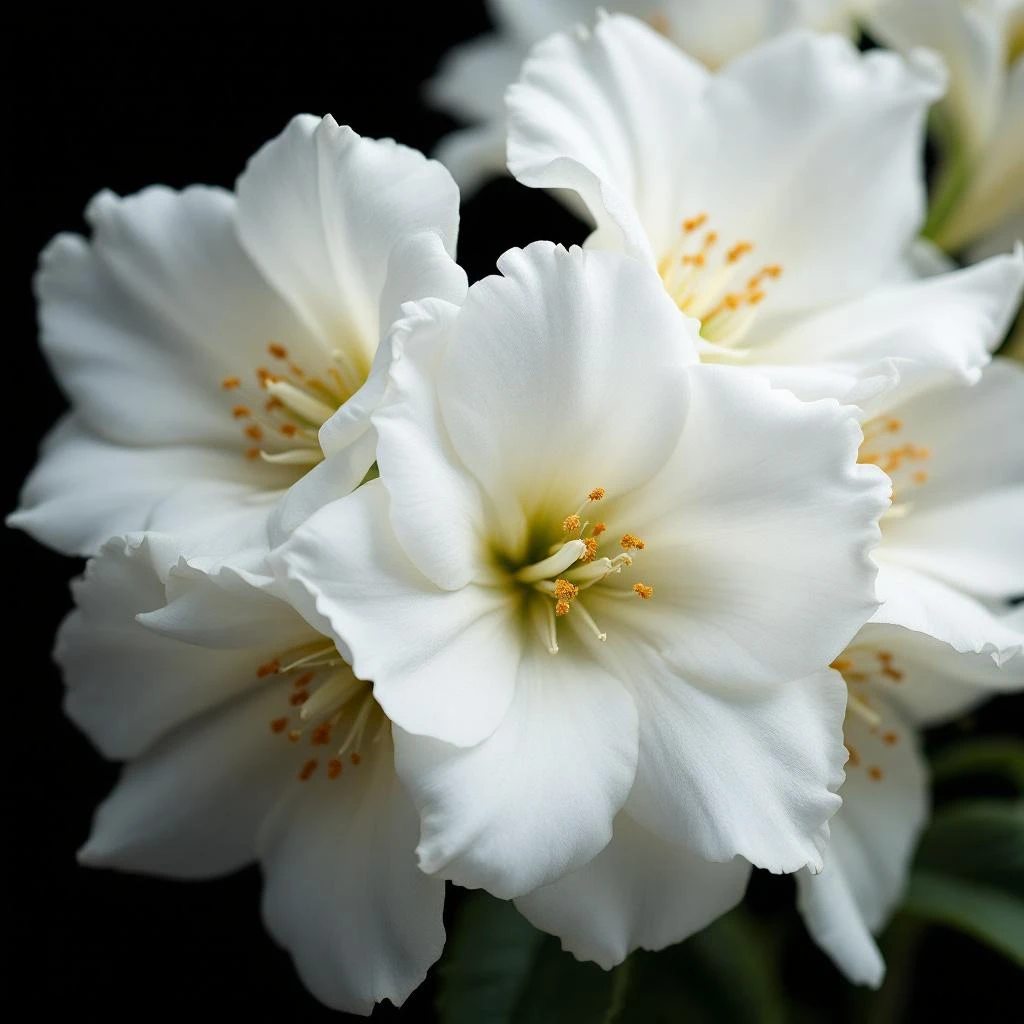
The blossom of Schinus molle yields the aromatic pink peppercorn prized in fine fragrance. Native to the Peruvian Andes, this fresh spice delivers a bright, citrusy warmth that energizes compositions without overwhelming the skin.
Character
How it smells
Andean freshness distilled into every note.
Archaeological evidence suggests the Wari Empire (600-900 AD) used the molle tree in daily life, making this ingredient among the oldest documented aromatics in the Americas.


Origin
Peru
The molle tree has deep roots in Peruvian culture, stretching back to the pre-Inca Wari Empire (600-900 AD), where archaeological findings suggest the tree served daily medicinal and ritual purposes. The Quechua people called it molle, a name that persists today.
Andeans considered the tree sacred, using its resinous sap and berries in ceremonies and traditional remedies. When Spanish colonizers arrived, they encountered molle already woven into local practice.
British colonialists later carried seeds to Kenya, where the trees adapted to the Kenyan highlands and the country emerged as a secondary commercial source for the perfume industry. Today Peru remains the primary origin for high-quality pink pepper used in fine fragrance, though the ingredient carries centuries of Andean heritage in every harvest.
Wears it best
Fragrances featuring Peruvian Pepper Tree Blossom
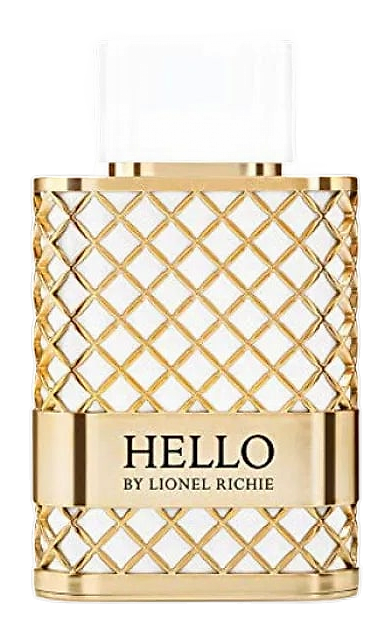

Brands
Brands known for Peruvian Pepper Tree Blossom
Good to know
Questions, answered
The essentials on Peruvian Pepper Tree Blossom in perfumery: how it smells, where it comes from, and how it behaves on skin.
What does Peruvian pepper tree blossom smell like?
Pink pepper oil smells bright and citrusy with a fresh, almost coniferous quality. Alpha-pinene lends a crisp pine-like lift while limonene adds lemon and mandarin brightness. A subtle turpentine-terpene undertone gives it warmth and resinous depth that evolves on the skin.
Is pink peppercorn a true pepper?
No. Despite the common name, Schinus molle belongs to the Anacardiaceae family, the same as cashew and mango. True black pepper comes from Piper nigrum in the Piperaceae family. Pink peppercorns are technically dried berries from a different botanical genus entirely.
How long has pink pepper been used in perfumery?
Andeans used the molle tree as early as 600-900 AD during the Wari Empire, predating the Inca civilization. The blossom and berries served medicinal and ritual purposes for centuries before entering Western perfumery, making this among the oldest continuously used aromatics in the Americas.
How are pink peppercorns harvested for fragrance?
Harvesting takes place between February and April when the berries reach full pink maturity. Workers hand-pick the pendant clusters to prevent damage to the delicate fruit. This manual selection ensures only optimally ripe berries enter the production chain, preserving the aromatic quality that fine fragrance demands.
What chemical compounds define pink pepper oil?
The oil is dominated by monoterpenes, primarily alpha-pinene, which provides the characteristic fresh, pine-like top note. Limonene contributes citrus brightness while myrcene adds a subtle herbal depth. This monoterpene-rich profile distinguishes pink pepper from true pepper species.
Where does the best pink pepper for perfumery grow?
Peru remains the primary source, with trees thriving in the Peruvian Andes at elevations between 1,500 and 3,900 meters. Kenya serves as a secondary commercial origin, established during the British colonial period. The warm, arid to semi-arid conditions at these elevations are essential for developing the berry's aromatic profile.
Is pink pepper sourced sustainably?
Peru's molle trees grow wild across high-altitude regions, and hand-harvesting puts minimal pressure on natural populations. The trees regenerate relatively quickly, and ethical suppliers work directly with Andean harvesting communities. Responsible sourcing practices help preserve both the ingredient's quality and the ecosystems where it grows.
What fragrances pair well with pink pepper?
Pink pepper combines naturally with citrus, white florals, and transparent woods. It amplifies bergamot, grapefruit, and jasmine without dominating them. Cedar and sandalwood add structure, while vanilla and amber provide contrast to its brightness. The note performs well in both feminine and masculine compositions across all seasons.




