Pear Tree
Pear Tree brings a luminous, green-fruited brightness to fragrance that few ingredients match. Discover how this ancient botanical became a cornerstone of modern perfumery.
Character
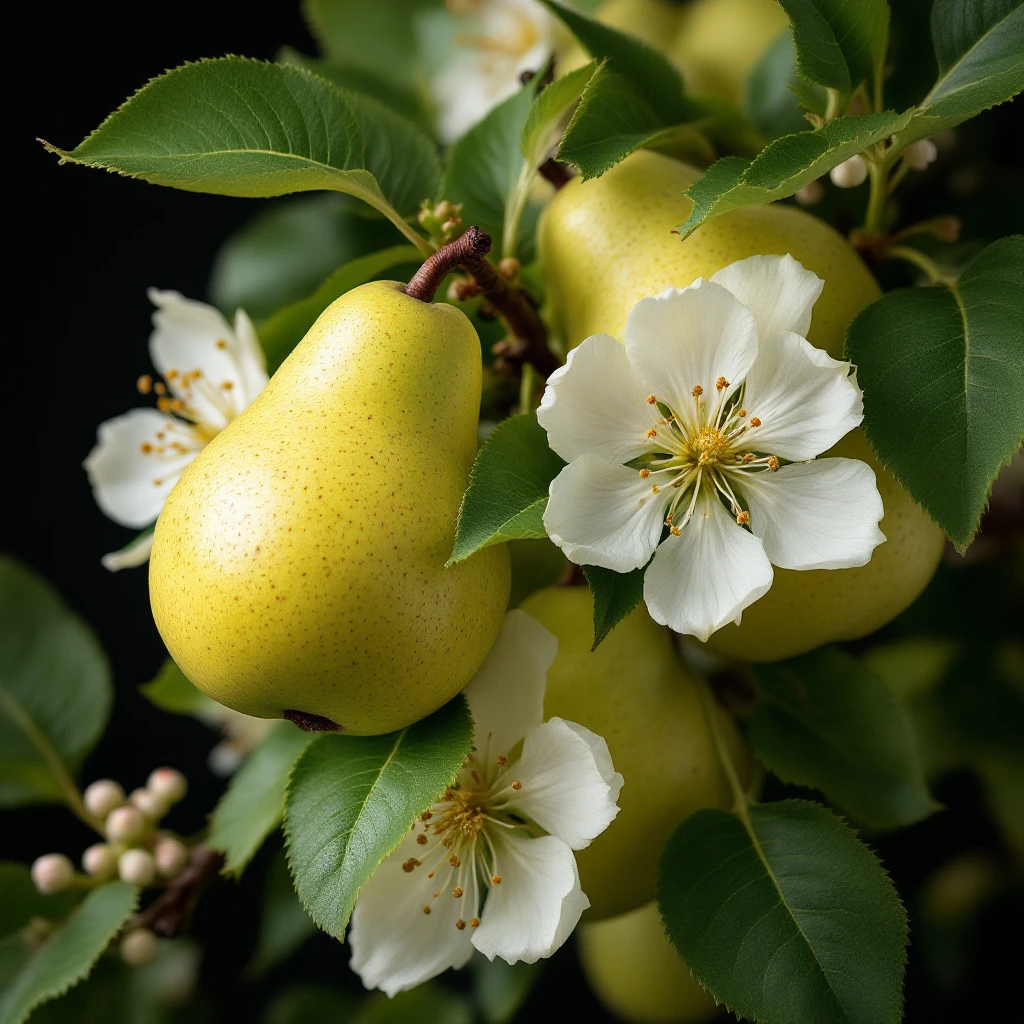
How it smells
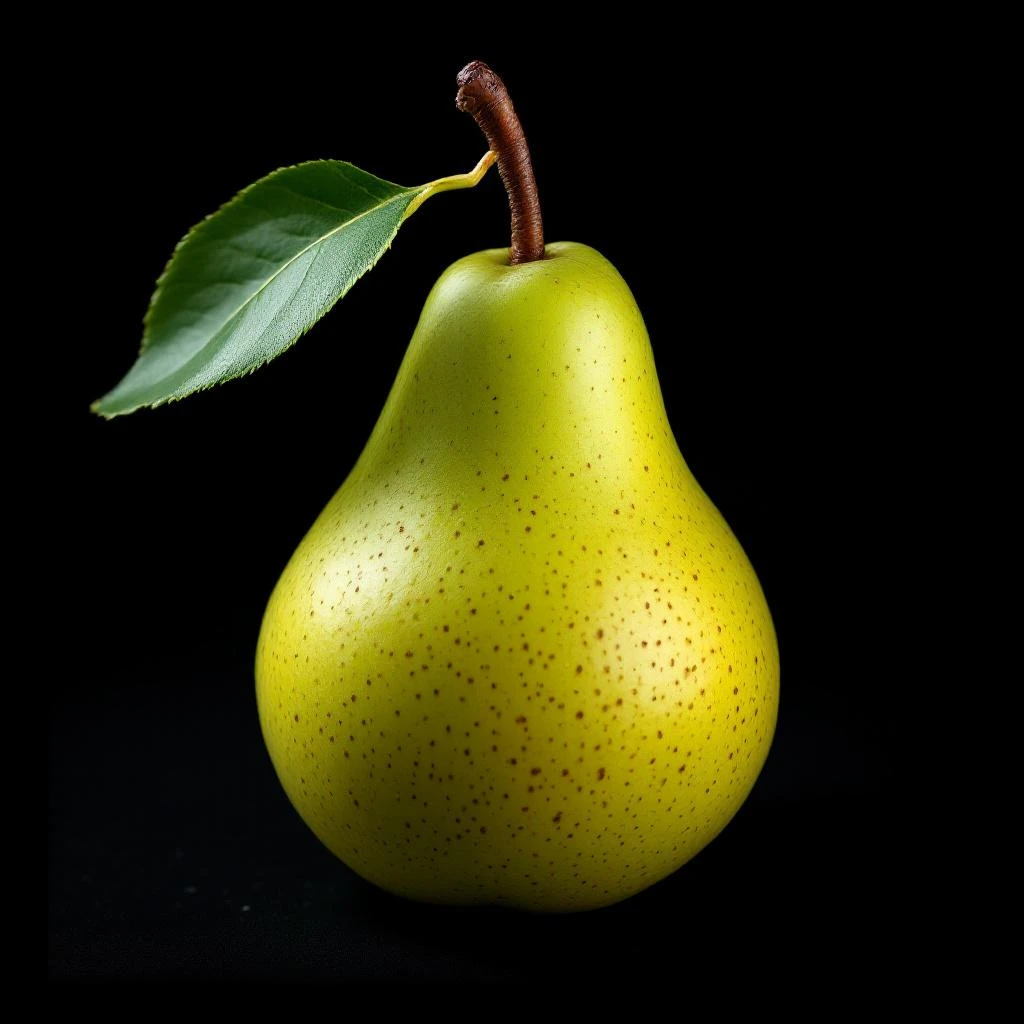
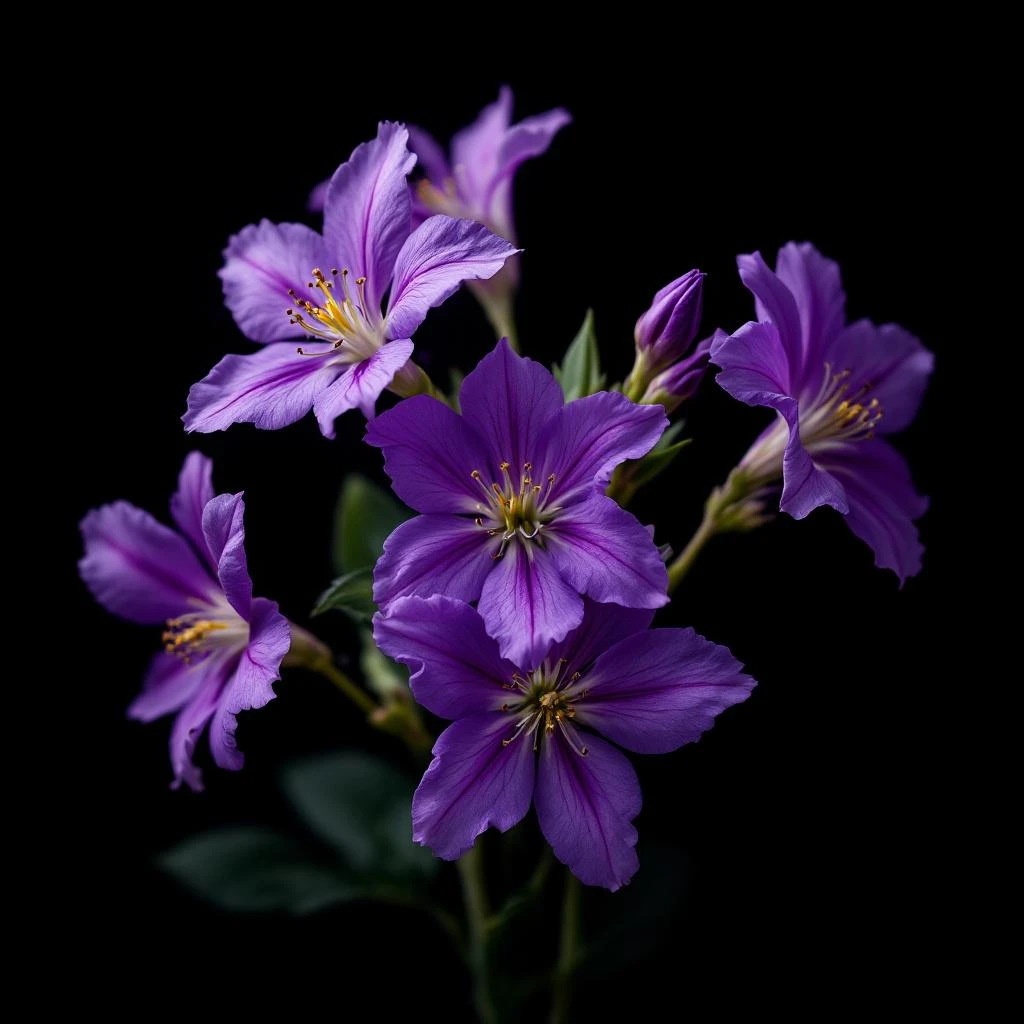
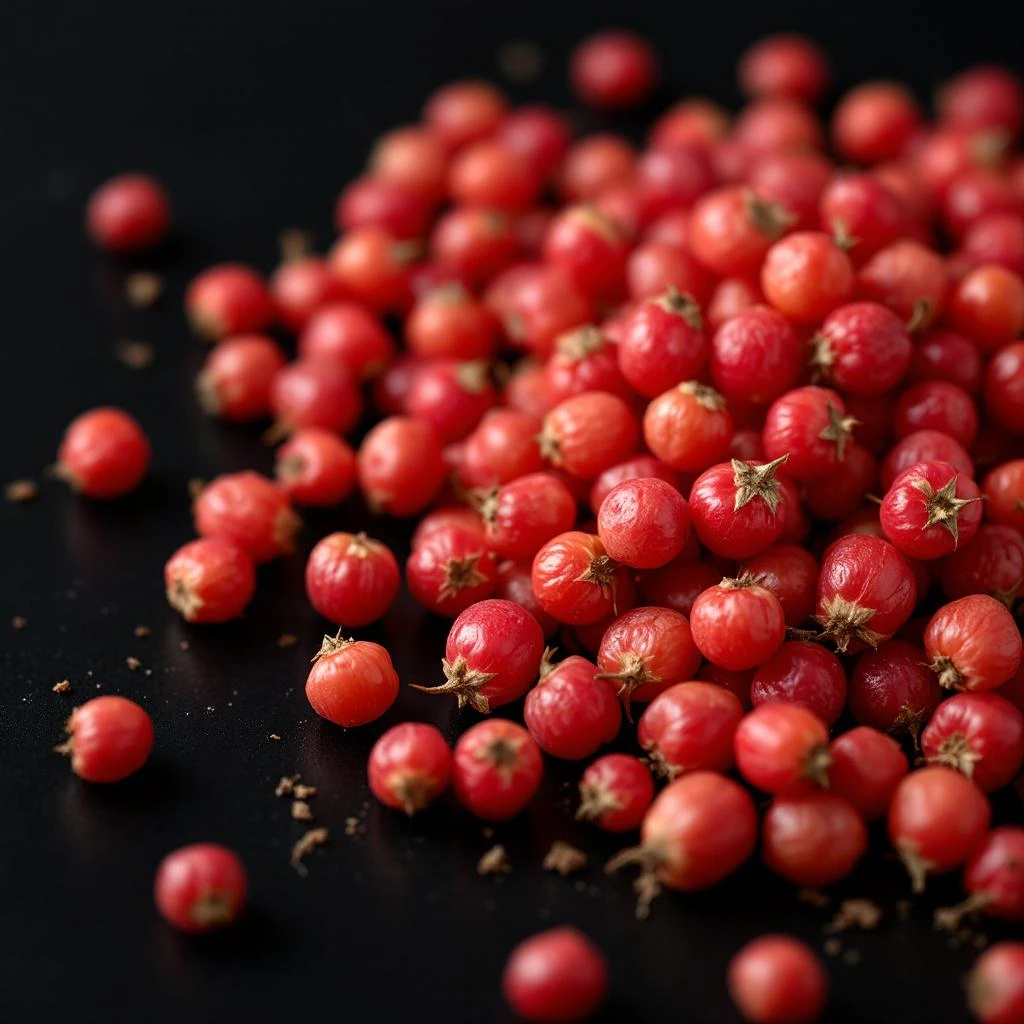
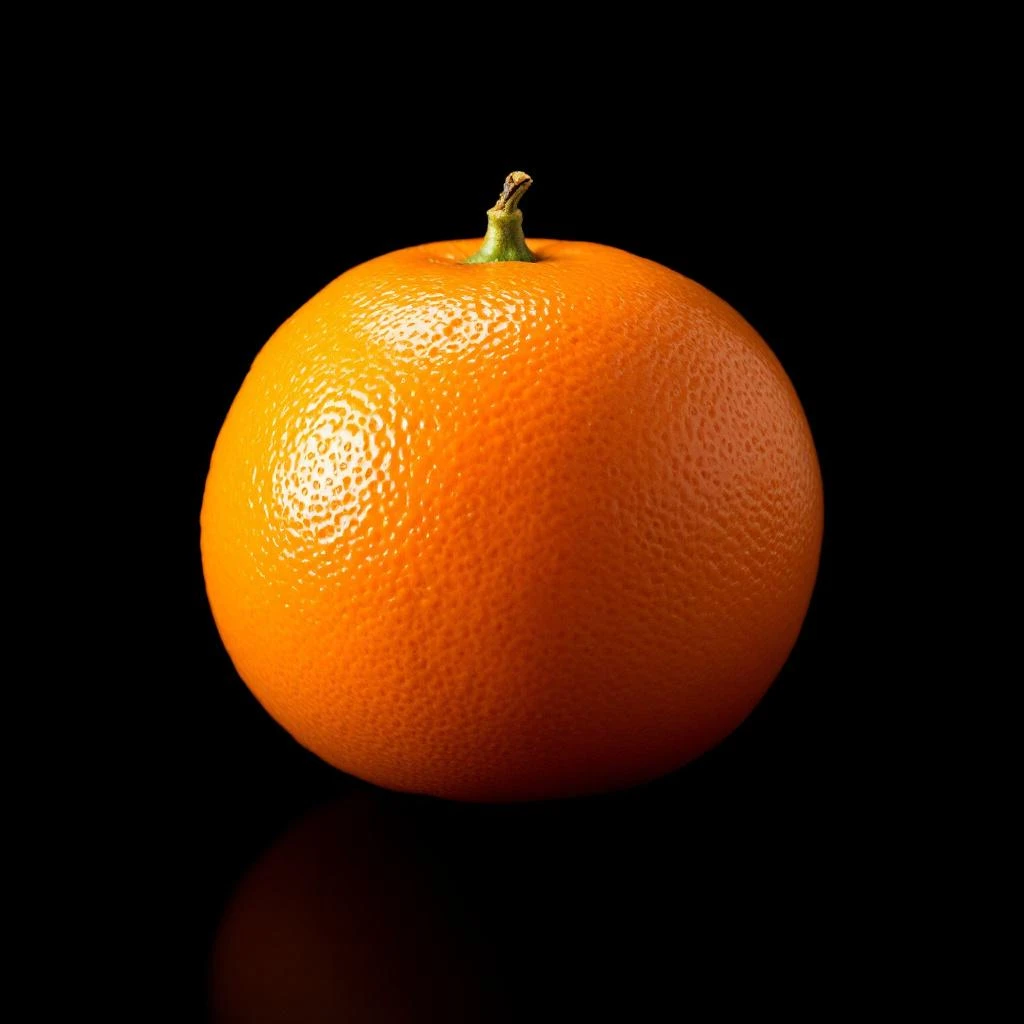
Crisp, green, and irresistibly juicy.
Natural pear absolute is exceptionally rare. Perfumers rely on lab-created aroma molecules like isoamyl acetate to capture that signature ripe-pear smell.





Origin
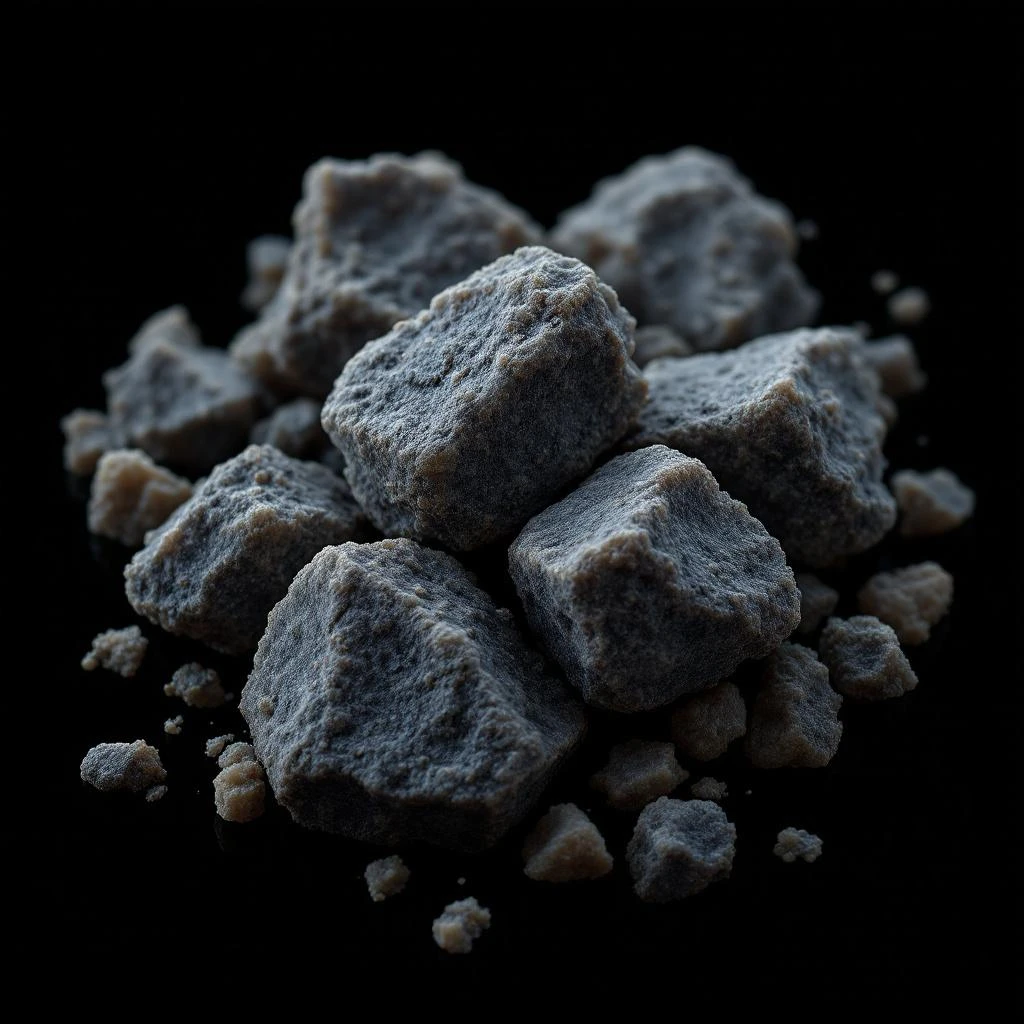
China
The pear tree, botanically classified as Pyrus communis, traces its domesticated origins to the regions of Western China and Asia Minor where wild specimens grew abundantly thousands of years ago. Ancient Greek and Roman civilizations prized pear fruits for their sweet flesh and incorporated them into ritual offerings and cosmetics. By the time perfumery emerged as a refined art during the Islamic Golden Age, cultivators had spread pear trees across Mediterranean latitudes.
European aristocracy valued pear orchards as marks of prosperity. The 20th century brought a pivotal shift when synthetic chemistry enabled perfumers to isolate and recreate the characteristic fruity-green aroma of ripe pears, democratizing this beloved note across countless fragrance compositions.
Wears it best
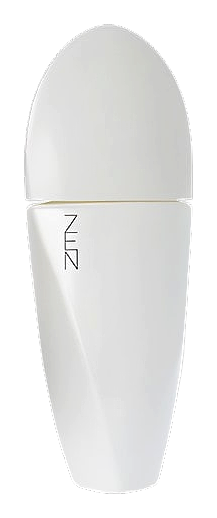
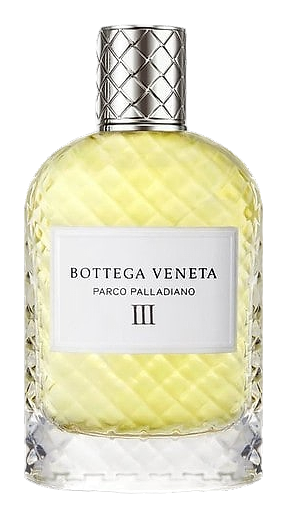
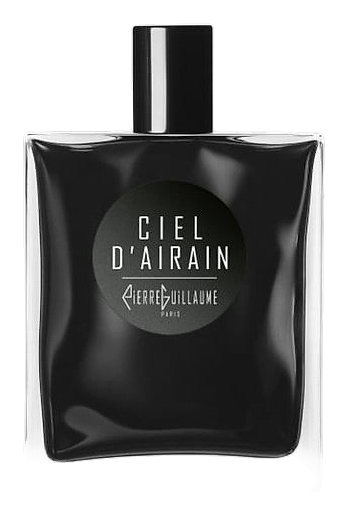
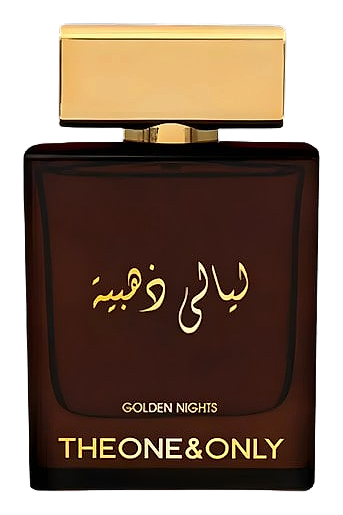
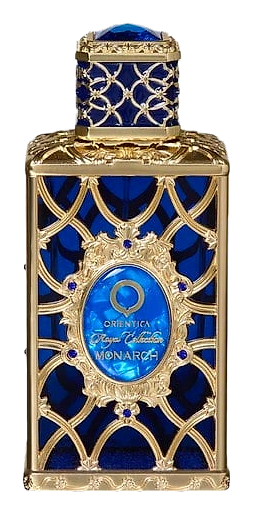
Fragrances featuring Pear Tree
Brands
Brands known for Pear Tree
Good to know
Questions, answered
The essentials on Pear Tree in perfumery: how it smells, where it comes from, and how it behaves on skin.
What does Pear Tree smell like in perfume?
Pear Tree delivers a crisp, juicy fruit character with green undertones. The blossom note adds delicate floral sweetness, creating an aroma that feels fresh and luminous in compositions.
Is Pear Tree a natural or synthetic ingredient?
Both forms exist in perfumery. Natural pear blossom absolute comes from solvent extraction of flowers, though it remains rare and expensive. Most pear notes rely on synthetic aroma molecules for consistency and availability.
What fragrance families use Pear Tree?
Pear Tree appears prominently in fruity, floral, and green fragrance families. Chypre, fresh, and lightweight oriental compositions frequently feature this note for its bright, approachable quality.
How long has pear been used in perfumery?
Pear notes became common in the 20th century once synthetic aroma chemistry advanced. Ancient perfumers used whole pear fruits but lacked the technology to isolate specific aromatic compounds.
What part of the pear tree does perfumery use?
Perfumery primarily extracts from the delicate white blossoms harvested in spring. The fruit itself rarely enters fragrance production due to its low aromatic yield.
Which pear varieties matter most for fragrance?
Williams, Comice, and Conference pears share aromatic compounds that inspire synthetic pear notes. Each variety offers slightly different fruity-green facets that perfumers layer into compositions.
Does pear note perform differently in various fragrance formats?
Pear Tree works best in the heart and top notes of compositions. Its light molecular structure causes it to evaporate quickly, so perfumers pair it with longer-lasting base materials for endurance.
What ingredients pair well with Pear Tree in fragrance?
Rose, white musk, cedar, and transparent woods complement pear beautifully. These pairings enhance the fruit's natural sweetness while adding depth and longevity to the finished scent.