The Story
Why it exists.
The beginning
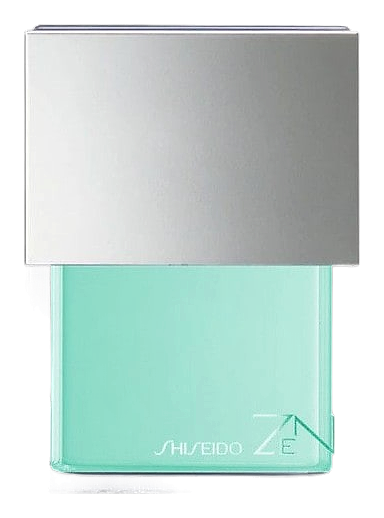
In 2000, Shiseido released a fragrance that carried the weight of everything the brand had become. Zen Aromatique, renamed Zen 2000, arrived as a new chapter in the house's storied lineage. The original Zen launched in 1964, a pillar of Shiseido's identity, but Zen 2000 was something different. It was conceived as a fragrance that could move across borders without losing its center. The brand called on Nathalie Lorson, a French nose, to translate this sensibility into something that could speak to an international audience while remaining true to the Shiseido heritage.
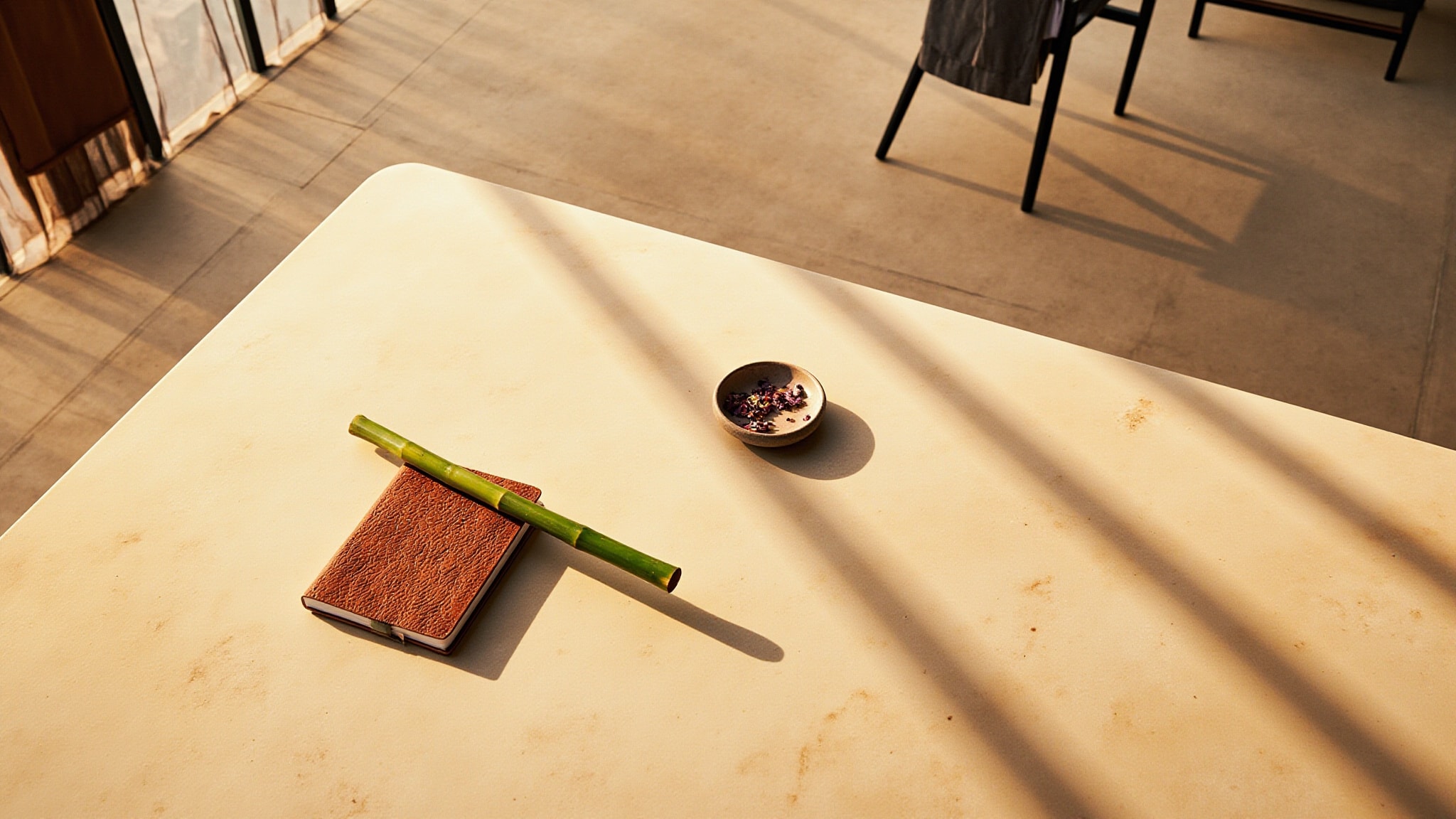
What makes the structure interesting is the Gentiana scabra, a bitter blue flower more familiar in Chinese medicine than in perfume. It opens the composition with an unexpected bite, a counterargument to the expected sweetness of a floral fragrance. The violet heart doesn't arrive as rescue. It arrives as continuation. Oakmoss and iris wrap around it, creating that powdery, mossy quality that gives Zen 2000 its specific gravity. The bamboo and pear wood in the base don't perform, they support. The whole structure breathes differently because of them.
The evolution
The opening doesn't announce itself so much as it suggests. Bergamot and Gentiana arrive with clarity, then recede within the first hour. What replaces them is the violet, soft, present, undeniable. It holds for two to three hours, woven through with rose, before the base begins to assert itself. The drydown on skin is quiet throughout. Bamboo and patchouli settle close, creating a skin-warm finish that doesn't project far. Zen 2000 is the fragrance for someone who doesn't need the room to know they've arrived.
Cultural impact
The violet-oakmoss combination reads as distinctly Japanese despite being composed by a French perfumer. Shiseido brought something different to that dialogue: a Japanese sensibility that grounds the fragrance in cultural specificity.