Peach Sorbet
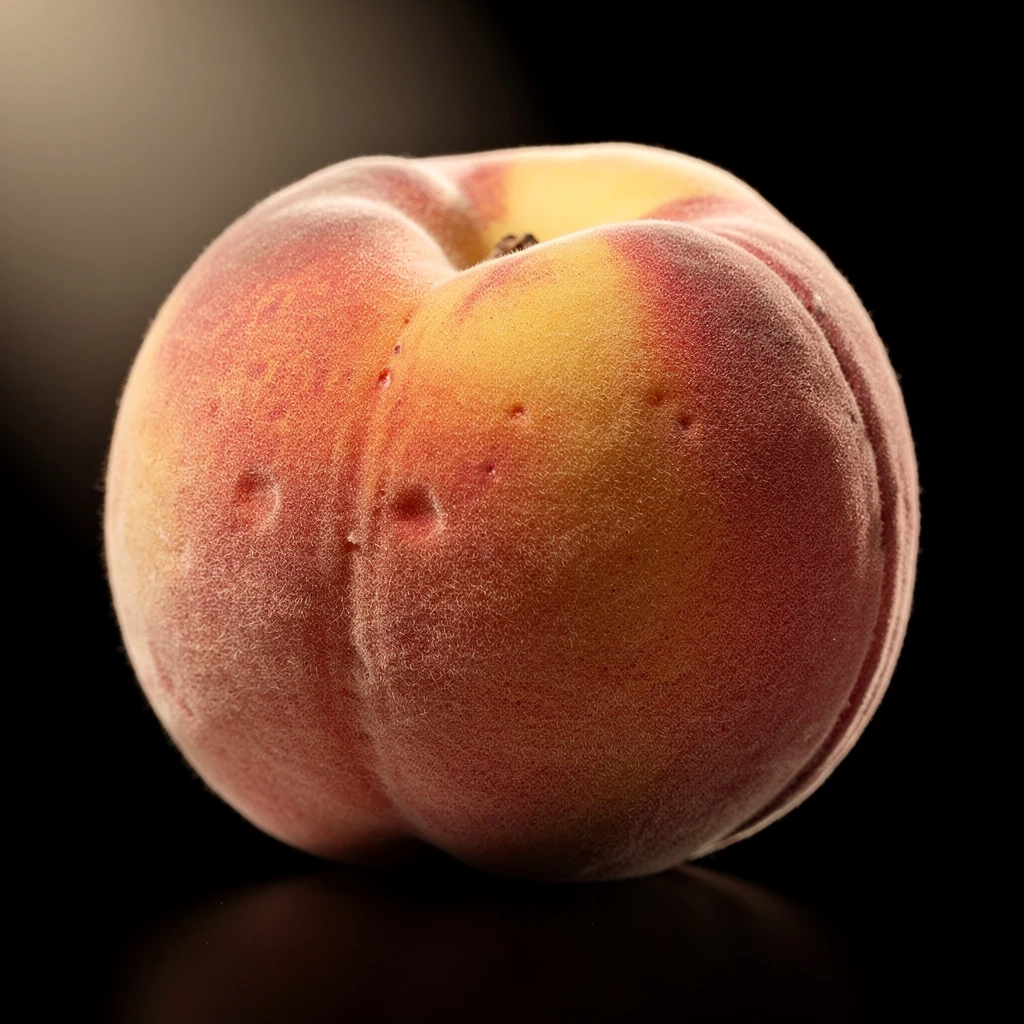
Peach in perfumery is an illusion entirely constructed from science. No natural extraction captures the fruit's aroma commercially—every juicy, velvety whiff is a molecular reconstruction prized for its warmth and accessibility.
Character
How it smells
A fruity accord built from synthetic lactones.
No natural peach extraction exists in commercial perfumery. Every peach note you smell is a scientifically crafted reconstruction.




Origin
China
Peach originated in China over 4,000 years ago, traveling westward along Silk Road trade routes to Persia and eventually Europe. Early Arab perfumers incorporated peach kernel flesh into ointments and scented preparations, establishing the fruit's role in fragrant contexts long before modern perfumery.
The breakthrough came in 1919 when Jacques Guerlain created what many consider the first true fruity fragrance, deliberately combining natural and synthetic raw materials to capture peach's essence. Before this, fruity notes were nearly impossible to render authentically.
The Guerlain innovation opened an entirely new chapter in perfumery, demonstrating that scientific reconstruction could honor nature's complexity. Today, peach remains one of the most requested notes in fine fragrance, with its synthetic construction allowing consistent, accessible fruity warmth across countless formulations.
Wears it best
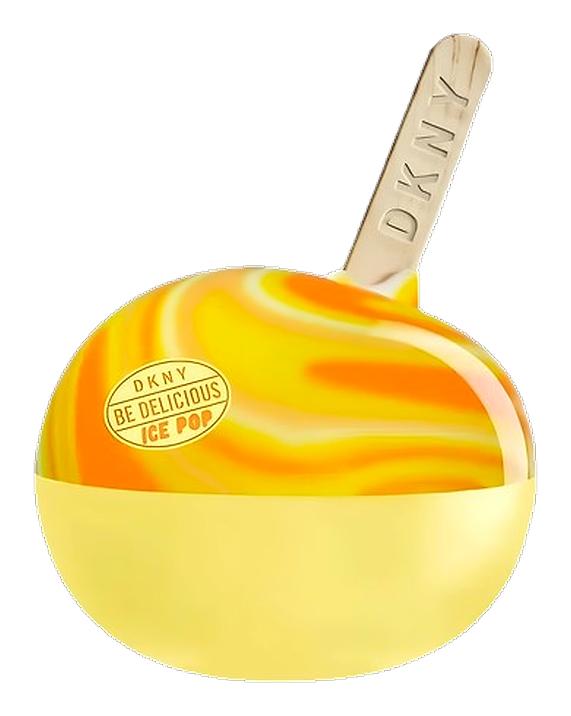
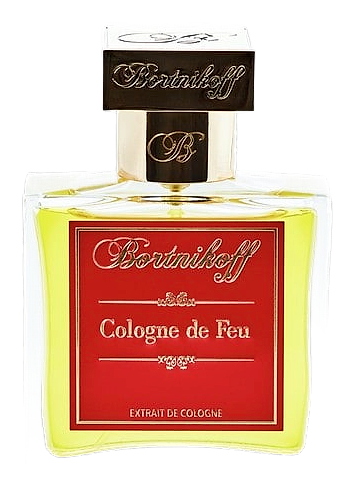
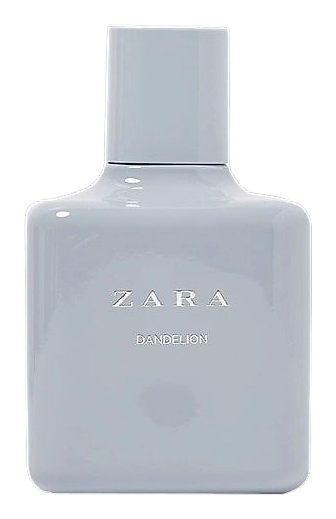
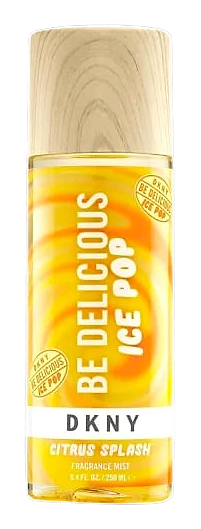
Fragrances featuring Peach Sorbet
Brands
Brands known for Peach Sorbet
Good to know
Questions, answered
The essentials on Peach Sorbet in perfumery: how it smells, where it comes from, and how it behaves on skin.
Is peach extract used in perfumery?
No commercial perfumery uses natural peach extraction. The fruit's aromatic molecules are too volatile and expensive to extract, so perfumers reconstruct peach entirely from synthetic lactones, primarily gamma-decalactone and gamma-undecalactone.
What does Peach Sorbet smell like?
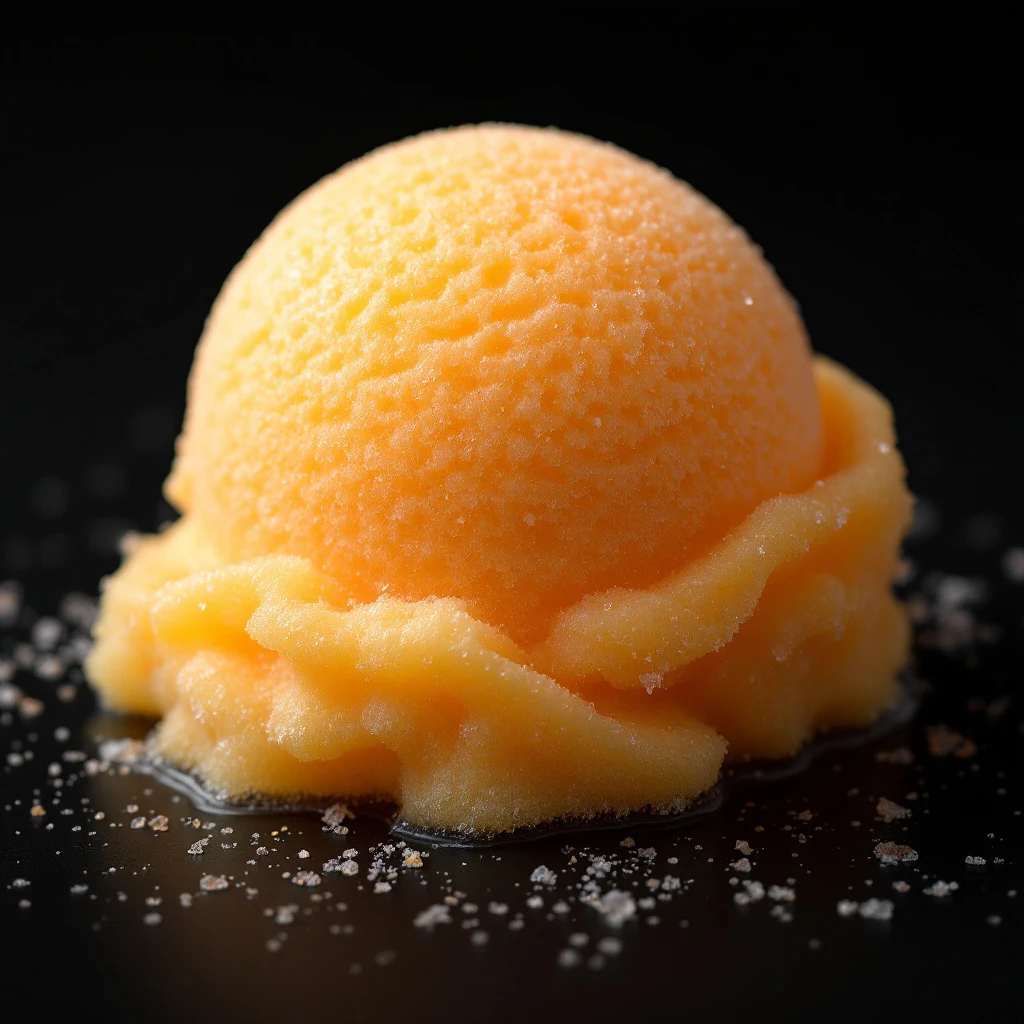
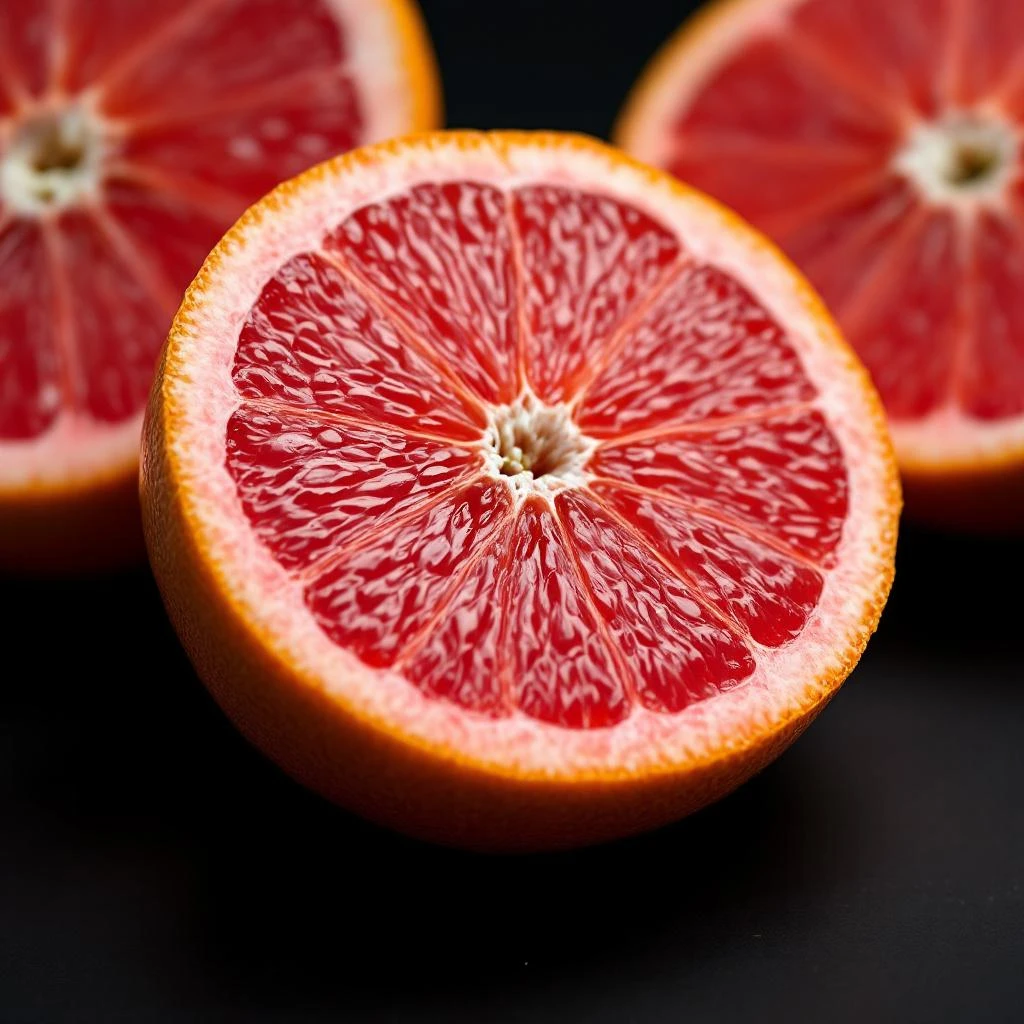
Peach Sorbet reads as juicy, creamy, and slightly powdery. The sorbet variation adds a cool, refreshing quality that lifts the sweetness, creating an impression of frozen fruit rather than fresh. Gamma-undecalactone provides the characteristic velvety warmth.
What was the first peach perfume?
Jacques Guerlain created the first notable peach fragrance in 1919, combining natural and synthetic materials. This innovation is widely considered the birth of modern fruity perfumery, proving that science could authentically recreate fruit notes.
What lactones create peach aroma?
Gamma-decalactone provides the creamy, peachy base, while gamma-undecalactone adds the characteristic velvety, slightly coconut-like warmth. Together they reconstruct the fruit's complete aromatic profile with remarkable fidelity.
Can peach scent be extracted from real fruit?
A few specialty houses like Givaudan produce natural peach alcoholate using spinning cone column distillation, isolating aromatic molecules directly from fresh fruit. This premium material captures authentic freshness but remains rare and costly.
What fragrance families pair well with peach?
Peach Sorbet combines naturally with florals like jasmine and rose, other fruits including pear and berry, and base notes like sandalwood and musk. It softens sharp citrus and adds warmth to green chypre compositions.
Why is peach synthetic in most fragrances?
Natural peach aroma contains hundreds of volatile compounds that dissipate quickly and resist efficient extraction. Synthetic reconstruction using specific lactones delivers consistent, concentrated, and cost-effective fruity warmth that performs reliably in formulations.
Does peach smell different across perfume cultivars?
Yes. Peach cultivars range from intensely fragrant freestone varieties to nearly scentless clingstone types. Yellow peaches offer more acid and tang, while white peaches present sweeter, more floral character—all influencing perfumer preference.