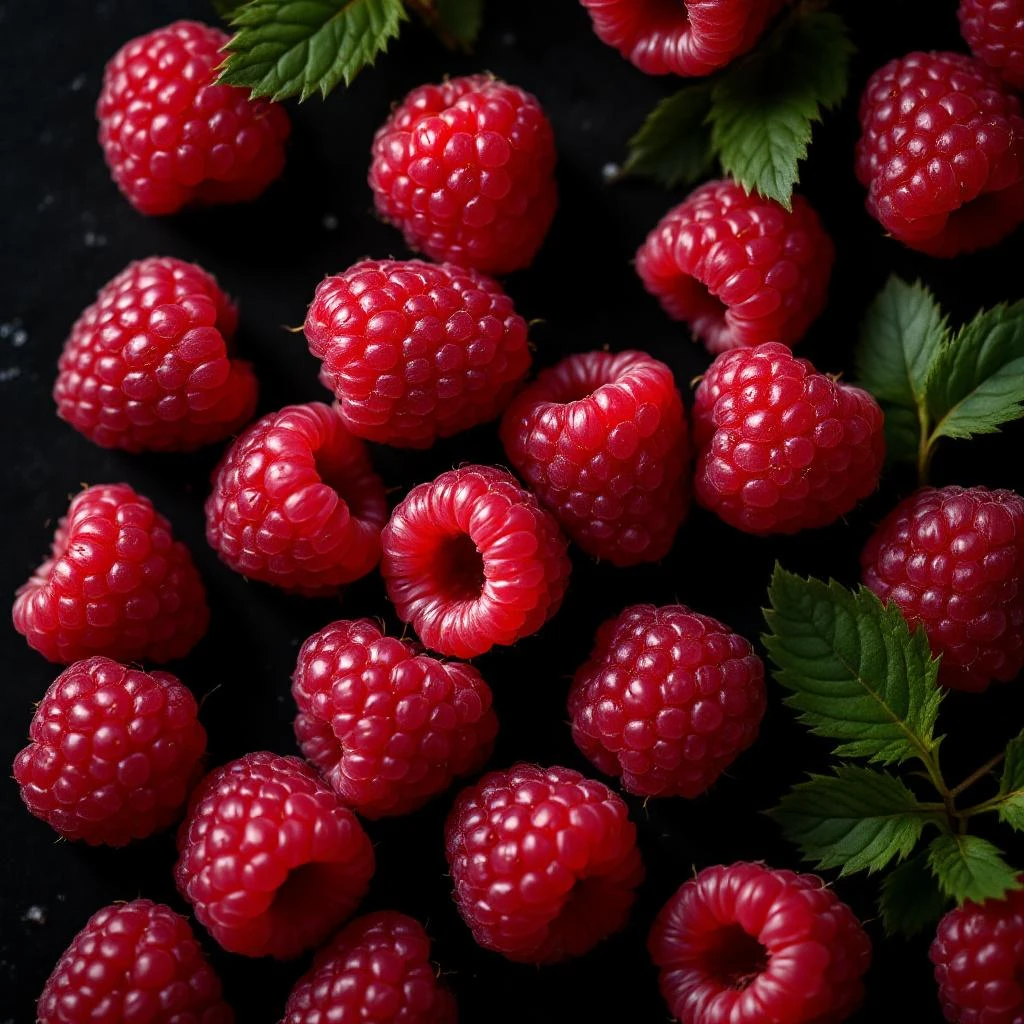
Peach Peel
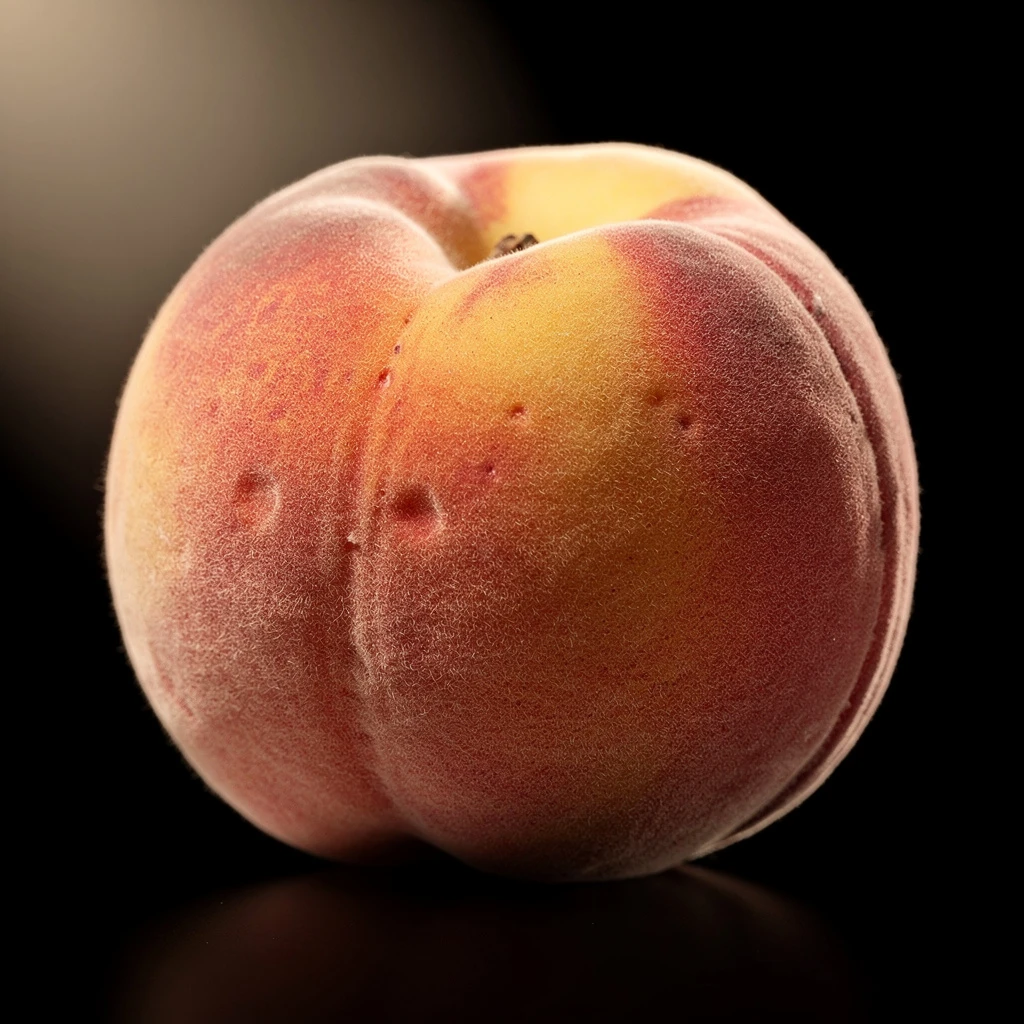
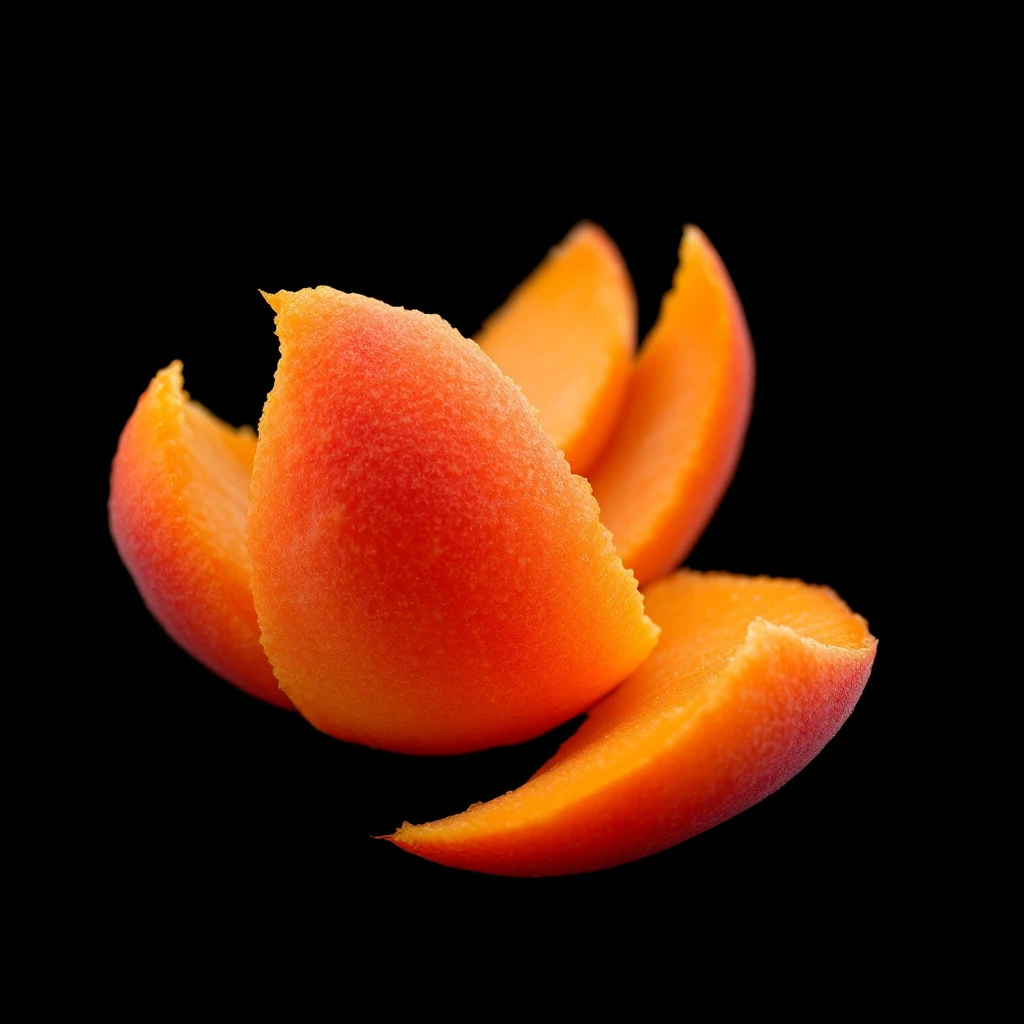
The fuzzy skin of the peach holds a bright, sun-warmed sweetness that perfumers recreate through nature-identical aromachemicals. Peach Peel captures that fleeting moment of ripe fruit with a juicy, slightly waxy lift.
Character
How it smells
Sun-warmed fruit, bottled in a single note.
A single mature peach tree can produce only a few milliliters of true peel oil, making natural extraction rare and costly in modern perfumery.
Origin
China
The peach traveled westward from China along the Silk Road more than two thousand years ago, carried by traders who prized the fruit as a symbol of longevity. By the Tang dynasty, poets described its perfume in garden writings, though no extraction of the peel for scent was recorded. In the West, peach imagery entered the still room during the seventeenth century, where European alchemists floated peach kernels in alcohol for medicinal waters.
The modern peach perfume note only became possible after the lactone family of aroma chemicals was characterized in the early twentieth century. gamma-Decalactone was isolated and synthesized commercially by the 1960s, opening the door to convincing fruit reconstructions. Perfumers at houses such as Guerlain and Creed folded peach accords into florals during the 1980s and 1990s, when gourmand and fruity-floral compositions surged.
True peach peel extracts have never gained a foothold in fine fragrance; the molecule-based accord stands as the standard. Today's peach note owes its warm, skin-like softness to decades of lactone research rather than any orchard harvest.
Wears it best
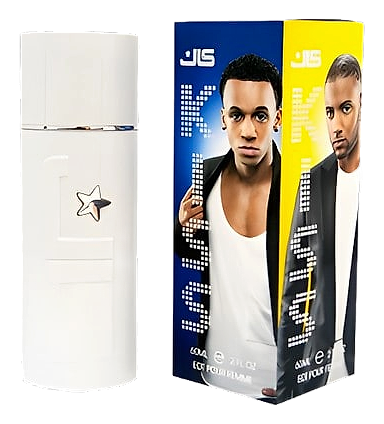
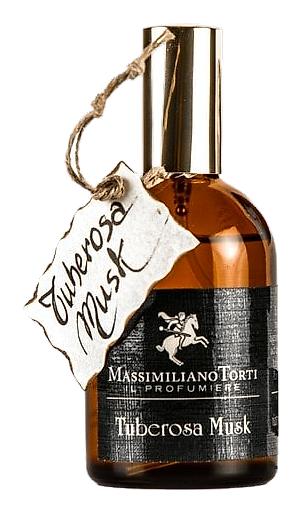
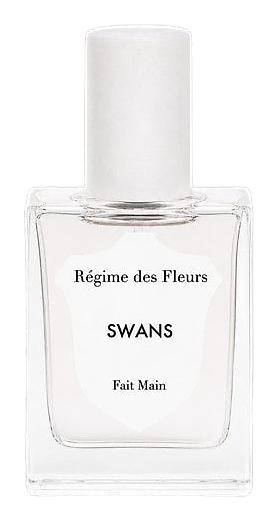
Fragrances featuring Peach Peel
Brands
Brands known for Peach Peel
Good to know
Questions, answered
The essentials on Peach Peel in perfumery: how it smells, where it comes from, and how it behaves on skin.
What does Peach Peel smell like in perfume?
Peach Peel reads as a warm, juicy fruit note with creamy lactonic sweetness and a faint fuzzy-skin waxiness. It sits between bright citrus zest and soft, velvety pulp, giving compositions a natural, sun-ripened lift.
Is Peach Peel a natural ingredient in fragrance?
No commercial perfume uses true peach peel oil at scale. The note is constructed synthetically from nature-identical molecules such as gamma-decalactone and ethyl 2-methylbutyrate, since natural extraction yields are extremely low.
Where does peach originally come from?
Peach trees are native to northwestern China, where archaeological evidence dates cultivation to roughly 6000 BCE. The fruit spread west along the Silk Road and reached the Mediterranean by the first century CE.
How is peach scent captured for perfumery?
Perfumery builds peach scent from isolated aroma molecules rather than distilled fruit. Cold-pressed peel yields minimal oil, so gamma-decalactone, aldehyde C-14, and fruity esters are blended to recreate the note.
Which fragrance families use peach notes most?
Fruity-floral and gourmand compositions rely on Peach Peel most heavily. It also appears in classic florals such as Guerlain Mitsouko, where it adds a soft, dewy counterpoint to heavier chypre bases.
Why don't perfumers distill real peach peel?
Peach flesh is over eighty percent water and high in sugars, so steam distillation degrades the volatile compounds and produces off-notes. Cold pressing yields under 0.01% oil by weight, making the process uneconomical.
What chemicals recreate the peach smell?
Gamma-decalactone provides creamy lactone sweetness, while esters like ethyl 2-methylbutyrate add tart fruitiness. Aldehyde C-14 lends a soft, fleshy warmth that anchors the accord against floral or chypre bases.
Is Peach Peel safe for sensitive skin?
The synthetic lactones and esters used to build Peach Peel accords are generally well tolerated at low fragrance concentrations. Anyone with known sensitivities should still patch test finished formulations on the wrist before full wear.