Orange Sorbet
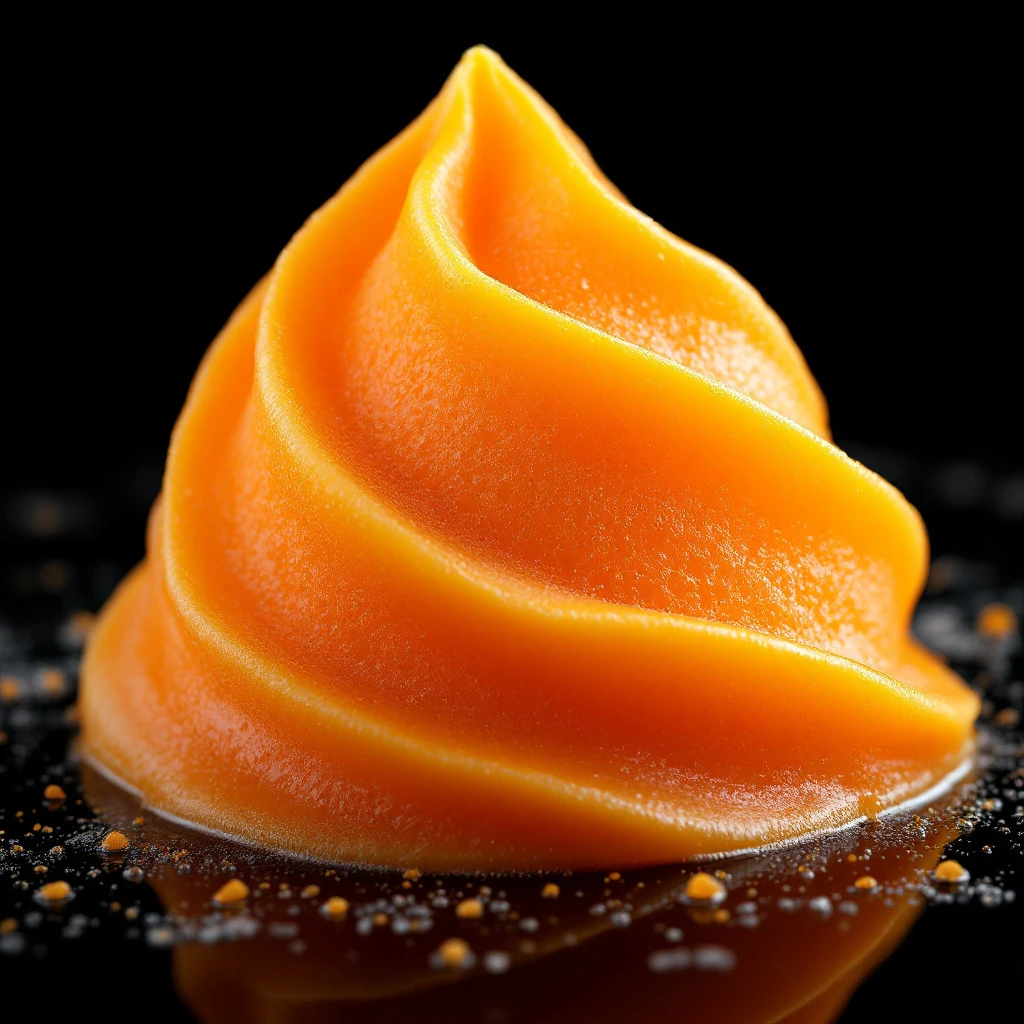
Orange sorbet captures the bright, icy sweetness of frozen citrus pulp. A modern gourmand accord built to evoke dessert without the calories, it radiates juicy zest and crystallized sugar on skin.
Character
How it smells
Frozen citrus, crystallized sunshine.
Orange sorbet is almost always a synthetic accord because natural orange oil loses its crisp, frosty edge within hours of extraction, something perfumers first noticed in the 1980s gourmand boom.






Origin
France
The scent of orange sorbet has roots older than the accord itself. Citrus peels entered European perfumery through Sicily and the trading ports of the Mediterranean, where cold-pressed bergamot and bitter orange oils became fixtures of 17th-century cologners. By the 19th century, advances in organic synthesis gave perfumers access to isolated citrus aldehydes like decanal and citral, which made sharp orange notes reproducible at scale.
The specific sorbet illusion, cold, sweet, almost edible, had to wait until the late 20th century. When Thierry Mugler launched Angel in 1992 and opened the gourmand chapter of modern perfumery, perfumers began treating food itself as a serious note category. Orange sorbet emerged as a fresher counterpoint to heavier dessert accords like caramel and chocolate, often paired with vanilla, white musk, or aquatic molecules to suggest frozen texture.
Today it appears across mainstream and niche houses, a reminder that perfumery now borrows freely from the kitchen, not only the orchard.
Wears it best
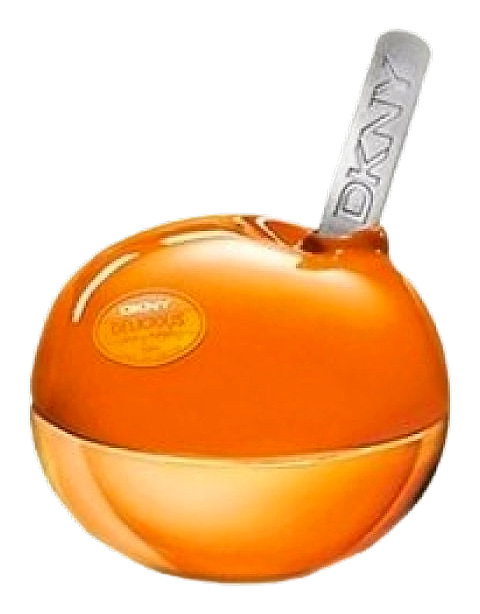
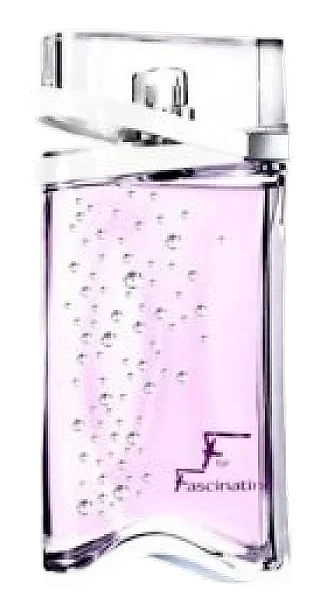
Fragrances featuring Orange Sorbet

Brands
Brands known for Orange Sorbet
Good to know
Questions, answered
The essentials on Orange Sorbet in perfumery: how it smells, where it comes from, and how it behaves on skin.
What does orange sorbet smell like in perfume?
It smells like freshly zested sweet orange chilled with sugar, bright and juicy with a frozen, almost crystalline edge. The accord is designed to feel cold and dessert-like rather than purely citrine.
Is orange sorbet a natural ingredient?
Not typically. It is a constructed accord built from cold-pressed orange oil and synthetic molecules, since natural citrus oxidizes too quickly to hold a crisp sorbet effect over a fragrance's lifetime.
How is orange sorbet made for perfumery?
Perfumers combine cold-pressed orange peel oil with citrus aldehydes, sweet molecules like ethyl maltol, and sometimes cooling agents. The blend is briefly aged so the citrus notes settle into the sugary base.
When did orange sorbet appear in fragrances?
It emerged in the 1990s alongside the gourmand movement sparked by Angel in 1992, when perfumers began treating edible, dessert-style notes as serious composition material.
What pairs well with orange sorbet in a formula?
Vanilla, white musk, and aquatic molecules are common partners. These bases soften the citrus and reinforce the cold, creamy illusion without dulling its zesty brightness.
Where does the orange oil in the accord come from?
Most sweet orange oil is cold-pressed in Brazil and the United States, particularly Florida, which together supply the majority of the world's orange peel oil.
Is orange sorbet the same as neroli or orange blossom?
No. Neroli and orange blossom absolute come from the bitter orange tree's flowers, while orange sorbet is built from the fruit's peel and synthetic sweet molecules.
Why do perfumers use synthetics for orange sorbet?
Synthetic aldehydes and sweeteners give the accord stability and an icy crispness that natural orange oil loses within hours of oxidation, making them essential to the note's lasting effect.