Orange Blossom Bud
Orange blossom captures spring's first breath: a sun-drenched floral with sweet nectar, indolic depth, and a whisper of bitter green. From bitter orange buds emerges one of perfumery's most cherished white florals.
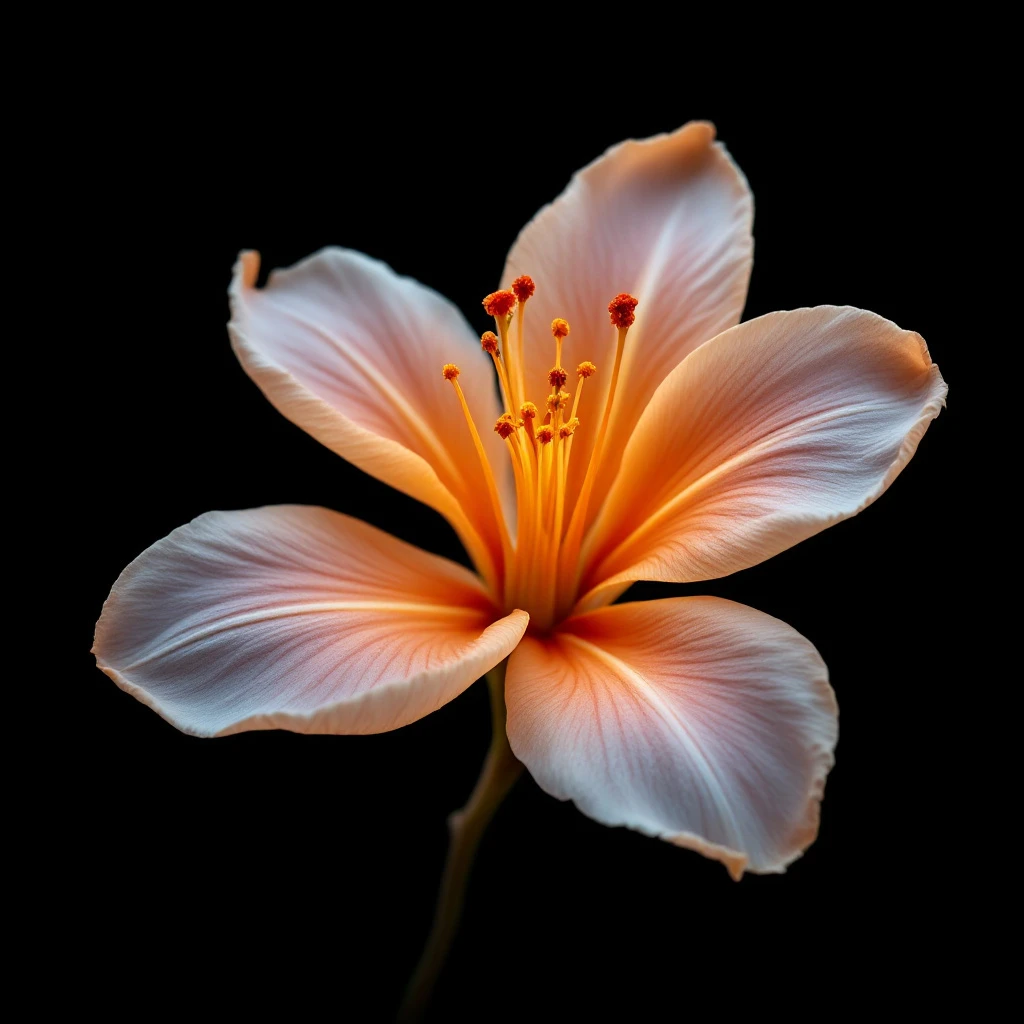
Character
How it smells
Spring's sun-drenched white floral with a honeyed bite.
Tunisia dominates global production, cultivating roughly 600 hectares of orange blossom for perfumery.





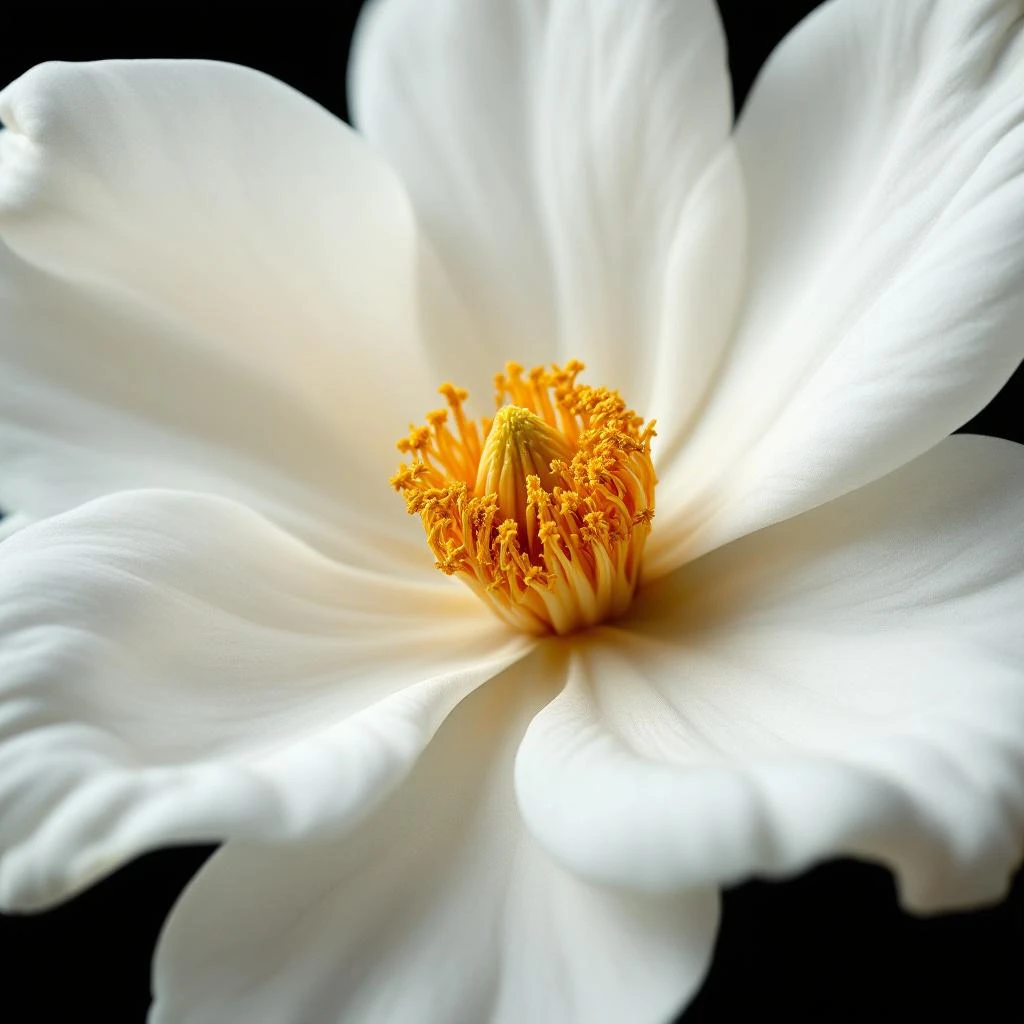

Origin
China and India
The bitter orange tree originated in China and India before spreading westward along ancient trade routes. European perfumers first distilled orange blossom in the 16th century, giving birth to neroli oil, named for the Italian princess who popularized its use.
French cultivation began in the early 19th century, establishing the Grasse region as a center for orange blossom production, though volumes declined within fifty years. The ingredient appeared in 18th-century French fragrances, marking its transition from ceremonial use to artistic perfumery.
Wedding traditions across the Mediterranean incorporated orange blossom as a symbol of purity and fertility, influencing its romantic connotations in fragrance. Today, orange blossom remains a cornerstone of white floral compositions, its warm, multi-faceted character bridging fresh citrus and rich floral traditions.
Wears it best
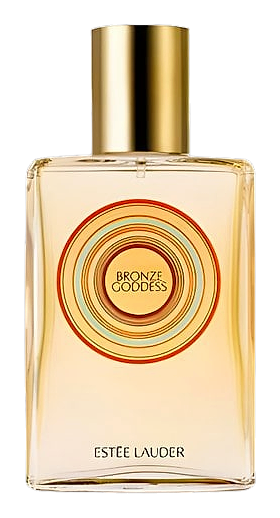
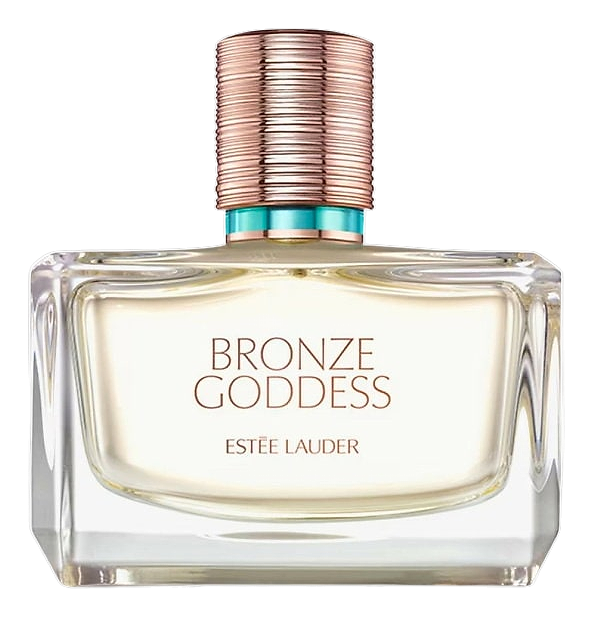
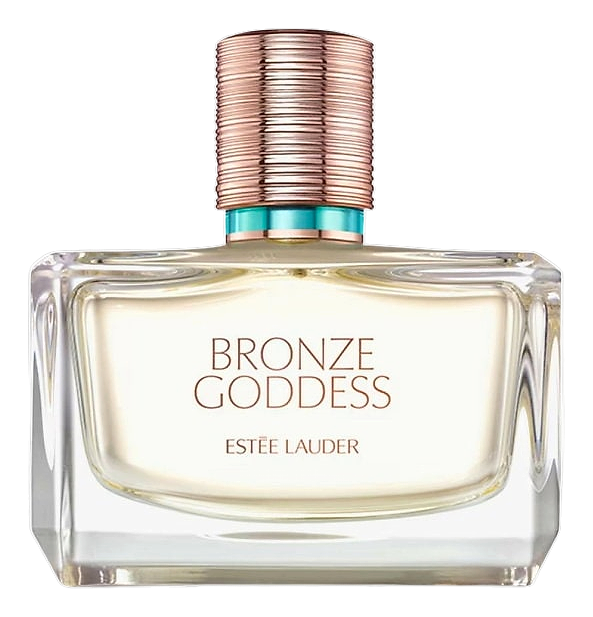
Fragrances featuring Orange Blossom Bud
Brands
Brands known for Orange Blossom Bud
Good to know
Questions, answered
The essentials on Orange Blossom Bud in perfumery: how it smells, where it comes from, and how it behaves on skin.
What does orange blossom smell like in perfume?
Orange blossom offers a sweet, waxy floral scent with honeyed nectar notes, balanced by a green, slightly bitter edge. It reads as both sunny and intimate, combining fresh citrus blossoms with deeper indolic warmth reminiscent of jasmine.
What is the difference between orange blossom absolute and neroli oil?
Neroli oil comes from steam distillation of fresh orange blossoms, producing a lighter, more volatile citrus-floral. Orange blossom absolute results from solvent extraction, yielding a richer, thicker material with greater depth and tenacity in formulations.
Which countries produce orange blossom for perfumery?
Tunisia leads global production with approximately 600 hectares under cultivation. Morocco and Egypt also contribute significant volumes to the fragrance industry's supply chain.
How long before a bitter orange tree produces harvestable blossoms?
Bitter orange trees require roughly 15 years to reach full production maturity. Once established, a mature tree yields several kilograms of fresh blossoms annually during the spring harvest.
What fragrance families pair well with orange blossom?
Orange blossom integrates naturally with citrus, other white florals like jasmine and tuberose, and woody base notes including sandalwood and cedar. It anchors bright top notes while adding warmth to cooler aromatic compositions.
Why is orange blossom significant in wedding traditions?
Mediterranean cultures have long associated orange blossom with purity, fertility, and lasting love. Brides traditionally wore or carried orange blossom, a symbolism that carries through to modern wedding fragrances.
Can orange blossom be synthetically replicated?
Synthetic alternatives exist for specific orange blossom aroma chemicals, but they cannot fully replicate the natural ingredient's complex spectrum. Natural orange blossom contains hundreds of aromatic compounds that interact in ways synthetics only partially capture.
Does orange blossom absolute contain indole?
Orange blossom absolute contains trace indole quantities that add depth and a subtle animalic quality. This component gives the absolute its characteristic intimate, slightly intoxicating character at low concentrations.



