Old Leather
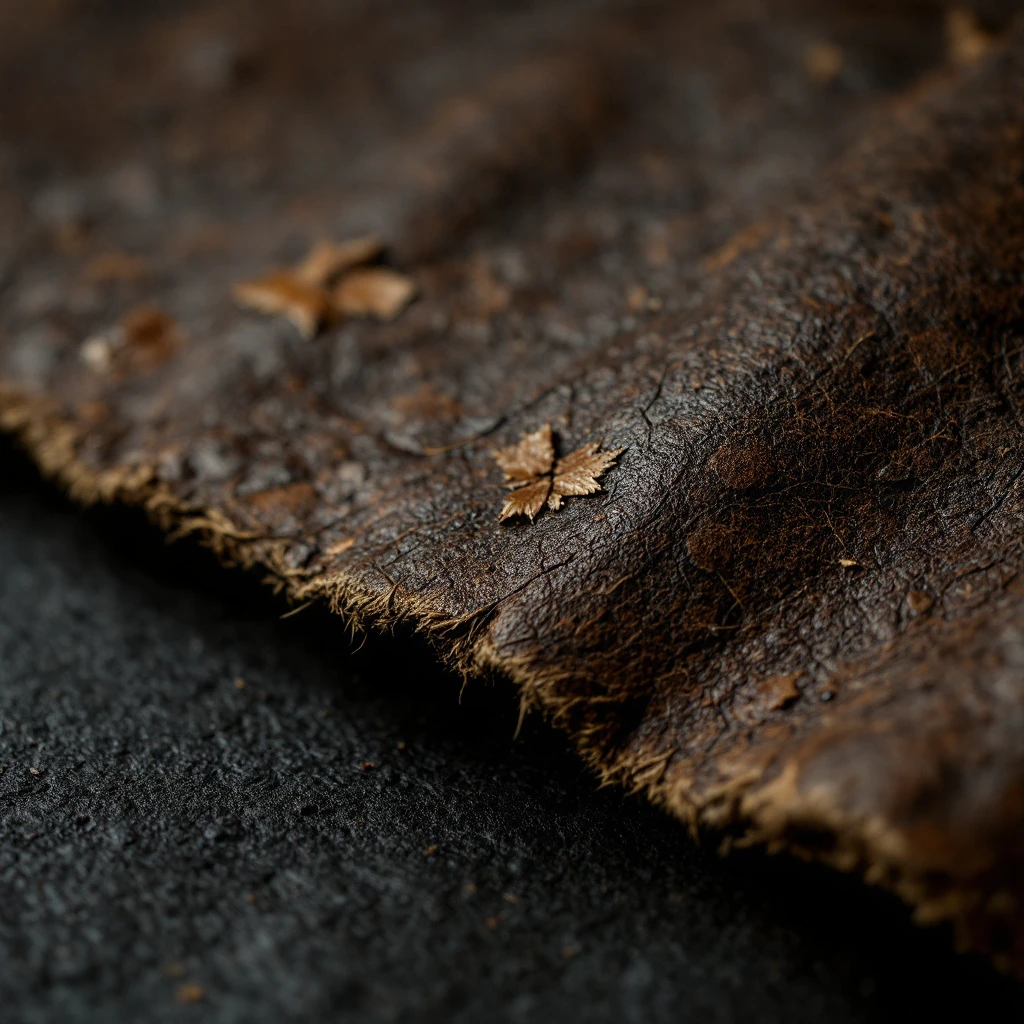
Old leather captures the scent of aged hide rich with tobacco, smoke, and well-worn saddle. A foundation note in classical perfumery, it anchors compositions with depth and quiet authority.
Character
How it smells
Tobacco-dark hide, smoothed by time.
Grasse, now the perfume capital of the world, built its early industry on tanning leather glove hides from Spain and Genoa; scent chemists later emerged from that tanneries.

Origin
France (Grasse region, as leather-tanning perfumery center)
Leather and scent share origins thousands of years old. Archaeologists have found that by 2000 BCE, Asian tanners perfumed hides with kumquat bark and aromatic oils to mask the smell of raw animal skin. In medieval Europe, Grasse prospered first as a leather-tanning center, processing Spanish and Genoese pelts into fine gloves.
The unpleasant odor of tanned hide pushed local craftsmen to scent their products, eventually steering the entire region toward perfume making by the sixteenth century. By the eighteenth century, glove perfumers had become some of the first modern noses, blending aromatic waters and later absolutes onto finished leather goods. When François Coty popularized solvent extraction in the early 1900s, leather accords gained new subtlety.
Classic fragrances from Cuir de Russie onward cemented leather as a pillar of masculine and unisex perfumery.
Wears it best
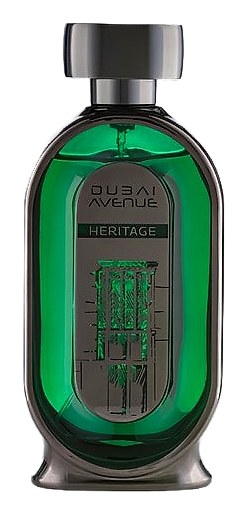
Fragrances featuring Old Leather
Brands
Brands known for Old Leather
Good to know
Questions, answered
The essentials on Old Leather in perfumery: how it smells, where it comes from, and how it behaves on skin.
What does old leather smell like in perfume?
Old leather in perfume smells smoky, warm, and slightly sweet, recalling cured hide, woodsmoke, and tobacco. The effect comes from birch tar, labdanum, and styrax layered together to recreate aged saddle or vintage books.
Is old leather a natural or synthetic ingredient?
Both. Traditional leather accords rely on natural materials like birch tar and labdanum resin, while modern versions often include synthetic molecules such as isobutylquinoline, first developed in the early twentieth century for consistent leather character.
Why is Grasse associated with leather perfumery?
Grasse built its sixteenth-century economy on tanning leather goods from Spanish and Genoese pelts. Local artisans developed aromatic techniques to scent finished gloves, eventually transforming the region into the perfume capital of the world.
What is the oldest known use of leather in fragrance?
Archaeological evidence shows that by around 2000 BCE, Asian tanners scented hides with kumquat tree bark and aromatic oils. This represents one of humanity's earliest recorded attempts to mask the smell of raw leather.
What is birch tar and why is it important?
Birch tar is a dark, smoky oil produced by heating birch bark in sealed vessels, a process called destructive distillation. It provides the sharp, smoky top of a classic leather accord and remains the single most recognizable leather ingredient in perfumery.
What is the difference between old leather and suede notes?
Old leather evokes dry, smoky, cured hide with tobacco and wood accents. Suede notes are softer, powdery, and cleaner, typically built from aldehydes and synthetic molecules that mimic the nap of brushed leather rather than aged hide.
When did leather become a major perfume category?
Leather solidified as a major perfume category in the early twentieth century following François Coty's rise to fame around 1900 and the launch of Cuir de Russie in 1924, which established leather as a pillar of classical masculine perfumery.
Is old leather suitable for everyday wear?
Yes, when properly dosed. Most modern leather fragrances place a small percentage of leather accord (typically one to three percent) within a broader composition, making the note wearable rather than dominant in daily settings.