Oarweed
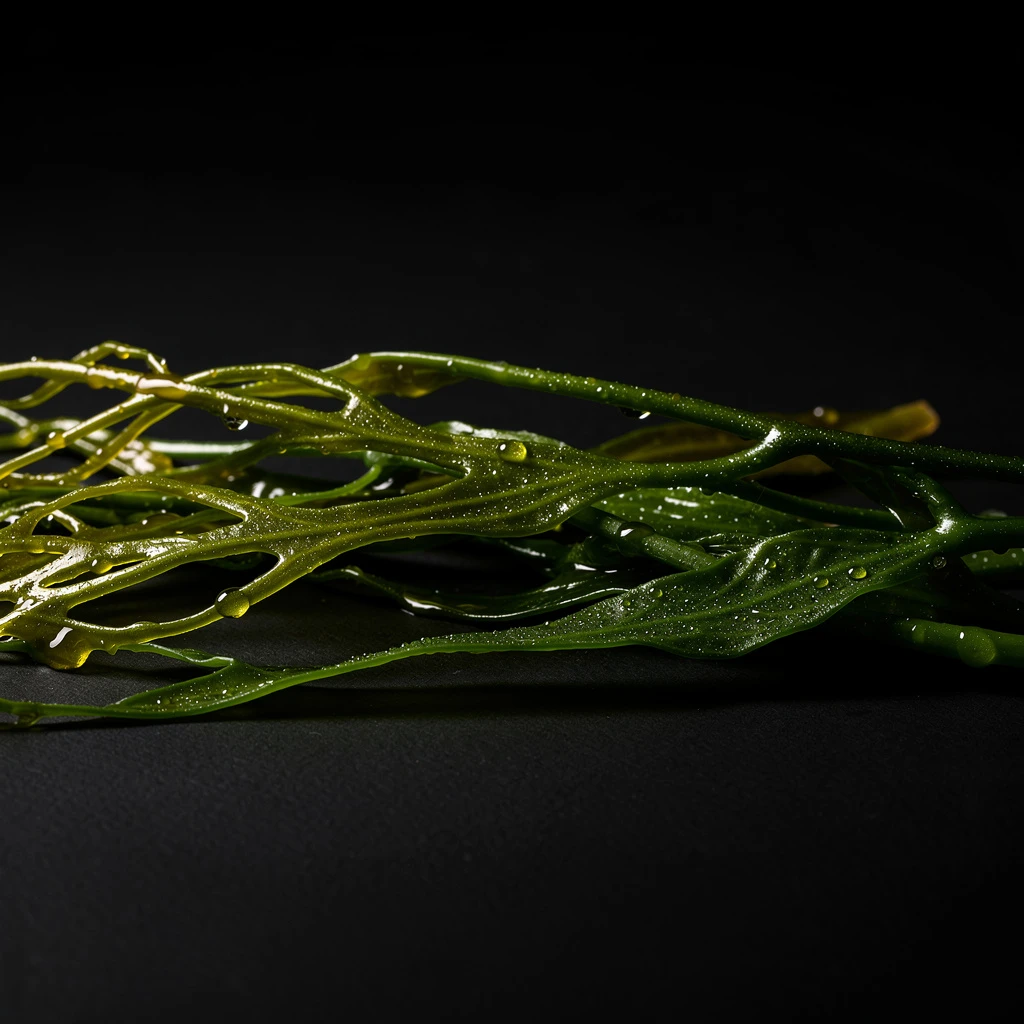
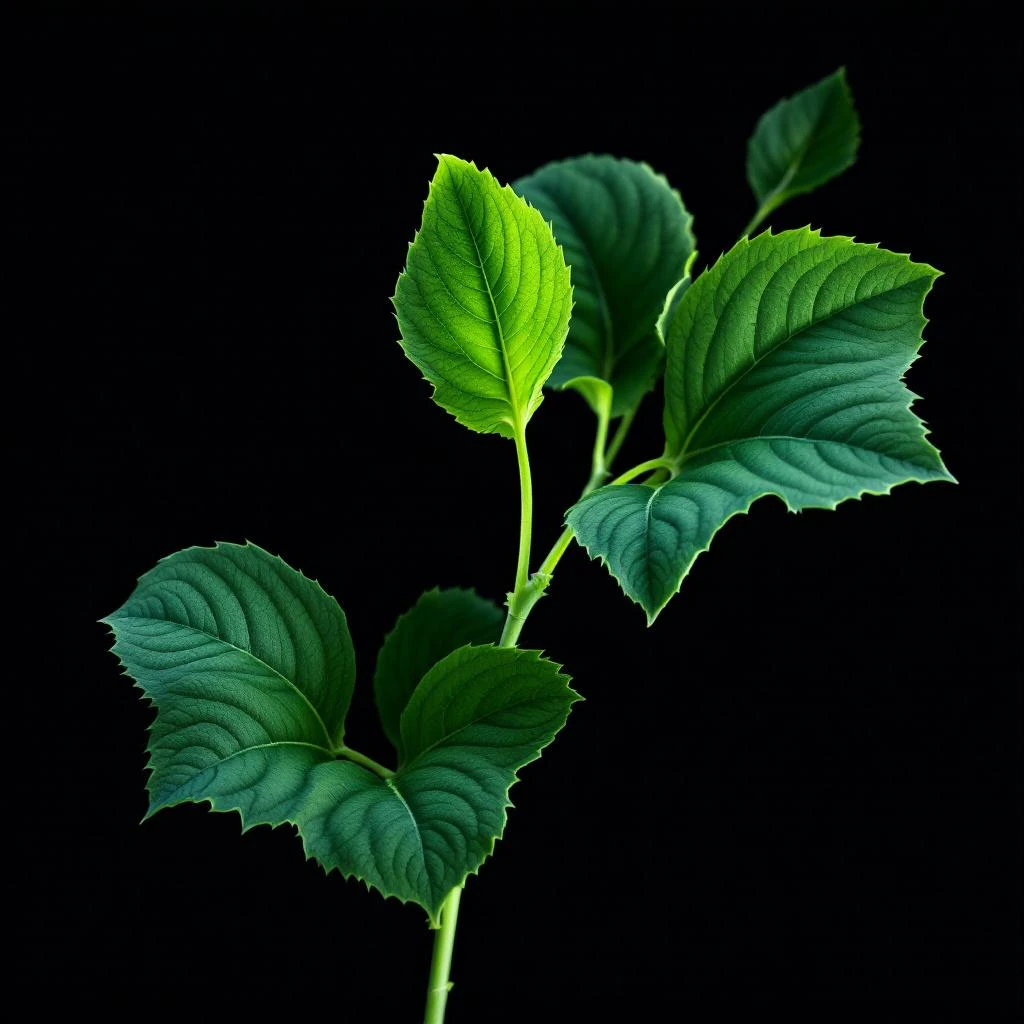
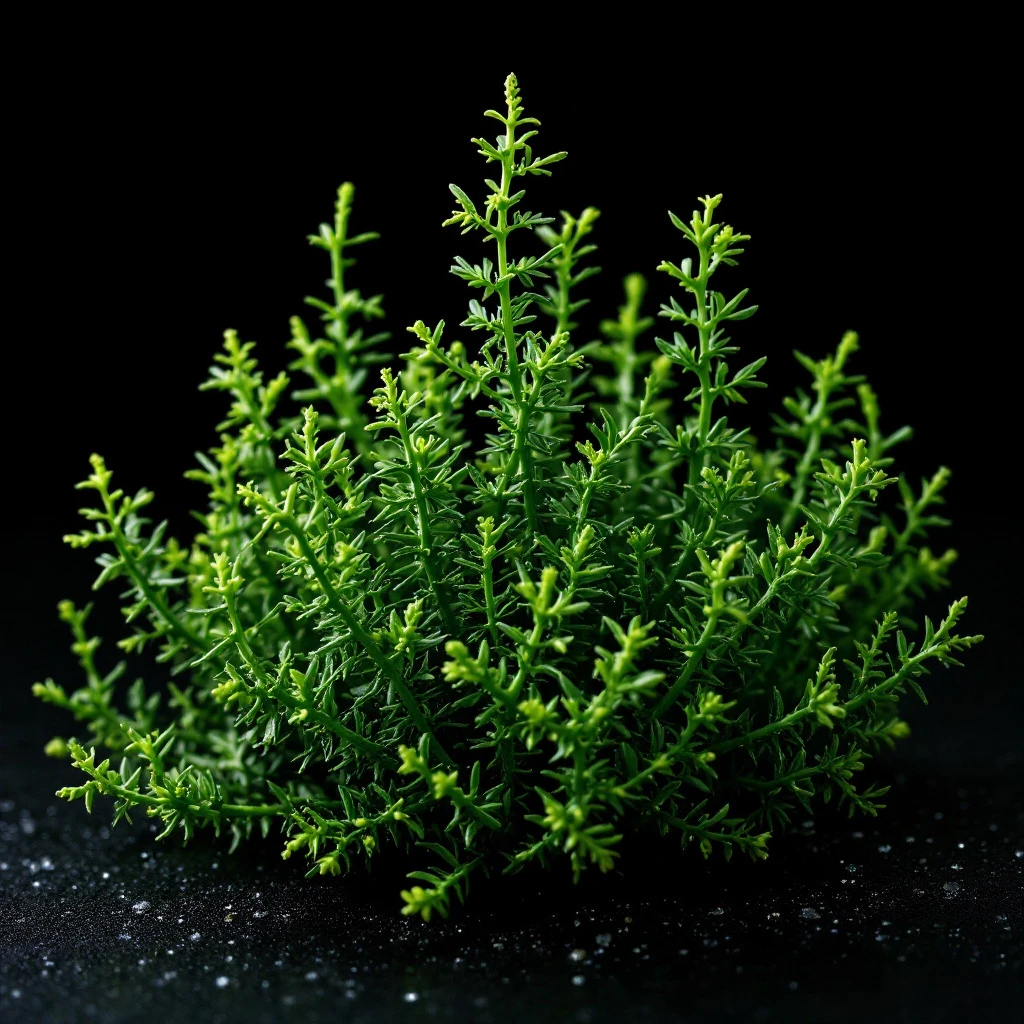
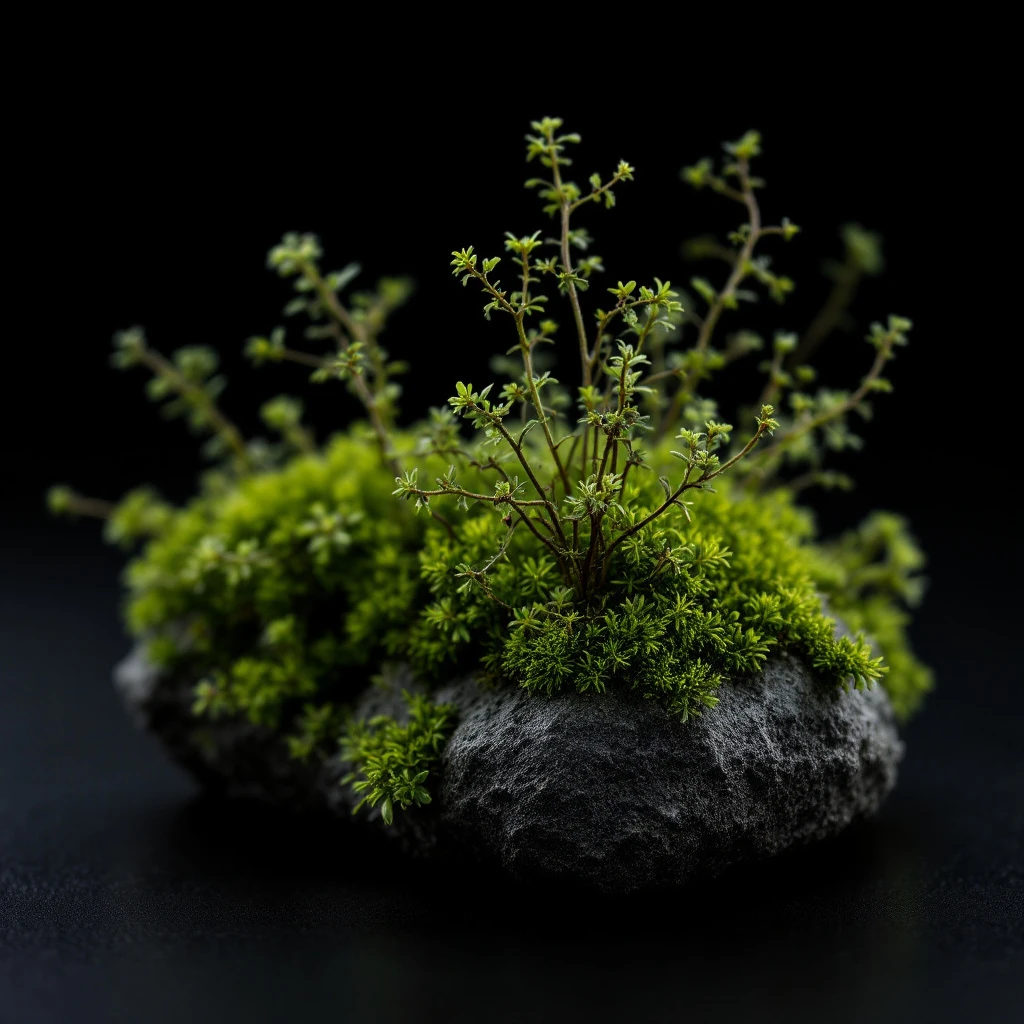
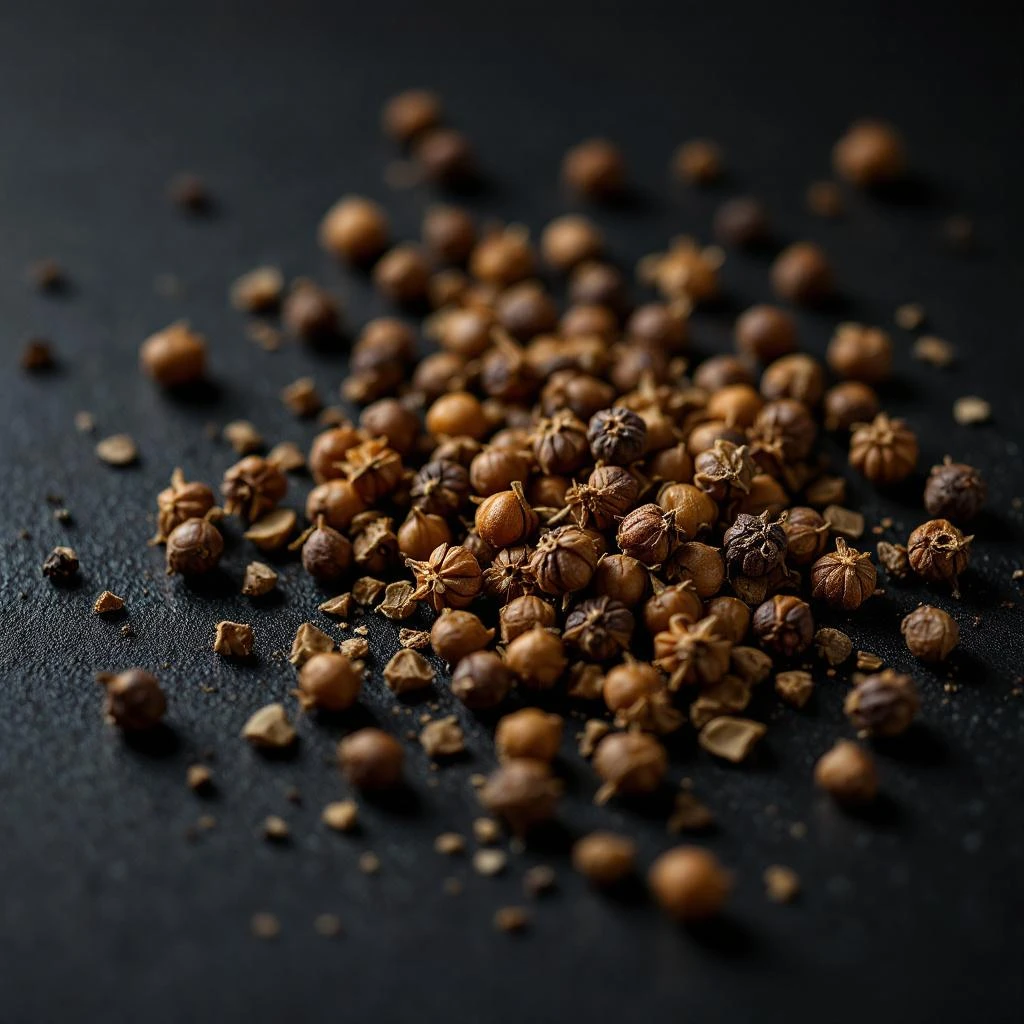
Oarweed is a brown seaweed harvested along Atlantic coastlines, prized in perfumery for its distinctive briny, iodine-rich marine character. It grounds aquatic compositions with a raw, mineral-like depth.
Character
How it smells
The salty whisper of the Atlantic tide.
Oarweed can grow up to 4 meters long, forming vast underwater forests that coastal perfumers have only recently begun to capture in bottles.


Origin
France
Coastal communities from Ireland to the Iberian Peninsula have known oarweed by many names for centuries, using it as fertilizer, animal feed, and even a glassmaking ingredient due to its high mineral content. Its path into perfumery is far more recent. When marine and aquatic fragrance categories surged in popularity during the late twentieth century, perfumers sought natural materials that could replicate the unmistakable scent of fresh seawater.
Synthetic molecules like Calone dominated the era, but a small circle of artisanal perfumers began experimenting with actual seaweed distillates around the 1990s. Brittany and the Outer Hebrides became focal points for this work, where traditional knowledge of seaweed harvesting intersected with emerging interest in botanical perfumery. By the 2010s, niche fragrance houses in France and the UK had begun featuring oarweed as a named note, celebrating its authenticity over reconstructed aquatics.
Today it remains a rare, labor-intensive ingredient prized for grounding compositions that aim to evoke genuine ocean air rather than abstract freshness.
Wears it best
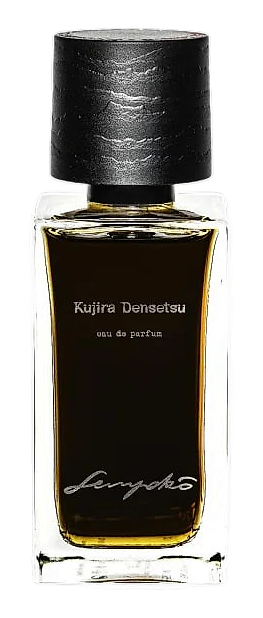
Fragrances featuring Oarweed
Brands
Brands known for Oarweed
Good to know
Questions, answered
The essentials on Oarweed in perfumery: how it smells, where it comes from, and how it behaves on skin.
What does oarweed smell like in perfume?
Oarweed contributes a briny, iodine-rich aroma with mineral and green-salty facets. It reads as authentic ocean air rather than a synthetic aquatic note, lending depth to marine compositions.
Is oarweed a natural or synthetic fragrance ingredient?
Oarweed is a natural material, though its distillation yields are low. Some perfumers pair it with synthetic marine molecules like Calone to build layered aquatic structures.
Where is oarweed harvested for perfumery?
Coastal Brittany in France remains a primary source, with additional harvesting in Ireland, Scotland, and the Outer Hebrides. These Atlantic waters produce the most aromatic specimens.
How is oarweed processed for fragrance use?
Harvested blades are sun-dried or air-dried before steam distillation or CO2 extraction. The process concentrates volatile sulfur and iodine compounds that define its marine scent.
Which fragrance families use oarweed?
Oarweed appears primarily in aquatic, fougère, and aromatic marine compositions. It also adds grounding salt accents to green fragrances and modern unisex colognes.
When did oarweed enter modern perfumery?
Niche French and British houses introduced oarweed as a named note during the 1990s and 2000s, as interest grew in authentic natural alternatives to synthetic aquatics.
Why is oarweed expensive in fragrance?
Its low distillation yield and labor-intensive coastal harvesting make oarweed costly. A single hectare yields only small quantities of usable aromatic concentrate.
Is oarweed sustainable to harvest?
Hand-cutting and seasonal rotation allow sustainable harvest, though overharvesting threatens kelp forest ecosystems. Reputable suppliers follow Marine Stewardship Council guidelines.