Nympheal
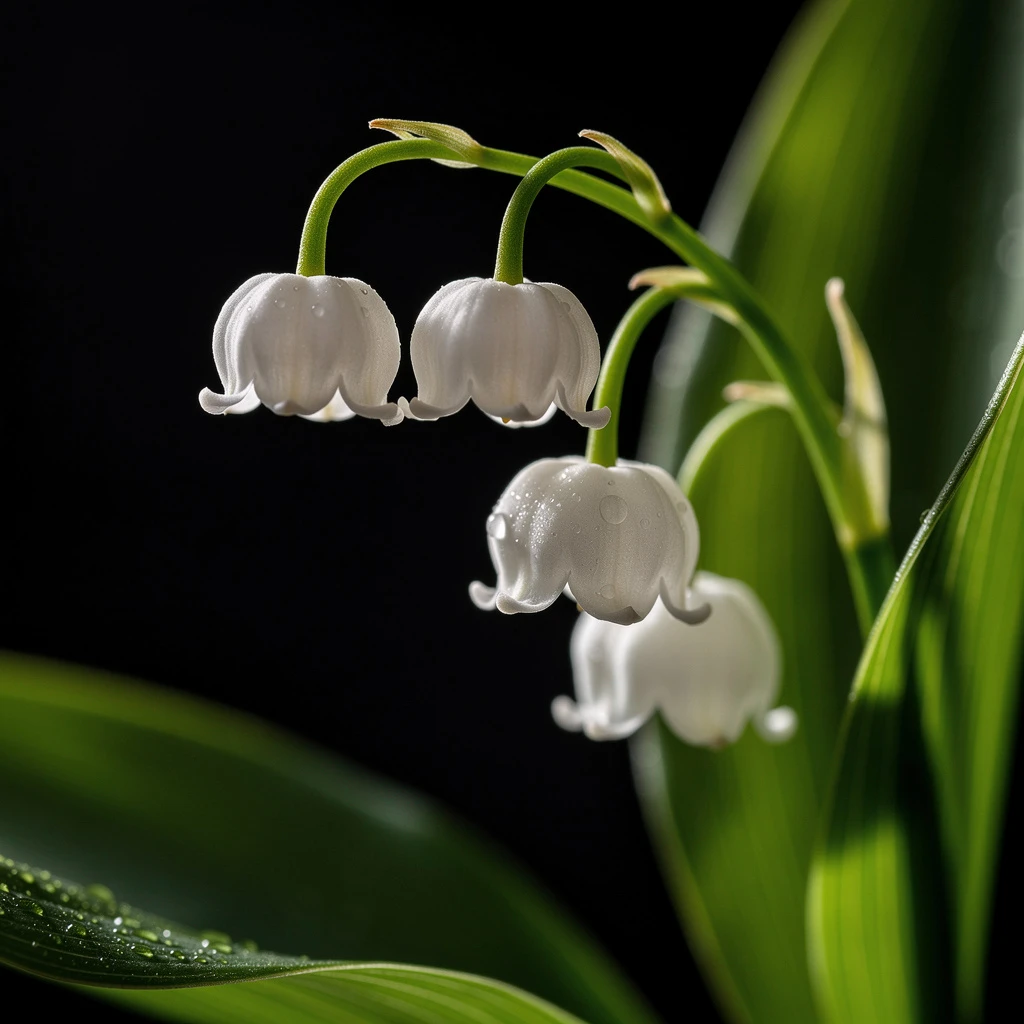
Nympheal™ captures the dewy freshness of lily of the valley with an opulent creaminess that transforms white floral compositions into something truly luminous.
Character
How it smells
The modern benchmark for lily of the valley.
It took perfumers over sixty years of research after hydroxycitronellal's debut to achieve this level of muguet authenticity in a single molecule.






Origin
Switzerland
The quest for authentic muguet in perfumery began in the late nineteenth century when modern synthetic chemistry first emerged. Hydroxycitronellal achieved early success around 2.
5% concentration in Quelques Fleurs, establishing lily of the valley as a viable fine fragrance note. Yet another sixty years would pass before the fragrance industry could produce the first biotech-based perfumery ingredients, building toward today's advanced molecular design.
Givaudan's research teams drew on this entire legacy to develop Nympheal, which refines and elevates the original muguet aldehyde concept. The ingredient now serves as a cornerstone of white floral creation, offering perfumers a level of olfactory performance and environmental responsibility that earlier generations of chemists could only imagine.
Wears it best
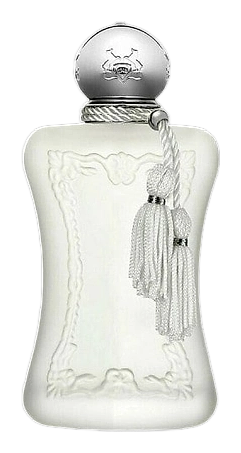
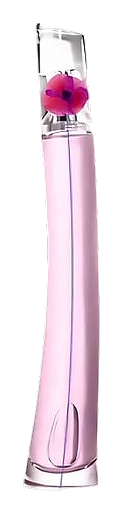
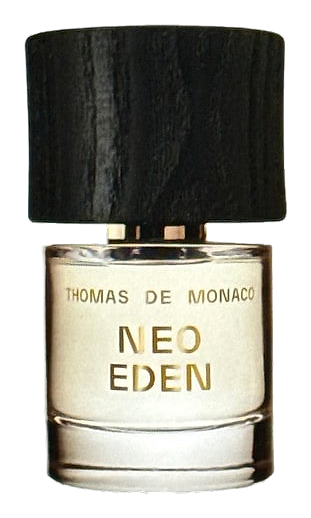
Fragrances featuring Nympheal
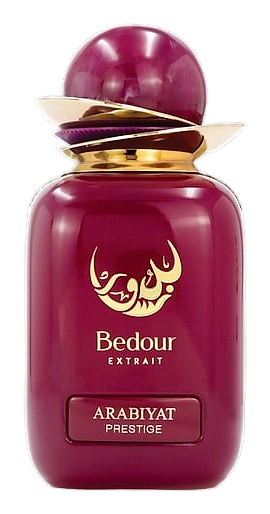
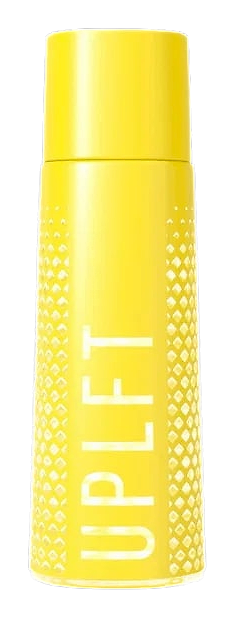
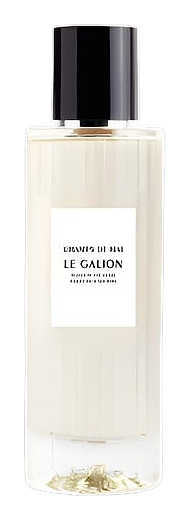
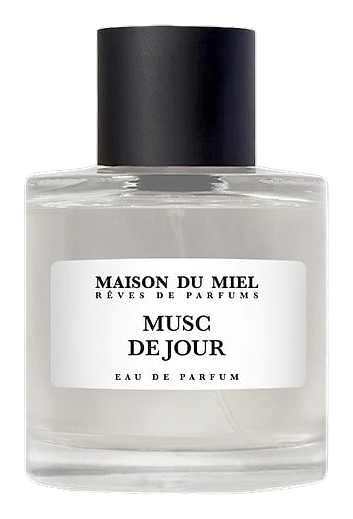
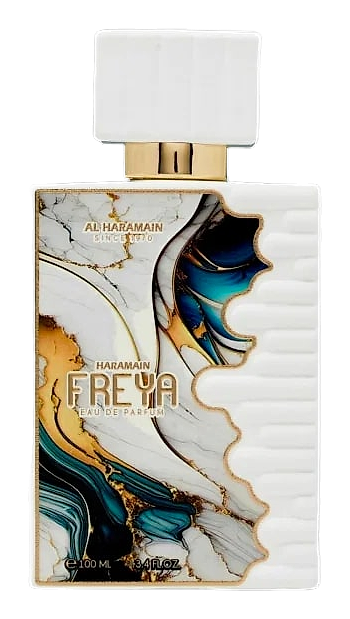
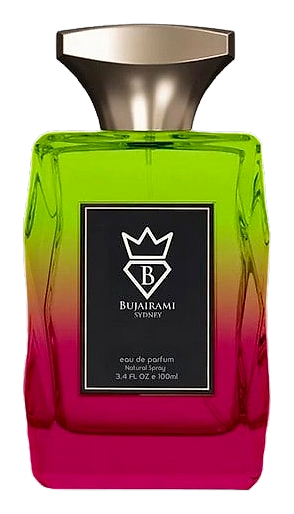
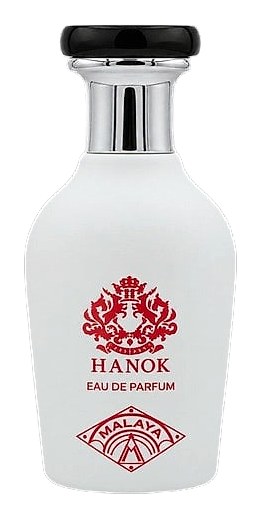


Brands
Brands known for Nympheal
Good to know
Questions, answered
The essentials on Nympheal in perfumery: how it smells, where it comes from, and how it behaves on skin.
What is Nympheal in perfumery?
Nympheal is a synthetic muguet aldehyde created by Givaudan that replicates the scent of lily of the valley. It provides fresh, opulent white floral character with subtle linden blossom undertones.
How does Nympheal differ from natural lily of the valley?
Natural lily of the valley yields very little essential oil, making it impractical for fragrance use. Nympheal captures the authentic scent profile through molecular design, offering consistent performance that natural materials cannot match.
What makes Nympheal environmentally significant?
Nympheal is fully biodegradable, representing a shift toward sustainable synthetic ingredients. Its development through green chemistry principles reduces the environmental footprint compared to traditional aroma chemicals.
What scent characteristics does Nympheal provide?
Nympheal delivers watery freshness, creamy white floral opulence, and a delicate hint of linden blossom. It adds volume and exceptional diffusion to fragrance compositions.
Which fragrance families use Nympheal most effectively?
White florals benefit most from Nympheal, though it performs across floral, fruity, and green compositions. Its versatility spans fine fragrances, personal care, and home products.
How long-lasting is Nympheal in formulations?
Nympheal demonstrates excellent substantivity, meaning it remains detectable on skin and fabric for extended periods. A small percentage delivers significant impact in final formulations.
Is Nympheal considered a sustainable ingredient choice?
Yes. Givaudan developed Nympheal using principles of green chemistry, and its biodegradable profile supports sustainable fragrance creation without compromising olfactory performance.
What historical breakthrough does Nympheal represent?
Nympheal emerges from over 60 years of aldehyde research since hydroxycitronellal debuted in fine perfumery. It refines the classic muguet note with modern sustainability standards and superior performance.
In the same family