The Story
Why it exists.
The beginning
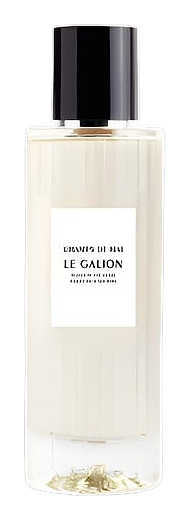
Champs de Mai arrived in 2020 as Le Galion's tribute to Prince Murat, the house's original patron who founded the brand in 1930. Quentin Bisch of Givaudan was given a simple brief: translate the rose into something new. Not a recreation, an echo across decades. The name itself, Fields of May, carries the freshness of late spring, that brief window when everything blooms at once and the air smells like the first warm day after rain.
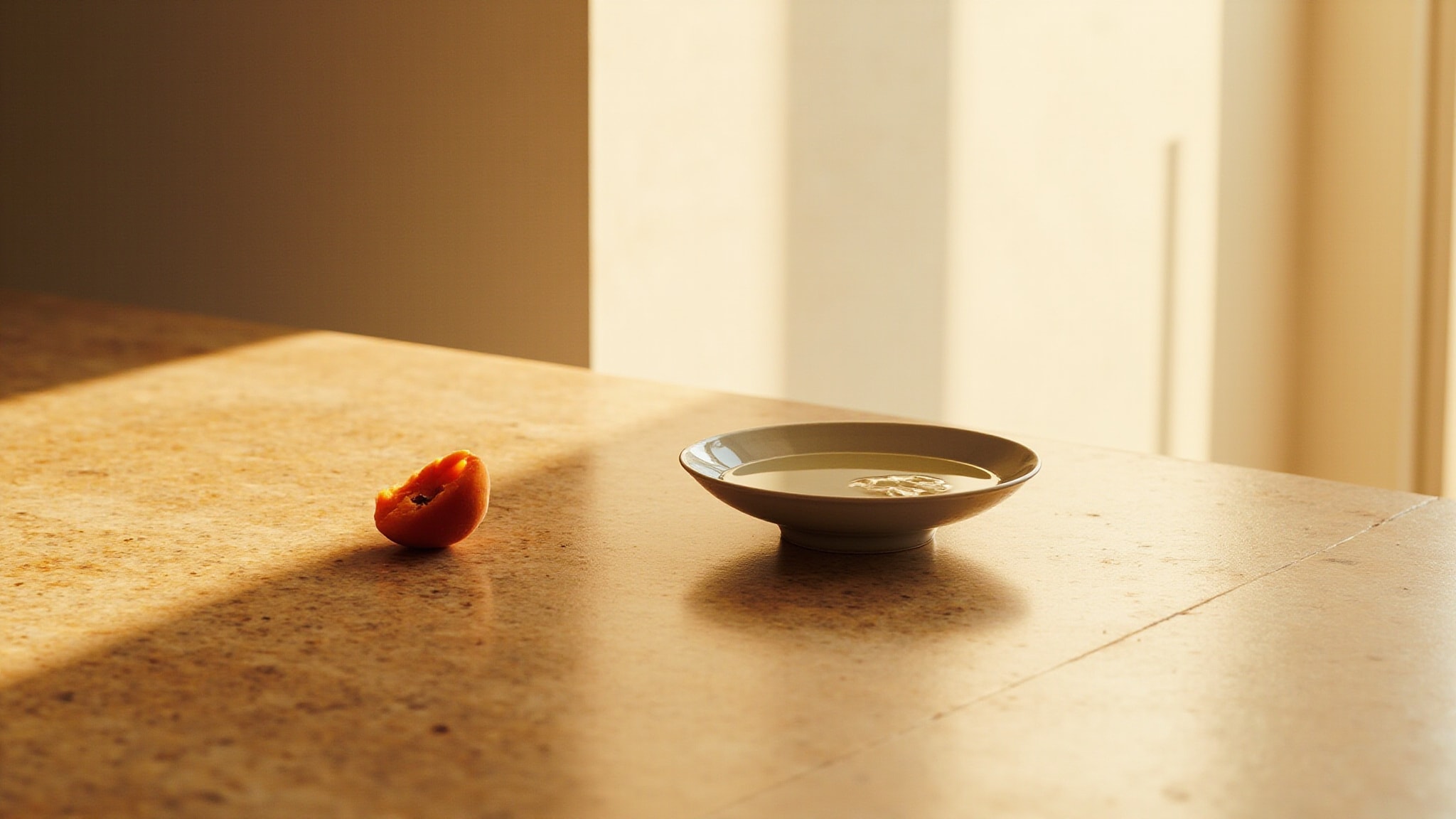
What makes Champs de Mai unusual is its deliberate reliance on Givaudan's captive materials, Pomarose, Rosyfolia, Nympheal, Petalia, not as substitutes for natural materials but as something the naturals cannot offer: consistency, precision, a rose that smells exactly the same on skin three hours later. The May Rose in the heart (Rosa centifolia) arrives already filtered through these synthetics, gaining a crystalline quality that true rose absolute rarely achieves. Apricot adds a soft juiciness that keeps the whole composition from reading as cold. This is synthetic-floral as an aesthetic choice, not a budget decision.
The evolution
The opening announces itself immediately, synthetic rose, clear and clean, with a slight chemical brightness that reads as freshness rather than harshness. Apricot arrives within minutes, softening the edges, giving the rose something to rest against. The transition into the heart phase is seamless: Nympheal and Petalia layer over the May Rose, creating a floral density that is impressive in its composure. Nothing spikes or drops unexpectedly. The drydown belongs entirely to Ambroxan, a warm, slightly musky amber that keeps the whole composition intimate rather than projecting. On fabric, it lasts through the evening. On skin, plan for six to eight hours of something that never stopped being precise.
Cultural impact
Champs de Mai arrived during a wave of heritage house reissues, but with a crucial difference. Rather than nostalgia bait, Le Galion used their 2020 revival to demonstrate what modern perfumery can accomplish that the original could not. The house, dormant since the 1970s, returned with a strategy aligned to contemporary synthetic florals pioneered by Givaudan's captive materials program. This placement matters because it positions Champs de Mai not as a revival but as a continuation, one that acknowledges its 1930 ancestor while rejecting its limitations. The fragrance participates in a broader 2010s shift away from naturals-necessary thinking, proving that engineered precision can carry emotional weight.