    Brand Profile

    Maison Du Miel is a niche perfume house that builds each scent by hand, emphasizing natural raw materials and a tactile creation process. Th…More

    France

    2

    Fragrances

    4.3

    Rating

    45
    Madame Jolie by Maison Du Miel
    Best Seller
    5.0

    Madame Jolie

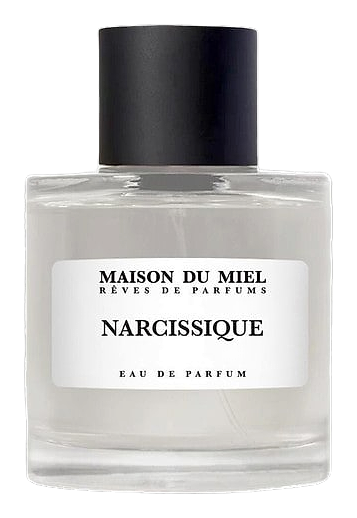
    Narcissique by Maison Du Miel
    Best Seller
    4.7

    Narcissique

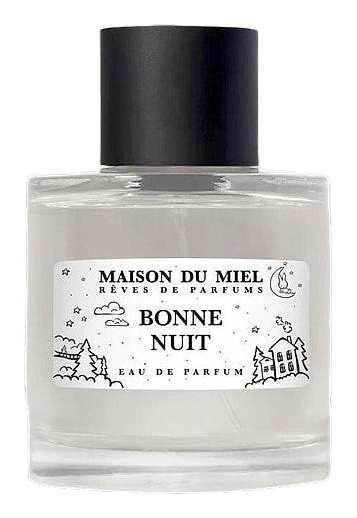
    Bonne Nuit by Maison Du Miel
    NewBest Seller
    4.7

    Bonne Nuit

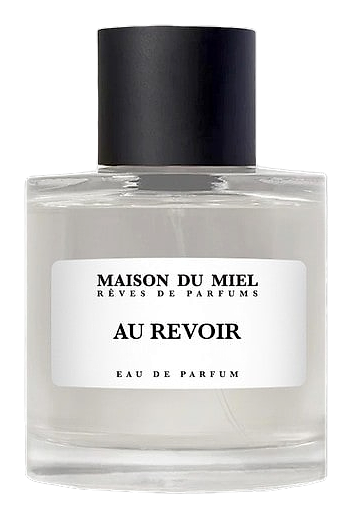
    Au Revoir by Maison Du Miel
    4.6

    Au Revoir

    Poire Moléculaire by Maison Du Miel
    New
    4.6

    Poire Moléculaire

    Roman A Florence by Maison Du Miel
    New
    4.5

    Roman A Florence

    Formidable Rose by Maison Du Miel
    New
    4.5

    Formidable Rose

    La Fete by Maison Du Miel
    4.5

    La Fete

    Rituel Mystique by Maison Du Miel
    New
    4.5

    Rituel Mystique

    Lustral by Maison Du Miel
    New
    4.5

    Lustral

    No.4 Gingembre by Maison Du Miel
    New
    4.5

    No.4 Gingembre

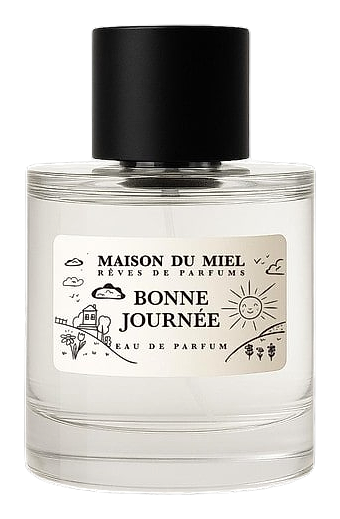
    Bonne Journe by Maison Du Miel
    New
    4.5

    Bonne Journe

    1 of 4

    The Heritage

    The Story of Maison Du Miel

    Maison Du Miel is a niche perfume house that builds each scent by hand, emphasizing natural raw materials and a tactile creation process. The brand’s catalogue, released between 2024 and 2026, includes titles such as Narcissique, Bonne Nuit and Lustral, each presented in minimalist glass vessels. Its Instagram feed, modest in size but active, signals a commitment to artisanal craftsmanship rather than mass distribution, positioning the house as a quiet alternative for collectors who value authenticity and ingredient transparency.

    Heritage

    Public information about the exact founding date of Maison Du Miel is scarce, and the brand does not publish a detailed chronology on its own channels. Independent perfume blogs note that the house emerged in the early 2020s, quickly gaining attention for its focus on honey as a signature note. By 2024 the label introduced its first wave of releases, beginning with Narcissique and Au Revoir, both of which were highlighted in niche fragrance forums for their nuanced composition. In 2025 the portfolio expanded dramatically, adding Bonne Nuit, Poire Moléculaire, Papillon Sensuel, Rituel Mystique, Fleur d'Or, Roman A Florence and the gender‑fluid offering Seraphine. The following year, 2026, saw the debut of Lustral, a fragrance that continued the brand’s exploration of luminous accords. Throughout this period, Maison Du Miel maintained a low‑key public presence, relying on word‑of‑mouth and specialist reviews rather than large‑scale advertising. The house’s evolution reflects a deliberate pacing, allowing each new scent to be fully developed, tested, and introduced to a discerning audience that values depth over volume. While the brand’s internal archives remain private, the consistent release schedule and the steady growth of its Instagram following suggest a sustainable, craft‑driven business model that has persisted for at least five years.

    Craftsmanship

    Every Maison Du Miel perfume is assembled by hand in a modest workshop where the perfumer and a small team of assistants collaborate on each batch. The process begins with the selection of raw materials, many of which are sourced from European farms and apiaries that meet organic or biodynamic standards. Honey, the house’s signature ingredient, is filtered and aged before being blended with essential oils, absolutes and synthetics that are chosen for their ability to complement the natural sweetness without overwhelming it. The blending stage follows a traditional approach: the perfumer measures each component using analytical balances, then allows the mixture to macerate for several weeks in temperature‑controlled dark rooms. During maceration, the scent evolves, and the team conducts periodic olfactory evaluations, adjusting the formula only when necessary. Once the fragrance reaches its intended profile, it is filtered through fine membranes to remove any particulate matter, then decanted into hand‑blown glass bottles that are sealed with screw caps made of recycled aluminum. Quality control includes gas chromatography analysis to verify the composition matches the original specification, as well as stability testing under varying humidity and temperature conditions. Packaging is assembled by hand, with each label applied manually to ensure alignment and consistency. The final product is boxed in recyclable material, reflecting the brand’s broader commitment to environmental responsibility. This meticulous, hands‑on methodology distinguishes Maison Du Miel from larger houses that rely on automated production lines, reinforcing its identity as a true artisanal perfume maker.

    Design Language

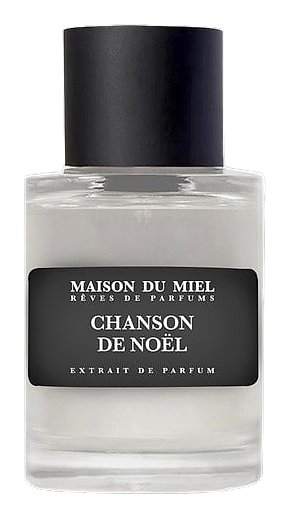
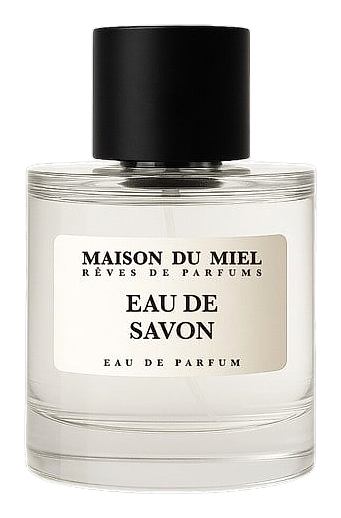
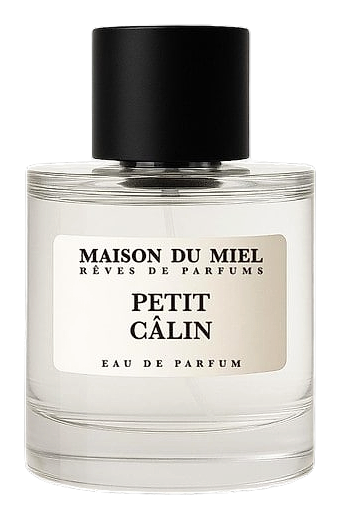
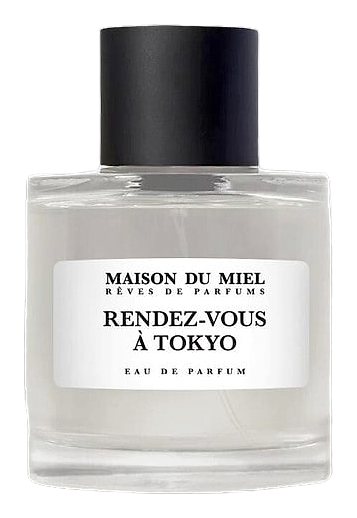
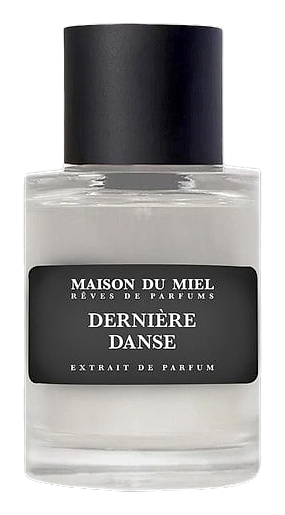
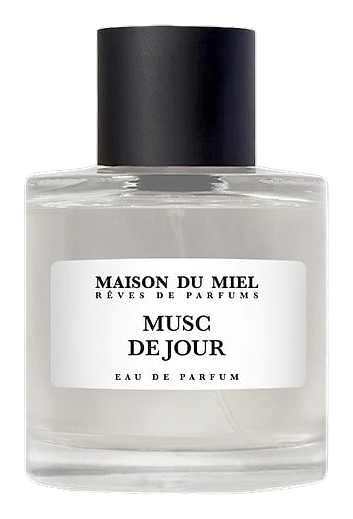
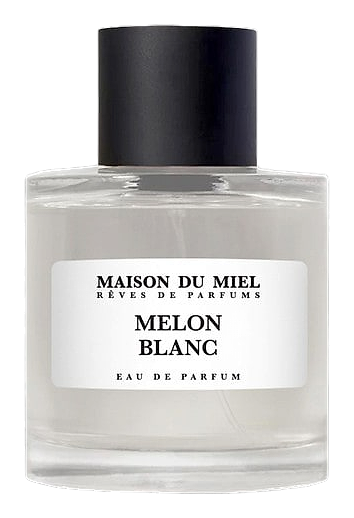
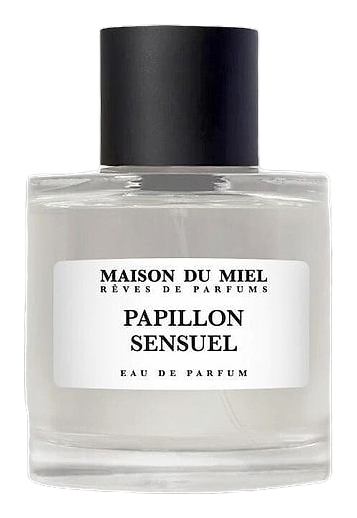
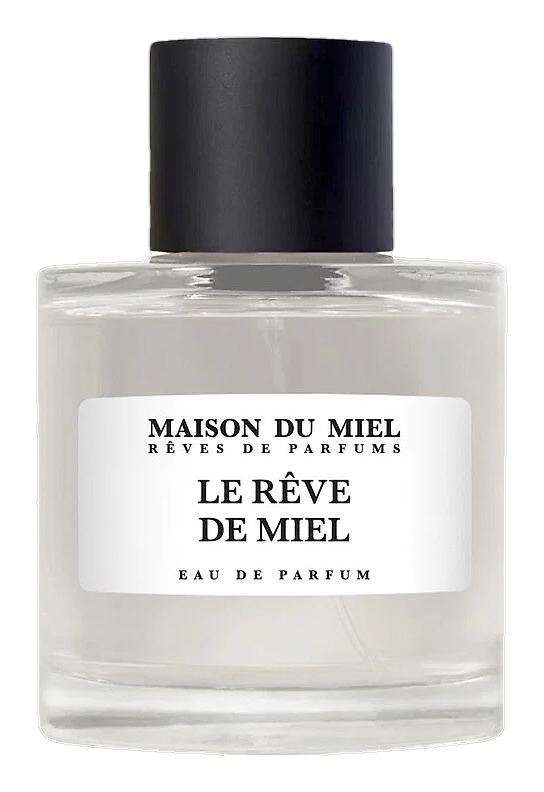
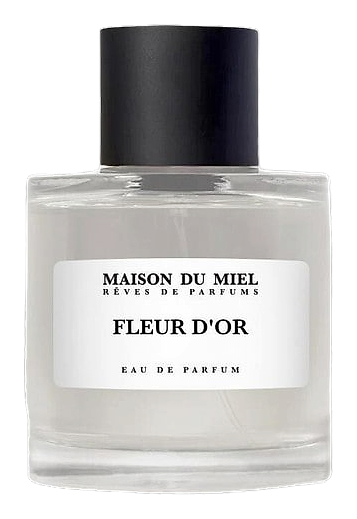
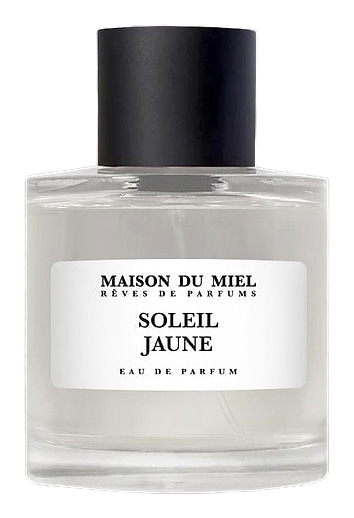
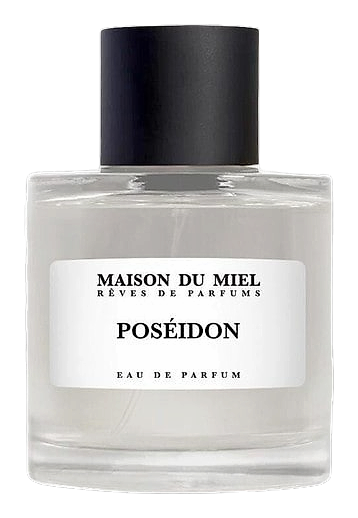
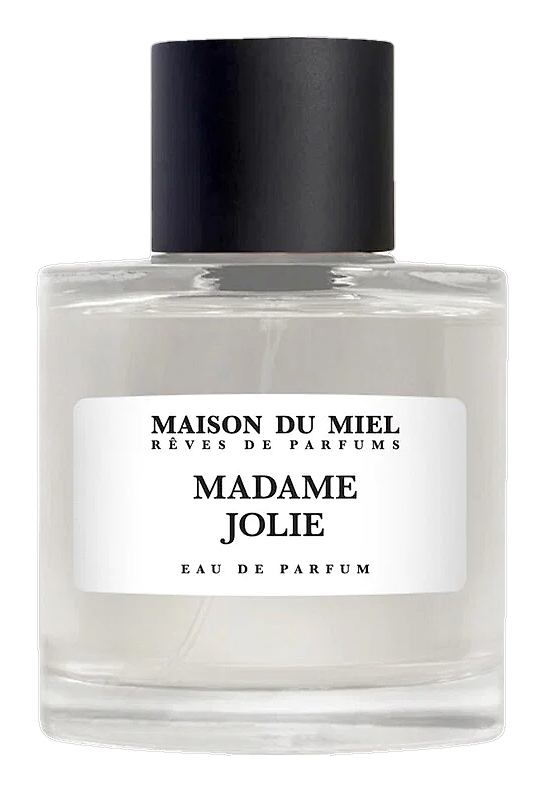
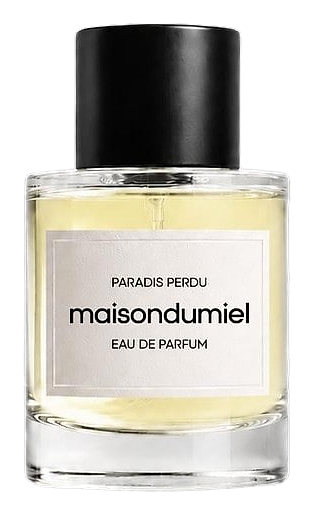
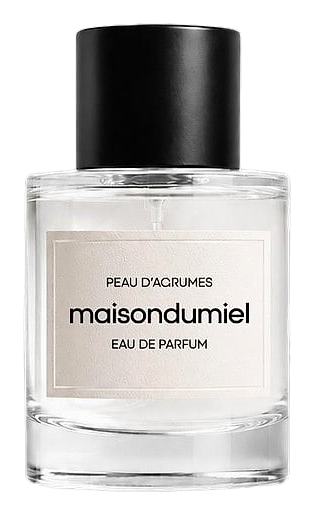
    The visual language of Maison Du Miel mirrors its olfactory restraint. Bottles are simple cylinders of clear glass, allowing the natural hue of the perfume—often a warm amber when honey is present—to be seen. Caps are matte black or brushed metal, providing a subtle contrast without excessive ornamentation. Labels feature a clean sans‑serif typeface, the brand name rendered in lowercase letters, and a thin line of gold foil that hints at the honey motif without overt branding. The overall presentation evokes a laboratory notebook more than a luxury showcase, reinforcing the narrative of craftsmanship over spectacle. Marketing imagery on the brand’s Instagram feed typically shows the bottles placed on natural textures such as wood, stone or linen, accompanied by close‑up shots of honeycomb or botanical elements that inform the scent. Color palettes are muted—soft beiges, warm browns and occasional pastel accents—allowing the product itself to remain the focal point. This understated aesthetic aligns with the house’s positioning as a niche, handmade label, appealing to consumers who appreciate subtle design cues and a sense of authenticity in their fragrance collection.

    Philosophy

    Maison Du Miel frames its creative vision around the idea that scent should feel like a tangible memory, a principle that guides both ingredient selection and olfactory structure. The house prioritizes natural extracts, especially honey, which it treats as a narrative element rather than a mere sweetener. According to interviews with independent reviewers, the brand seeks to balance tradition with contemporary sensibilities, drawing inspiration from classic French perfumery while allowing modern compositional techniques to inform each formula. Ethical sourcing is a recurring theme; the house reports that its honey is harvested from small‑scale apiaries that practice sustainable beekeeping. Transparency about ingredient provenance is reinforced by detailed scent cards that accompany each bottle, offering collectors insight into the botanical and aromatic families at play. The brand also embraces inclusivity, as seen in the launch of Seraphine, an Oriental Floral that is marketed to both women and men, challenging binary fragrance conventions. Overall, Maison Du Miel’s philosophy can be summed up as a quiet dedication to material honesty, sensory storytelling, and a respect for the craft that transcends fleeting trends.

    Key Milestones

    2024

    Launch of the first Maison Du Miel fragrances Narcissique, Au Revoir and Dans La Nuit

    2025

    Release of a second wave including Bonne Nuit, Poire Moléculaire, Papillon Sensuel, Rituel Mystique, Fleur d'Or, Roman A Florence and the gender‑neutral Seraphine

    2026

    Introduction of Lustral, expanding the brand’s exploration of luminous accords

    2023

    Maison Du Miel establishes its Instagram presence, announcing a handmade niche perfume philosophy

    At a Glance

    Brand profile snapshot

    Origin

    France

    Collection

    2

    Fragrances released

    Avg Rating

    4.3

    Community sentiment

    Release Rhythm

    2026
    3
    2025
    24
    2024
    18

    Did You Know?

    Interesting Facts

    Distinctive details and defining moments that shape the house personality.

    01

    The brand’s signature ingredient, honey, is sourced from small‑scale apiaries that practice sustainable beekeeping.

    02

    Maison Du Miel’s fragrances are blended and bottled entirely by hand in a single workshop.

    03

    Seraphine, launched in 2025, is marketed as a unisex Oriental Floral, a rarity among niche houses that often separate gender lines.

    04

    Each bottle is made from hand‑blown glass, and caps are crafted from recycled aluminum, reflecting a commitment to low‑impact materials.

    The Artisans

    The Perfumers