North American Juniper Berry
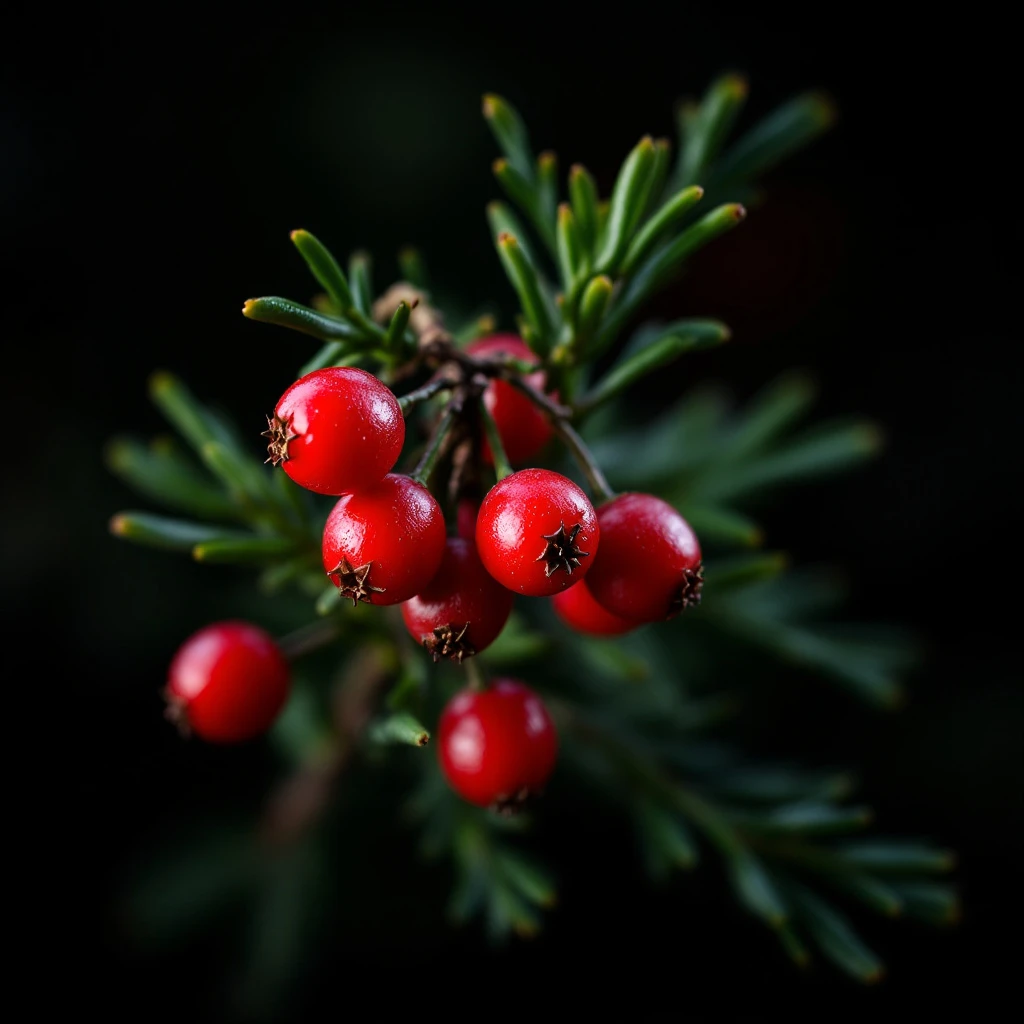
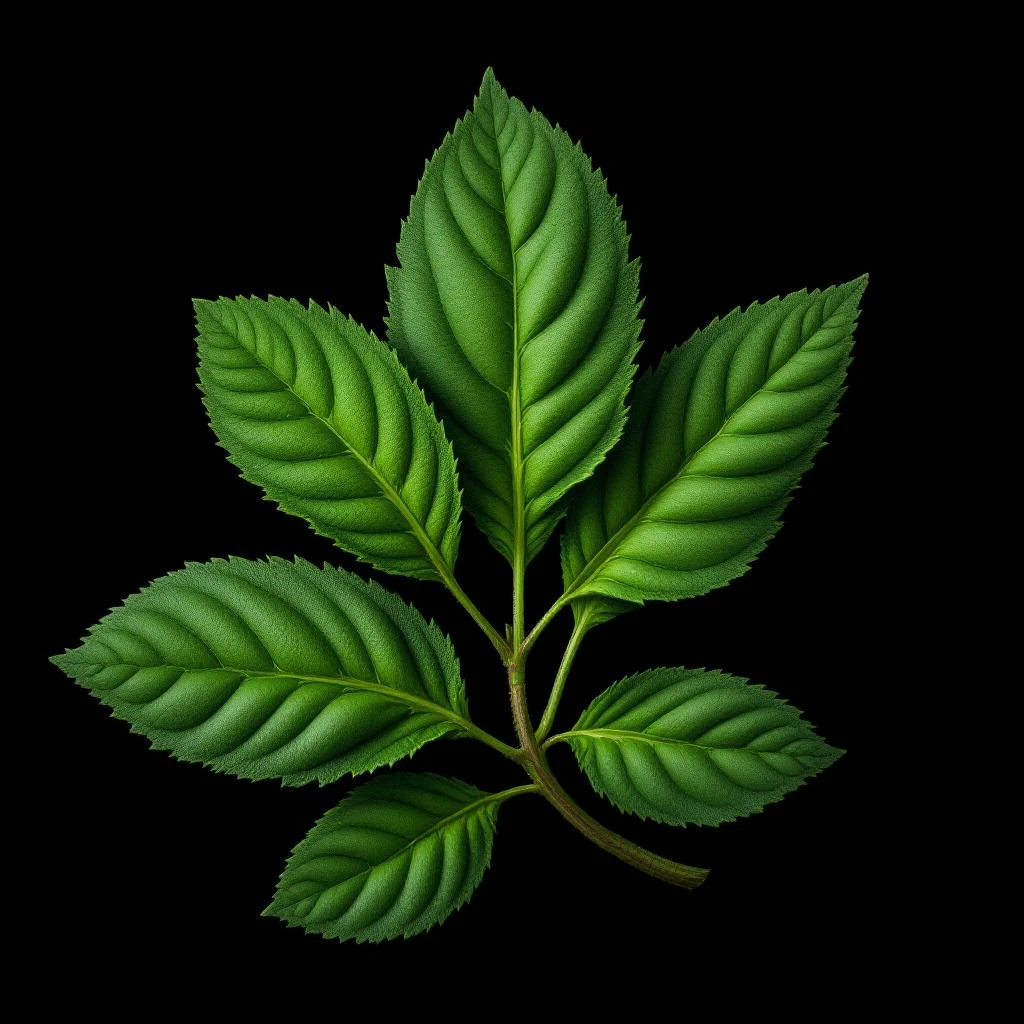
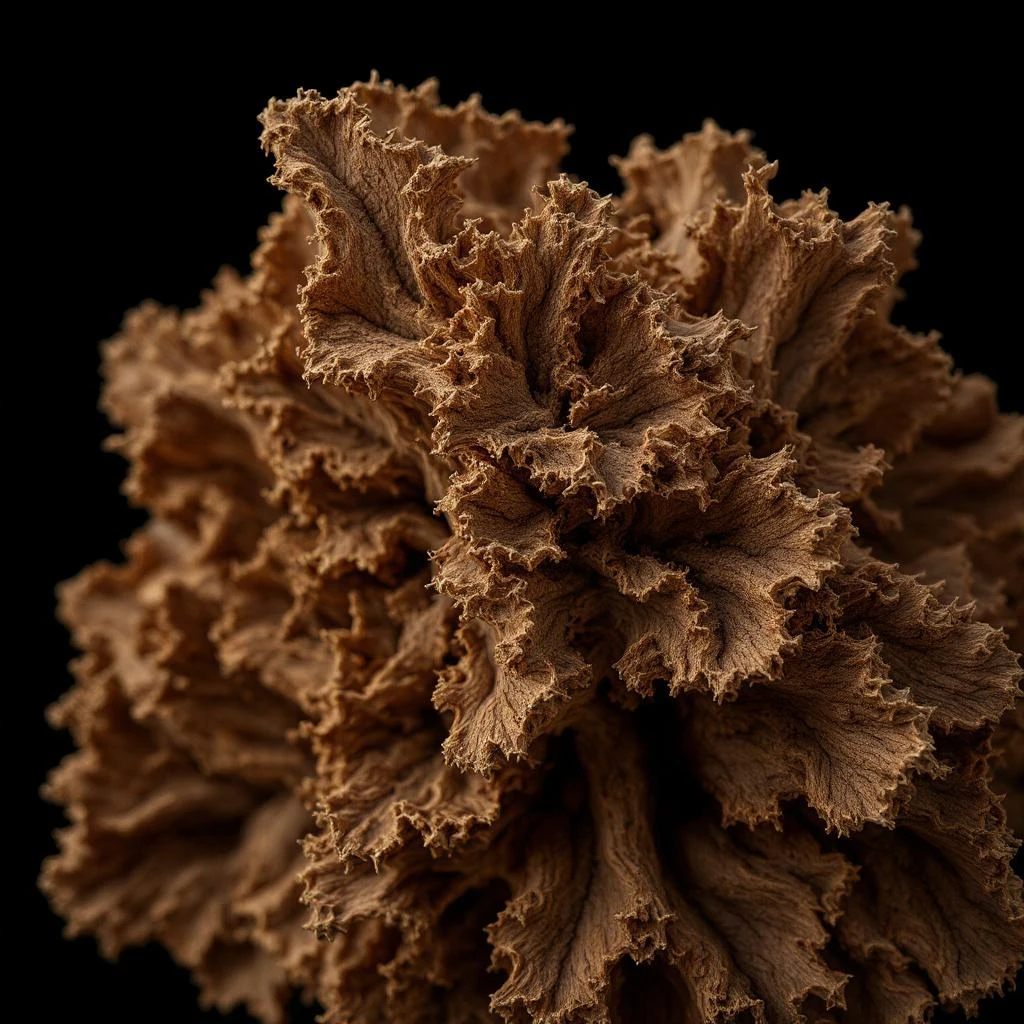
North American juniper berry brings a crisp, resinous conifer note, shaped by peppery pinene and the dry sweetness of mature berries.
Character
How it smells
Wild conifer brightness with a dry, peppery edge.
Juniper “berries” are fleshy seed cones, not true berries, and their aroma helped define the character of gin.
Origin
United States
Juniper has a long history in the Americas. Indigenous peoples across the continent used the plants and berries for food, medicine, and ceremonial purposes, with practices varying among nations and regions. European settlers also encountered native North American junipers and incorporated them into domestic practices, though commercial perfumery long drew much of its juniper oil from Europe.
Juniper later became closely associated with gin, whose production in the Netherlands and Britain helped establish the berry’s enduring aromatic reputation. North American juniper, including varieties recognized under the Juniperus communis complex, carries that established pine-pepper character while reflecting distinctive local chemotypes. In modern American perfumery, its clean conifer facets can lend structure to woody, aromatic, and citrus compositions.
Its history is therefore both botanical and cultural, rooted in regional plant knowledge before becoming a familiar note in fine fragrance.
Wears it best
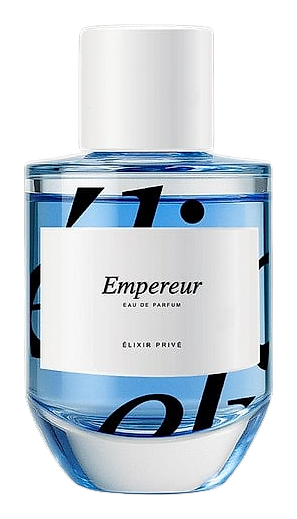
Fragrances featuring North American Juniper Berry
Brands
Brands known for North American Juniper Berry
Good to know
Questions, answered
The essentials on North American Juniper Berry in perfumery: how it smells, where it comes from, and how it behaves on skin.
What does North American juniper berry smell like?
It smells crisp, resinous, and distinctly coniferous, with peppery pine notes and a dry, slightly sweet fruitiness. The aroma comes mainly from alpha-pinene, a terpene that commonly dominates juniper berry oil.
Is juniper berry a real berry?
No. It is a fleshy seed cone, commonly called a berry because of its rounded shape and blue-black color. Mature cones from Juniperus communis and related species supply the aromatic material.
Where is North American juniper berry sourced?
North American material comes chiefly from the United States, including cultivated and wild-harvested plants in states such as Oregon. Juniper also grows widely across Canada and Mexico, although source quality and oil chemistry vary by location.
How is juniper berry oil extracted for perfumery?
Steam distillation is the principal method. Crushed berries release volatile oils, including alpha-pinene, which are condensed and separated from the distilled water.
Does American juniper smell different from European juniper?
Yes, although both share the characteristic conifer profile. Plant chemotype, soil, climate, and harvest conditions alter terpene proportions, giving North American oils their own regional expression.
Why is juniper associated with gin?
Juniper berries form the primary botanical flavor in classic gin production. Their piney, peppery aroma became so closely identified with gin that it later influenced how juniper was described in perfumery.
How does juniper berry support a fragrance composition?
It adds transparent conifer structure, often sharpening citrus and aromatic accords while linking them to woods or resins. Its alpha-pinene backbone gives the composition a cool, natural freshness.
Is juniper berry oil the same as juniper essential oil?
The terms are often used interchangeably in commerce. A more precise label identifies the plant part and extraction method, such as juniper berry essential oil obtained by steam distillation.