Nepalese Artemisia
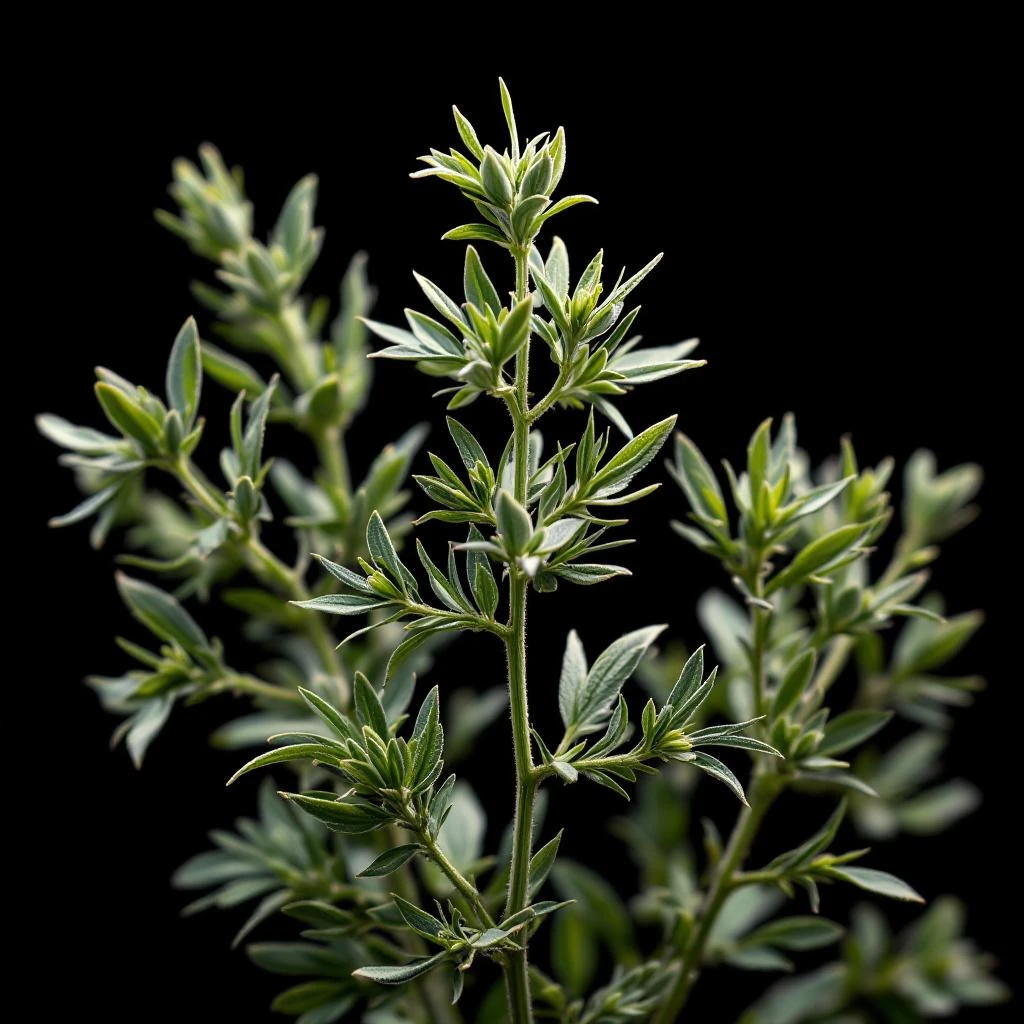
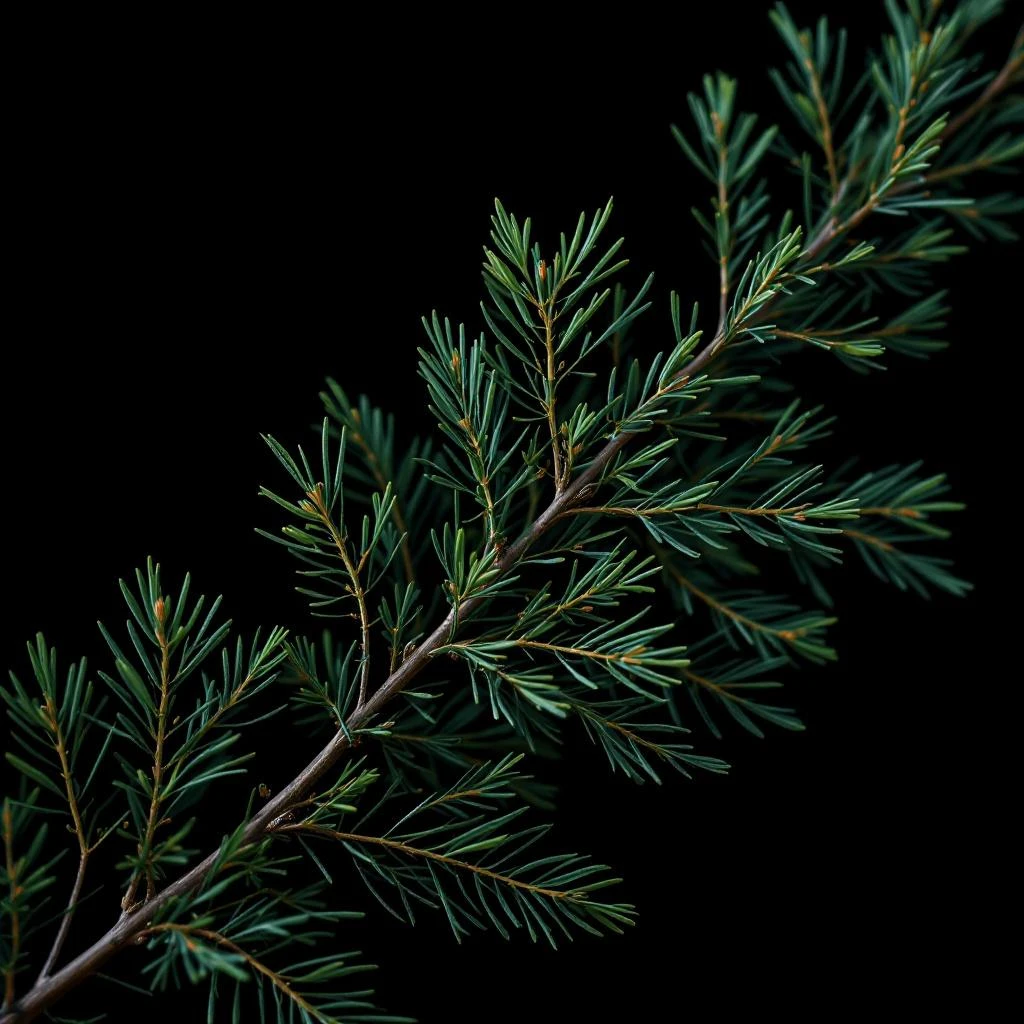
Nepalese Artemisia brings a dry, camphorated clarity shaped by high-altitude plants, with bitter herbal notes and a cool aromatic edge.
Character
How it smells
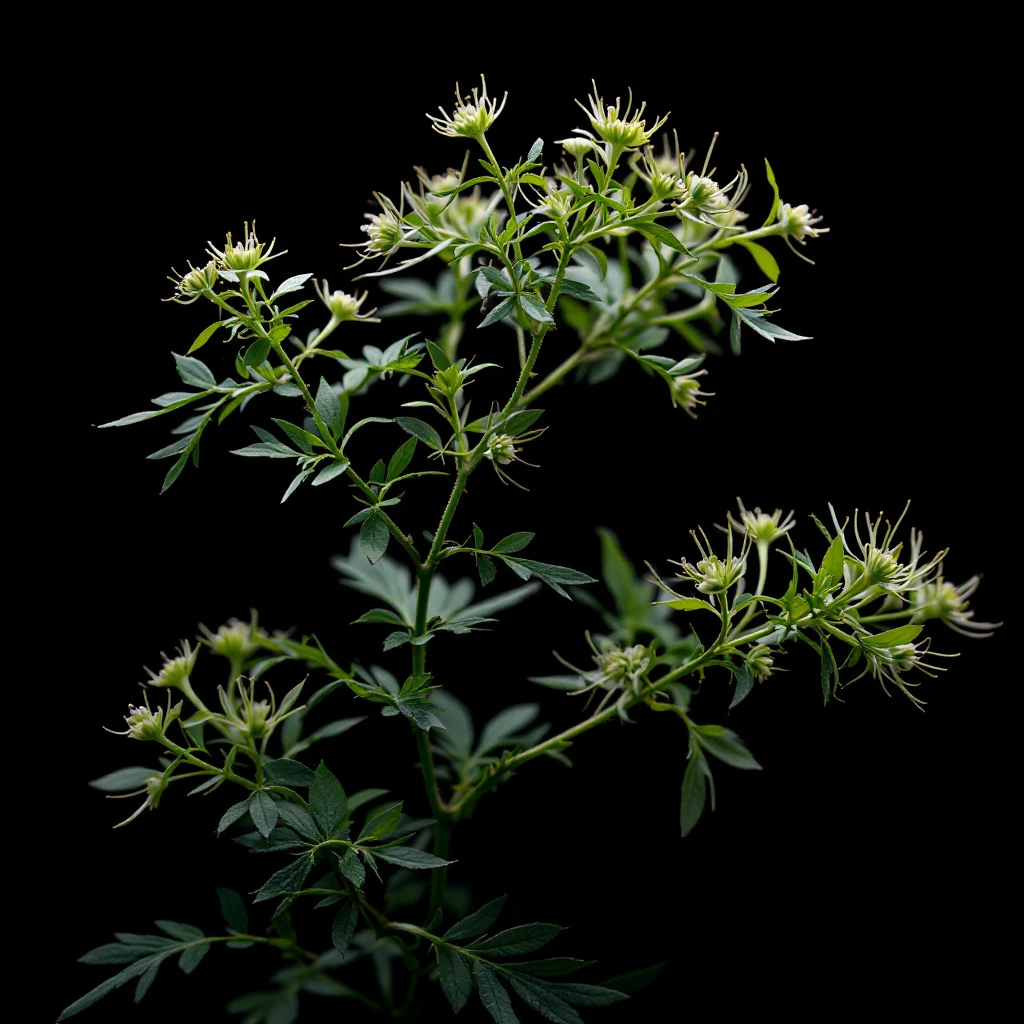
High-altitude herbs, distilled into a dry aromatic accent.
Artemisia’s fragrance profile can shift with terroir, since soil and climate influence the balance of compounds such as thujone and chamazulene.



Origin
Nepal
Artemisia has a long history of use across Eurasia and North Africa. Several species have been valued for their aromatic leaves, flowering tops and essential oils, including wormwood and other aromatic Artemisia plants. In traditional fragrance and herbal practices, these materials were associated with drying, cleansing and aromatic intensity.
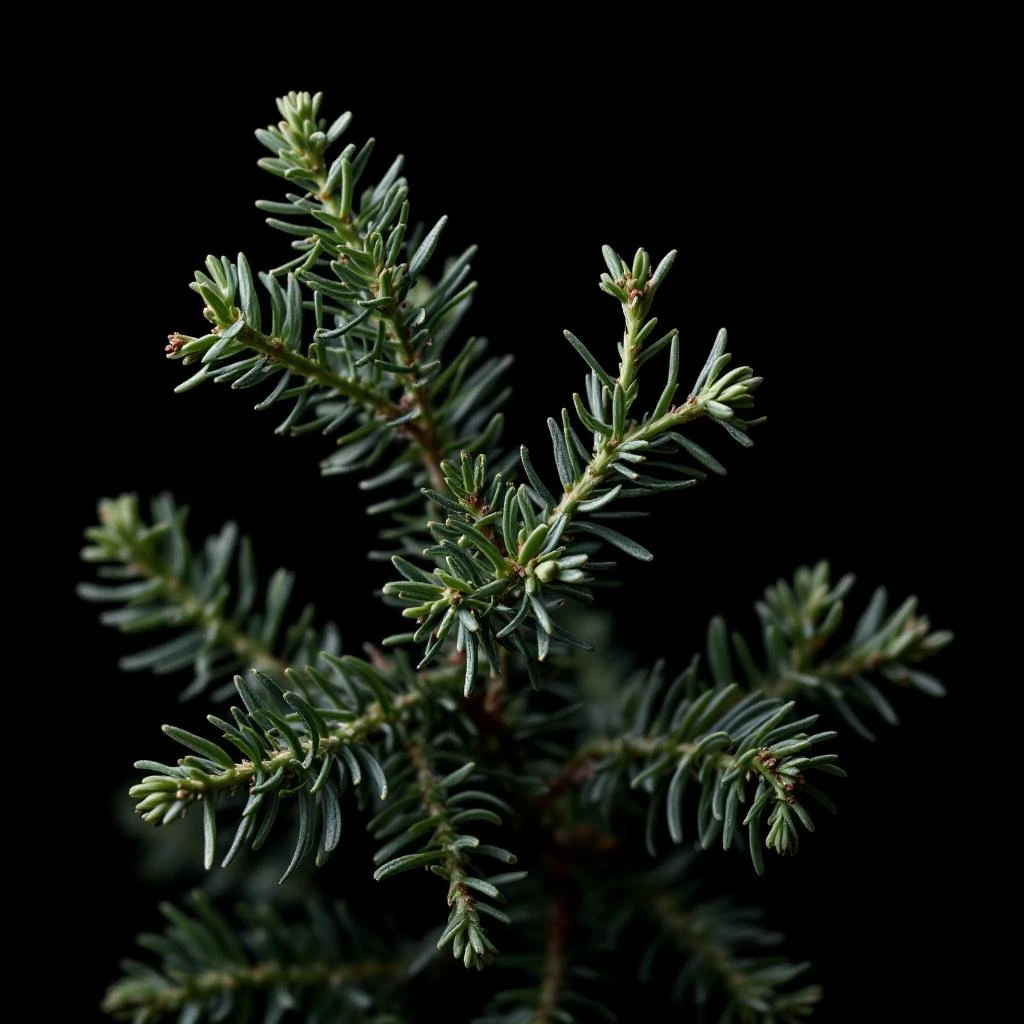
The genus is especially diverse in the Himalayan region, and Nepal is an important source context for high-altitude Artemisia materials. Historical perfume practice repeatedly relied on plant extracts, herbs, resins and spices, long before modern synthetic aroma chemicals were available. As steam distillation developed, aromatic plants became more practical to process, allowing their oils to be used at controlled concentrations in fragrance creation.
Artemisia’s place in modern perfumery reflects this broader history: a plant material that can shift between rustic herbal character and polished aromatic detail. Its composition is not uniform, so oil sourced from different species or locations may present distinct versions of the note.
Wears it best
Fragrances featuring Nepalese Artemisia
Brands
Brands known for Nepalese Artemisia
Good to know
Questions, answered
The essentials on Nepalese Artemisia in perfumery: how it smells, where it comes from, and how it behaves on skin.
What does Nepalese Artemisia smell like?
Nepalese Artemisia is typically described as dry, herbal and camphoraceous, with bitter notes and a cool aromatic edge. Its profile can vary by species and growing conditions, so individual oils may differ.
Which part of the Artemisia plant is used in perfumery?
Perfumery most often uses dried leaves and flowering tops, with stems sometimes included. These aromatic plant parts contain volatile compounds that are recovered through steam distillation.
How is Nepalese Artemisia oil produced?
The plant material is prepared for steam distillation, which releases volatile compounds as water vapor. Condensation separates the aromatic essential oil from the distilled water.
What compounds give Artemisia its distinctive odor?
Artemisia’s character is influenced by compounds such as thujone and chamazulene. Their proportions vary with the plant species, soil, climate and harvest conditions.
Is Artemisia oil the same as wormwood oil?
No. Wormwood oil comes from a particular Artemisia species, while Nepalese Artemisia may refer to other regional species or materials. The resulting aroma and chemical composition can therefore differ.
How does altitude affect Artemisia fragrance?
High-altitude conditions can influence plant chemistry and the composition of its essential oil. These changes may affect the balance of bitter, herbal, camphoraceous and blue-green notes.
What fragrance families suit Nepalese Artemisia?
Artemisia works especially well in aromatic, herbal, woody and citrus compositions. It can add a dry lift to floral materials or reinforce a bitter, mineral character.
Is natural Artemisia oil easy to formulate with?
It is usually used cautiously because its camphoraceous and herbal notes are powerful. Small proportions can add clarity and texture, while excessive amounts may dominate a composition.