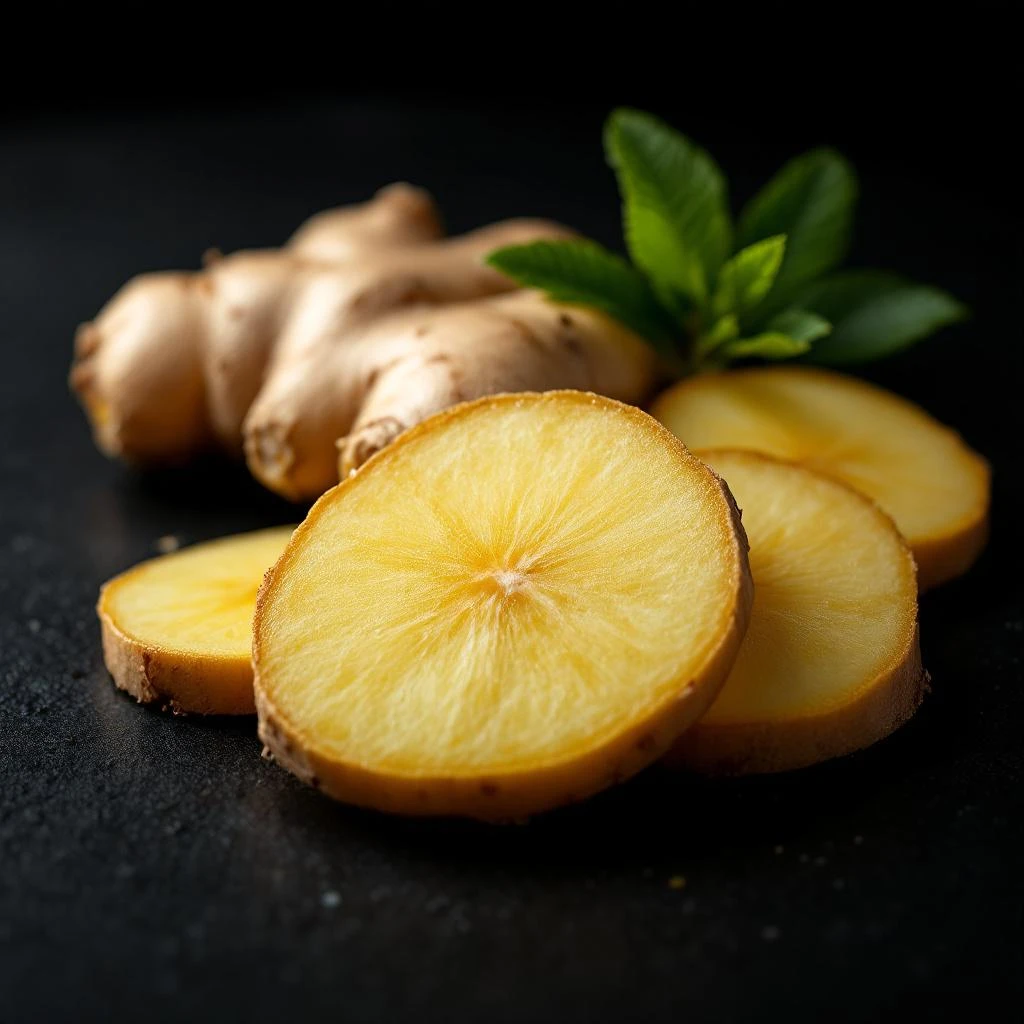
Guinea pepper
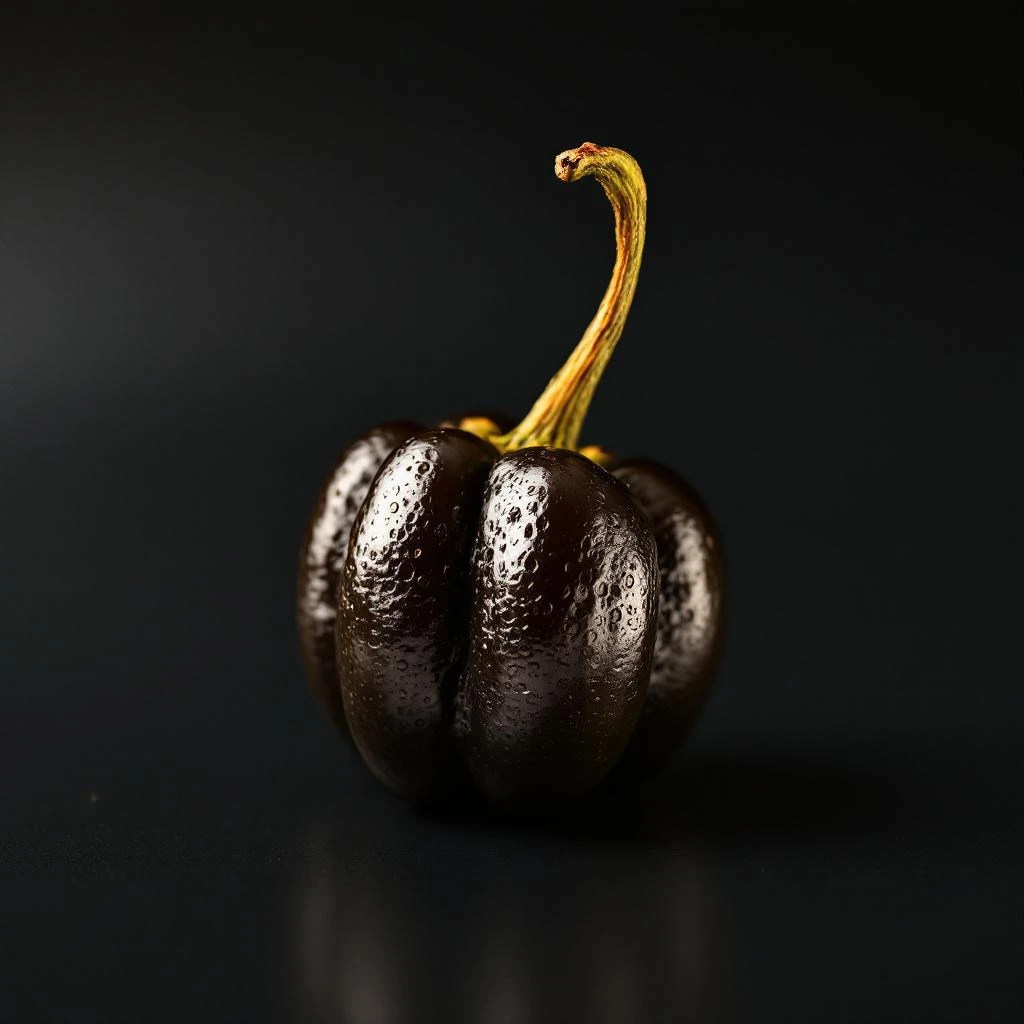
Guinea pepper, also known as grains of paradise, delivers a bright, peppery spark with citrus and cardamom whispers. Its seed oil adds a warm, piquant edge that brightens woody and oriental blends.
Character
How it smells
Spice the scent with West African heat.
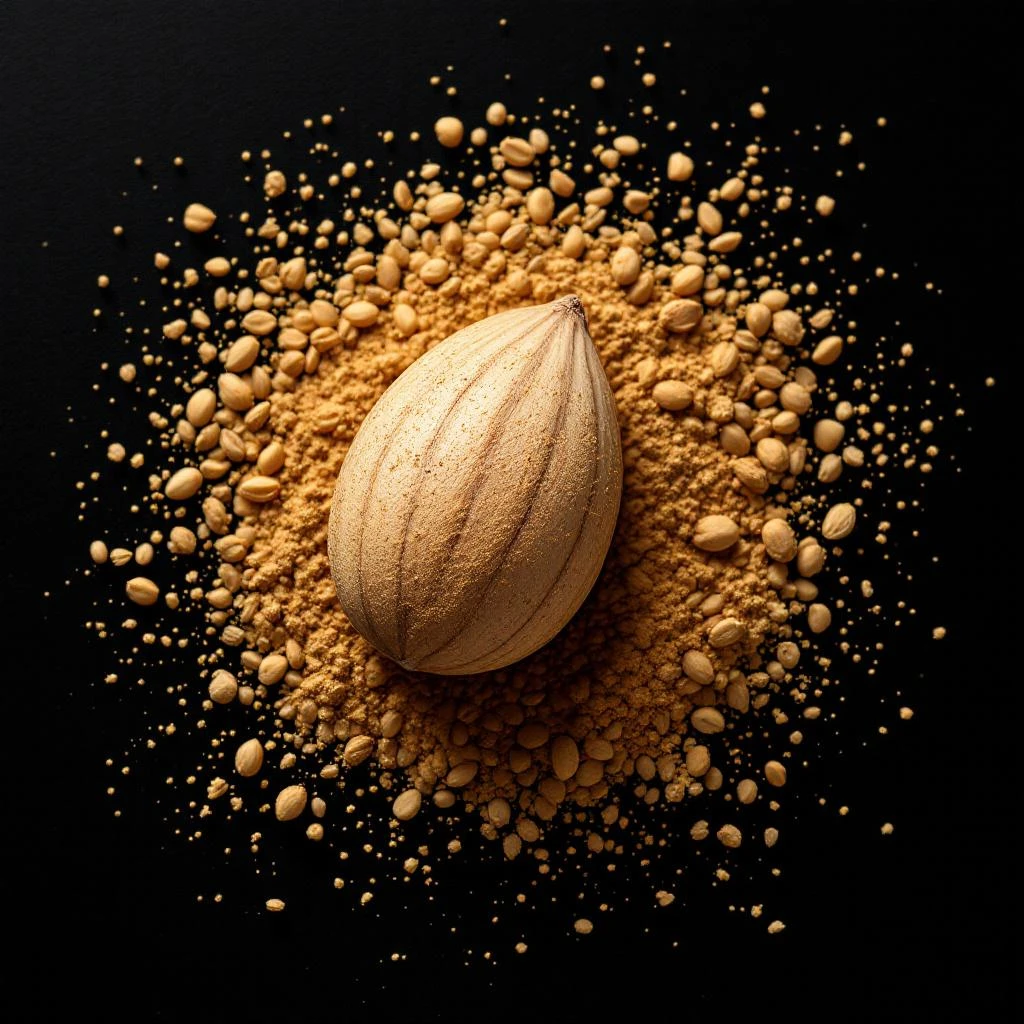
The seed of Guinea pepper was prized by ancient Egyptian priests, who burned it as incense to ward off insects and invite clarity during rituals.



Origin
Ghana
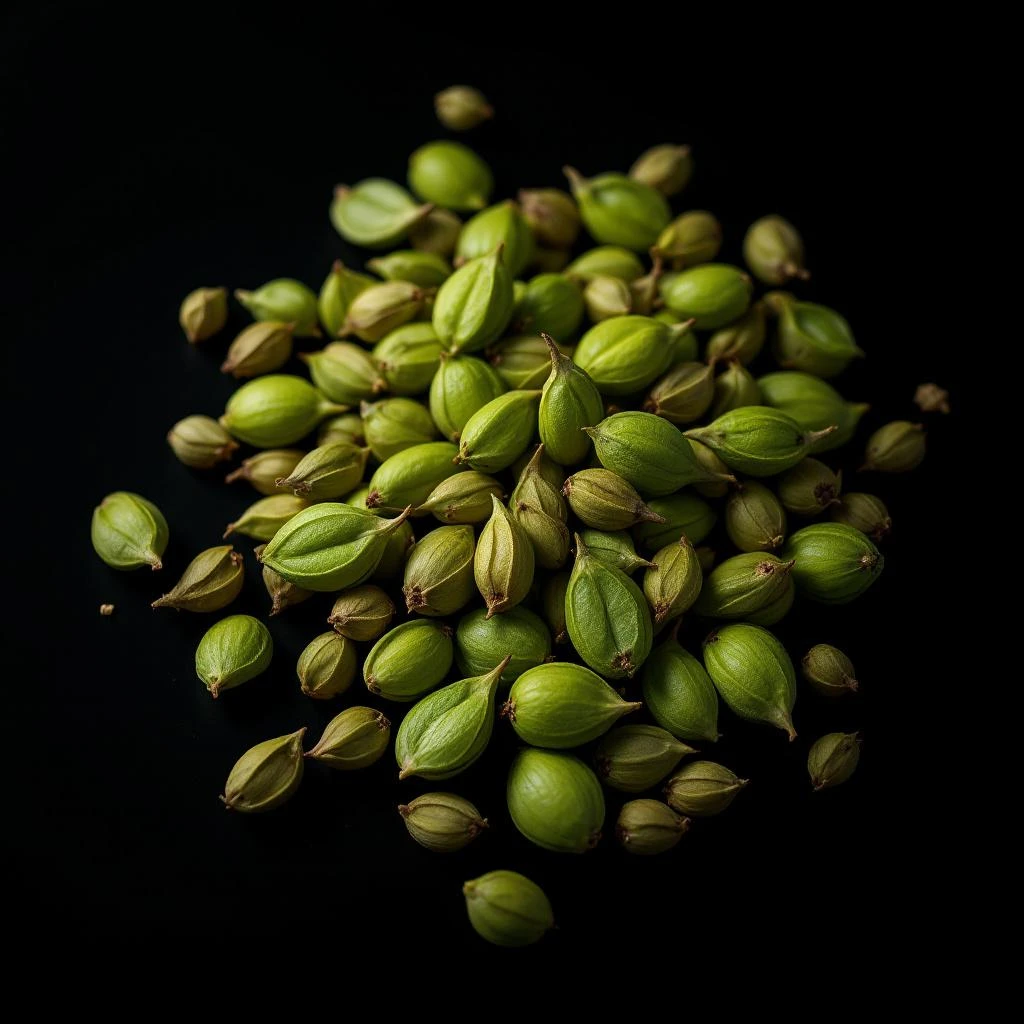
Guinea pepper traces its roots to the coastal savannas of present‑day Ghana and Ivory Coast, where local peoples have used the spice for food, medicine, and ritual incense for centuries. Portuguese traders introduced the seed to Europe in the early 1500s, marketing it as a pepper substitute when true black pepper was scarce.
By the 1700s, European apothecaries listed it in medicinal compendia for its digestive benefits. The 19th century saw perfumers experiment with the oil, attracted by its sharp, citrus‑spice character.
In 1919, Guerlain incorporated grains of paradise into Mitsouko, creating a benchmark for spicy elegance. Throughout the 20th century, the note appeared in both masculine and feminine compositions, valued for its ability to lift heavy woods and amber bases without overwhelming them.
Wears it best
Fragrances featuring Guinea pepper
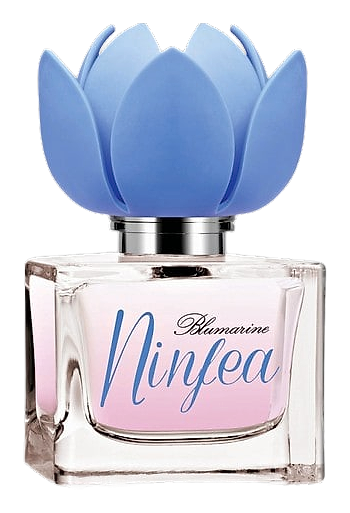
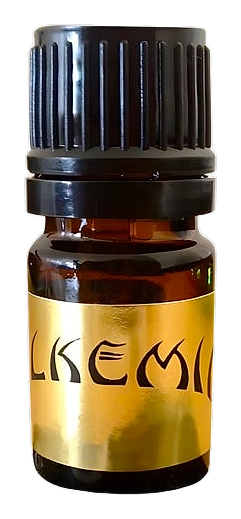
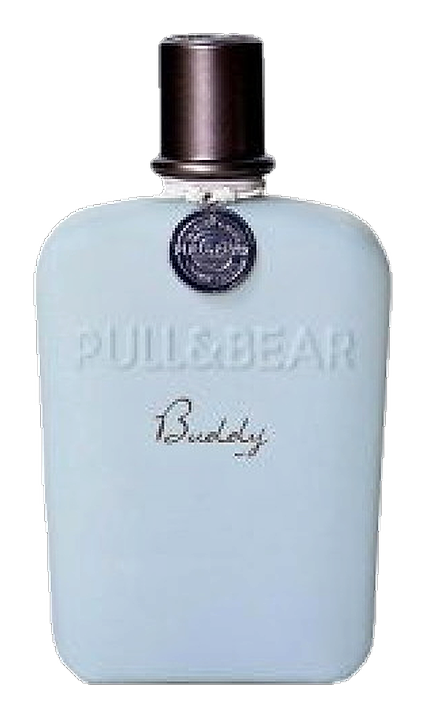
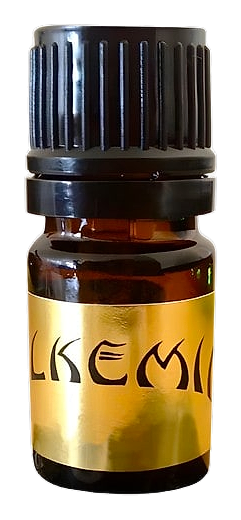
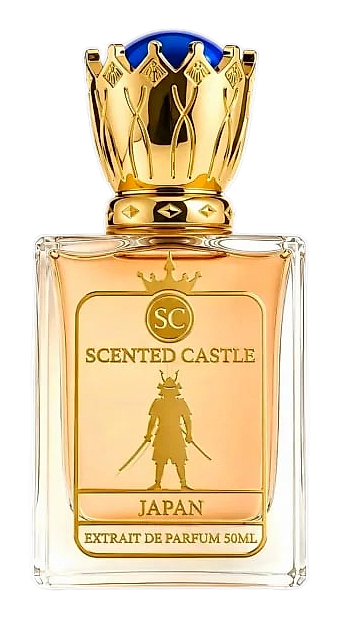
Brands
Brands known for Guinea pepper
Good to know
Questions, answered
The essentials on Guinea pepper in perfumery: how it smells, where it comes from, and how it behaves on skin.
What scent profile does Guinea pepper provide?
Guinea pepper adds a bright, peppery spice with citrus and cardamom nuances. The oil registers a sharp top note followed by a warm, lingering spice heart, measured by gas chromatography as containing 30% terpenes.
How is the essential oil of Guinea pepper extracted?
Steam distillation extracts the oil from dried seed pods. Distillers run steam at 100 °C for three to four hours, yielding 1–2.6% oil by weight, according to industry reports.
Where does Guinea pepper originate?
The plant grows naturally in West Africa, especially Ghana’s forest zones. Field surveys place its native range near 7° N latitude and 1° W longitude.
When did Guinea pepper first appear in European perfumery?
European perfumers began using the oil in the early 1800s. Records from 1825 show it listed in French fragrance formularies as a spice accent.
What percentage of the seed weight converts to essential oil?
Typical yields range from 1% to 2.6% oil per dry seed weight. Laboratory extractions in 2020 reported an average of 1.8% under standard conditions.
Can Guinea pepper replace black pepper in a fragrance?
It offers a similar heat but adds citrus and floral undertones that black pepper lacks. Sensory panels in 2018 rated it 15% brighter on a spice scale.
Is the oil stable for long‑term storage?
The oil remains stable for up to two years when stored in amber glass at 15 °C. Oxidation tests in 2019 showed less than 5% terpene loss over 12 months.
What safety considerations apply to Guinea pepper oil?
The oil is skin‑safe at concentrations below 2% in finished products. Dermatological testing in 2021 confirmed no irritation at 1% usage level.