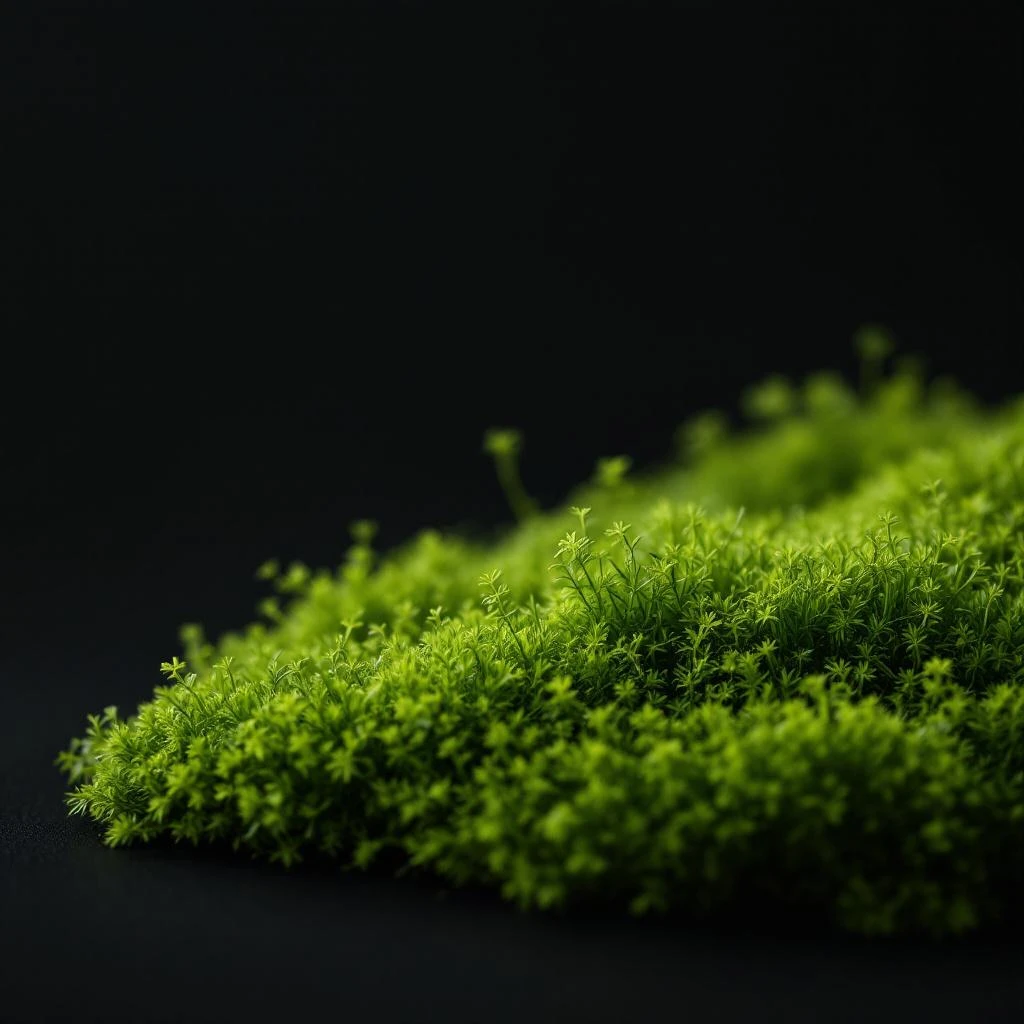
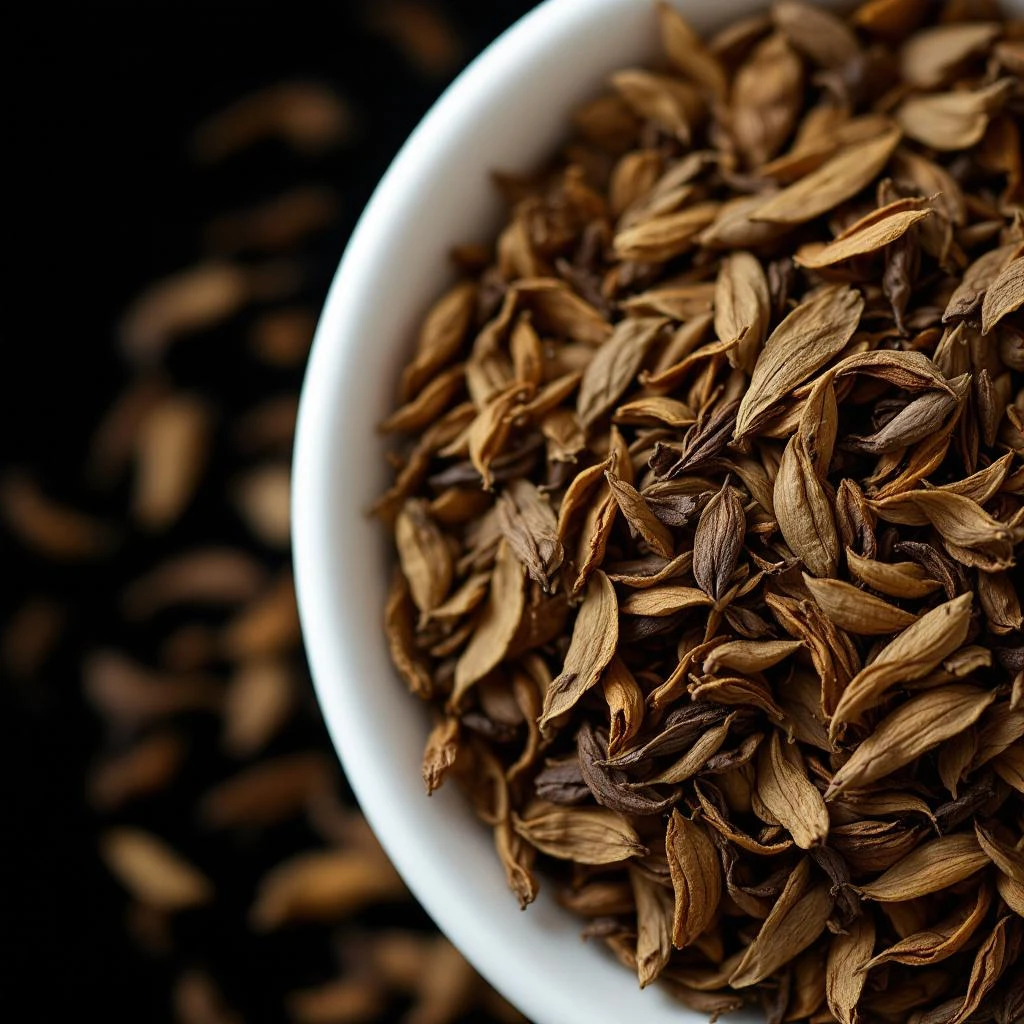
Anthoxanthum Alpinum
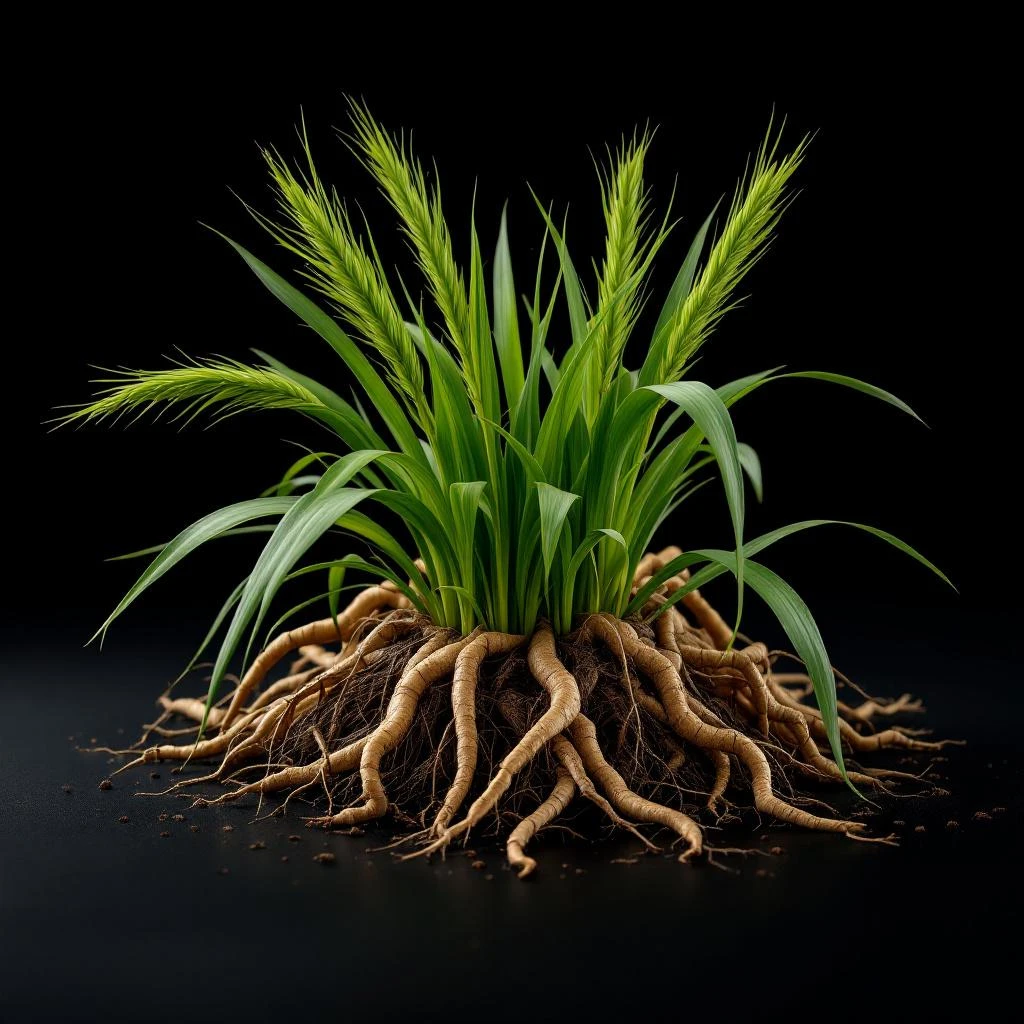
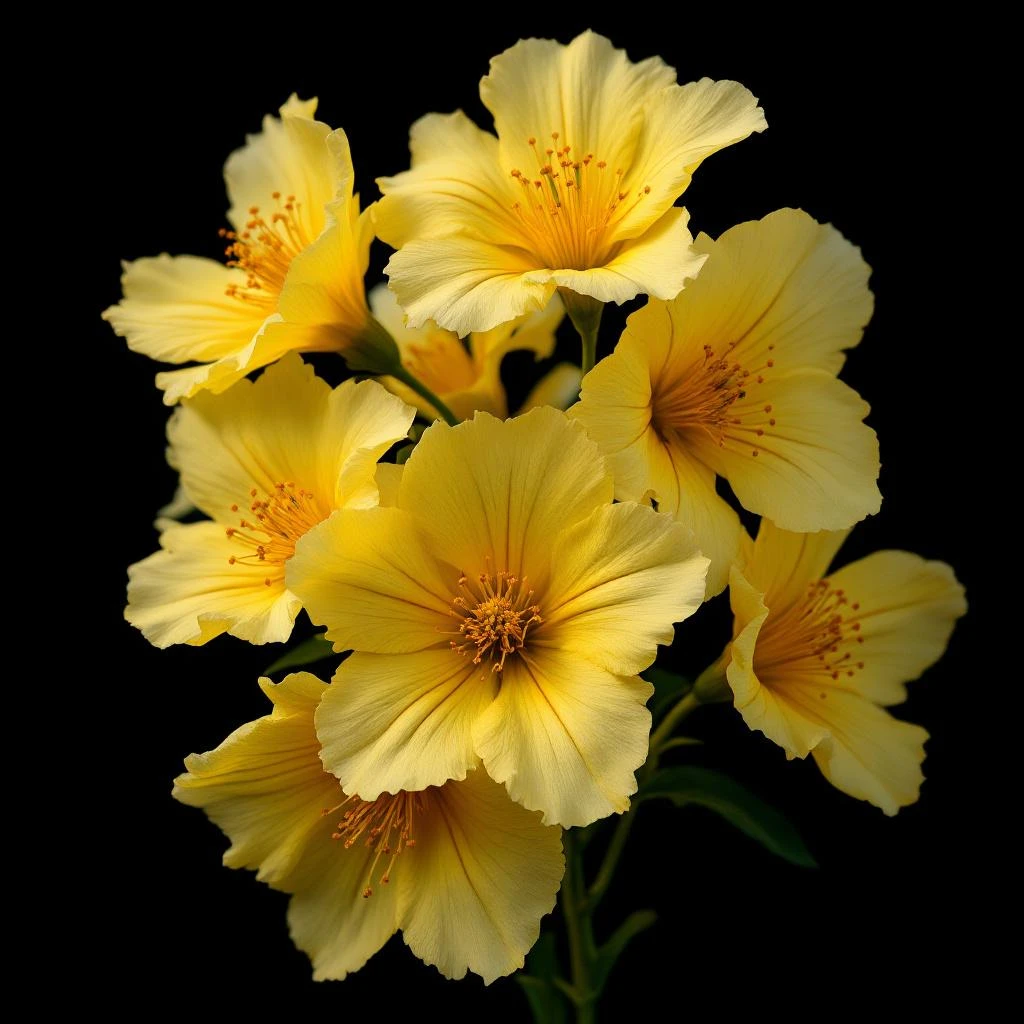
Anthoxanthum alpinum, alpine sweet grass, contributes a warm, coumarin-rich hay note shaped by roots and flowering tops.
Character
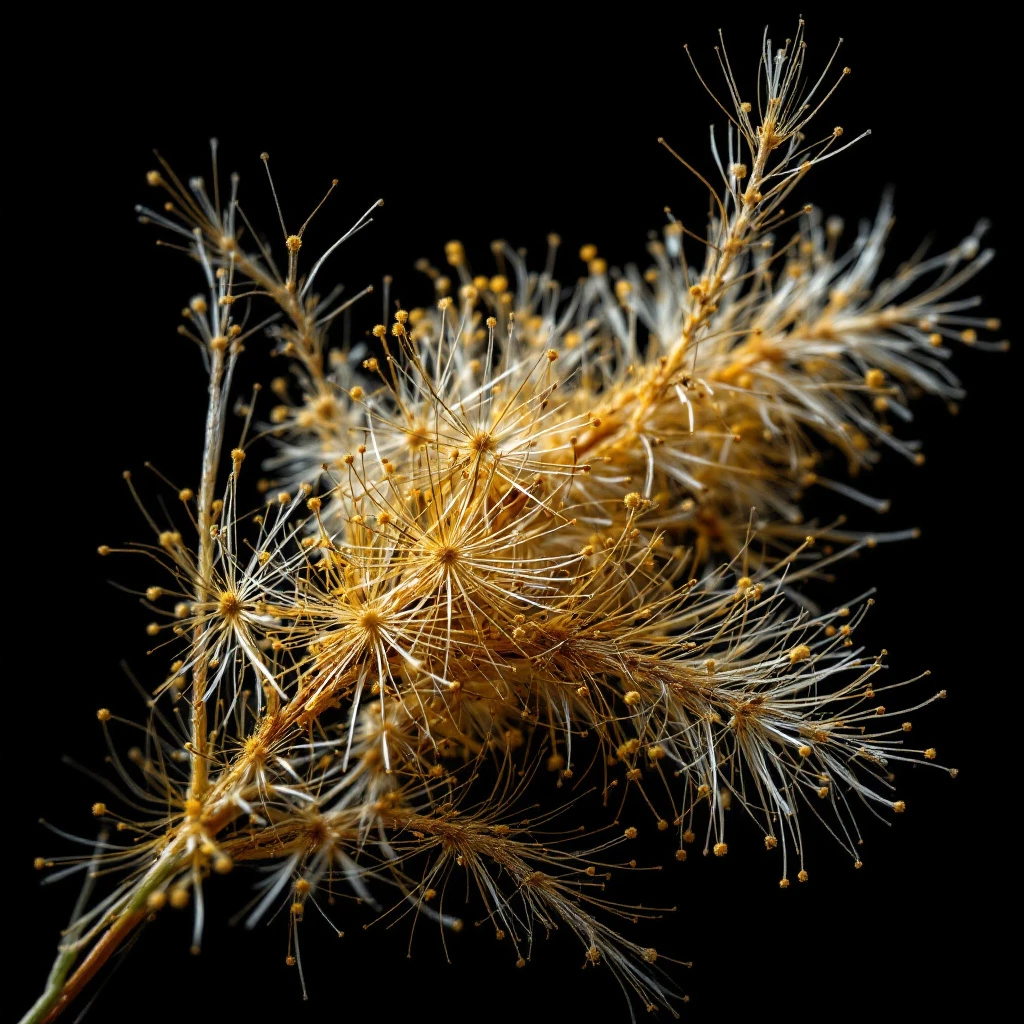
How it smells
Alpine grass with a warm, sweet hay character
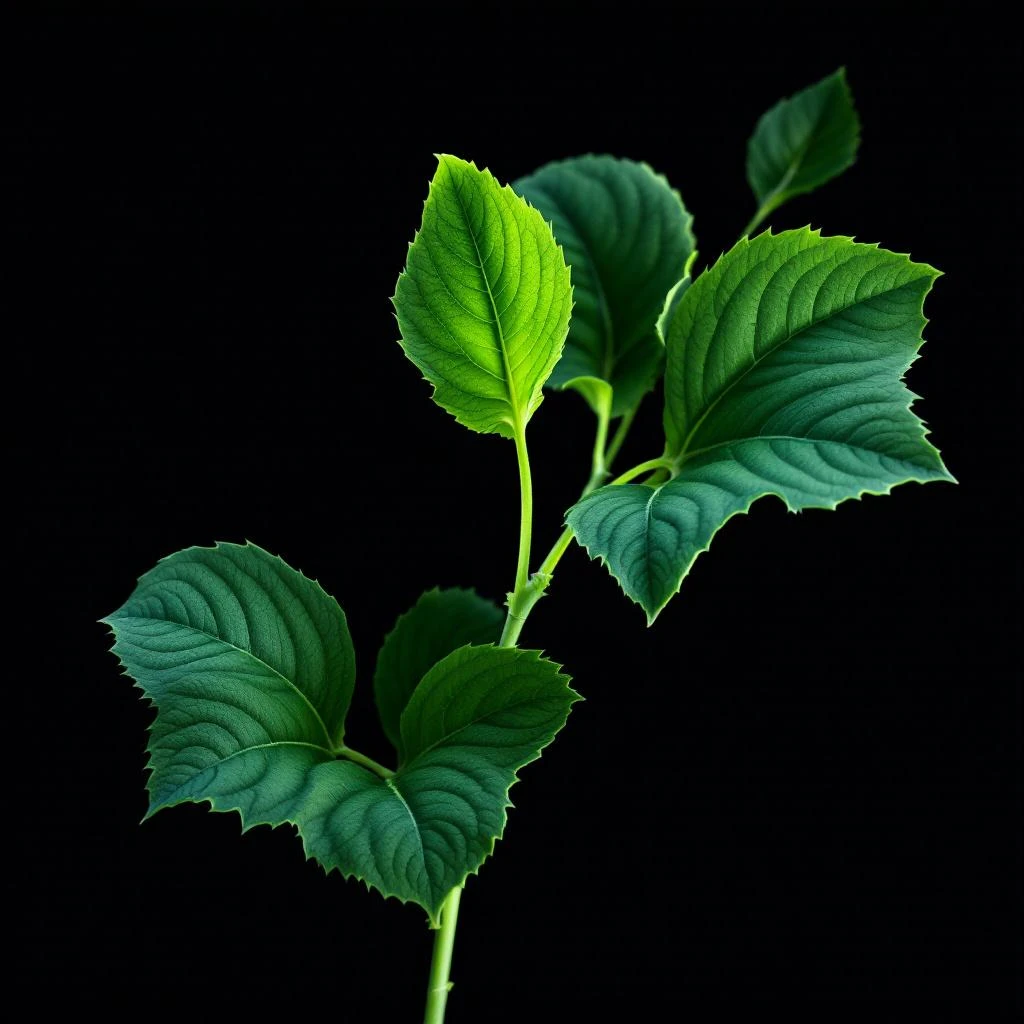
The name sweet grass reflects its aromatic leaves, a tradition linked to Indigenous North American cultures.

Origin
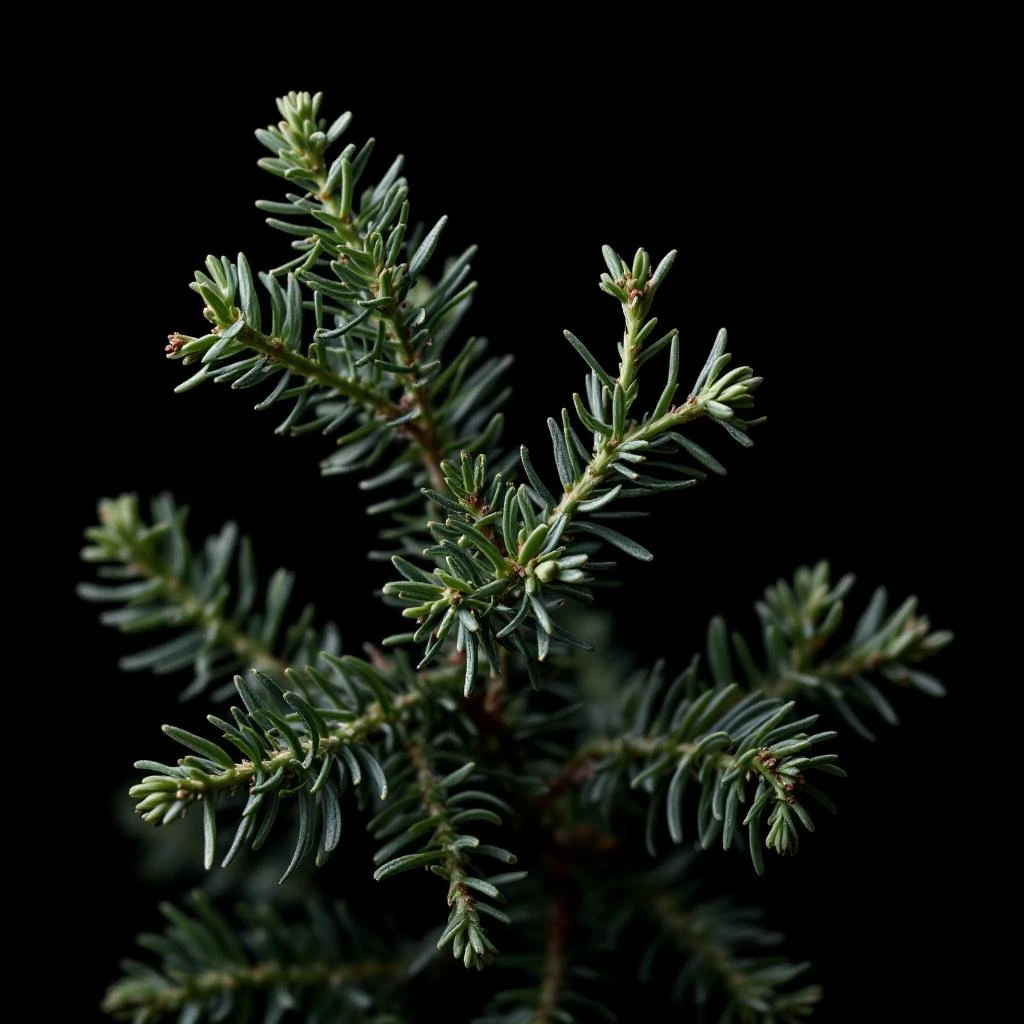
Austria
Anthoxanthum alpinum belongs to a family of aromatic grasses distributed across temperate and cooler regions of Europe and Asia, with its name widely rendered as alpine sweet grass. Its vanilla-like scent became especially associated with coumarin, a fragrant compound first isolated in the early nineteenth century.
That research helped connect an old sensory impression of new-mown hay with a defined chemical structure, making coumarin one of the landmark substances in the development of modern perfumery. Before aroma chemicals could be produced consistently, sweet-scented grasses and other coumarin-bearing plants supplied related impressions.
Today, coumarin can be manufactured, while botanical extracts remain useful for adding natural variation to hay, tobacco, herbal, and woody accords. The ingredient therefore sits at the meeting point of traditional grass aromatics, early chemical analysis, and contemporary fragrance production.
Wears it best
Fragrances featuring Anthoxanthum Alpinum
Brands
Brands known for Anthoxanthum Alpinum
Good to know
Questions, answered
The essentials on Anthoxanthum Alpinum in perfumery: how it smells, where it comes from, and how it behaves on skin.
What does Anthoxanthum alpinum smell like in perfume?
Anthoxanthum alpinum is associated with a warm, sweet hay aroma, often showing vanilla-like, herbal, woody, and light tobacco facets. These impressions mainly reflect the plant's natural coumarin chemistry.
Is Anthoxanthum alpinum the same as vanilla?
No. Anthoxanthum alpinum is an aromatic grass, not vanilla. Its sweet impression comes from compounds such as coumarin rather than the principal aroma components found in vanilla beans.
Is Anthoxanthum alpinum used in perfume?
It can contribute botanical sweet-grass and hay effects, but many perfumes use synthetic coumarin instead. An ingredient listing cannot confirm whether the grass was directly distilled for that fragrance.
Which part of Anthoxanthum alpinum is aromatic?
The roots are traditionally valued for their vanilla-like aroma, while flowering tops can also yield fragrant essential oil. Extraction method and harvest stage strongly affect the final composition.
Where does alpine sweet grass grow?
Anthoxanthum alpinum occurs across parts of Europe and Asia, including alpine and temperate habitats. Austria is one natural source, though botanical occurrence does not by itself establish commercial sourcing.
How is Anthoxanthum alpinum essential oil made?
Aromatic plant material can be steam distilled, usually after harvesting and drying, to collect volatile compounds in an essential oil. This differs from obtaining pure coumarin through chemical synthesis.
Why is coumarin important to perfumery history?
Coumarin was isolated in the early nineteenth century and helped explain the aroma of sweet hay. Its identification marked an important step toward controlled fragrance chemistry.
Does Anthoxanthum alpinum smell strongest when fresh or dried?
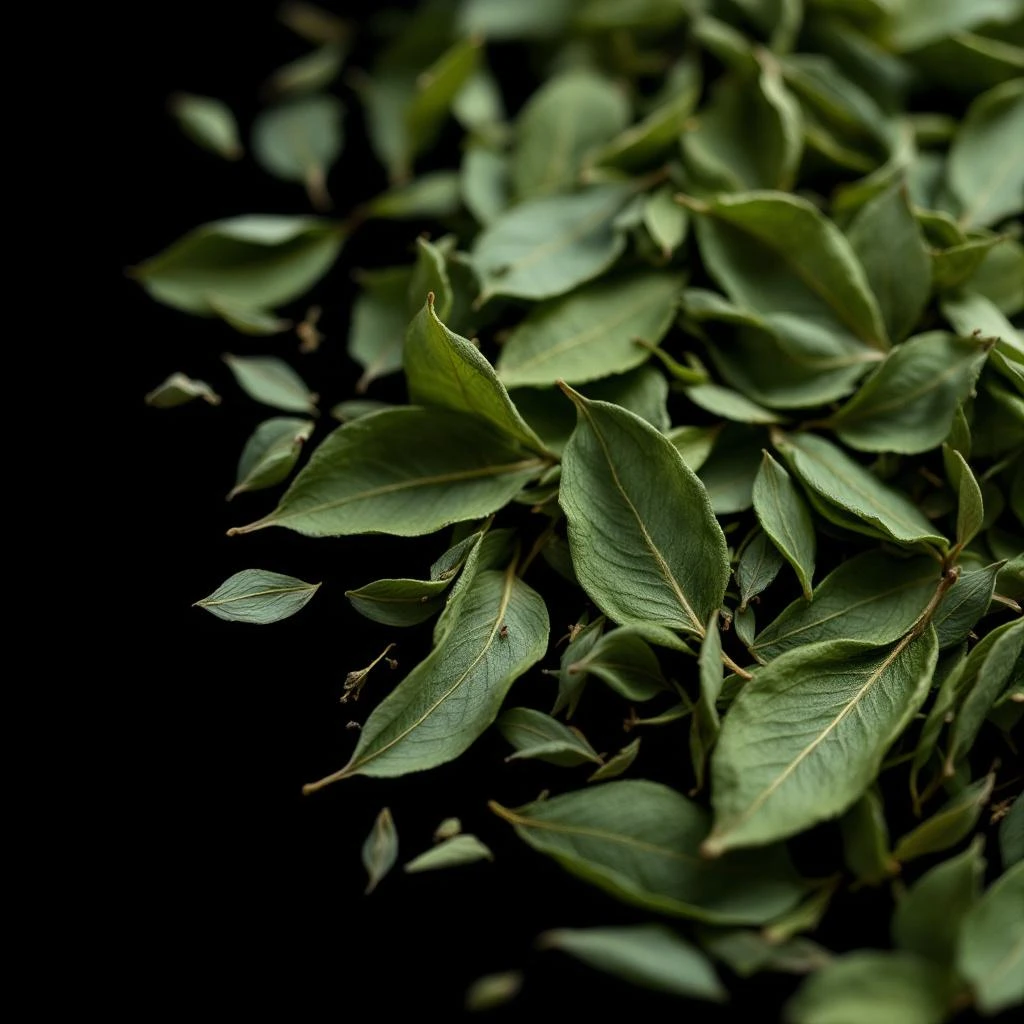
Drying concentrates and changes many plant aromas, making coumarin-rich notes more perceptible. In extraction, moisture, heat, and storage can also alter the oil's composition.