Wild Hyacinth
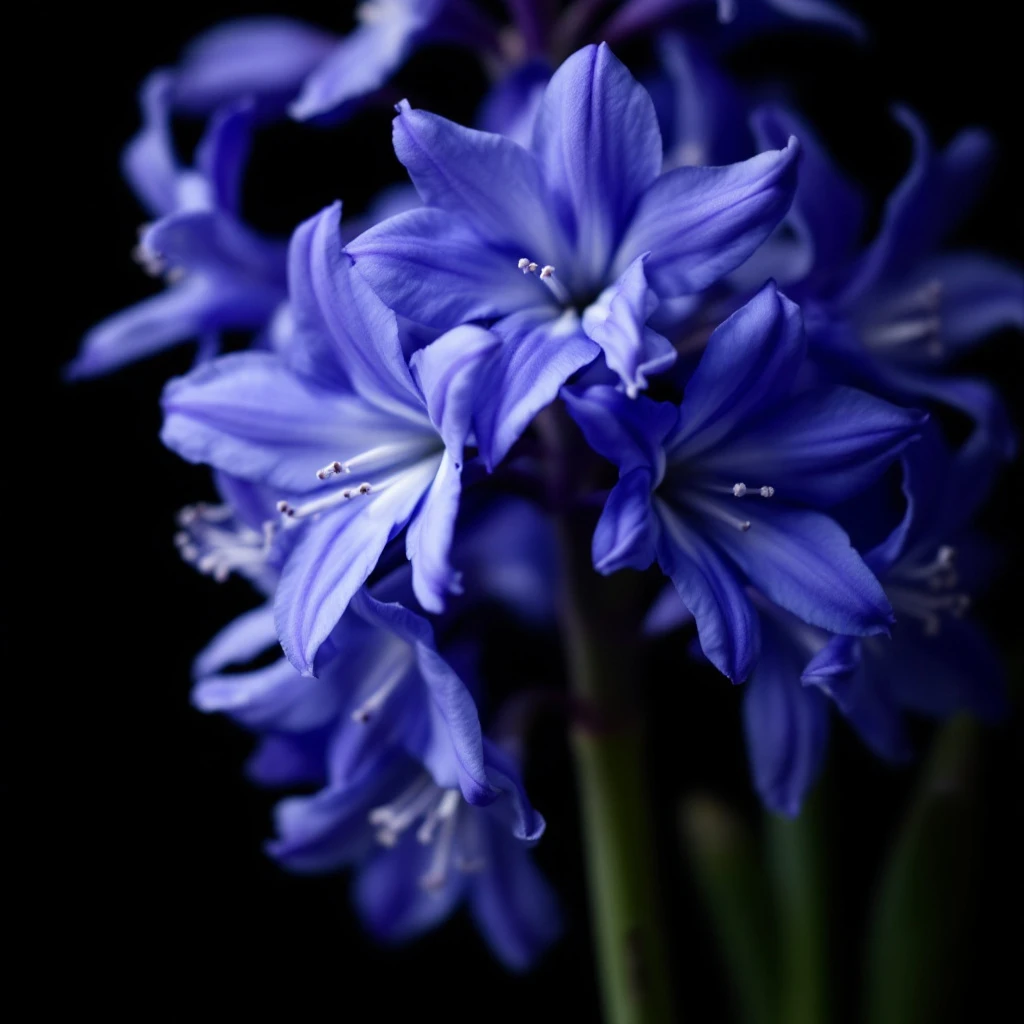
Wild Hyacinth delivers an intensely green, almost electric floral note that captures the rush of spring. Its crisp, dewy character cuts through compositions with remarkable clarity, making it a favorite among perfumers seeking fresh, botanical impact.
Character
How it smells
Spring's most vivid bloom, captured in scent.
Natural hyacinth absolute costs over $4,000 per kilogram, which is why most modern fragrances rely on synthetic versions to achieve that distinctive green, floral character.
Pairs beautifully with

Origin
Syria
Hyacinthus orientalis originated in the eastern Mediterranean, with historical records pointing to Syria as the plant's ancestral home. Ancient civilizations valued hyacinth for both its striking appearance and fragrance, though its use in perfumery remained limited for centuries due to extraction challenges.
The flower gained prominence in European perfumery during the 18th and 19th centuries as cultivation techniques improved and demand for floral ingredients grew. Grasse, France emerged as the center of hyacinth absolute production, leveraging the region's ideal climate for growing highly fragrant flowers.
Despite its historical significance, natural hyacinth remained a niche ingredient reserved for the finest perfumes due to prohibitive costs. Today, hyacinth persists as an important note in perfumery, though synthetic alternatives now serve as the primary source for most commercial fragrances seeking that distinctive green, spring-bloom character.
Wears it best
Fragrances featuring Wild Hyacinth
Brands
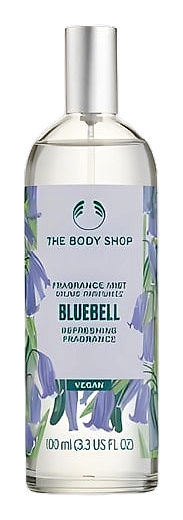
Brands known for Wild Hyacinth
Good to know
Questions, answered
The essentials on Wild Hyacinth in perfumery: how it smells, where it comes from, and how it behaves on skin.
Is Wild Hyacinth a natural or synthetic ingredient?
Most Wild Hyacinth in modern perfumery is synthetic. Natural hyacinth absolute costs thousands per kilogram, making it impractical for commercial use. Perfumers use lab-created aroma chemicals to replicate its green, floral character.
What does Wild Hyacinth smell like?
Wild Hyacinth smells intensely green, crisp, and dewy, evoking the first days of spring. It carries a floral sweetness balanced by sharp, almost vegetal freshness that distinguishes it from softer white flowers.
Where does Wild Hyacinth originate?
Hyacinthus orientalis originated in Syria and the eastern Mediterranean. The flower spread worldwide as an ornamental plant, but perfumery-grade cultivation concentrated in Grasse, France.
How is Wild Hyacinth extracted?
Natural hyacinth requires solvent extraction of freshly picked flowers, yielding very little absolute per harvest. This expensive process limits natural use. Modern perfumers synthesize hyacinth's key aromatic compounds instead.
Is Wild Hyacinth used in men's or women's fragrances?
Wild Hyacinth appears across fragrance categories. Its crisp, green character suits spring and summer releases for any gender, though it features prominently in floral bouquets and fresh chypres.
What fragrance families use Wild Hyacinth?
Wild Hyacinth appears in floral, green, and chypre compositions. It works as a heart note or supporting accent, adding freshness and botanical authenticity to spring-themed fragrances.
Does Wild Hyacinth have any historical significance in perfumery?
Grasse, France became the historic center of hyacinth absolute production during the 18th and 19th centuries. The ingredient was reserved for fine perfumes due to its scarcity and high cost.
What aromatic compounds give Wild Hyacinth its scent?
Hyacinth's scent comes from phenylacetaldehyde and related aromatic aldehydes that create its signature green, slightly spicy floral profile. Synthetic versions recreate these specific compounds in the lab.





