Banana Flower
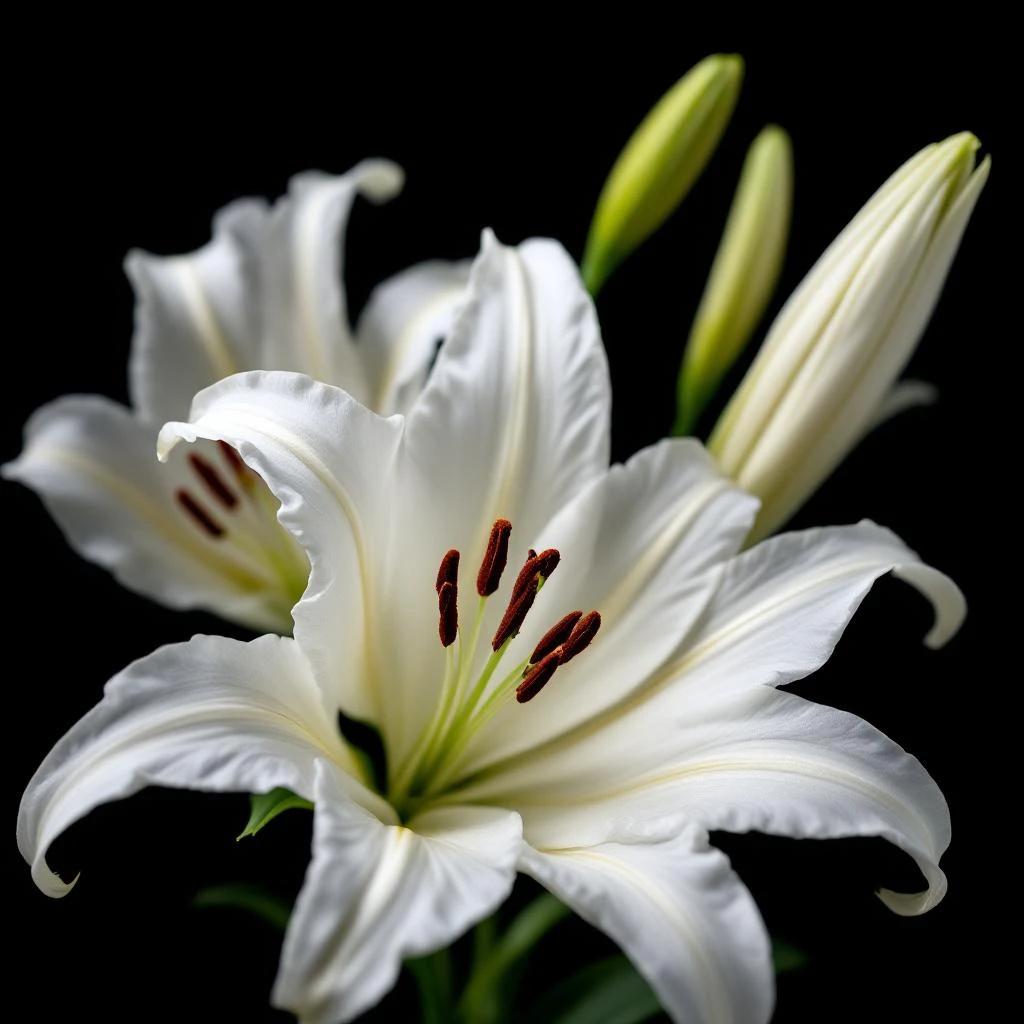
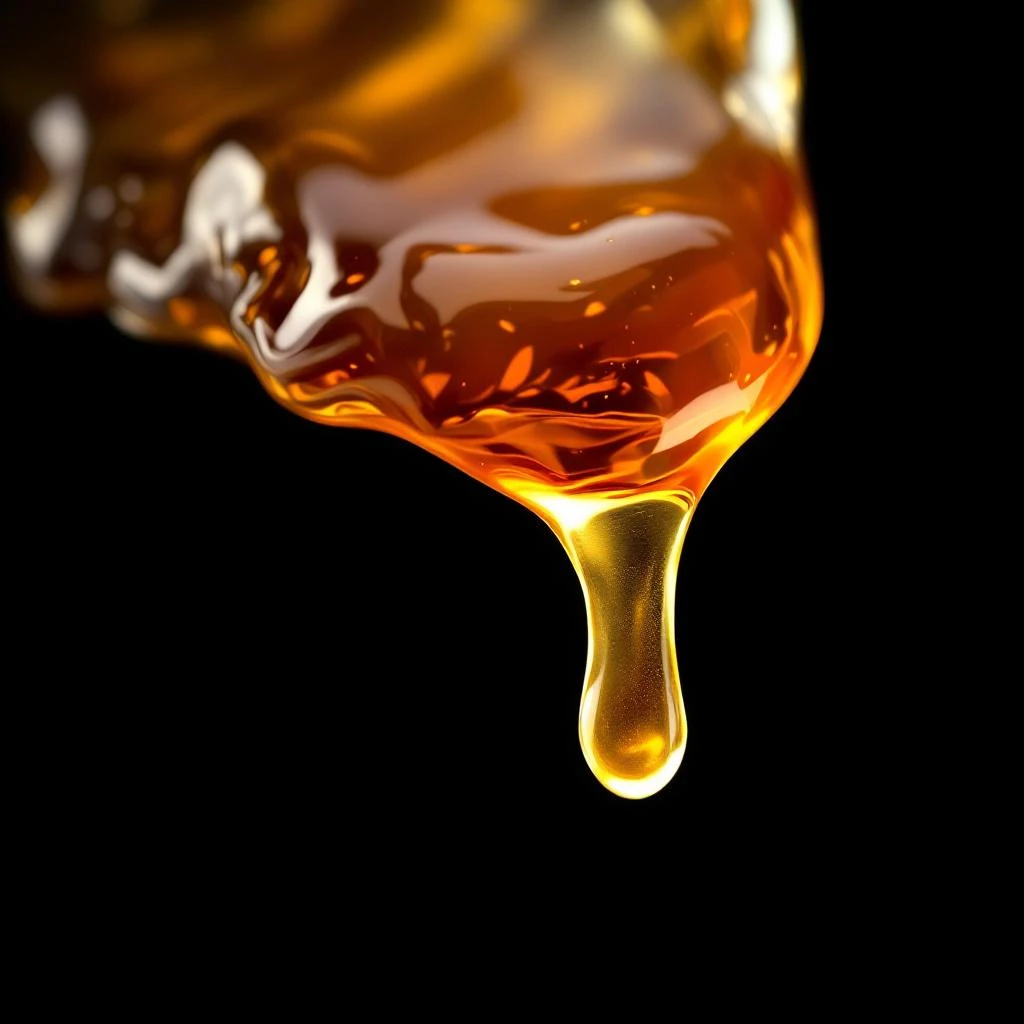
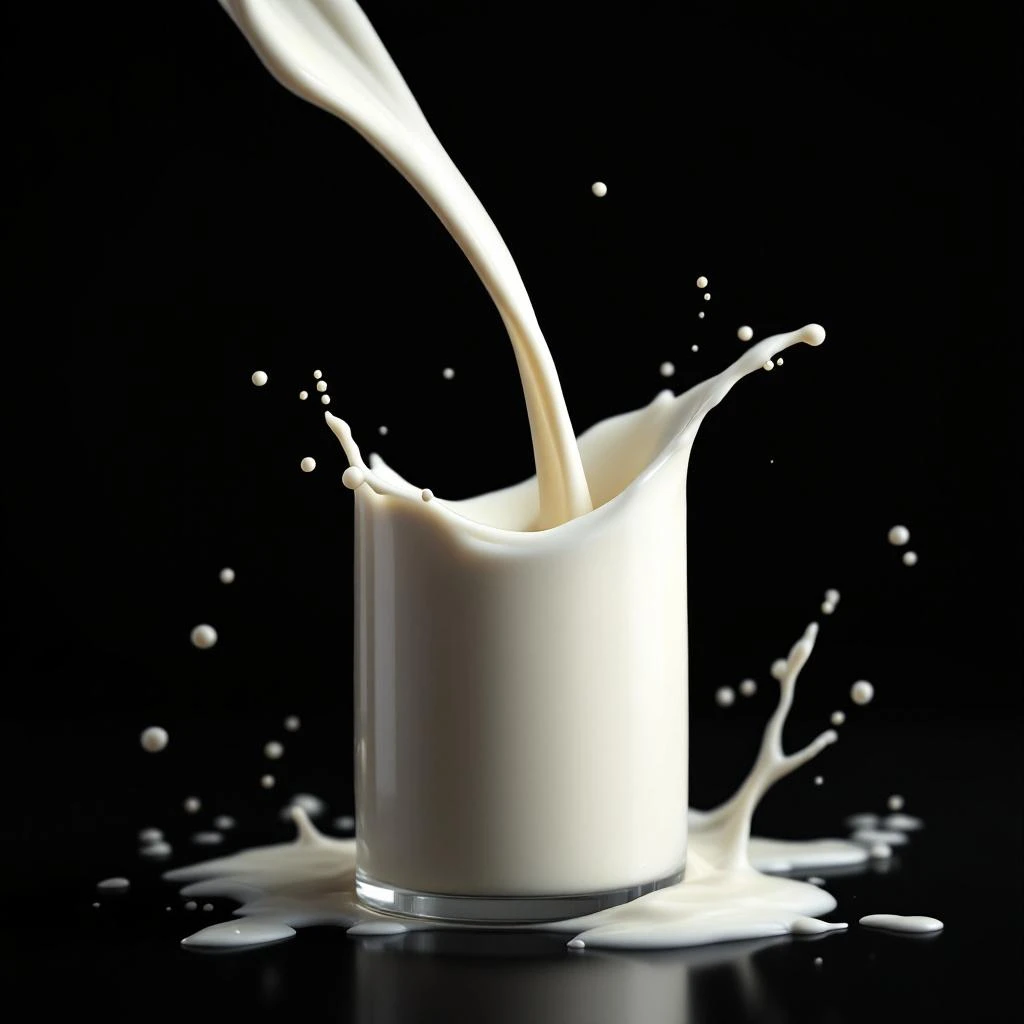
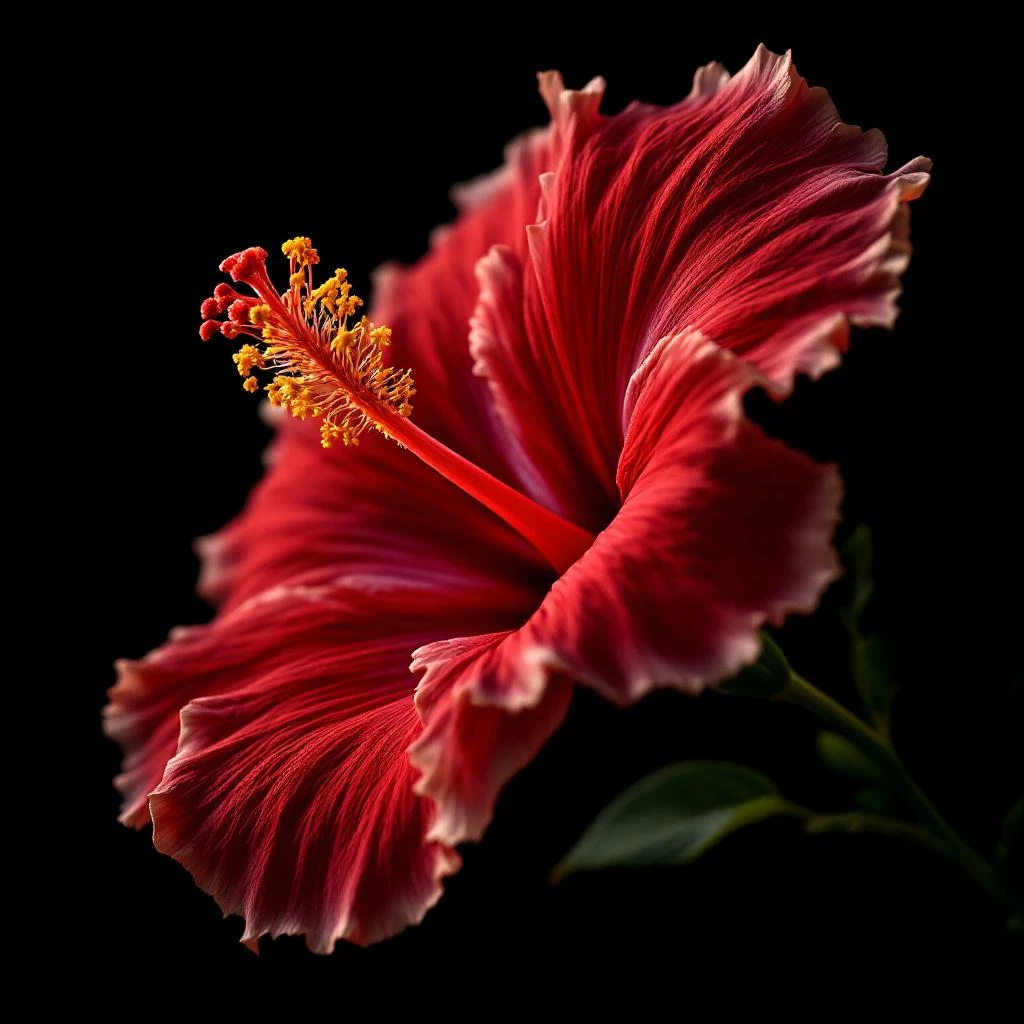
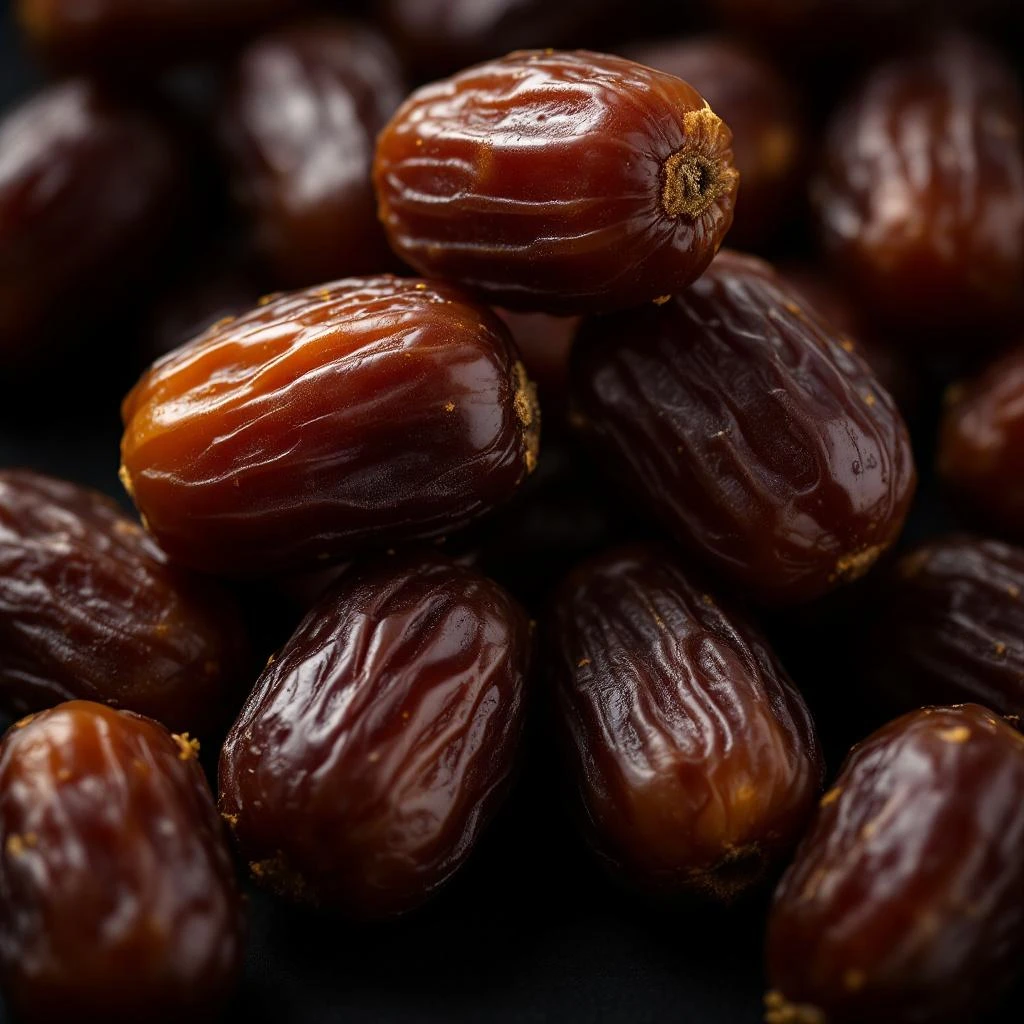
The banana flower surprises. Its thick, waxy petals yield a scent far removed from sweet banana: vegetal, starchy, mineral. Think cooked artichoke heart dusted with honey, not tropical fruit. This unexpected depth makes it a secret weapon for perfumers seeking tropical florals with an earthy anchor.
Character
How it smells
Tropical depth that defies expectations.
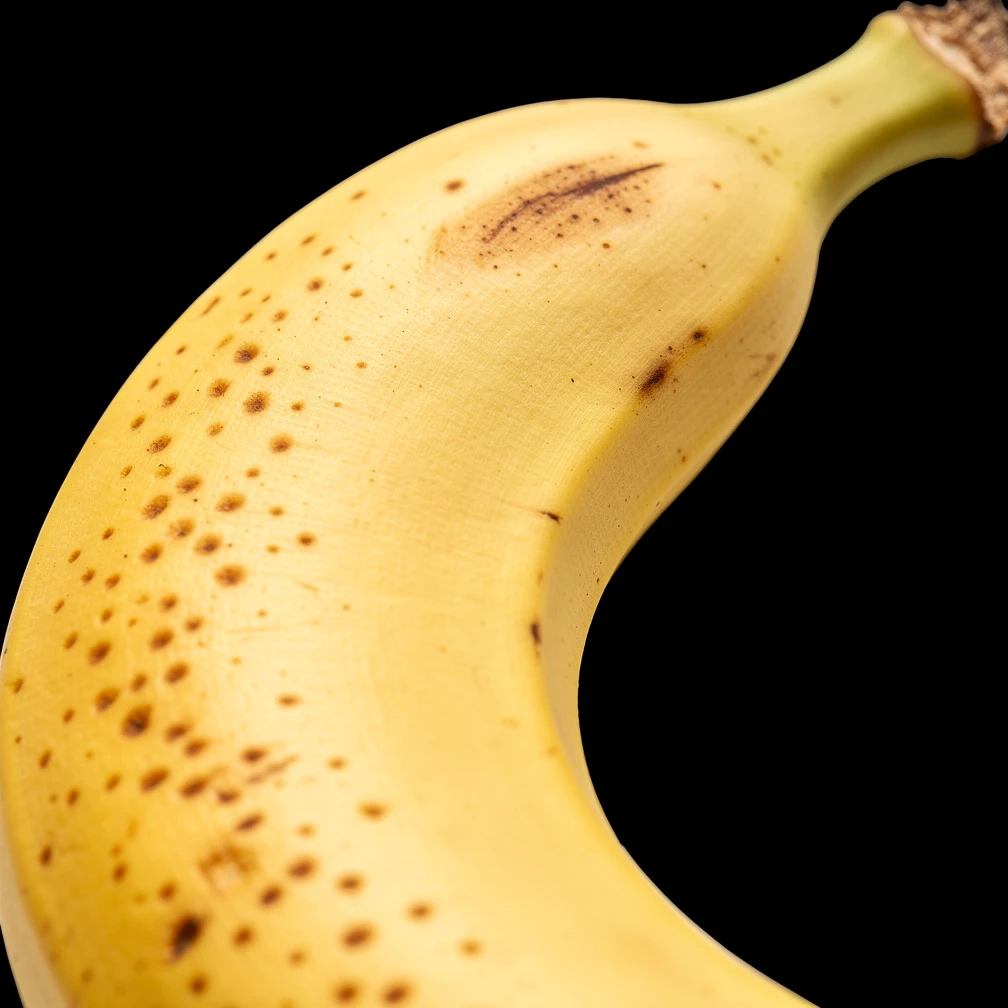
Banana flower absolute smells nothing like banana. Its vegetal, artichoke-like character offers something far more surprising and complex.



Origin
India
The banana plant carries one of the longest cultivation histories in human agriculture. Originating in Southeast Asia and New Guinea, Musa species were domesticated around 8000 BCE, making bananas among the earliest farmed crops. The plant spread along ancient trade routes, reaching Hawaii and the Pacific islands centuries before European contact.
Traditional uses of the banana flower extended across cultures. Hawaiian and Filipino cuisines incorporated the blossom into regional dishes. Ayurvedic practice valued the flower for therapeutic properties, particularly in supporting women's health. Despite this rich history of culinary and medicinal use, the banana flower remained absent from perfumery for most of human history.
The connection between banana and fragrance chemistry emerged in the 1850s, when scientists first isolated isoamyl acetate from banana oil. This discovery arrived during a transformative period for organic chemistry. Researchers were beginning to identify, isolate, and synthesize the individual compounds responsible for natural scents. The 1870s brought further advances in fragrance extraction, as houses in Grasse refined their techniques for capturing plant aromatics.
Banana flower absolute entered the perfumer's palette only recently, as natural absolutes became more widely available and perfumers sought unusual materials. The flower's starchy, mineral character offered something different from conventional tropical notes. Today, it remains a niche ingredient, prized by perfumers building compositions where tropical origin meets earthy restraint.
Wears it best
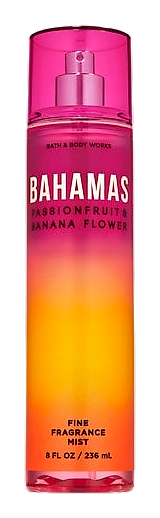
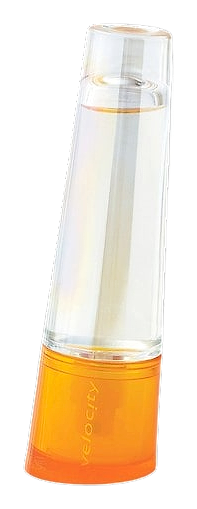
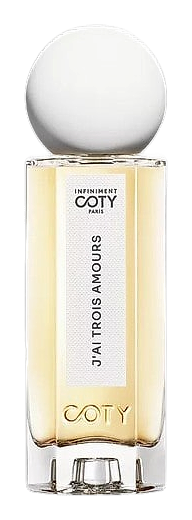
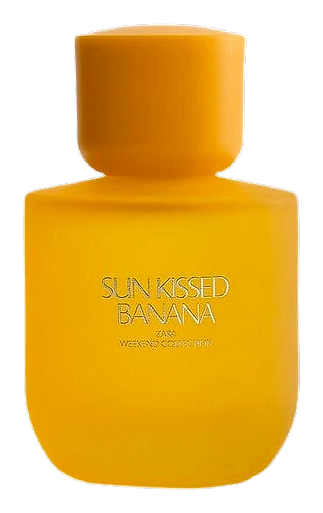
Fragrances featuring Banana Flower
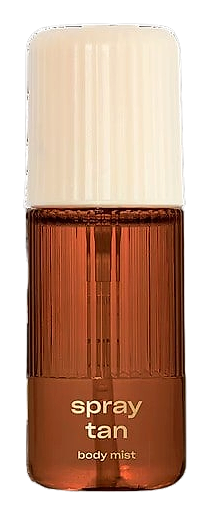
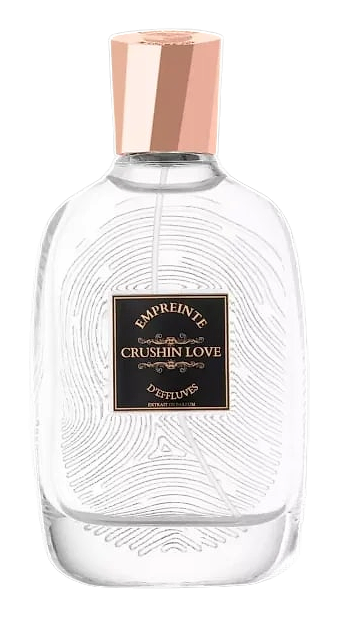
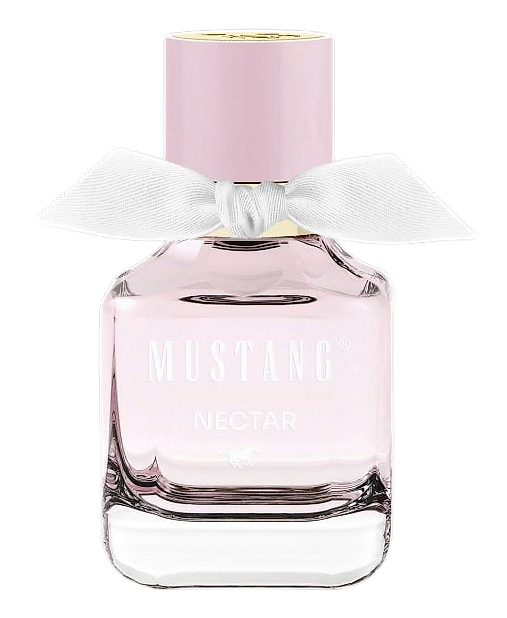
Brands
Brands known for Banana Flower
Good to know
Questions, answered
The essentials on Banana Flower in perfumery: how it smells, where it comes from, and how it behaves on skin.
What does banana flower smell like in perfumery?
Banana flower absolute is vegetal, starchy, and faintly honeyed with a mineral quality. It resembles cooked artichoke heart more than banana fruit. This unexpected depth makes it valuable for tropical fragrances seeking earthiness rather than sweetness.
Is banana flower the same as banana fruit note in perfume?
No. Banana fruit notes use isoamyl acetate, a sweet ester first isolated in the 1850s. Banana flower absolute captures the blossom's vegetal, starchy character. These are entirely different aromatic profiles from the same plant.
How do perfumers obtain banana flower absolute?
Through solvent extraction of fresh banana flower blossoms. The material is processed quickly after harvest because it degrades rapidly. The resulting absolute is viscous and dark, valued for its tenacity and distinctive vegetal character.
Why do most banana notes in perfume use synthetic materials?
Isoamyl acetate, the primary banana scent compound, is synthesized commercially because it offers consistency, purity, and cost efficiency. Natural banana oil exists but extraction is impractical. The synthetic version produces chemically identical results.
What is isoamyl acetate and how was it discovered?
Isoamyl acetate is the ester responsible for banana's characteristic scent. Scientists first isolated it from banana oil in the 1850s. Today, commercial production uses esterification of isoamyl alcohol with acetic acid, a straightforward chemical process.
Where is banana flower absolute sourced?
India and Southeast Asia produce banana flower absolute, regions where banana cultivation has deep agricultural roots. India hosts extensive Musa cultivation with established harvest and processing infrastructure for various plant parts.
Is natural isoamyl acetate used in perfumery?
Natural isoamyl acetate exists in banana fruit and other sources, but synthetic production dominates perfumery. Cost and consistency advantages make synthetic isoamyl acetate the industry standard for banana fruit notes.
What makes banana flower unusual among tropical fragrance ingredients?
Most tropical materials emphasize sweetness and brightness. Banana flower absolute offers the opposite: starchy, mineral, almost savory depth. This earthy quality allows perfumers to construct tropical compositions with surprising restraint and complexity.