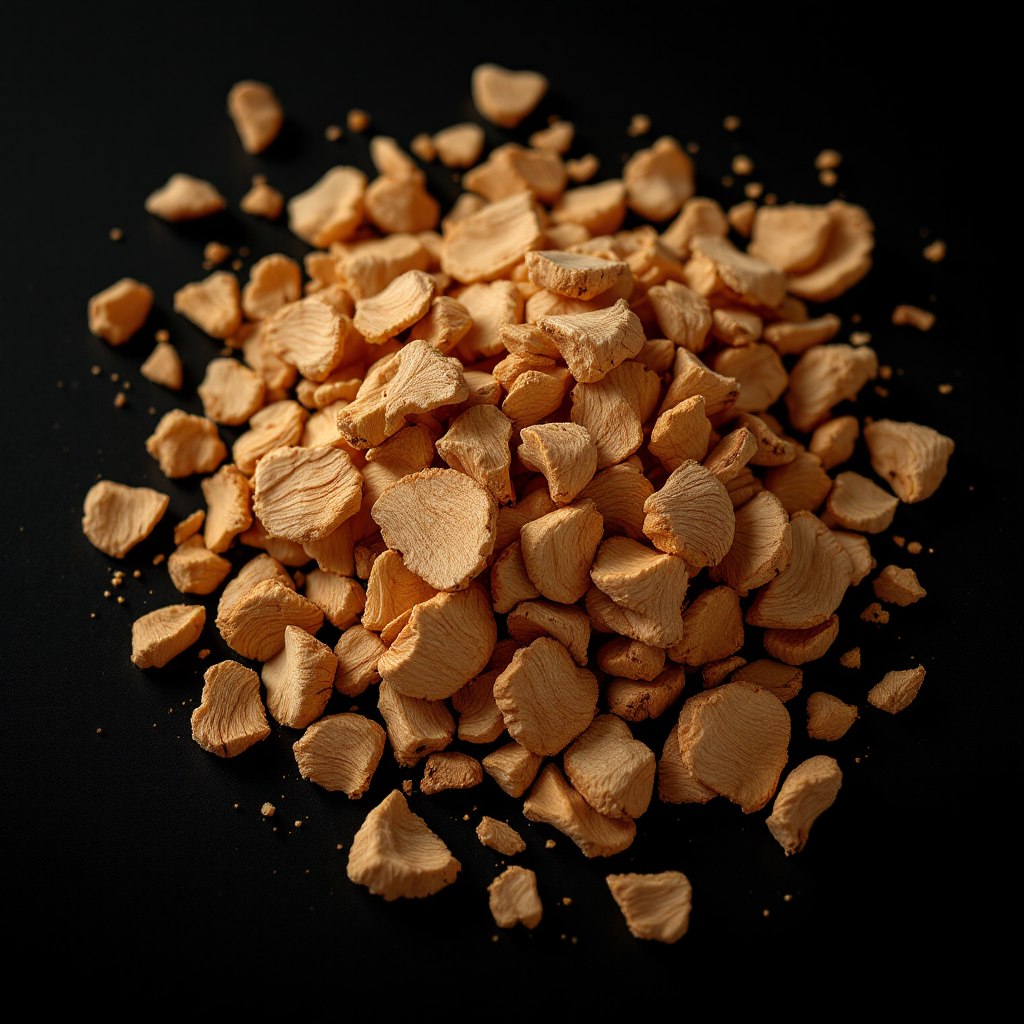
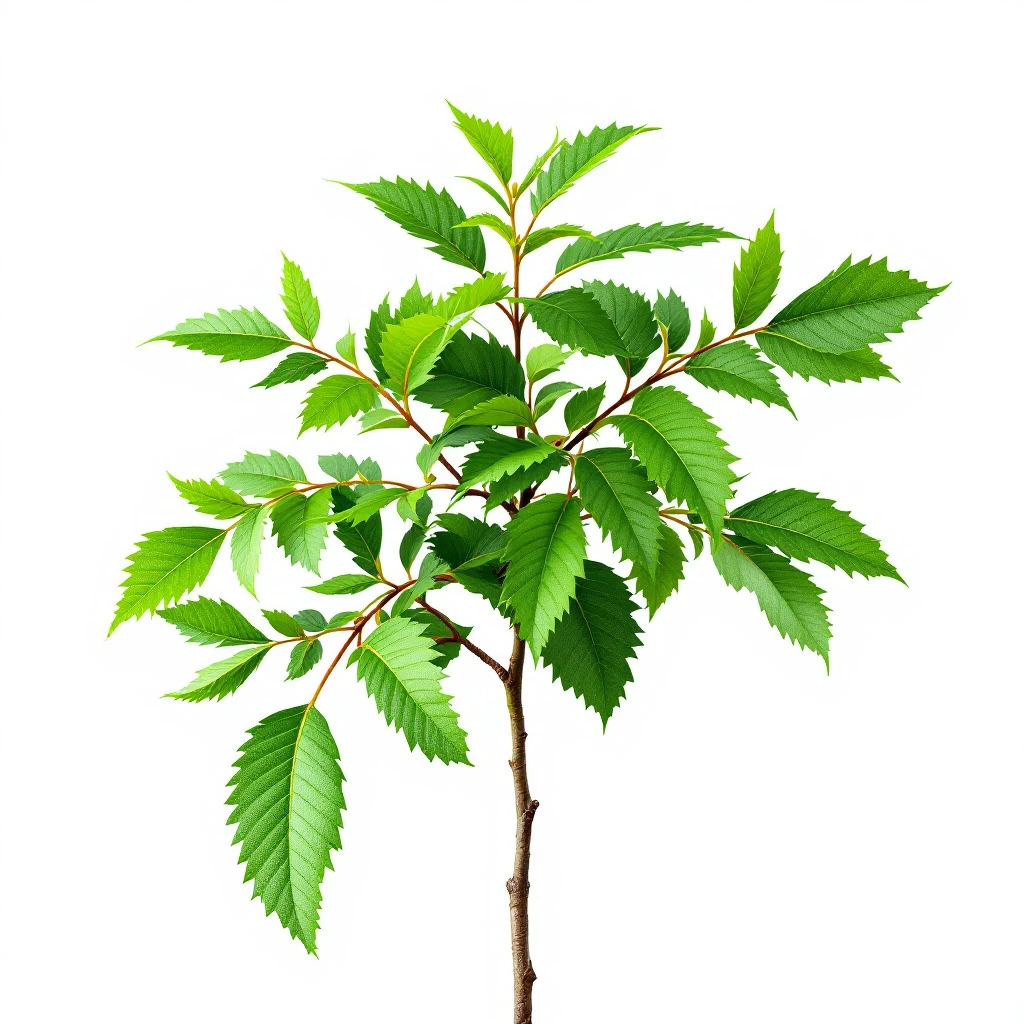
Neem Tree
Neem oil offers a bold, green, earthy character with garlic-like sulfurous undertones. Distilled from the seeds of Azadirachta indica, it brings an unconventional, medicinal edge to fragrance compositions.
Character
How it smells
Ancient bark, bold green bite
Neem trees have been used in Ayurvedic medicine for over 4,000 years, yet their oil only entered modern fragrance vocabulary in niche experimental blends.



Origin
India
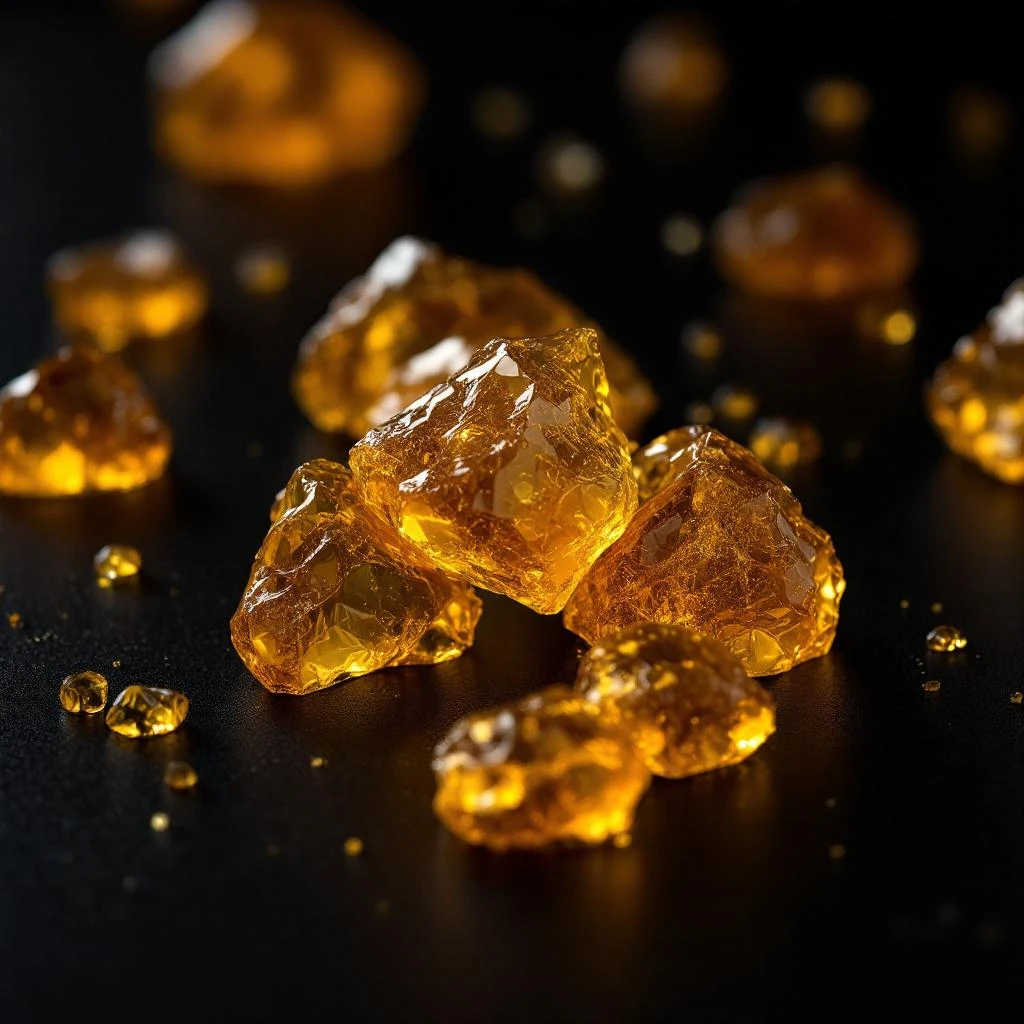
The neem tree, Azadirachta indica, is native to the Indian subcontinent and has been cultivated there for over 4,000 years. Ancient Ayurvedic texts document its use for skin ailments, infections, and agricultural pest control, earning it the nickname 'village pharmacy' across rural India. British colonial botanists formally catalogued the species in the 19th century, but it wasn't until 1962 that Indian research divisions began systematic study of its chemical properties, isolating azadirachtin as its key bioactive agent.
Neem oil became a staple in soap manufacturing in India during the early 20th century, and by 1992, the National Research Council published a landmark report recognizing its broad utility. Its migration into fragrance has been slow and largely confined to experimental niche perfumery, where its pungent, garlic-tinged profile serves as a provocative accent in green and herbal compositions.
Wears it best
Fragrances featuring Neem Tree
Brands
Brands known for Neem Tree
Good to know
Questions, answered
The essentials on Neem Tree in perfumery: how it smells, where it comes from, and how it behaves on skin.
What does neem smell like in perfume?
Neem oil smells earthy, green, and distinctly sulfurous, with garlic-like and nutty undertones. It is pungent rather than floral, and perfumers typically use it as a supporting accent in avant-garde or herbal compositions rather than a dominant note.
Is neem safe to wear on skin?
Diluted neem oil is generally considered safe in fragrance concentrations. Neem seed oil has a long history of topical use in Ayurvedic skincare, though undiluted application can cause irritation in sensitive individuals.
Where does neem oil come from?
Neem oil is extracted from the seeds of Azadirachta indica, a tree native to the Indian subcontinent. The species is now cultivated in West Africa, Southeast Asia, and other tropical regions, though India remains the primary producer.
How is neem oil extracted for fragrance?
Cold pressing is the preferred method for perfumery, preserving the oil's volatile sulfur compounds and green, savory character. Solvent extraction using hexane is more common for industrial-grade oil used in soaps and cosmetics.
How long has neem been used traditionally?
Neem has been documented in Ayurvedic medicine for more than 4,000 years. Its applications spanned wound care, dental health, and crop protection, making it one of the oldest continuously used botanical ingredients in South Asian traditions.
Is neem common in mainstream perfumery?
Neem remains rare in mainstream fragrance, appearing mostly in experimental and niche compositions. Its strong sulfurous profile makes it challenging to blend, limiting its adoption outside avant-garde perfumery.
What other ingredients pair well with neem?
Neem pairs naturally with other green and herbal notes like vetiver, galbanum, and fig leaf. Citrus oils and spices such as black pepper soften its sulfurous edge while preserving its earthy depth.
Can neem oil go rancid?
Yes, neem oil oxidizes relatively quickly due to its high fatty acid content. Properly stored in cool, dark environments, cold-pressed neem oil typically maintains its character for 12 to 18 months before degrading noticeably.