Mountain Pine
Mountain Pine captures the crisp, bracing air of high-altitude forests. Its essential oil delivers fresh, resinous, and woody facets that instantly transport the senses to ancient pine groves blanketed in snow. Every note carries the forest-floor depth and mountain-altitude clarity that makes this ingredient a cornerstone of fresh, masculine fragrances.
Character
How it smells
The crisp air of high-altitude forests, bottled.
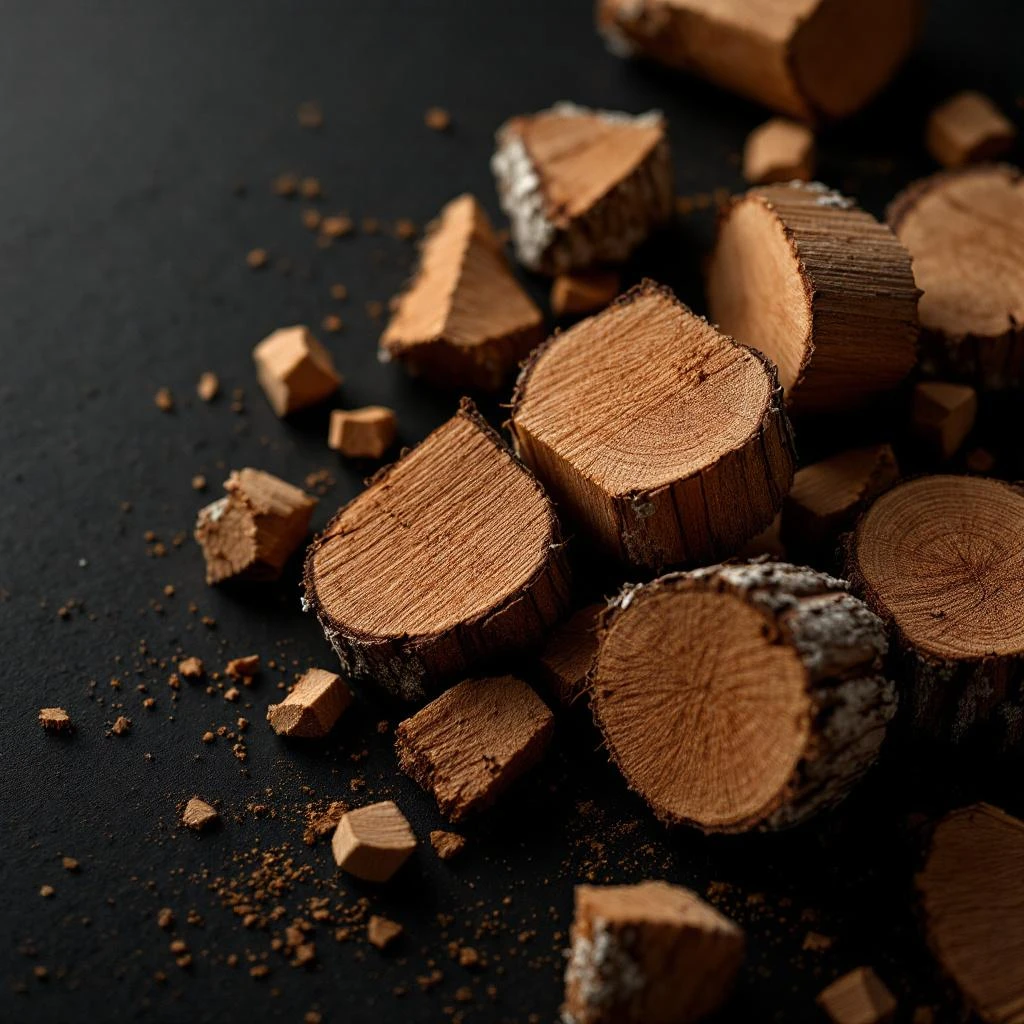
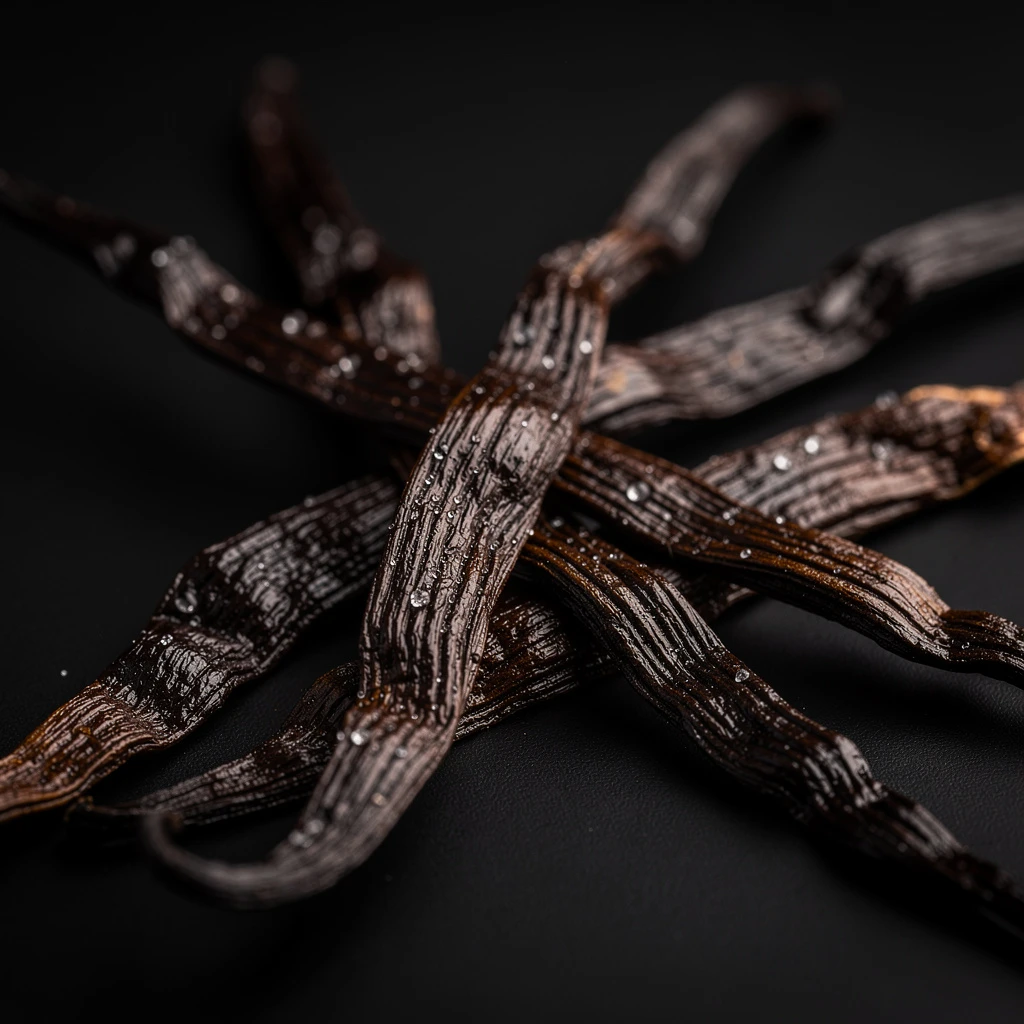
In 1874, German chemist Wilhelm Haarmann synthesized vanillin from pine bark compounds, laying groundwork for modern aroma chemistry.
Origin
Europe
Pine has served medicine and ritual across Europe for millennia. Alpine and Scandinavian peoples burned pine resin as incense and used needle preparations for respiratory and antiseptic purposes.
When modern perfumery emerged in the late nineteenth century, pine found its place in masculine colognes and forest-themed compositions. The late 1800s saw significant advances in extracting and synthesizing pine-derived compounds, expanding its role in fragrance.
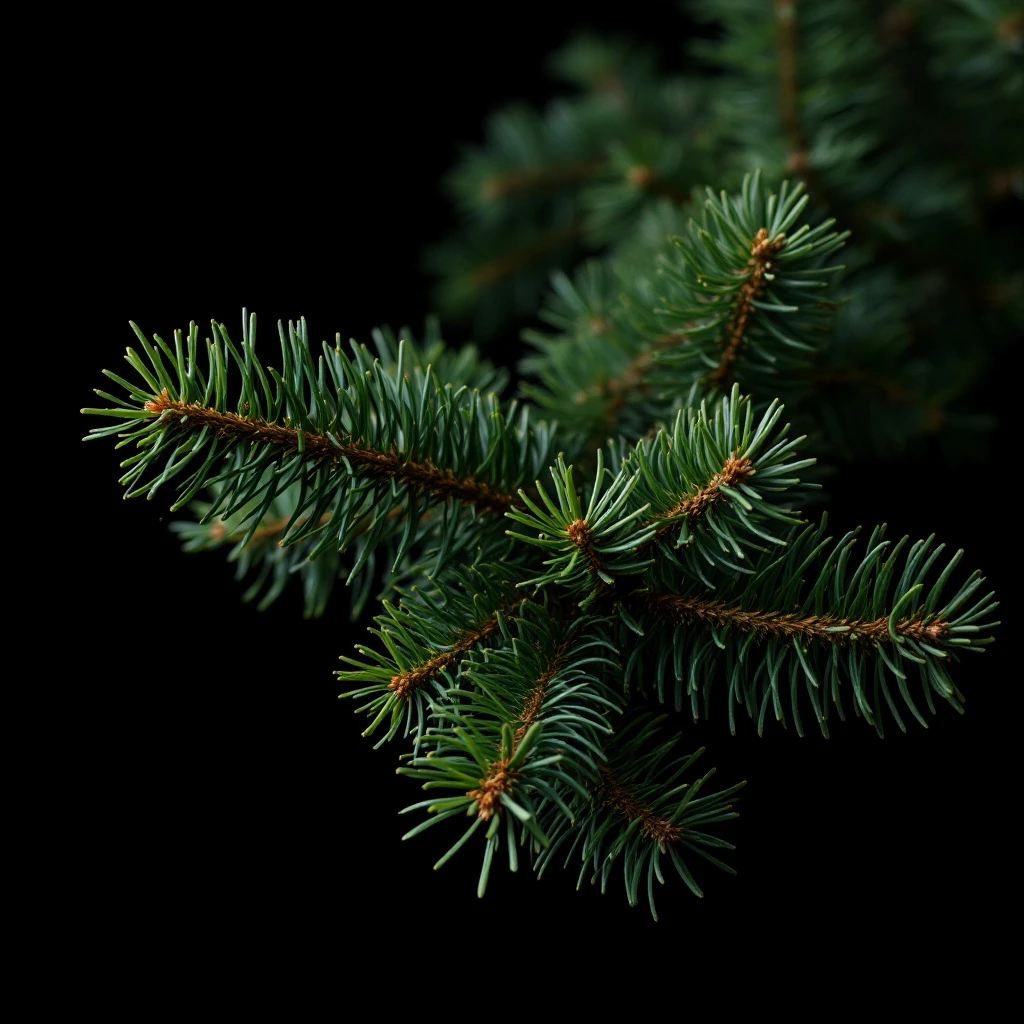
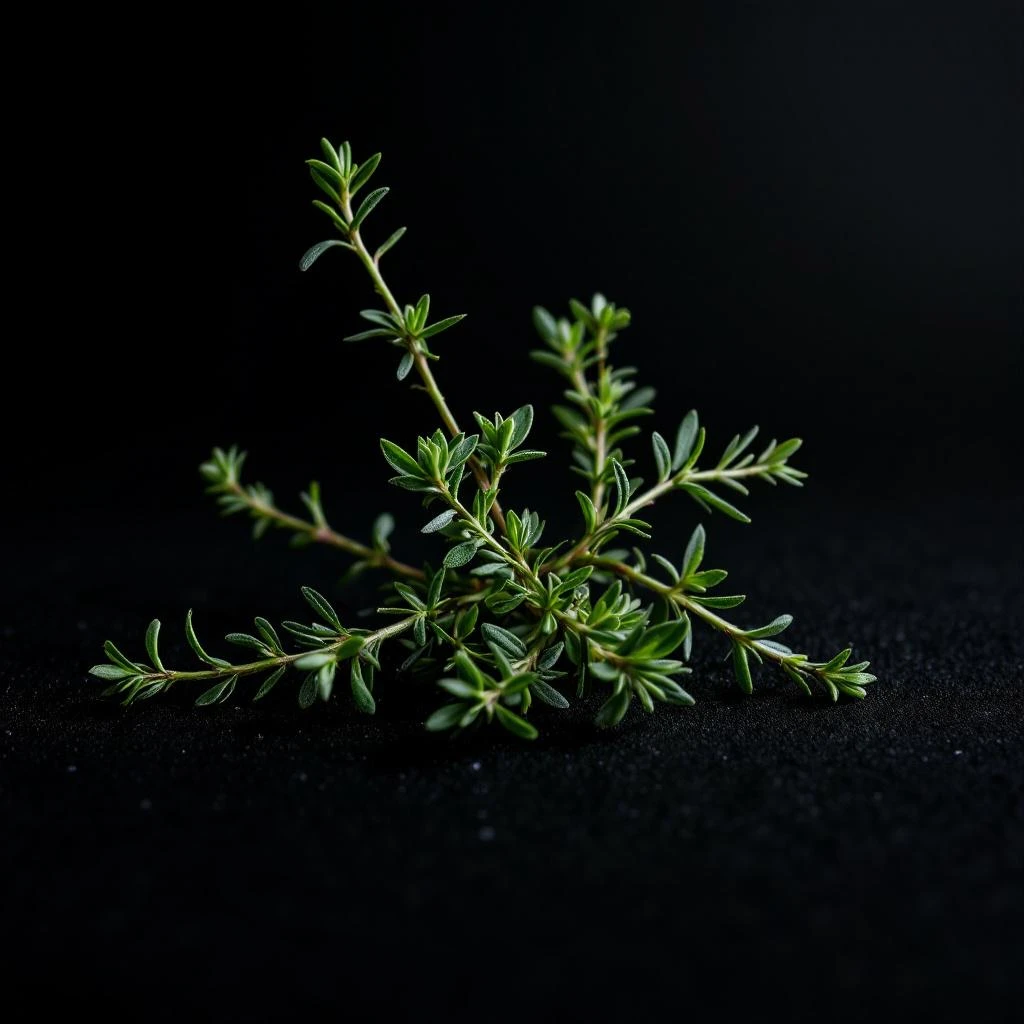
Pinus sylvestris, or Scots pine, remains the primary species for perfumery, its needles offering the ideal balance of fresh, resinous, and woody character. Today, synthetic aromachemicals like various pinene isomers replicate aspects of pine's scent profile, but the natural essential oil continues to anchor fine fragrances seeking authentic botanical character.
Wears it best
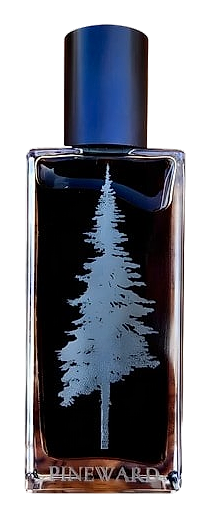
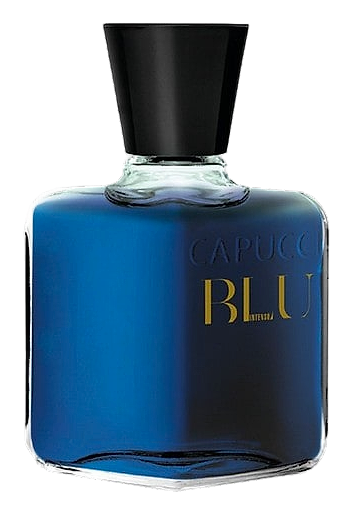
Fragrances featuring Mountain Pine

Brands
Brands known for Mountain Pine
Good to know
Questions, answered
The essentials on Mountain Pine in perfumery: how it smells, where it comes from, and how it behaves on skin.
What does Mountain Pine smell like?
Mountain Pine smells fresh, sharp, and resinous with a pronounced coniferous character. It carries woody, slightly turpentine-like facets alongside cooling, almost medicinal notes. The overall impression evokes standing among pine trees at altitude on a cold morning.
How is Mountain Pine essential oil extracted?
Steam distillation extracts the oil from freshly harvested pine needles and young shoots. Live steam passes through the plant material, releasing volatile aromatic compounds. The vapor condenses, and the essential oil separates from the hydrosol. This method preserves the delicate fresh notes that define high-quality pine oil.
Where does Mountain Pine originate from?
The primary source is Pinus sylvestris, or Scots pine, grown across Scandinavia, Central Europe, and the Alps. Northern European forests provide the cool climate and acidic soil that produce needles with the most intensely aromatic compounds. Extraction facilities operate near these forest regions to process freshly harvested material.
What type of fragrance is Mountain Pine best suited for?
Mountain Pine works best in masculine and unisex fragrances, particularly those with fresh, fougère, or forest themes. It also appears in spa and wellness-oriented scents. Pairing it with cedarwood, juniper, or eucalyptus strengthens the coniferous character, while citrus or floral notes create surprising contrast.
Is Mountain Pine used in natural or synthetic perfumery?
Both. Natural Mountain Pine oil from steam distillation of Pinus sylvestris is preferred in fine fragrances seeking botanical authenticity. Synthetic versions of pinene and related compounds are widely used in functional perfumery and more affordable products. The natural oil retains complexity that synthetics struggle to fully replicate.
What time of year are pine needles harvested for oil?
Pine needles are typically harvested from late spring through early autumn when the plant's aromatic compound concentration peaks. Fresh-cut material is distilled quickly after harvest to prevent oxidation and preserve the volatile top notes. Sustainable harvesting practices limit collection to specific branches to protect tree health.
How does Mountain Pine perform in fragrance formulas?
Mountain Pine projects strongly in the top and heart phases of a fragrance, lending an immediate fresh, green character. Its sillage is moderate to strong, lasting several hours on skin. In base combinations with resins or musks, it adds a clean, forest-like depth that rounds out heavier materials.
How should Mountain Pine oil be stored?
Store Mountain Pine oil in a cool, dark environment in tightly sealed amber or cobalt glass bottles. Light and heat accelerate oxidation, which dulls the fresh, sharp character over time. When properly stored, the oil remains stable for one to two years. Always keep it away from open flames, as the oil is highly flammable.