Motia
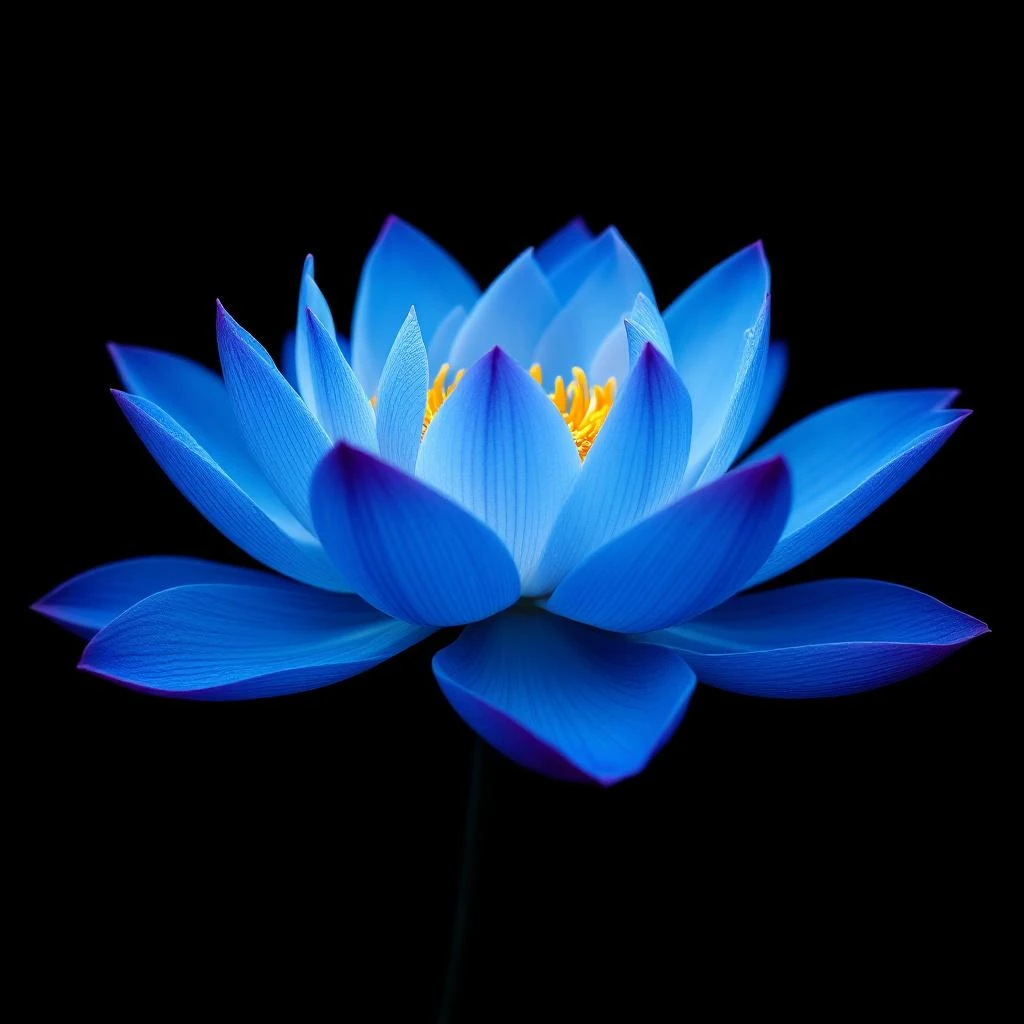
Motia attar, a traditional Indian fragrance distilled from the delicate flowers of the Jasminum sambac plant, carries a rich, intoxicating floral sweetness prized for centuries in perfumery.

Character
How it smells
India's legendary jasmine essence
Motia attar was historically offered to Mughal royalty and remains one of the most labor intensive fragrances in the world, requiring thousands of blossoms to yield a single gram of oil.





Origin
India
Motia attar traces its origins to the Mughal courts of the 16th and 17th centuries, when Persian distillation techniques merged with Indian botanical knowledge. The craft became concentrated in the city of Kannauj, situated along the Ganges in Uttar Pradesh, which had already established itself as a center for rose water production centuries earlier.
Mughal emperors and nobility prized motia as a symbol of refinement, and the fragrance was presented as diplomatic gifts throughout South and Central Asia. By the 18th century, the attar trade in Kannauj supported entire communities of flower growers, pickers, and distillers whose skills passed down through generations.
The British colonial era saw Indian attars reach European markets, though the category remained largely outside the Western fine fragrance canon. Today, Kannauj still produces motia using essentially the same methods refined over 400 years, making it one of the few perfume traditions on earth that remains unbroken across centuries.
Wears it best
Fragrances featuring Motia
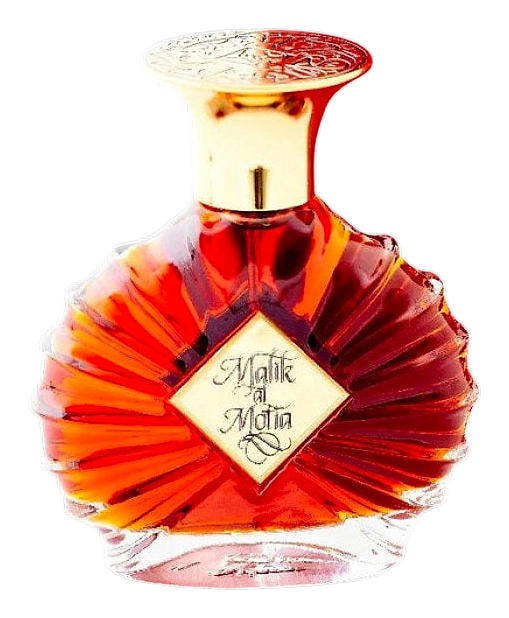
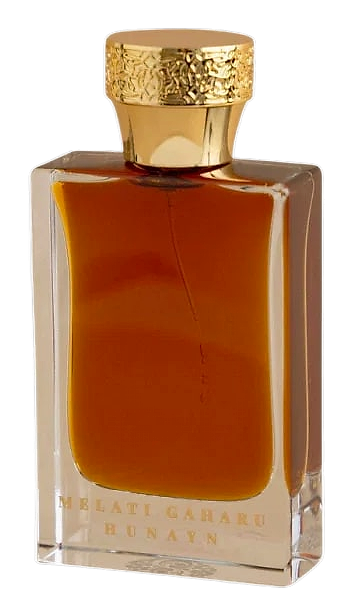
Brands
Brands known for Motia
Good to know
Questions, answered
The essentials on Motia in perfumery: how it smells, where it comes from, and how it behaves on skin.
What is motia attar made from?
Motia attar is hydro distilled from fresh Jasminum sambac blossoms, also known as Arabian jasmine. The flowers release their volatile compounds into steam, which condenses into a sandalwood oil base that captures the full floral character.
Where does motia attar come from?
Motia attar originates from Kannauj in Uttar Pradesh, northern India. This historic city on the Ganges has served as India's primary attar production center since the Mughal period and remains the global source for authentic motia.
How is motia attar different from modern jasmine perfume?
Modern jasmine perfume is typically extracted via solvent methods yielding jasmine absolute. Motia attar uses hydro distillation into a sandalwood base, producing a softer, warmer, more animalic floral profile than the absolute's bright intensity.
Why is motia attar so expensive?
Motia attar demands enormous labor because roughly one ton of jasmine blossoms yields just one kilogram of finished attar. Hand picking at dawn, slow distillation cycles, and low oil yield per flower all contribute to its high cost.
What does motia attar smell like?
Motia attar carries a rich, sweet jasmine character with indolic undertones and a warm sandalwood foundation. It feels deeper and more animalic than freshly cut jasmine, with a lingering creamy softness on skin.
Is motia attar natural or synthetic?
Authentic motia attar is entirely natural, produced through traditional hydro distillation of real jasmine flowers into sandalwood oil. No synthetic compounds are involved in genuine Kannauj produced motia.
How long does motia attar last on skin?
Due to its sandalwood oil base, motia attar typically lasts 8 to 12 hours on skin. The heavy carrier oil slows evaporation and gives the jasmine notes a slow, steady unfolding rather than a quick burst.
Can motia attar be worn daily?
Motia attar works well as a daily fragrance, especially in warm climates where its floral warmth complements skin chemistry. A small dab on pulse points provides noticeable scent without overwhelming those nearby.




