Monastery Brewed Liqueur
Monastery Brewed Liqueur captures centuries of monastic distilling tradition in a single accord, blending aged spirit warmth with the herbaceous depth of 130 botanicals steeped in copper stills.
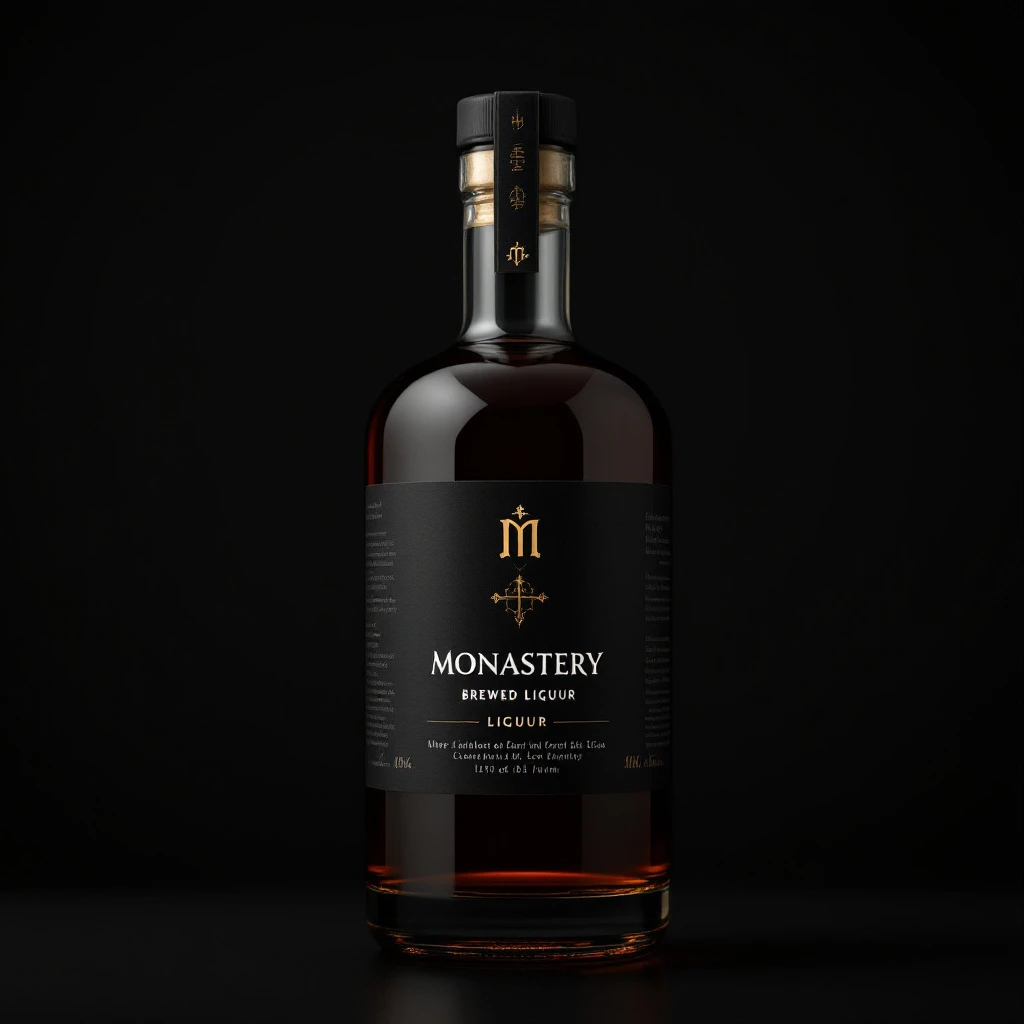
Character
How it smells
Sacred herbs, secret stills, centuries of patience.
Only two Carthusian monks know the full botanical recipe for the original Chartreuse, and they deliver the plant mixture to distillers in unmarked packaging to keep the formula secret.



Origin
France
The connection between monasteries and aromatic distillation runs deep. Medieval European monks cultivated medicinal herb gardens and became some of the earliest practitioners of distillation, producing liqueurs meant to soothe ailments and preserve botanical extracts. In 1605, the Carthusian order received an ancient manuscript detailing a complex herbal recipe.
They refined it for over a century, finally producing what became Chartreuse in 1737, a liqueur made from 130 plants and flowers. The formula remains a closely guarded secret. This monastic tradition of blending distilled spirits with healing herbs echoes humanity's earliest perfume work.
Tapputi-Belatekallim, a woman recorded in cuneiform tablets around 1200 BCE in Babylon, stands as the first known perfumer in history, using similar principles of infusion and distillation. By 2000 BCE, a perfume factory operated in Cyprus, evidence that organized aromatic production had taken root across the ancient Mediterranean. Monastery liqueur notes in modern perfumery pay tribute to this unbroken chain, from sacred herb gardens to contemporary still rooms.
Wears it best
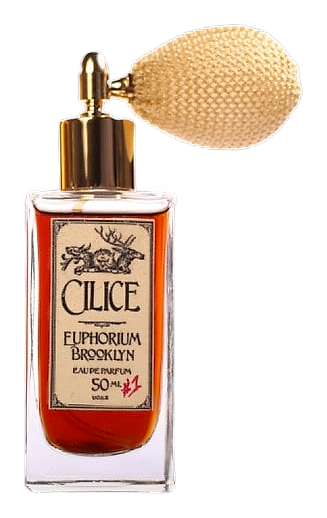
Fragrances featuring Monastery Brewed Liqueur
Brands
Brands known for Monastery Brewed Liqueur
Good to know
Questions, answered
The essentials on Monastery Brewed Liqueur in perfumery: how it smells, where it comes from, and how it behaves on skin.
What does Monastery Brewed Liqueur smell like in perfume?
It evokes the warm, herbaceous character of aged herbal liqueurs, featuring bitter wormwood, sweet honey-like florals, and soft woody undertones from oak aging. The accord reads slightly sweet, slightly medicinal, with a boozy warmth.
Is Monastery Brewed Liqueur a real fragrance ingredient?
It is a recreated accord rather than a direct extract. Perfumers build it from essential oils and aroma molecules like wormwood oil and clary sage absolute to simulate the aromatic profile of monastic herbal liqueurs.
Where does the Monastery Brewed Liqueur note come from?
The inspiration traces to French Carthusian monasteries, particularly the Grande Chartreuse monastery near Grenoble, where monks have distilled herbal liqueurs since 1737 using a recipe containing 130 botanicals.
How is a liqueur-style accord made for perfumery?
Producers macerate botanicals in high-proof alcohol, distill the mixture in copper stills, then age the liquid in oak. For fragrance, perfumers isolate the aromatic essence using essential oils and aroma chemicals that capture that same profile.
Which herbs define the Monastery Brewed Liqueur scent?
Wormwood provides the bitter backbone, angelica root adds earthy depth, and hyssop and melissa contribute fresh herbal lift. The full traditional Chartreuse formula includes 130 plants, though only a handful appear in most perfume recreations.
Is this note the same as drinking Chartreuse liqueur?
No. The fragrance accord mimics the aromatic profile of monastic liqueurs but contains no consumable alcohol. It is designed purely for scent composition and contains no intoxicating ingredients.
When did monasteries start making liqueurs?
European monasteries began producing liqueurs during the Middle Ages for medicinal purposes, growing healing herbs in cloister gardens. The Carthusian order formalized this practice in 1605, releasing Chartreuse commercially in 1737.
Why are monastery liqueur notes popular in niche perfumery?
They offer a complex, gourmand-adjacent profile that bridges herbal, boozy, and sweet categories. The mystery surrounding centuries-old monastic recipes also appeals to consumers seeking fragrances with historical depth and storytelling.




