


Heritage
A house, in its own words
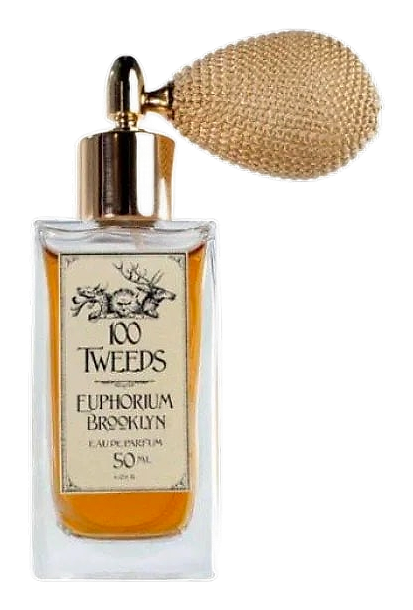
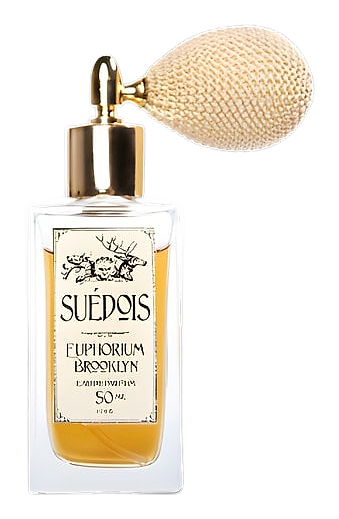
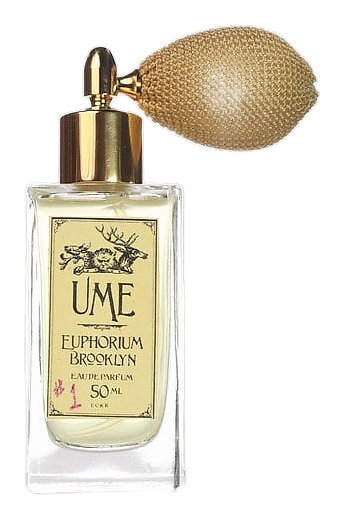
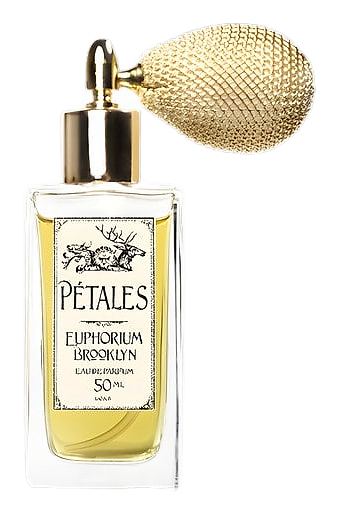
The mythology surrounding Euphorium Brooklyn traces its roots to the Euphorium Bile Works, reportedly founded in 1860 in Greenpoint, Brooklyn. According to the brand's narrative, this fictional establishment operated during an era when Brooklyn's waterfront hummed with industrial activity, long before the neighborhood became known for its artisan studios and coffeehouses. The founders of this imagined enterprise were three figures: Etienne Chevreuil, Rudolph Komodo, and Christian Rosenkreuz, whose names suggest European training and exotic wanderings. While the actual historical record of 1860s Greenpoint contains no evidence of such a perfume house, the mythology serves as a lens through which Stephen Dirkes approaches his craft, treating each fragrance as a relic recovered from an alternate past. This fictional framework allows the brand to exist outside conventional fragrance house conventions, unbound by traditional notes families or commercial considerations. The name Euphorium itself suggests indulgence and intoxication, while the industrial character of bile works speaks to transformation and the alchemical processes that lie beneath perfume creation. In practice, the house was brought to life by Dirkes, who operates as both founder and perfumer from his Brooklyn atelier, translating the fictional heritage into tangible olfactory experiences. Stephen Dirkes approaches perfumery as an artist working outside institutional boundaries. Described as self-taught, he brings a creator's sensibility to fragrance construction, prioritizing emotional resonance and narrative depth over market trends. The brand's philosophy centers on the idea that perfume can function as storytelling medium, each composition carrying the weight of its fictional origins. Rather than pursuing mass appeal, Dirkes creates fragrances for what sources describe as lovers of dark, smoky, woody, and campfire-character compositions, those drawn to scent experiences that feel ancient, primal, and slightly dangerous. The philosophy rejects the polished neutrality of commercial fragrances in favor of bold assertions: raw materials, unapologetic sillage, and compositions that announce themselves rather than whisper. The Ume fragrance exemplifies this approach, drawing inspiration from classical Japanese literature (Lady Murasaki's Tale of Genji) to create a plum-focused study that balances sweetness with savory undertones. This willingness to draw from unconventional sources, literary and material, defines the house's creative stance.