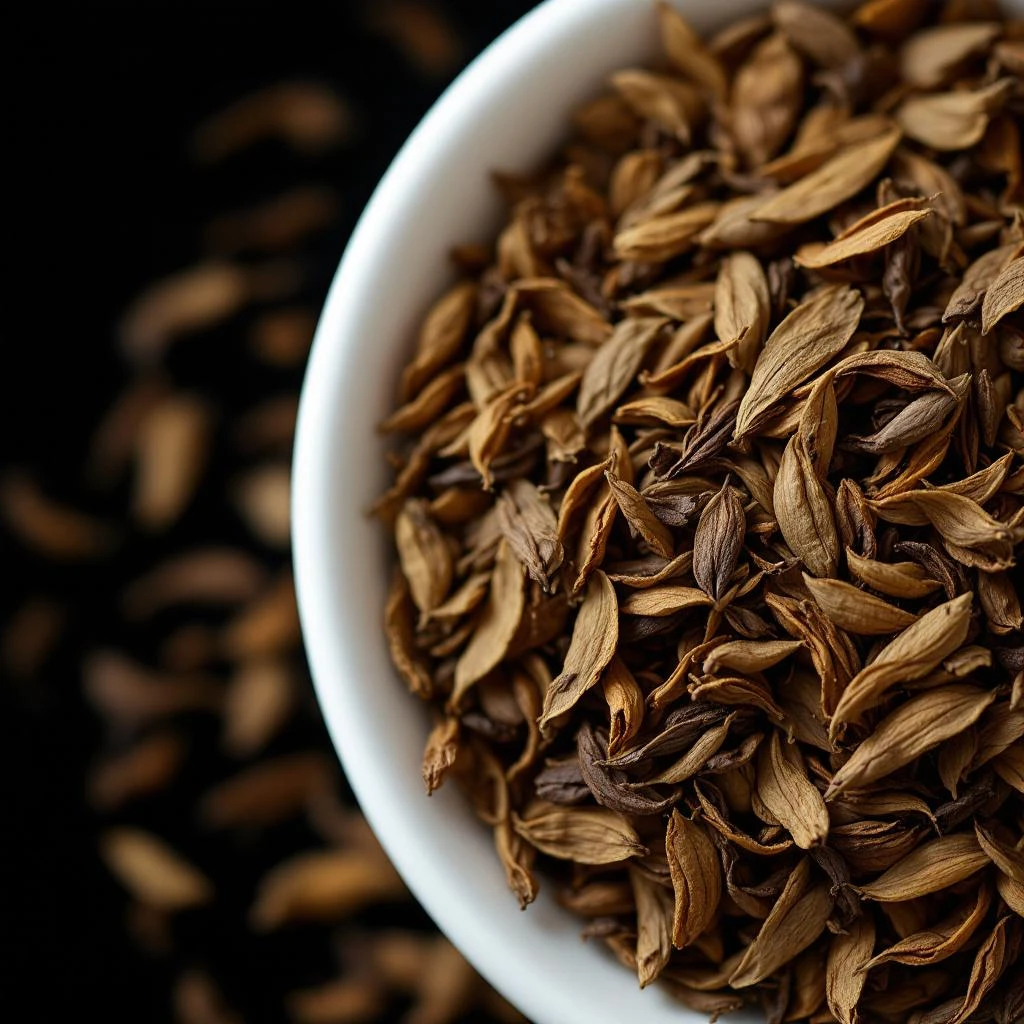
Mistletoe
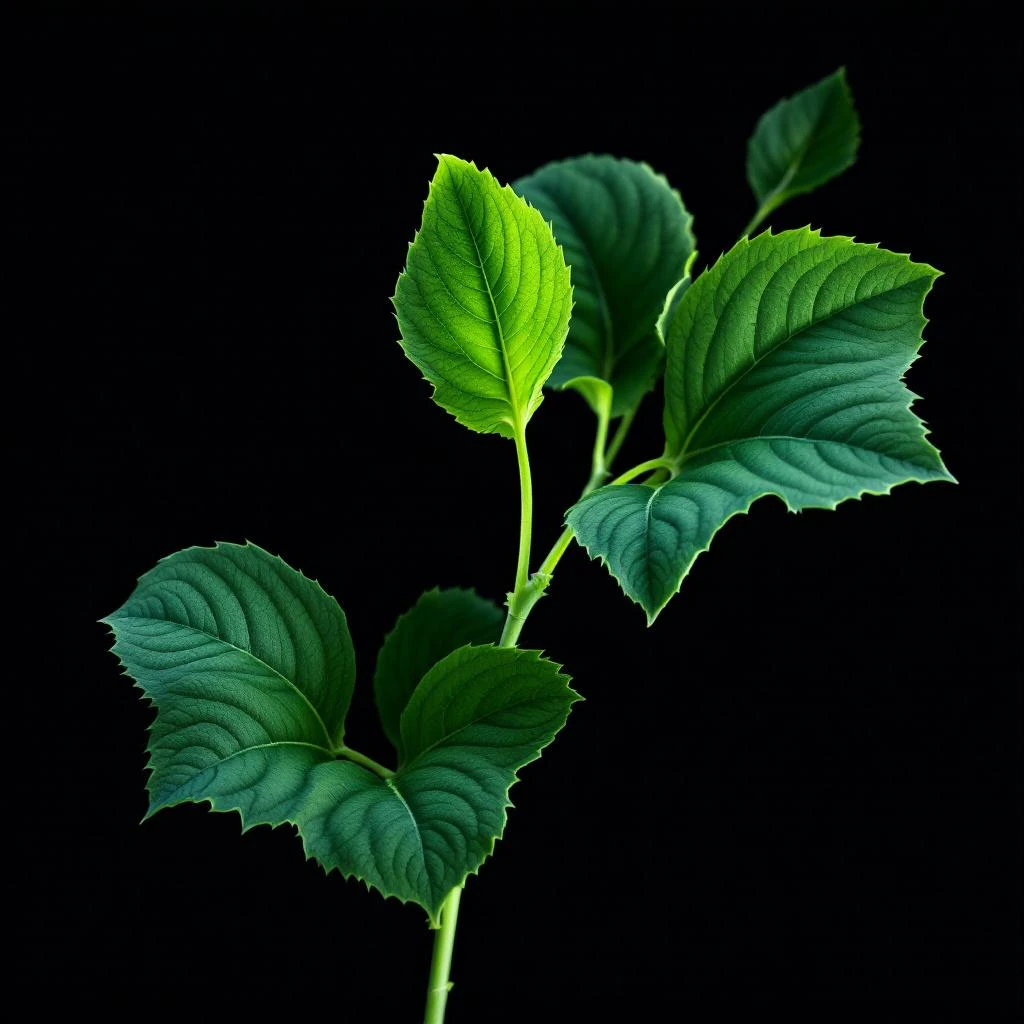
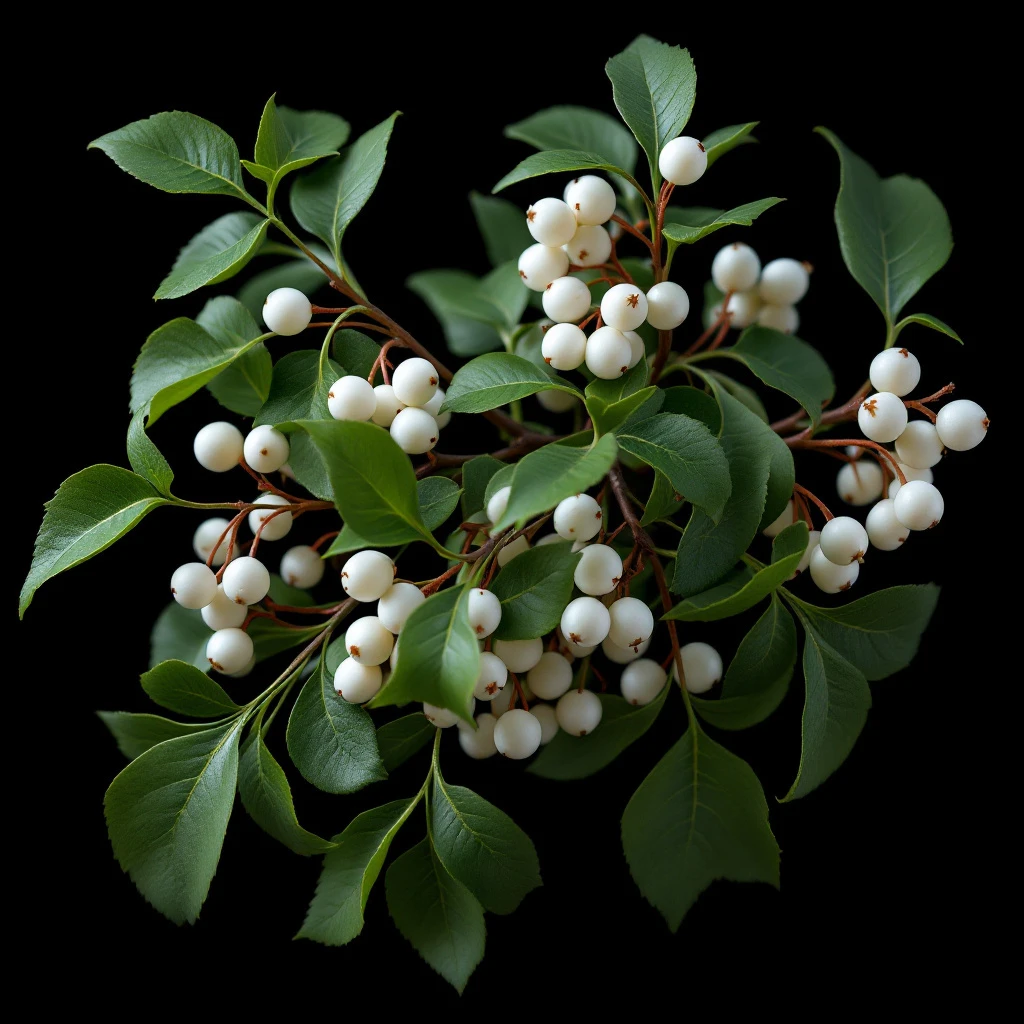
Mistletoe brings a rare, slightly bitter greenness to perfumery—earthy, herbaceous, and hauntingly atmospheric. This parasitic plant grows on apple, oak, and poplar trees, lending its unconventional presence to only a handful of fragrances worldwide.
Character
How it smells
The forbidden green that whispers of winter.
Mistletoe contains viscotoxin, a compound that makes the plant toxic to most mammals—a sharp contrast to its romantic holiday reputation.






Origin
France
Mistletoe held sacred status among the Druids, who harvested it with golden sickles from oak trees during winter solstice ceremonies. Ancient Europeans believed it granted protection against witchcraft and evil spirits.
The tradition of kissing beneath mistletoe originates from Norse mythology—Frigg, goddess of love, declared the plant a symbol of peace. Despite these rich cultural associations, mistletoe never became a mainstream perfumery ingredient.
Its inclusion in fragrances emerged only in the late 20th century, typically in niche compositions seeking unusual green or atmospheric notes. The plant's scarcity and toxicity require careful handling during extraction.
Wears it best
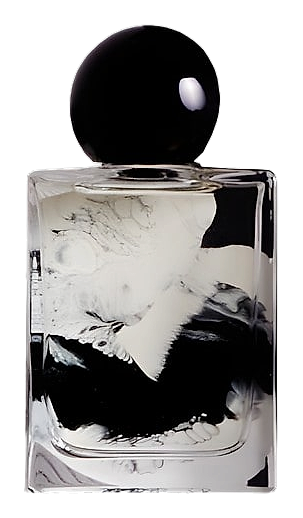
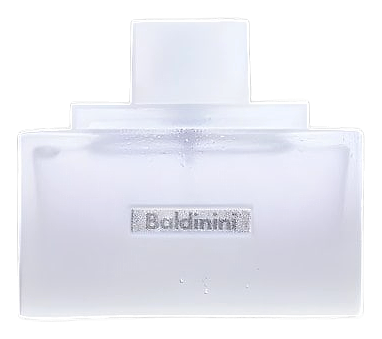
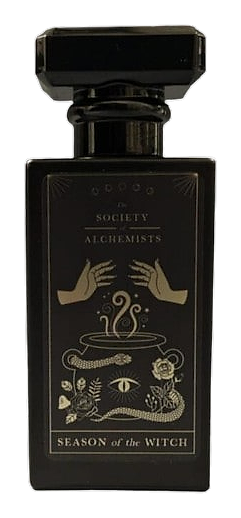
Fragrances featuring Mistletoe
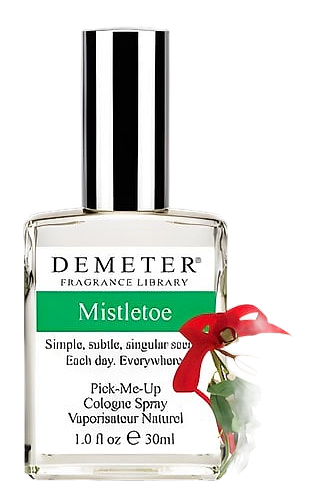
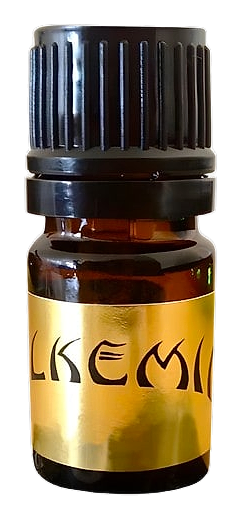

Brands
Brands known for Mistletoe
Good to know
Questions, answered
The essentials on Mistletoe in perfumery: how it smells, where it comes from, and how it behaves on skin.
Is mistletoe commonly used in perfumes?
Mistletoe appears in fewer than 20 commercial fragrances globally. Its scarcity and handling requirements make it a specialty ingredient used primarily by independent or niche perfumers seeking unusual green accords.
What does mistletoe smell like in a fragrance?
Mistletoe absolute reads as a bitter-green, herbaceous note with earthy undertones. It contributes atmospheric depth rather than bright freshness, often described as woodland-like and slightly medicinal.
Is mistletoe safe to use in cosmetics and perfumes?
When properly processed and diluted by trained professionals, mistletoe extract is considered safe for use in trace amounts. The raw plant contains toxic compounds requiring careful extraction to remove.
What trees does mistletoe grow on?
Mistletoe parasitizes deciduous trees including apple, oak, poplar, hawthorn, and rowan. The host tree influences the plant's chemical composition, potentially affecting the aroma profile of the extract.
Can mistletoe be harvested sustainably?
Mistletoe grows slowly and is semi-parasitic, drawing nutrients from its host tree. Sustainable harvesting requires careful timing and methods to avoid damaging either the mistletoe or the host tree.
Does synthetic mistletoe exist?
No complete synthetic equivalent of mistletoe exists. Laboratories can reproduce individual green-smelling molecules like cis-3-hexenol, but the complete aromatic profile remains exclusive to natural extraction.
What fragrance families pair well with mistletoe?
Mistletoe works in chypre, fougère, and green fragrance families. It combines well with oakmoss, galbanum, conifer notes, and dark florals like violet and iris for atmospheric, woodland-inspired compositions.
Why is mistletoe so rare in perfumery?
Mistletoe's rarity stems from inconsistent seasonal availability, the expertise required to extract it safely, and limited commercial demand. Most perfumers access it through specialist suppliers who source from small-batch producers.