The Story
Why it exists.
The beginning
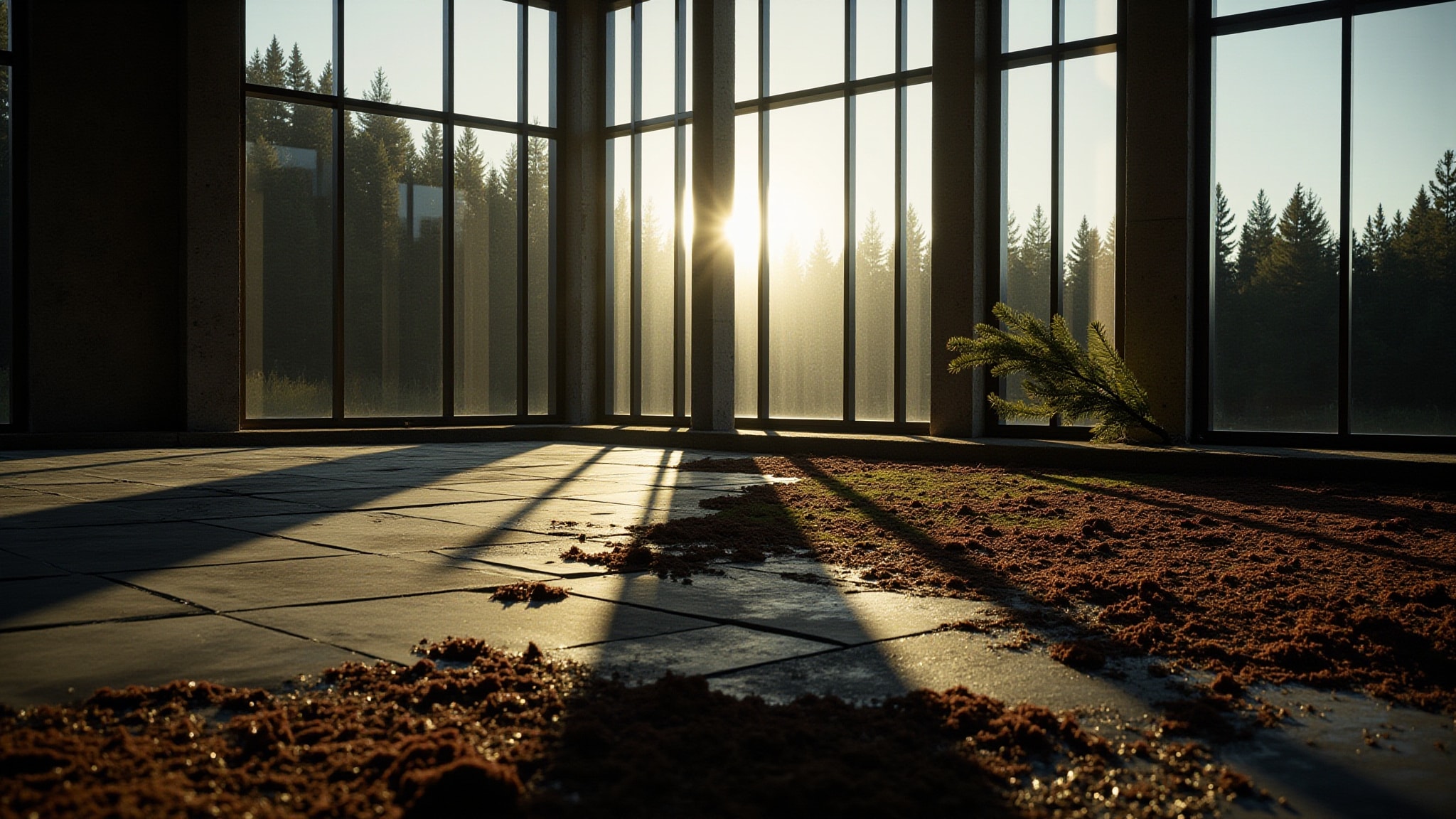
Alkemia's Forest Patchouli channels a specific wilderness, the kind where pine and fir grow thick enough to block the sky, where mistletoe hangs heavy on the branches and patchouli roots push through iron-rich soil. The name isn't decorative. It's a map. The brief seems to have been: not a patchouli scent that happens to smell like a forest, but a forest that happens to be built from patchouli. The opening is all green and shadow at first, a gradual brightening as the conifers open up just enough to let some light through, a pale glimmer there and then absorbed back into the canopy.
What makes Forest Patchouli distinctive is the patchouli itself. Iron-distilled and fire-cured, this patchouli is mineral and dark, with an almost metallic undertone that recalls the soil it grew in. The scent has weight to it, the kind that settles low and stays there, the kind that makes you lean in rather than have the fragrance come to you. Paired with Siberian pine and balsam fir, the result is a fragrance that smells genuinely untamed, not merely described as such.
The evolution
The conifers arrive first. Pine and fir needles, cold and sharp, as if you've just stepped into the tree line. This opening lasts perhaps 15 minutes before the patchouli begins to assert itself from below, not sweet, not creamy, but dark and earthen. The mistletoe emerges next, adding a strange waxy-green dimension that most fragrances of this type would lose or flatten. By hour two, the dry clay and wet stone come forward, and the whole composition takes on the quality of soil after rain, dense, mineral, alive. The base settles into something quieter and more meditative, with the vetiver and loam holding the patchouli's darker qualities in check. On fabric, this fragrance lingers for hours. On skin, plan for 4-6 hours of a scent that starts sharp, becomes earthy, and ends still and deep.
Cultural impact
Forest Patchouli speaks to a particular kind of fragrance lover, one who has grown tired of the expected and is looking for something with more character than the standard release. The composition draws from forest and agricultural landscapes rather than laboratory-created molecules, finding its structure in the relationships between natural materials that have their own histories and quirks. Alkemia's approach treats the fragrance as something to be explored rather than consumed, with each wearing revealing new dimensions of how the notes interact.