Mineral Woods
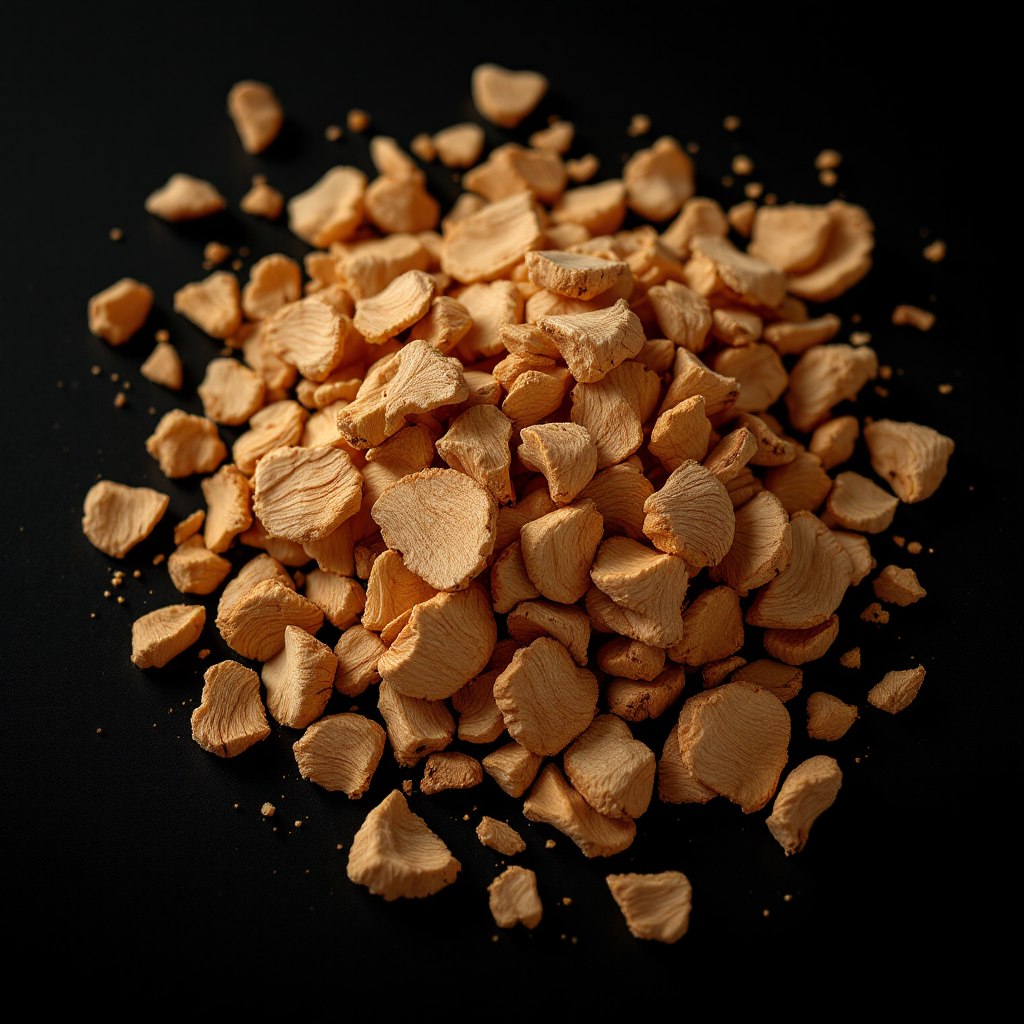
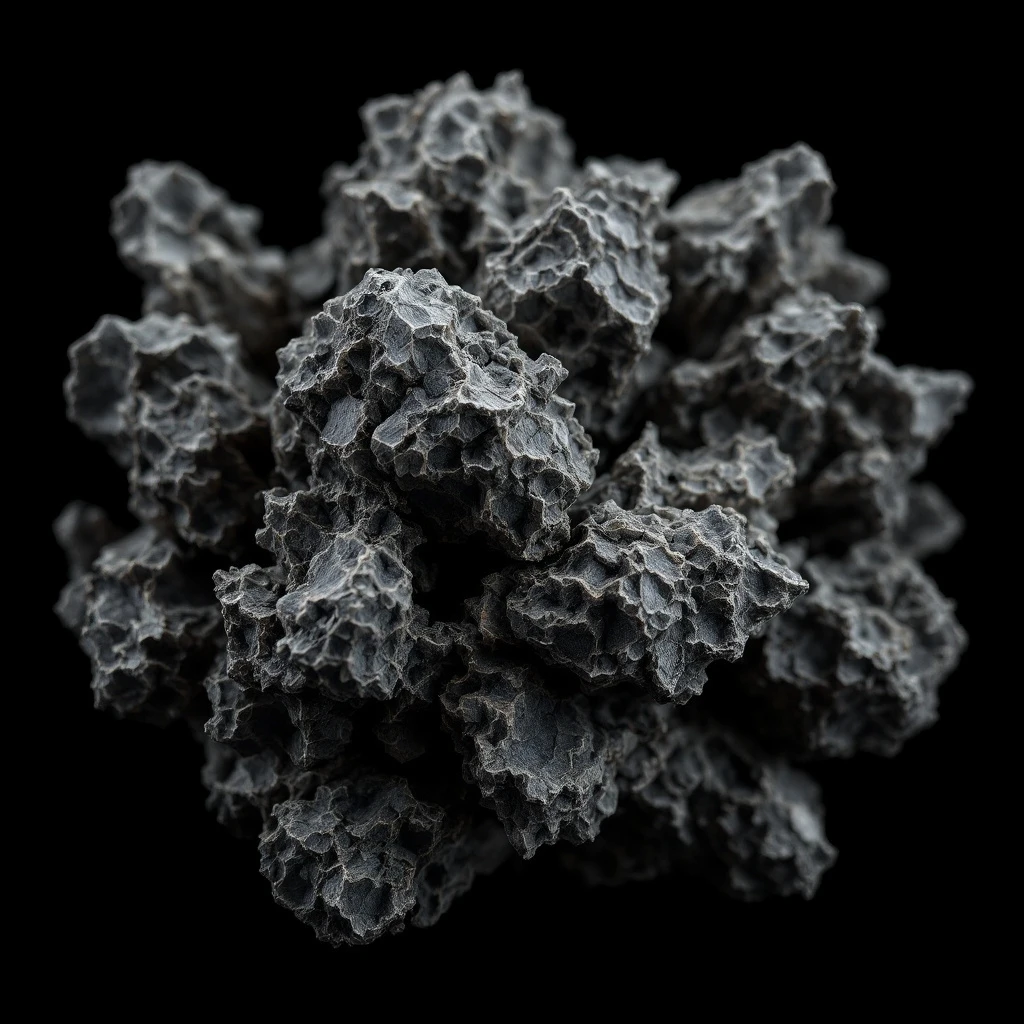
Mineral woods is not a single natural material but a contemporary accord that blends dry, mineral-inspired notes with warm wood facets, producing an effect of cool stone warmed by sunlight.
Character
How it smells
Cool stone meets warm timber
The mineral accord emerged in perfumery only after synthetic aroma chemicals like geosmin and Iso E Super became widely available, allowing perfumers to imitate stone, wet rock, and dry earth without harvesting anything.



Origin
France
Woody notes have anchored perfumery for thousands of years. Ancient Egyptian, Mesopotamian, and Indian traditions all relied on resinous and heartwood materials such as cedar, sandalwood, and myrrh, valued for their fixative power and slow, radiant drying-down. Steam distillation, refined by Persian and later Arab chemists during the medieval period, allowed woody oils to be isolated and traded across the Mediterranean.
The mineral dimension, however, has a much shorter history. It only became expressible once 19th-century organic synthesis gave perfumers access to molecules with no natural equivalent in traditional distillation. The petrichor note geosmin, the velvety Iso E Super, and a growing palette of metallic and stony aldehydes opened a new olfactory vocabulary in the late 20th century.
Perfumers began pairing these synthetic mineral signals with traditional wood oils to evoke wet pavement, sun-warmed slate, or dry mountain air. The result, mineral woods, reflects how modern perfumery blends ancient extraction crafts with contemporary chemistry.
Wears it best
Fragrances featuring Mineral Woods
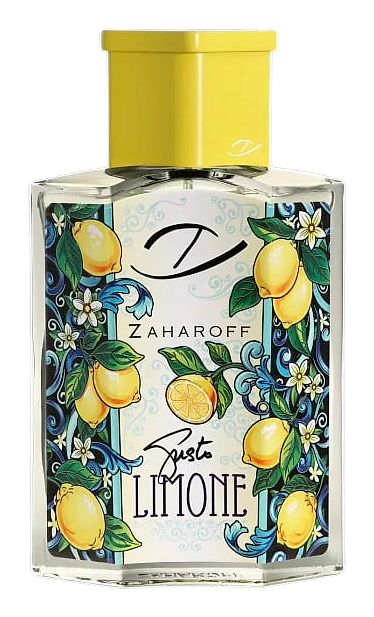
Brands
Brands known for Mineral Woods
Good to know
Questions, answered
The essentials on Mineral Woods in perfumery: how it smells, where it comes from, and how it behaves on skin.
What does mineral woods smell like?
Mineral woods smells like a fusion of cool, stony facets with warm, dry wood. Imagine the scent of sun-baked slate beside a cedar grove, with subtle petrichor and velvety amberwood undertones. It is an accord designed to suggest a landscape rather than a single botanical ingredient.
Is mineral woods a natural ingredient?
Mineral woods is not a single natural material. It is a modern perfumery accord that combines traditionally distilled wood oils, such as cedarwood or amyris, with synthetic aroma chemicals like geosmin and Iso E Super to create its characteristic stony-woody effect.
When was the mineral accord first used in perfumery?
Mineral-style notes entered mainstream perfumery in the late 20th century, after the 19th-century rise of organic synthesis made molecules like geosmin commercially available. This gave perfumers their first reliable tools to evoke wet stone and dry earth.
How is the woody component of mineral woods produced?
The woody oils in mineral woods are typically produced by steam distillation of heartwood. Amyris oil, for example, comes from steam-distilling the wood of the Amyris balsamifera tree, yielding a soft, sandalwood-like base for the accord.
What gives mineral woods its stony or petrichor effect?
The mineral dimension comes primarily from geosmin, the same molecule responsible for the earthy smell after rain. Combined with Iso E Super, it produces a velvety coolness that perfumers read as damp stone, dry rock, or wet pavement.
Is mineral woods sustainable compared to traditional wood oils?
Mineral woods can reduce pressure on endangered botanical sources because the mineral facet relies on synthetic molecules. However, when natural wood oils like sandalwood are included, sustainability depends entirely on the harvesting and distillation practices of the supplier.
Which fragrance families use mineral woods?
Mineral woods appears most often in woody aromatic, aquatic, and contemporary unisex fragrances. It is valued for adding textural contrast, pairing the warmth of wood with the cool clarity often associated with aquatic or fougère compositions.
Can mineral woods be recreated in natural perfumery?
A purely natural version is difficult because the stony impression relies on synthetic molecules like geosmin. Natural perfumers can approximate it with vetiver, oakmoss, and mineral-rich clary sage, but the literal petrichor effect remains largely a product of modern chemistry.