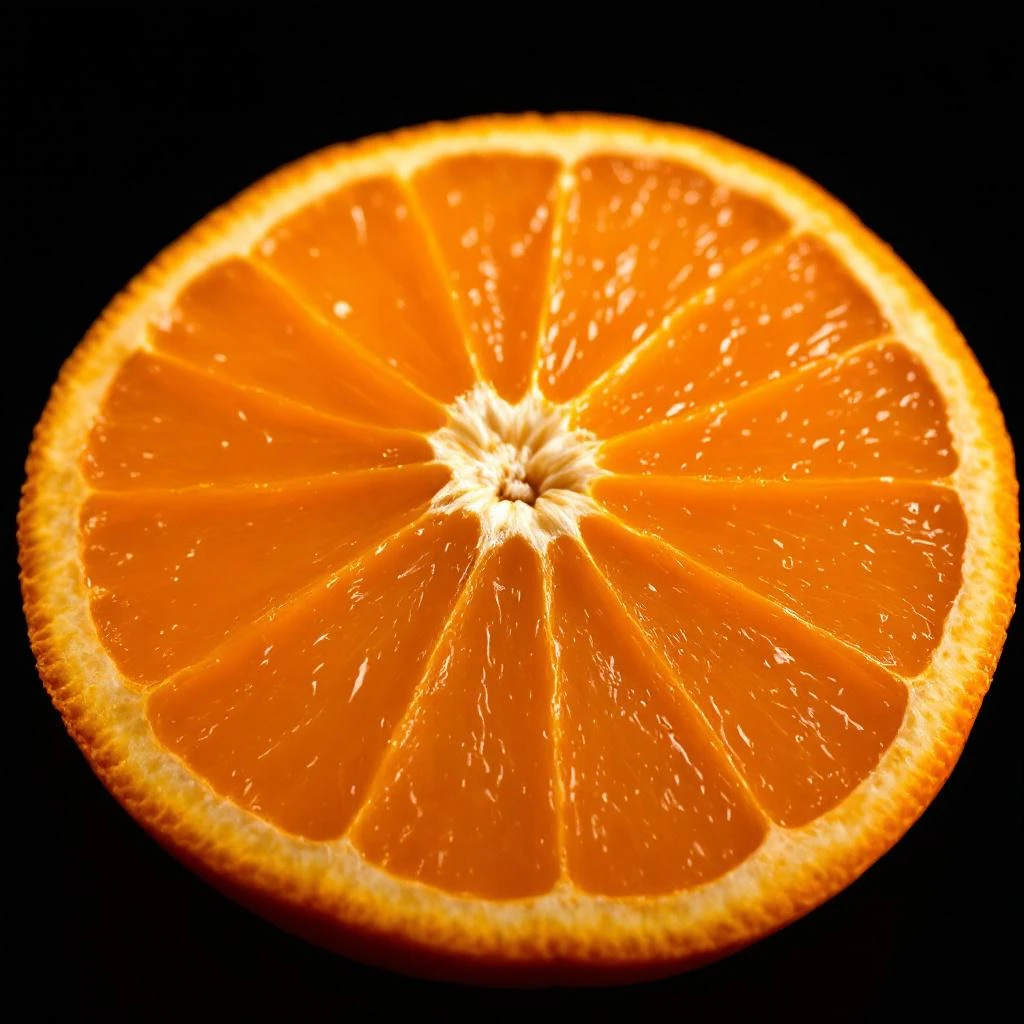
Amalfi Mandarin Orange
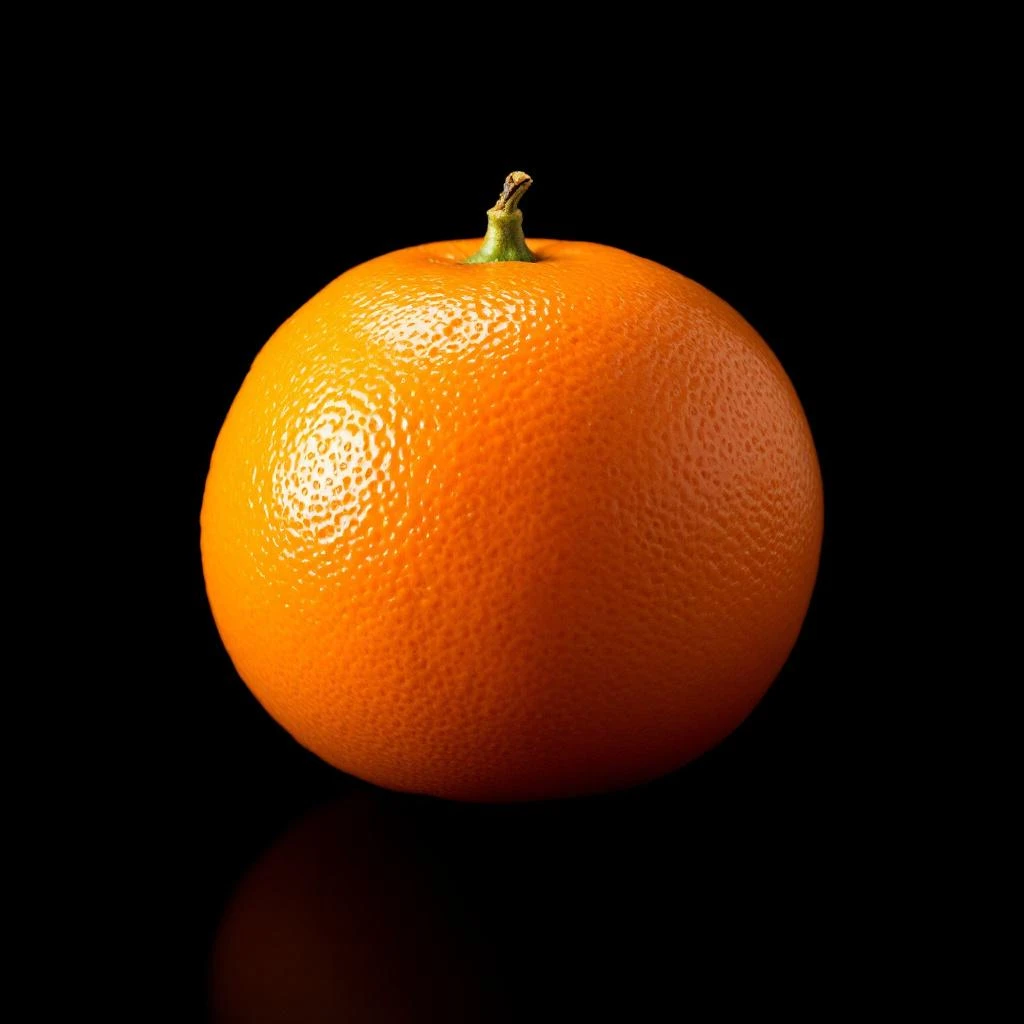
Sun-warmed citrus from Italy's Amalfi Coast. Bright, juicy, and unmistakably Mediterranean. The essence captures Mediterranean brightness in every drop.
Character
How it smells
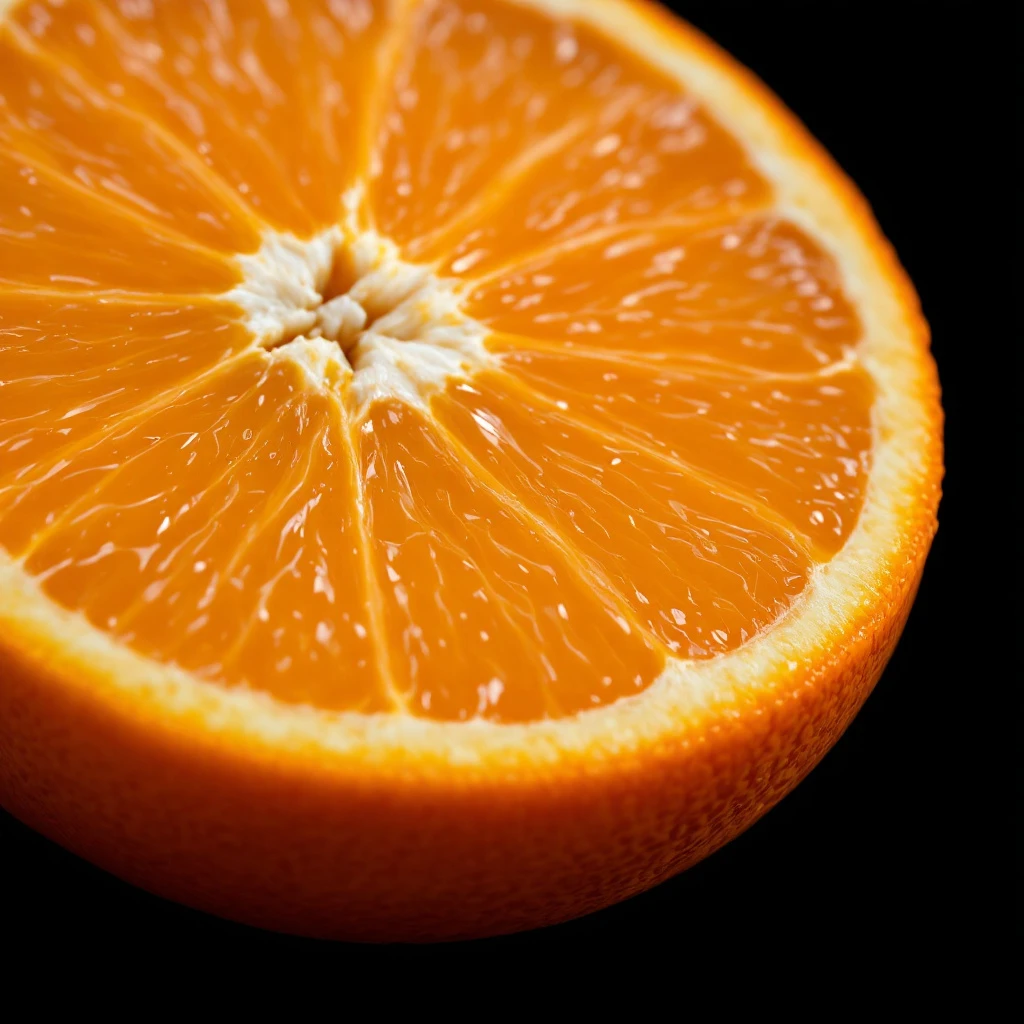
Sun-soaked citrus with Italian soul
Mandarin cultivation arrived in southern Italy in the 19th century, transforming the Amalfi Coast into one of the world's most prized citrus-growing regions.


Origin
Italy
The mandarin tree traces to ancient China, where the fruit carried symbolic weight as a gift exchanged with Mandarins during imperial celebrations, giving the species its common name. By the tenth century, cultivation had spread across Asia, reaching Europe centuries later through trade routes. Italian mandarin cultivation took root in the nineteenth century, when growers along the Amalfi Coast recognized the region's microclimate of sea breezes and limestone terraces as ideal for citrus.
Sicily's nearby growing tradition also shaped Mediterranean citrus perfumery. The coast's distinct micro-terroirs produce fruit with concentrated aromatic intensity, elevating this regional variety above commodity-grade mandarin oil. By the early twentieth century, Italian citrus oils had become standard perfumery materials, and Amalfi mandarin earned a reputation for quality.
Today, the groves remain a defining feature of coastal Campania, linking centuries-old agricultural tradition to modern fragrance composition.
Wears it best
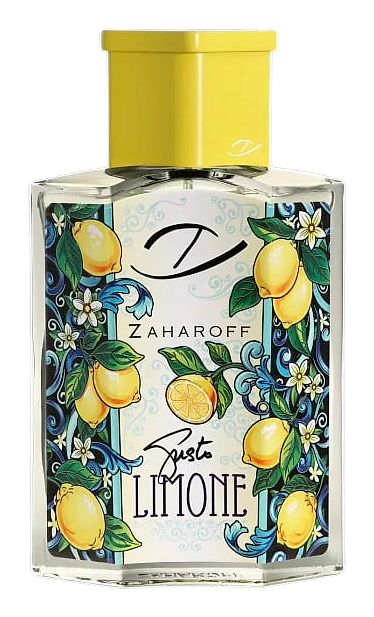
Fragrances featuring Amalfi Mandarin Orange
Brands
Brands known for Amalfi Mandarin Orange
Good to know
Questions, answered
The essentials on Amalfi Mandarin Orange in perfumery: how it smells, where it comes from, and how it behaves on skin.
What does Amalfi mandarin smell like in perfume?
It smells bright, juicy, and zesty with a clean sweetness that sets it apart from orange. The expressed peel carries subtle floral undertones, reflecting the coastal terroir where the fruit grows. The effect is sun-warmed and sparkling rather than sugary.
Is Amalfi mandarin the same as regular mandarin?
Botanically identical, Citrus reticulata, though Amalfi-grown fruit develops a more concentrated aromatic profile due to steep coastal terraces, sea breezes, and mineral-rich limestone soils. Perfumers prize the regional oil for its superior clarity and diffusive power.
How is Amalfi mandarin oil extracted?
Producers cold-press the fruit peel mechanically, rupturing oil glands without heat. This gentle method preserves the fresh, luminous top notes that distinguish quality mandarin oil from steam-distilled alternatives, which tend to lose vibrancy in processing.
Where does Amalfi mandarin originate?
The fruit's species originates in ancient China, but Amalfi Coast cultivation dates to the 19th century. Growers recognized the southern Italian microclimate as ideal, transforming terraced cliffsides into some of the world's most celebrated citrus groves.
Why is mandarin associated with good fortune?
In imperial China, mandarins received the fruit as ceremonial gifts during festivals. The tradition embedded symbolic meaning into the fruit itself, linking mandarin to prosperity, abundance, and celebration across East Asian culture for centuries.
Is Amalfi mandarin natural or synthetic in perfumery?
Both appear in modern formulations. Natural cold-pressed oil dominates fine perfumery for its complexity. Synthetic alternatives like methyl N-methylanthranilate replicate citrus brightness at lower cost and greater stability for functional fragrance applications.
When is Amalfi mandarin harvested?
Harvest runs primarily from January through April, when fruit reaches peak ripeness. The narrow window means annual oil production stays limited, contributing to the ingredient's premium status among perfumers sourcing genuine Italian material.
What fragrances commonly feature Amalfi mandarin?
Colognes and eau de toilettes built around citrus openings frequently feature this ingredient. It anchors top notes in Mediterranean-themed compositions, eau de colognes, and fresh summer scents where radiant citrus character defines the opening impression.