Medjoul Date
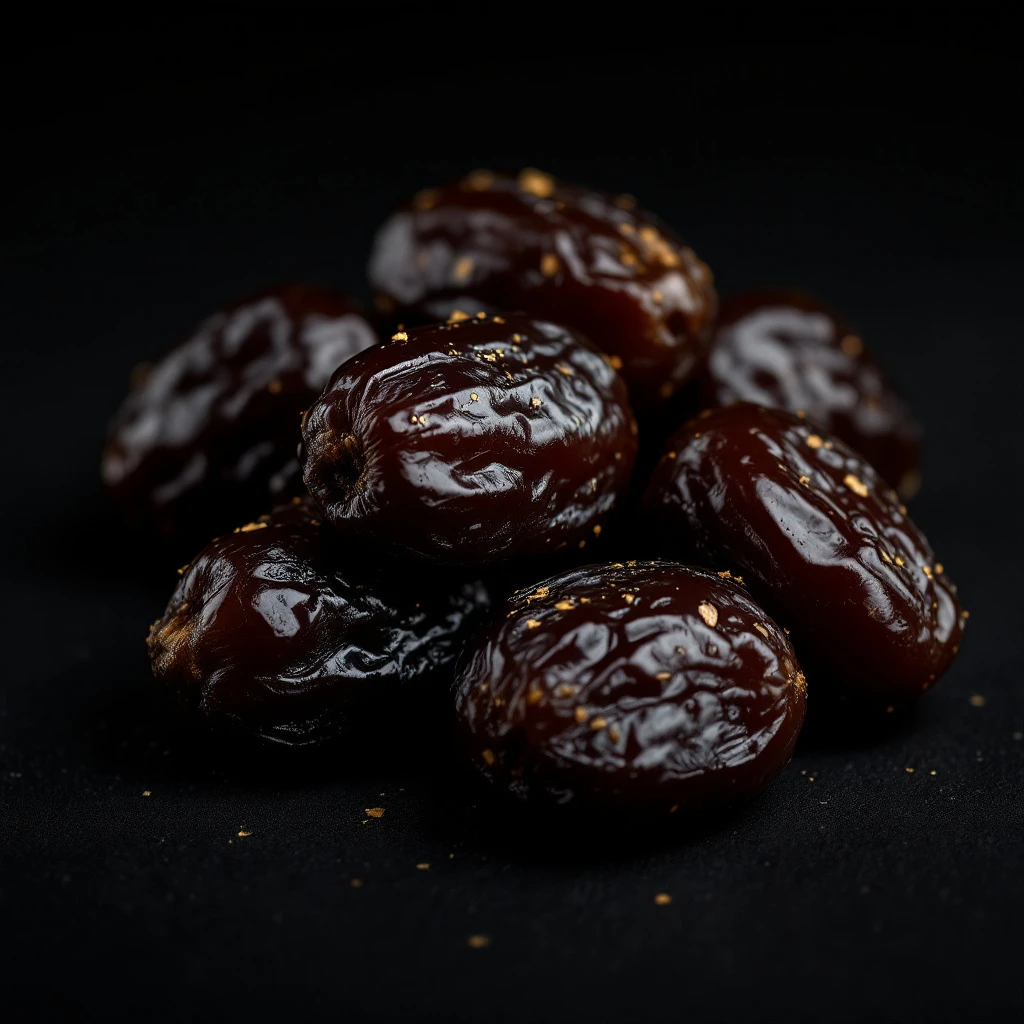
Medjoul date, the crown jewel of dates, brings warm caramel sweetness to perfumery. This prized fruit yields rich, syrupy accords prized in gourmand compositions.
Character
How it smells
Sun-warmed sweetness bottled
Medjoul dates contain roughly 44 grams of natural sugar per 100 grams, a concentration so high that perfumers can extract remarkably true caramel-like notes from the fruit.






Origin
Morocco
Medjoul dates originate from the Tafilalet region of Morocco, where they have been cultivated for centuries, though some evidence traces their ancestry to ancient Mesopotamia. The variety was introduced to the United States in the 1920s when Walter Swingle of the USDA brought offshoots from the Bou Denib oasis.
California plantings began in the 1930s, with commercial operations expanding through the Jordan Valley and into Israel, which now ranks among the world's largest producers alongside Saudi Arabia and the UAE. The name 'Medjoul' derives from the Arabic word for 'unknown,' reportedly because the variety's origins were lost to history.
While dates have appeared in Middle Eastern perfumery traditions for centuries as part of oud blends and bakhoor incense, Medjoul specifically entered Western fine fragrance in the late 20th century as gourmand compositions gained popularity. Today, perfumers prize the fruit's ability to add edible warmth without overwhelming a composition's structure.
Wears it best
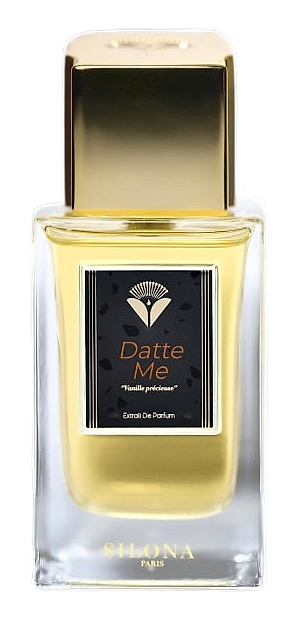
Fragrances featuring Medjoul Date
Brands
Brands known for Medjoul Date
Good to know
Questions, answered
The essentials on Medjoul Date in perfumery: how it smells, where it comes from, and how it behaves on skin.
What does Medjool date smell like in perfume?
Medjool date accord in fragrance smells rich, sweet, and caramel-like, with undertones of honey, dried fig, and warm molasses. It evokes baked desserts and sticky syrup without the cloying sharpness of pure sugar.
Is Medjool date a natural or synthetic note in perfumery?
Both. True natural Medjool date absolute exists through CO2 or solvent extraction, but most modern fragrances use synthetic reconstructions. Furaneol and lactones deliver the fruit's signature caramel-cream profile consistently.
Why is Medjool date used in fragrances?
Medjool date adds edible warmth and depth to gourmand compositions, anchoring lighter notes like vanilla or cocoa. Its natural sugar concentration, roughly 44 grams per 100 grams, produces an exceptionally true caramel character.
Where do Medjool dates originate?
Medjool dates originate from the Tafilalet oasis region of Morocco. They were later cultivated in California starting in the 1930s, with the Jordan Valley and Israel becoming major global producers.
Is Medjool date a base note in perfume?
Yes, Medjool date typically functions as a base note. Its heavy molecular weight and low volatility mean it anchors compositions, lingering for hours while top and heart notes evaporate.
What fragrance families feature Medjool date?
Medjool date appears most frequently in gourmand and oriental fragrance families. It complements amber, woody, and spicy compositions, adding a sweet edible quality without overwhelming structural elements.
How is Medjool date extracted for perfume?
Medjool date is extracted primarily through supercritical CO2 or solvent extraction, since its high sugar content makes steam distillation impractical. Some perfumers prepare alcohol tinctures from macerated dried fruit.
Are Medjool dates different from regular dates in perfumery?
Yes, Medjool dates contain approximately 44 grams of sugar per 100 grams compared to common varieties, yielding a richer, more concentrated caramel note. Their larger size and softer texture also produce fuller aromatic extracts.