Mediterranean Citrus Fruits
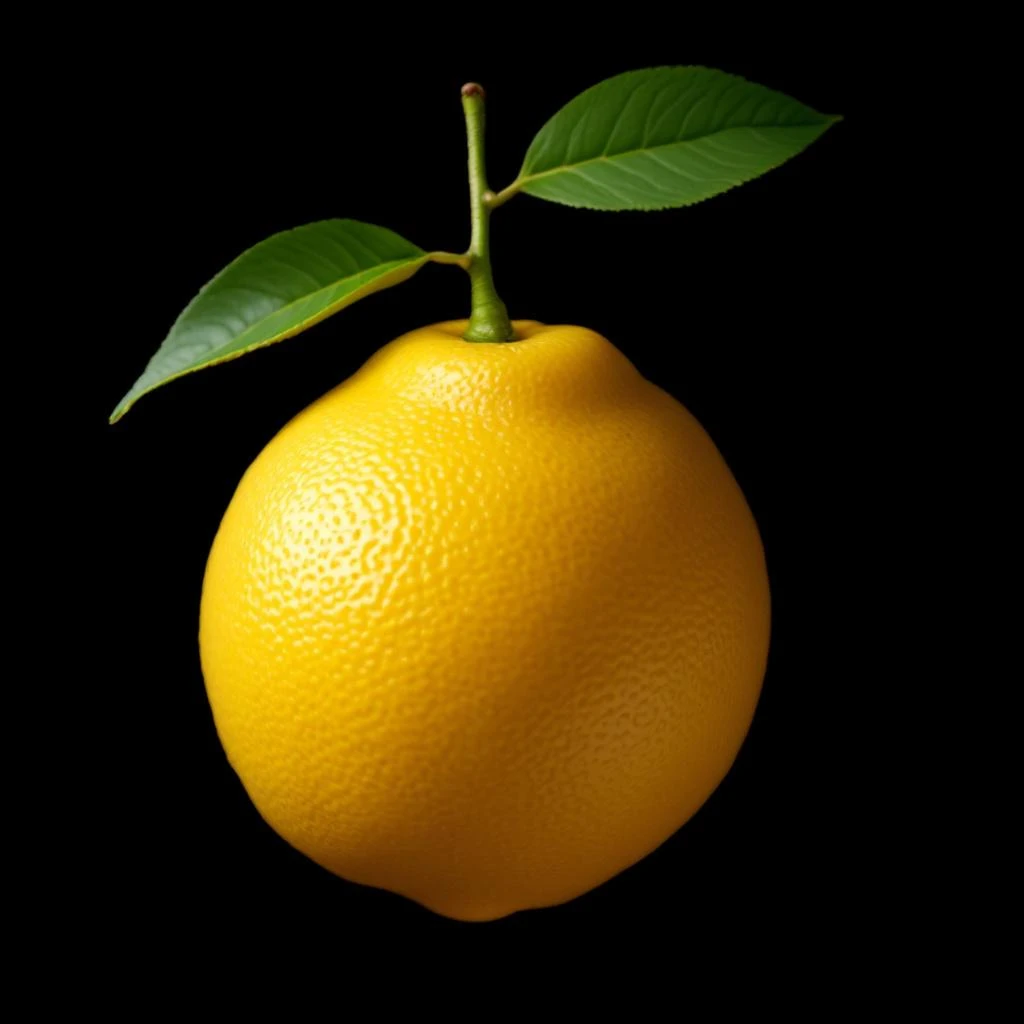
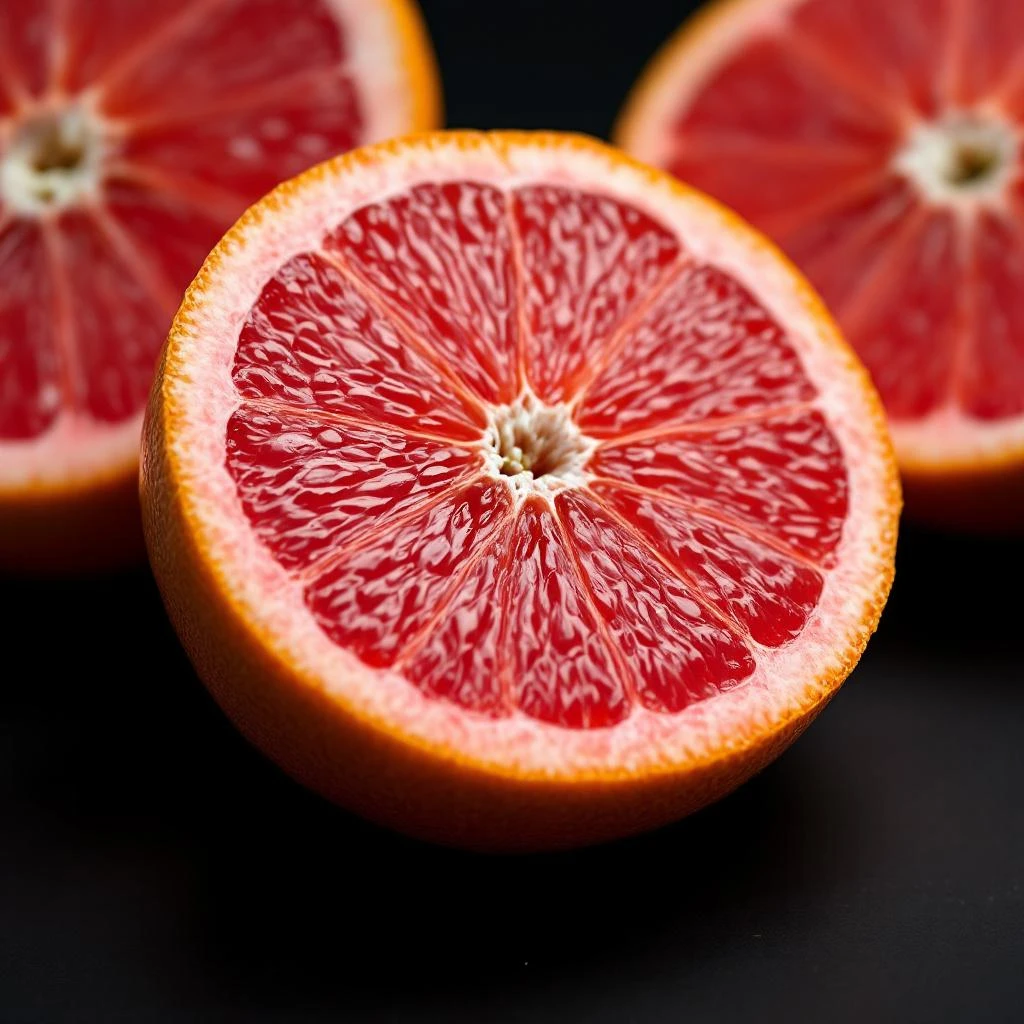
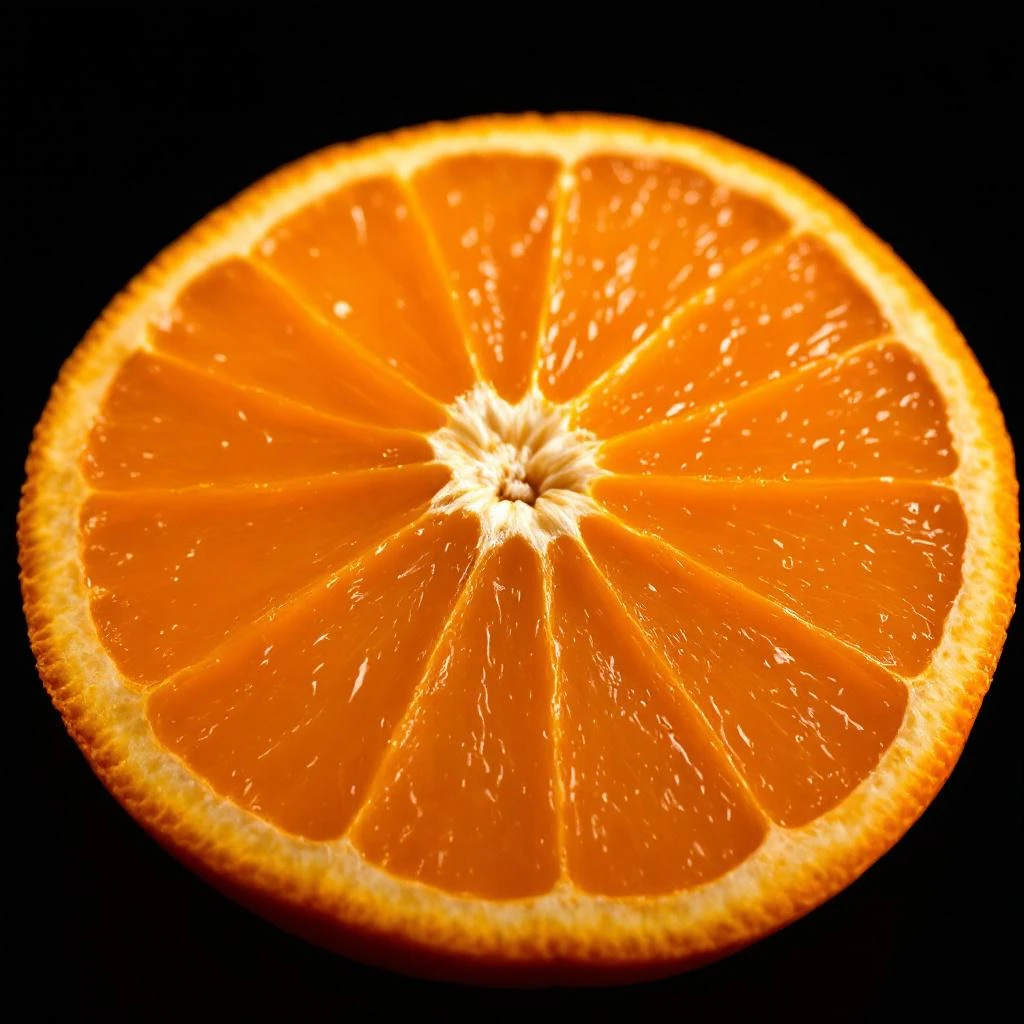
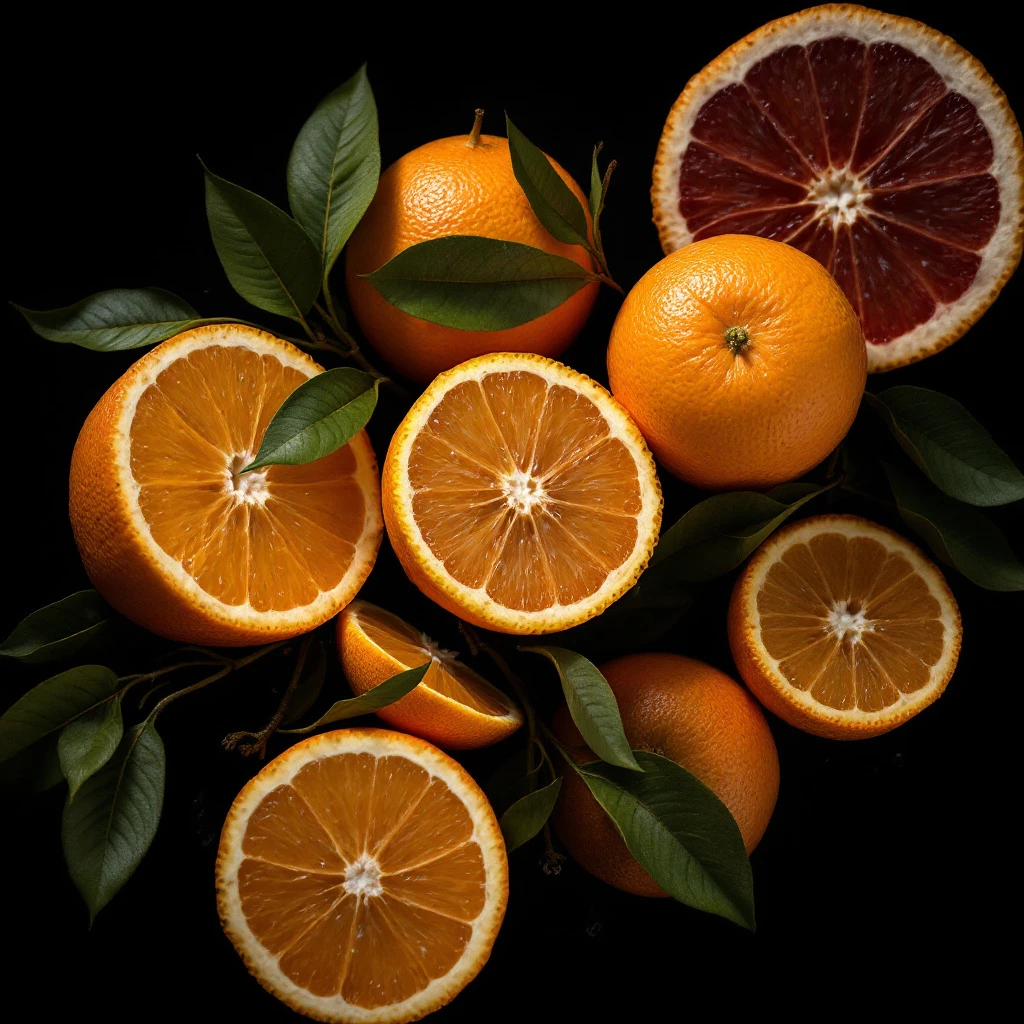
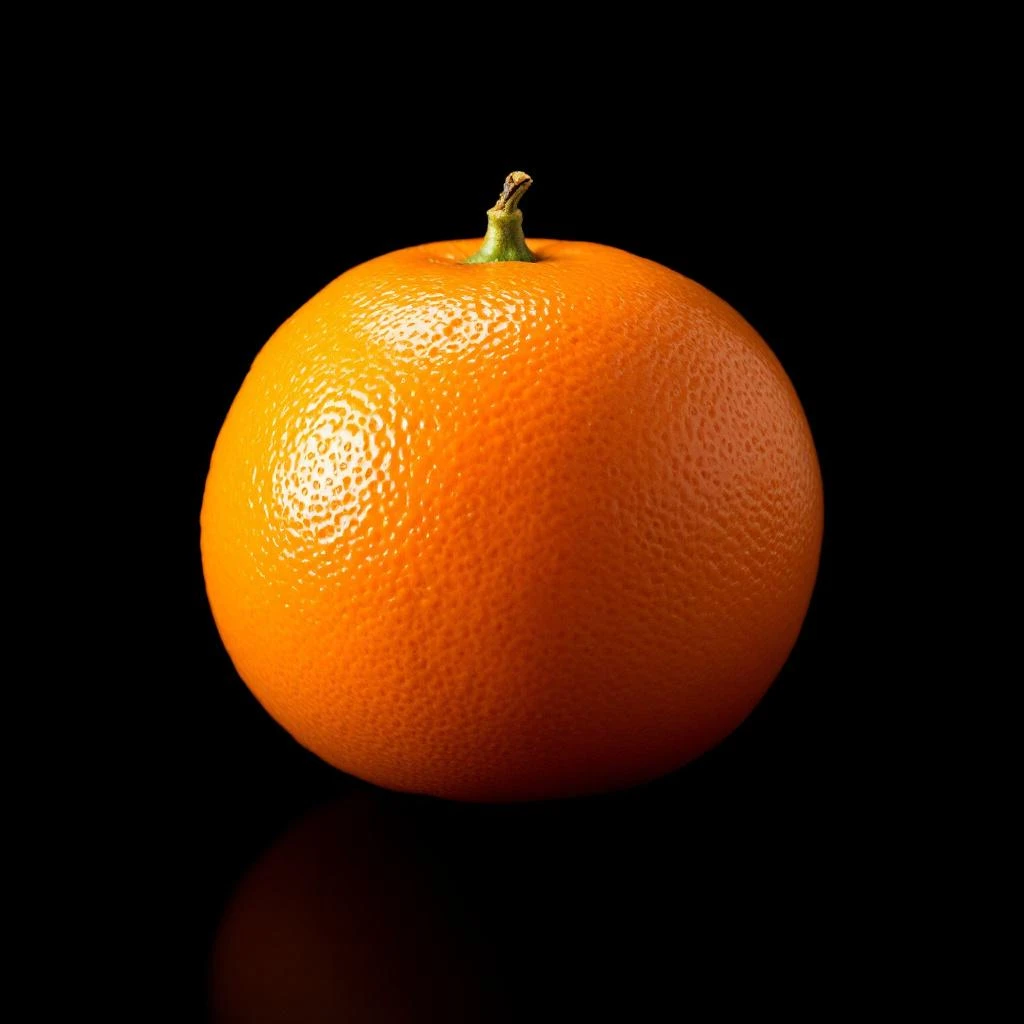
Sun-warmed peels of bergamot, lemon, mandarin, and bitter orange pressed into oils that carry the bright, briny air of coastal groves into every bottle. Mediterranean citrus fruits anchor some of perfumery's most enduring compositions.
Character
How it smells
Sunlight pressed into peel.
Most commercial citrus essential oils are a by-product of juice production, meaning the peels that perfumers prize were once discarded waste from the breakfast table.


Origin
Italy
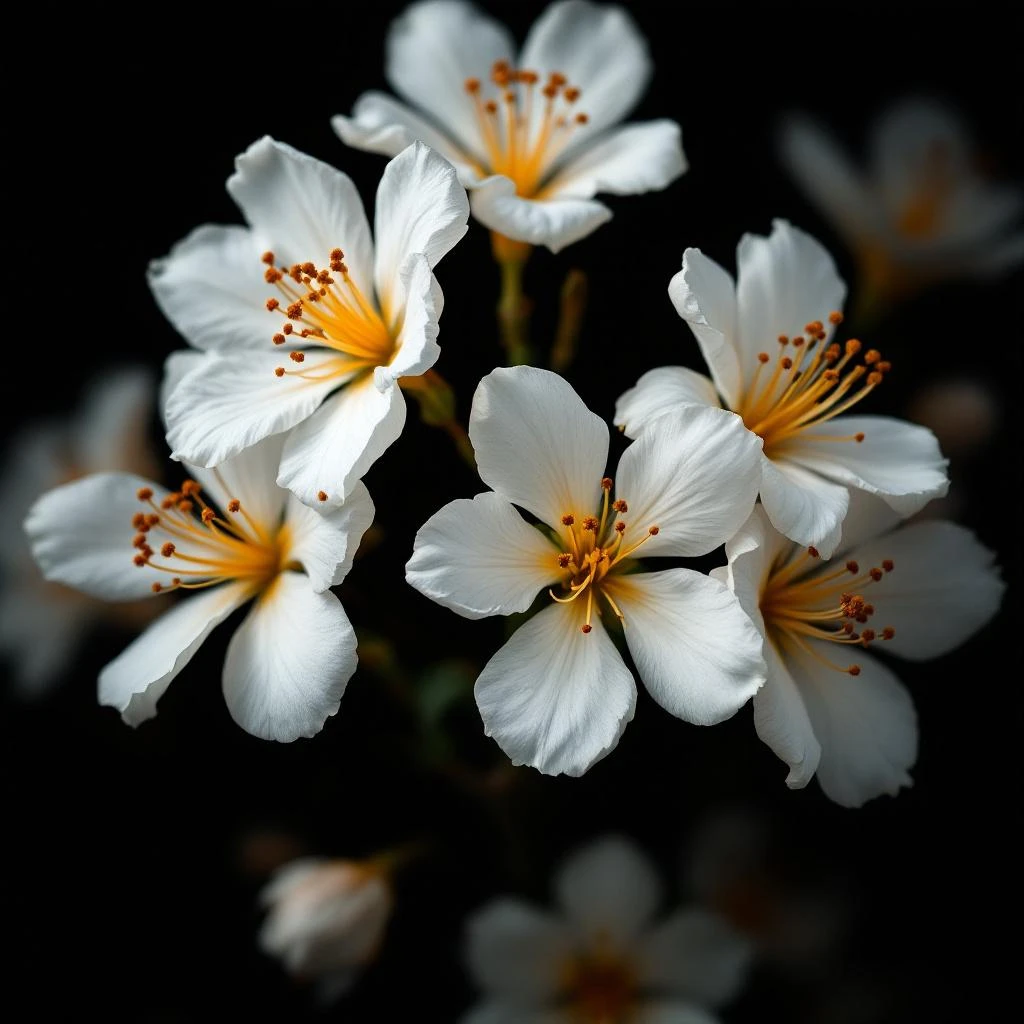
Citrus fruits entered perfumery through the Mediterranean trade routes that connected Sicily, Spain, and North Africa to the rest of Europe. The bitter orange arrived in Sicily around the 9th century, and by the 17th century, neroli oil, distilled from its blossoms, had become a court favorite across Renaissance Italy. Bergamot cultivation took hold in Calabria by the 1700s, eventually earning protected geographical status.
The famous eau de cologne, formulated in 1709 by Johann Maria Farina in Cologne, relied heavily on Mediterranean citrus oils, including bergamot, lemon, and neroli, helping cement their place in fine fragrance. The 19th century brought industrial extraction to Sicily, where sfumatrici and later mechanical peelers transformed a regional craft into a global supply chain. Today, Calabrian bergamot alone supplies roughly 80 percent of the world's bergamot oil, a legacy of that early agricultural expansion.
Mandarins, originally gifted to Chinese officials and only introduced to Europe in the early 1800s, eventually joined the citrus palette and now appear in everything from colognes to modern niche compositions.
Wears it best
Fragrances featuring Mediterranean Citrus Fruits
Brands
Brands known for Mediterranean Citrus Fruits
Good to know
Questions, answered
The essentials on Mediterranean Citrus Fruits in perfumery: how it smells, where it comes from, and how it behaves on skin.
What makes Mediterranean citrus oils different from other citrus oils?
Mediterranean citrus oils, especially bergamot from Calabria, owe their character to specific terroir. The region's volcanic soil, sea air, and diurnal temperature shifts yield oils with rounder, more complex aromatic profiles than citrus grown in tropical climates. Italy produces roughly 80 percent of the world's bergamot oil.
Are citrus essential oils sustainable?
Citrus oils rank among the more sustainable fragrance ingredients because they are a by-product of juice production. Peels that would otherwise become industrial waste are processed into essential oils, giving the fruit a second commercial use and reducing disposal volumes at juice facilities.
Why do citrus notes fade so quickly in perfume?
Citrus molecules, primarily limonene, are highly volatile and oxidize rapidly when exposed to air. This means citrus top notes typically evaporate within 15 to 30 minutes of application, which is why perfumers anchor them with longer-lasting base notes like woods, musks, or amber.
What is the difference between neroli and orange oil?
Neroli oil is steam-distilled from the bitter orange tree's fresh blossoms, producing a floral, slightly bitter, and intensely green aroma. Orange oil is cold-pressed from the ripe fruit peel and smells purely juicy and sweet. Both come from the same Citrus aurantium tree but yield very different scent profiles.
Is bergamot safe to use in perfume given its phototoxicity?
Standard bergamot oil contains bergapten, a compound that can cause skin sensitivity under UV exposure. Most modern perfumery-grade bergamot uses bergapten-free (FCF) versions, which retain the characteristic scent while removing the phototoxic risk for skin contact.
What is petitgrain and where does it come from?
Petitgrain oil is steam-distilled from the leaves and twigs of the bitter orange tree. Its name means 'small grain' in French, a reference to the unripe fruitlets once used in distillation. The oil carries a fresh, woody, and slightly floral citrus character distinct from neroli or orange peel.
When did citrus fruits first appear in perfumery?
Citrus appeared in perfumery through Mediterranean trade, with bitter orange reaching Sicily around the 9th century. Neroli oil, distilled from bitter orange blossoms, became fashionable in 17th-century Italian courts. The 1709 formulation of eau de cologne helped establish citrus as a cornerstone of European fragrance.
Can Mediterranean citrus fruits be grown elsewhere for perfumery?
Citrus trees grow in many subtropical regions, but the aromatic profile shifts with climate and soil. Calabrian bergamot, Sicilian lemon, and Spanish bitter orange carry distinctive terroir signatures that producers elsewhere struggle to replicate, which is why these regions remain dominant in fine perfumery.