Matsutake Mushroom
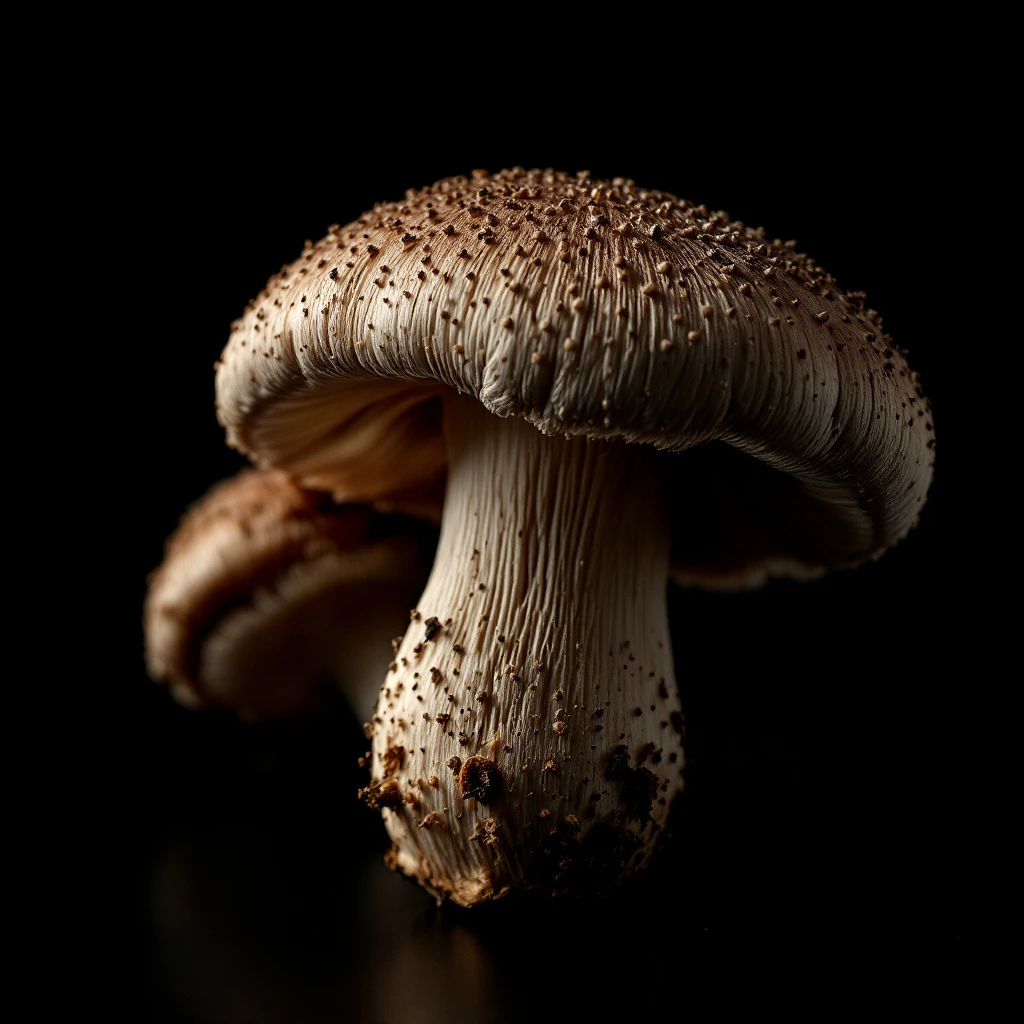
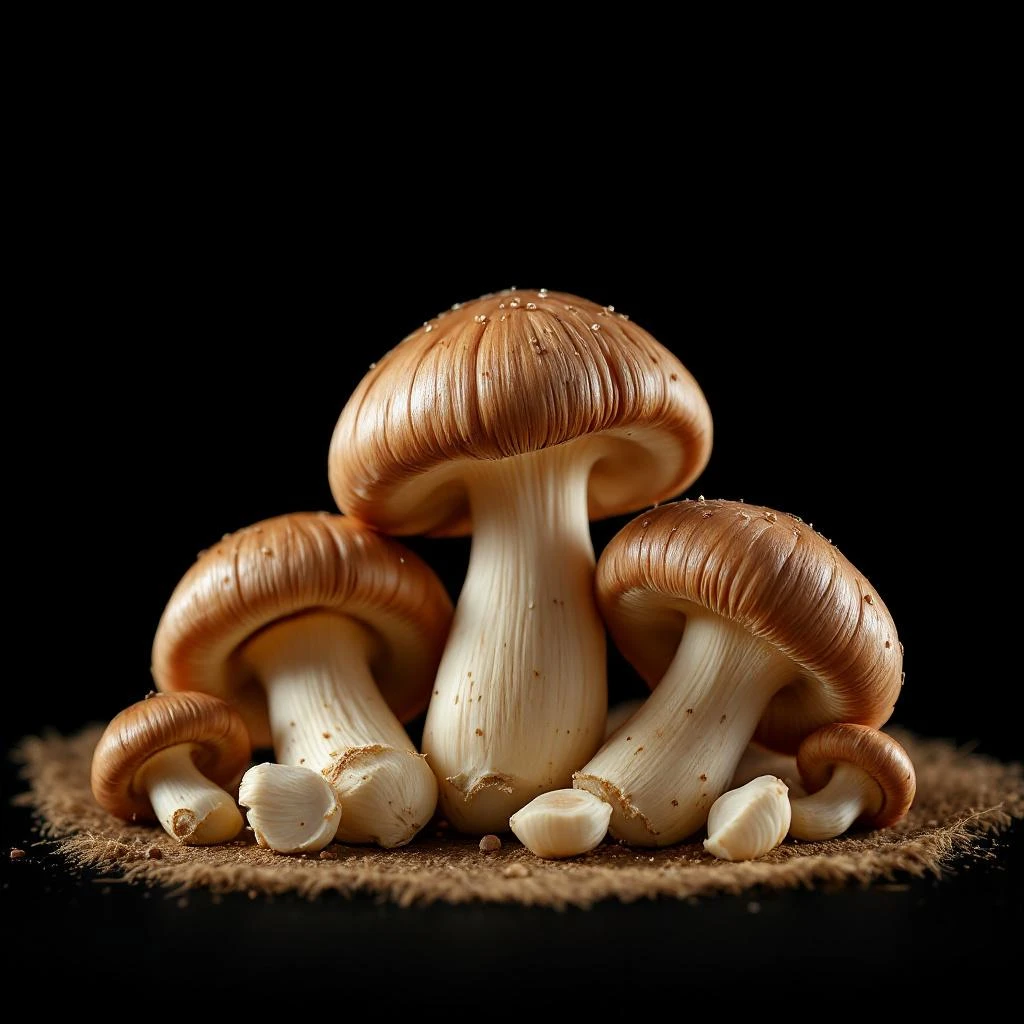
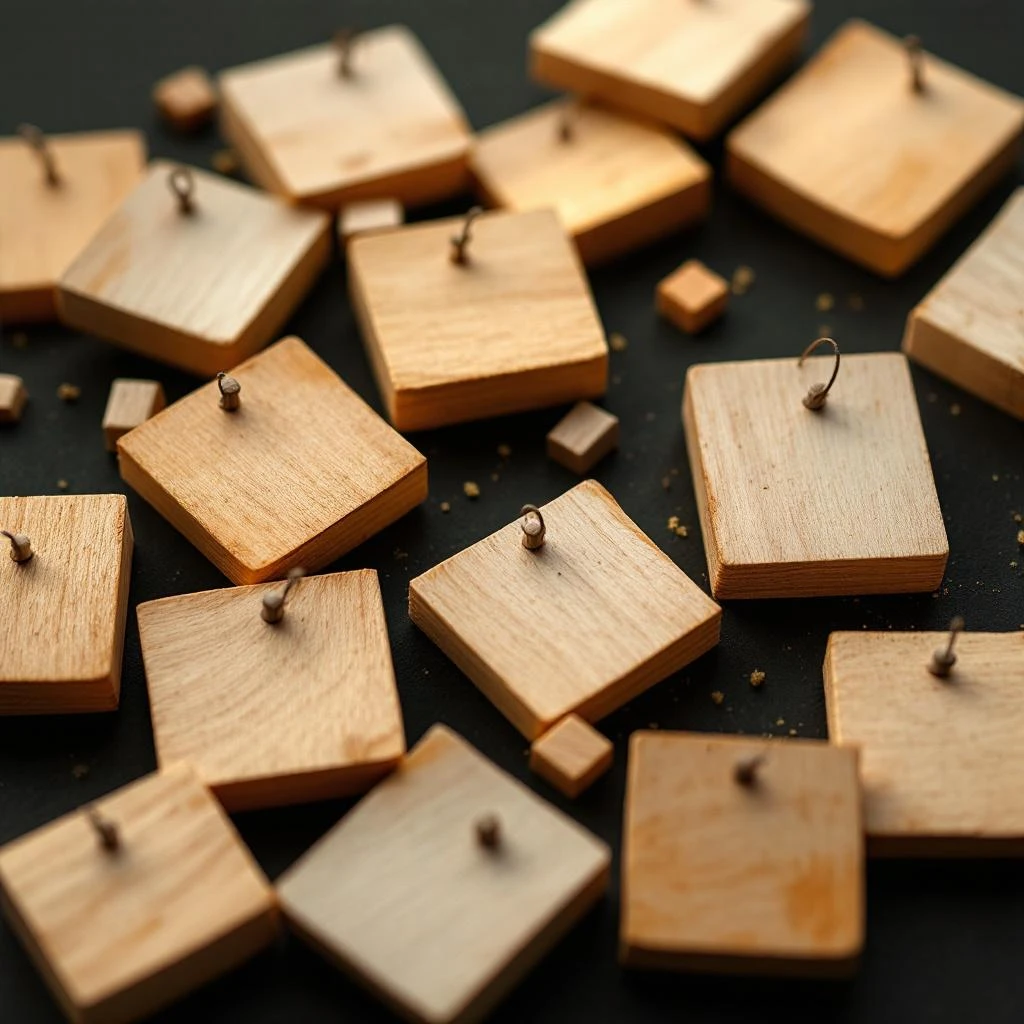
A rare forest whisper. Matsutake brings damp earth, sun-warmed pine needles, and a faint spicy sweetness to compositions seeking the scent of autumn woods.
Character
How it smells
Pine forest in a molecule
Matsutake has been prized in Japan since at least 759 CE, when a poem in the Man'yoshu anthology first celebrated its fragrance.


Origin
Japan
Matsutake, meaning pine mushroom in Japanese, has occupied a singular place in East Asian culture for over a millennium. A poem in the Man'yoshu anthology from 759 CE praised its aroma, making it one of the earliest documented fragrance ingredients in Japanese literature.
During the Edo shogunate, matsutake were accepted as tribute by ruling lords, their scarcity elevating them to imperial status. The mushroom grows in symbiosis with red pine roots in Japan, as well as in the forests of Korea, northern China, Scandinavia, and the Pacific Northwest of North America.
Outside perfumery, its cultural weight endures: matsutake remains a seasonal gift in Japan, presented as a mark of respect and deep connection to the autumn landscape. This centuries-old reverence for its scent eventually drew the attention of perfumers seeking notes that evoke wild, undisturbed woodlands.
Wears it best
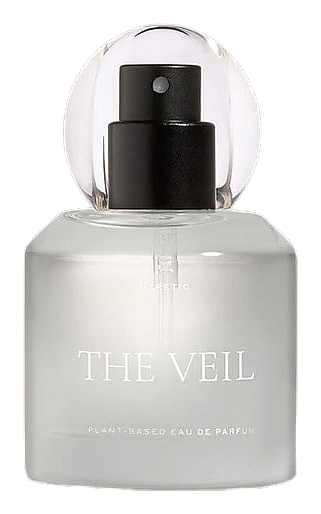
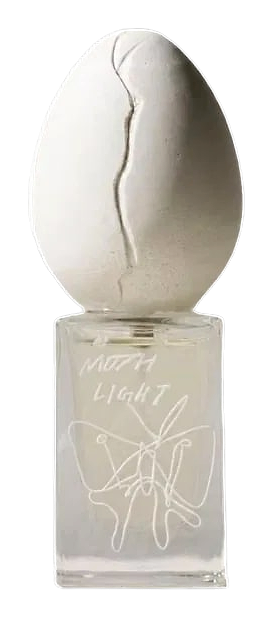
Fragrances featuring Matsutake Mushroom
Brands
Brands known for Matsutake Mushroom
Good to know
Questions, answered
The essentials on Matsutake Mushroom in perfumery: how it smells, where it comes from, and how it behaves on skin.
What does matsutake mushroom smell like in perfume?
Matsutake brings an earthy, woody character with notes of damp forest floor, pine resin, and a faint spicy-cinnamon sweetness. It reads as autumnal and outdoorsy rather than overtly fungal.
Is matsutake note natural or synthetic?
Most matsutake notes in commercial perfumery are synthetic reconstructions. Wild matsutake is too scarce and expensive for routine extraction, though alcohol infusions of fresh mushrooms exist in niche production.
Where do matsutake mushrooms grow?
Matsutake forms symbiotic relationships with pine roots across Japan, Korea, northern China, parts of Scandinavia, and the Pacific Northwest of North America, typically fruiting in autumn.
Why is matsutake culturally important in Japan?
Matsutake has been celebrated in Japan since at least 759 CE, when a Man'yoshu poem praised its fragrance. During the Edo period it served as tribute to ruling lords, cementing its status as an autumn delicacy.
What fragrance families feature matsutake?
Matsutake appears most often in woody and earthy compositions, particularly those built around forest, moss, or atmospheric themes. It adds depth to chypres and modern earthy unisex fragrances.
Can matsutake mushrooms be farmed?
No reliable commercial cultivation exists. Matsutake requires living tree roots and specific forest soil microbiomes, making true cultivation impractical, which is why wild prices remain exceptionally high.
Is matsutake safe for skin in perfume concentrations?
Yes, at typical perfumery dilution levels matsutake isolates and synthetic equivalents present no significant risk. Standard IFRA safety assessments apply to alcohol-based mushroom extracts.
How long does the matsutake scent last on skin?
Matsutake's earthy-woody facets behave as middle to base notes, usually lasting four to six hours depending on concentration and the supporting composition.