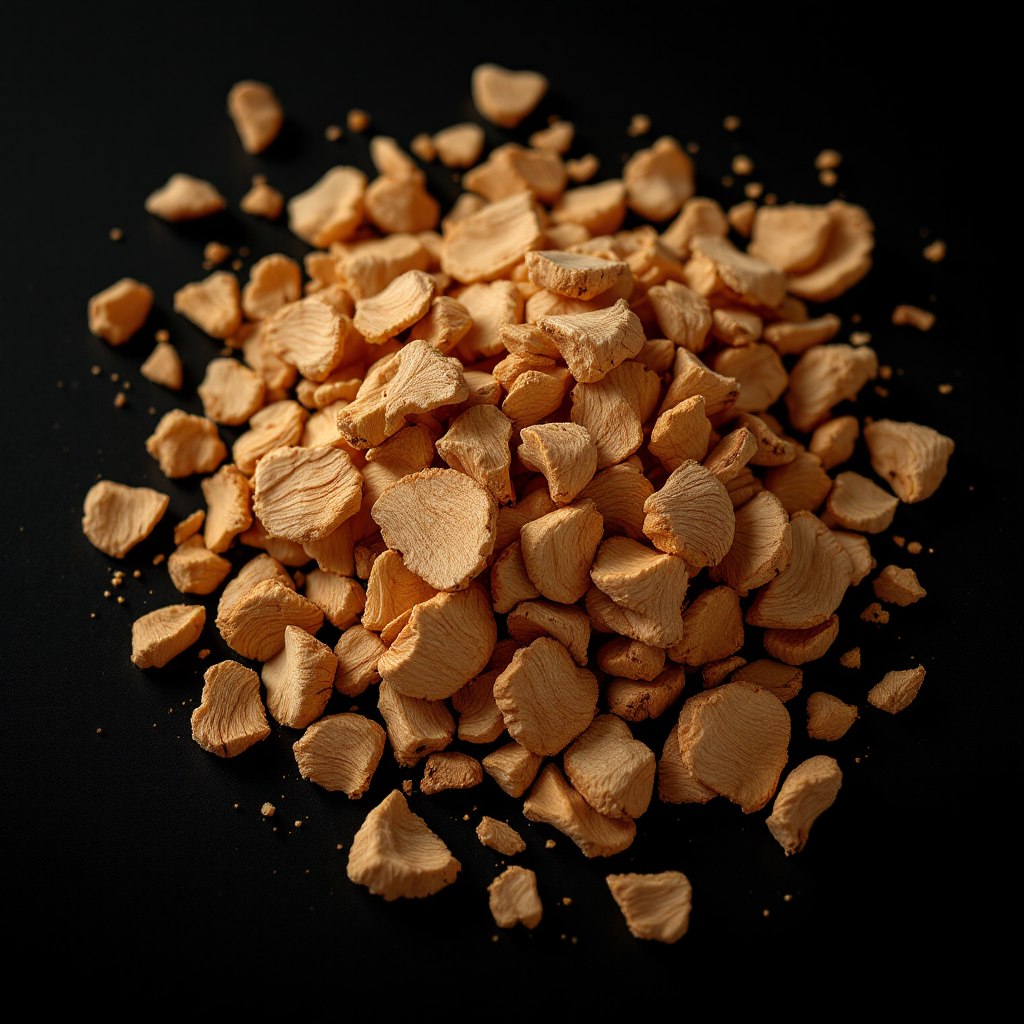
Massoia Wood
Massoia wood comes from the Cryptocarya massoia tree, a member of the laurel family. The essential oil extracted from its bark delivers a rich, creamy coconut aroma with warm, lactonic undertones. In perfumery, it functions as a base note that adds depth and a distinctive milky warmth to fragrance compositions.
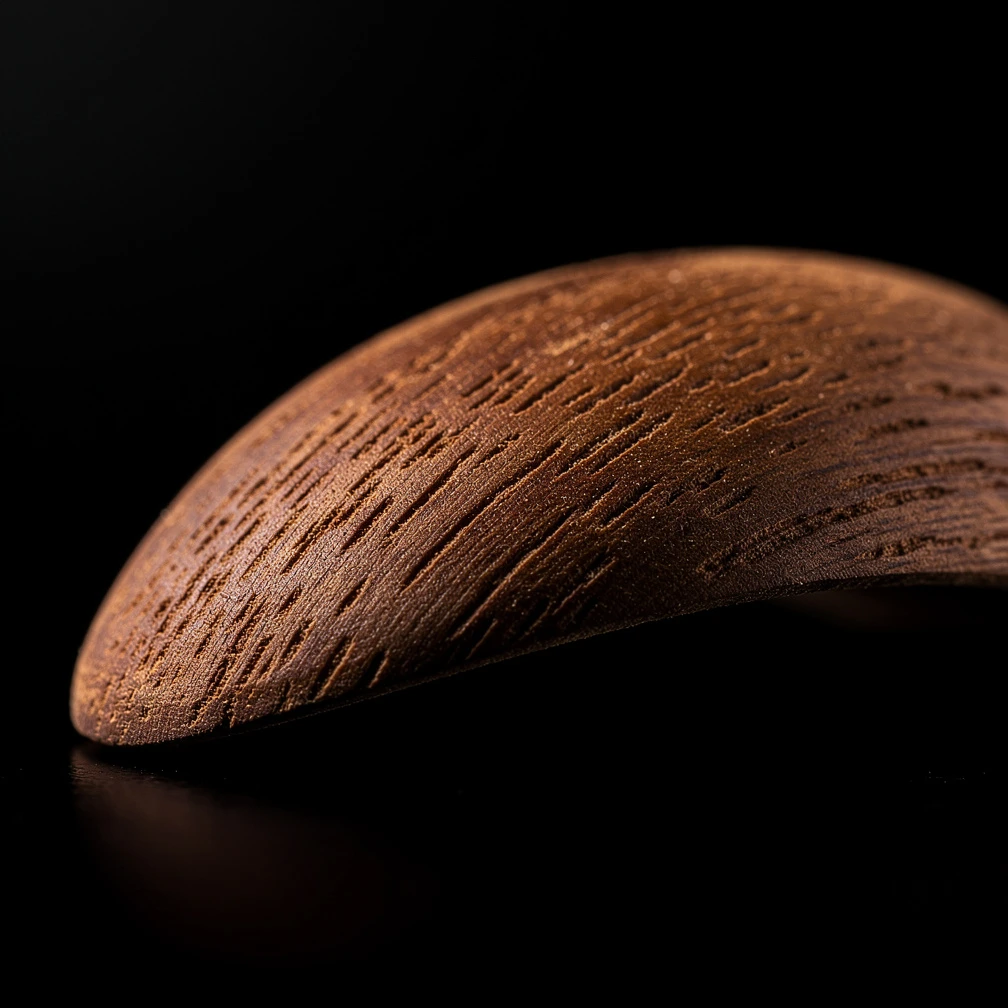
Character
How it smells
A tropical bark oil with the creamy warmth of fresh coconut, straight from Indonesian rainforests.
The Massoia tree belongs to the same botanical family as bay leaves and cinnamon, yet produces a scent closer to coconut than its culinary cousins.








Origin
Indonesia
The Massoia tree has grown in the rainforests of New Guinea for millennia, long before perfumers recognized its commercial potential. Indigenous communities in the region have used the aromatic bark in traditional applications for generations, though detailed historical records remain limited. The essential oil gained attention from Western perfumery in the mid-20th century as fragrance houses sought new woody materials with distinctive character.
Indonesian production expanded as global demand grew for natural base notes with creamy, unconventional profiles. Today, the ingredient remains relatively niche, prized by perfumers seeking unusual椰子-inspired warmth that stands apart from more common woody materials like sandalwood or cedar.
Wears it best
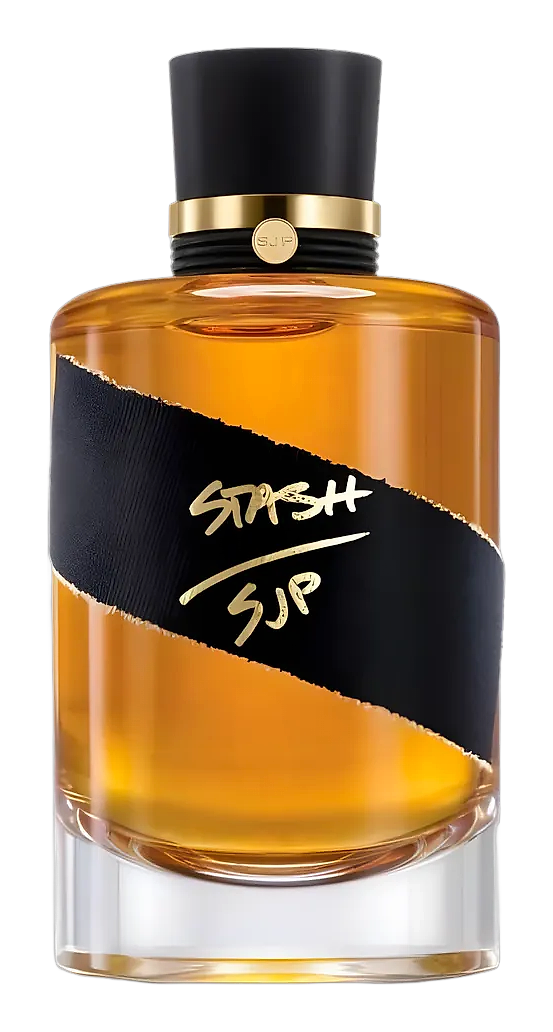
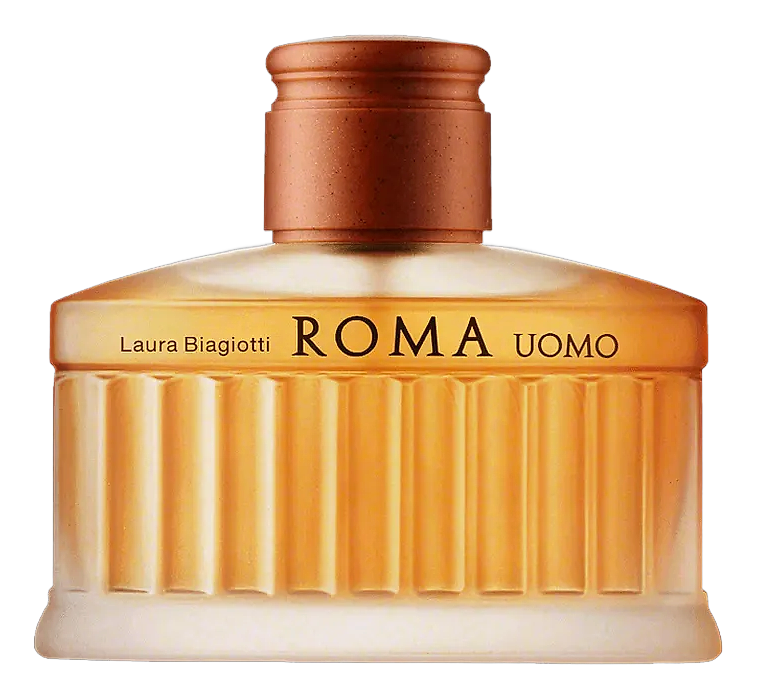
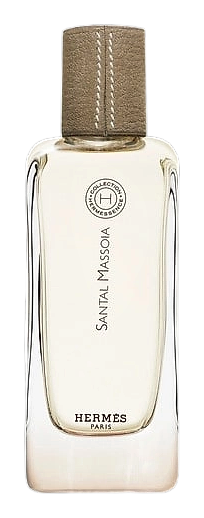
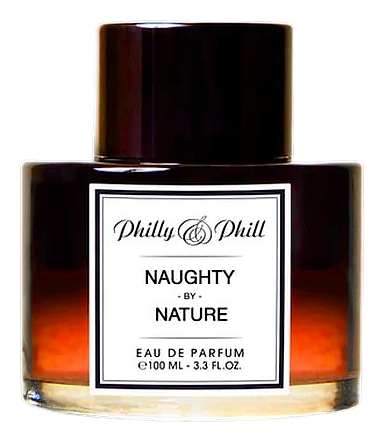
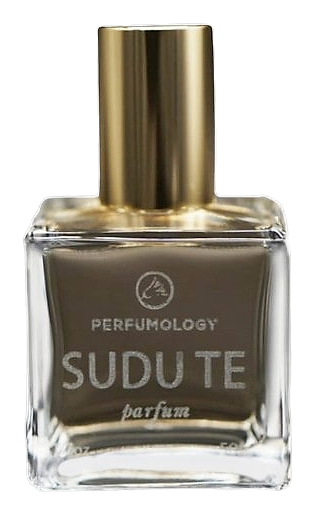
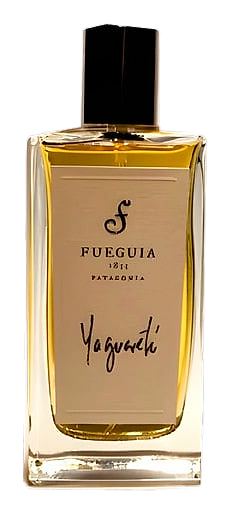
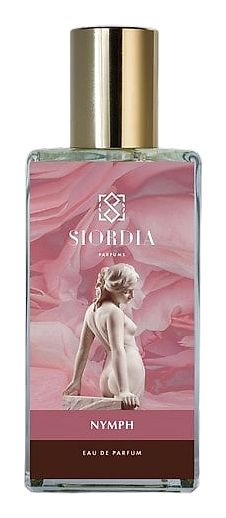
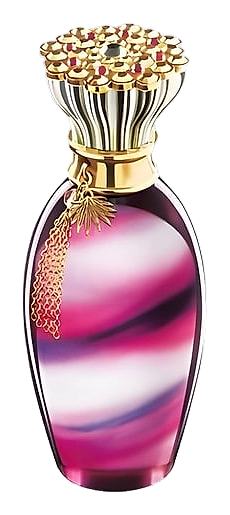
Fragrances featuring Massoia Wood
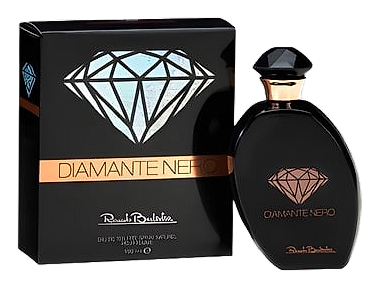
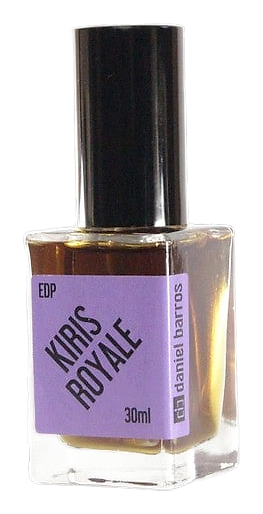
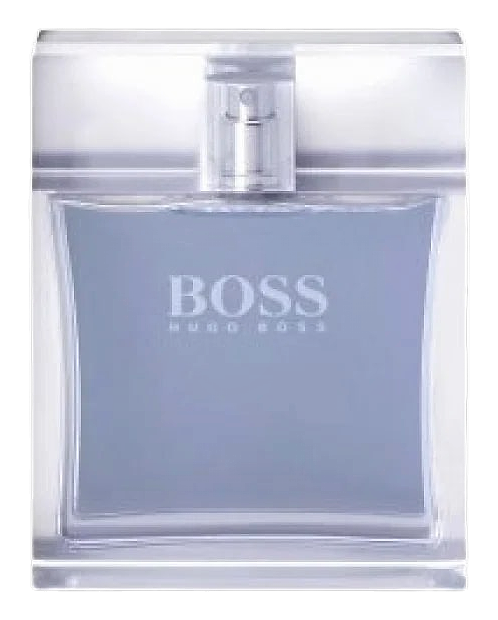
Brands
Brands known for Massoia Wood
Good to know
Questions, answered
The essentials on Massoia Wood in perfumery: how it smells, where it comes from, and how it behaves on skin.
What does Massoia Wood smell like in perfume?
Massoia wood has a creamy, coconut-like aroma with lactonic warmth and sweet, milky undertones. It adds a distinctive tropical richness to fragrance compositions. The scent is often described as warmer and more unusual than common woody notes, providing a soft, enveloping quality to base notes.
Why is Massoia Wood used in perfumery?
Massoia wood is valued for its unique creamy coconut character that distinguishes it from conventional woody ingredients. As a base note, it provides lasting depth and warmth to fragrance compositions. The oil helps perfumers create signatures that are simultaneously woody and unexpectedly tropical.
Is Massoia Wood in perfume natural or synthetic?
Massoia wood used in perfumery is typically natural, extracted via steam distillation from the bark of the Cryptocarya massoia tree. Synthetic alternatives exist as fragrance chemists can reproduce key aromatic compounds, but natural Massoia oil remains preferred by perfumers seeking authentic creamy, lactonic character.
What famous perfumes contain Massoia Wood?
Massoia wood appears primarily in niche and artisan fragrances rather than mass-market perfumes due to its relative rarity. The ingredient is favored by independent perfumers creating unconventional woody compositions. Exact formulas are rarely disclosed, but the ingredient has appeared in select luxury fragrances over recent decades.
Is Massoia Wood a top note, heart note, or base note?
Massoia wood functions as a base note in perfumery. The steam-distilled oil has low volatility, meaning it develops slowly and lingers on the skin for hours. Perfumers layer it with other base materials to extend the fragrance dry-down and create lasting warmth.
What notes pair well with Massoia Wood in perfume?
Massoia wood pairs naturally with other tropical and creamy materials such as ylang-ylang, coconut, and sandalwood. It complements warm spices like cardamom and complements vanillic base notes. The ingredient also works well alongside darker woods like oud for more complex compositions.
How is Massoia Wood extracted?
Massoia oil is extracted through steam distillation of the bark from the Cryptocarya massoia tree. Harvesters carefully strip bark from wild trees in Indonesian and Papuan rainforests, then subject the material to pressurized steam. The process typically takes several hours per batch, yielding approximately 1-2% oil by weight of processed bark.
Is Massoia Wood used in men's or women's fragrances?
Massoia wood is unisex in application, appearing in fragrances marketed to both men and women. The ingredient's creamy, warm character suits gender-neutral compositions particularly well. Niche perfumers often prioritize sensory character over traditional gender marketing when using this material.