Mariposa Lily
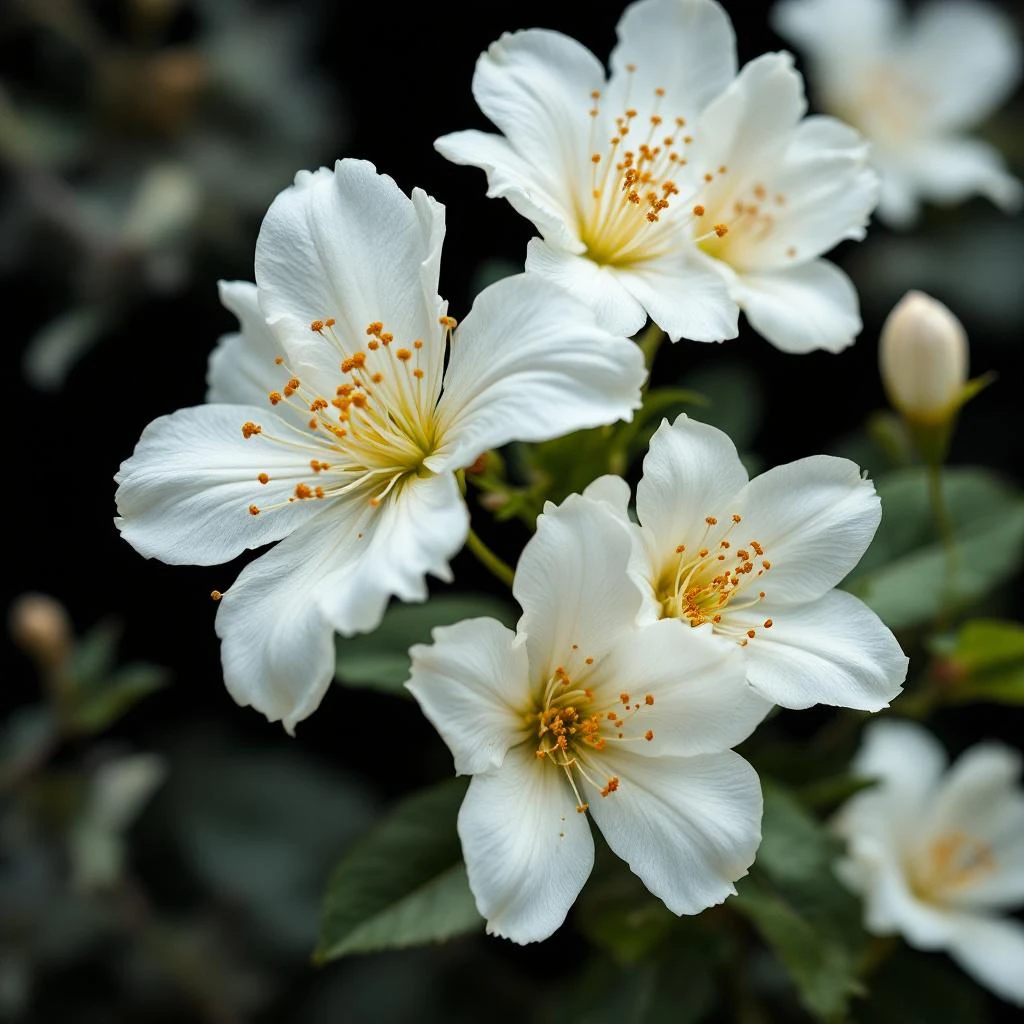
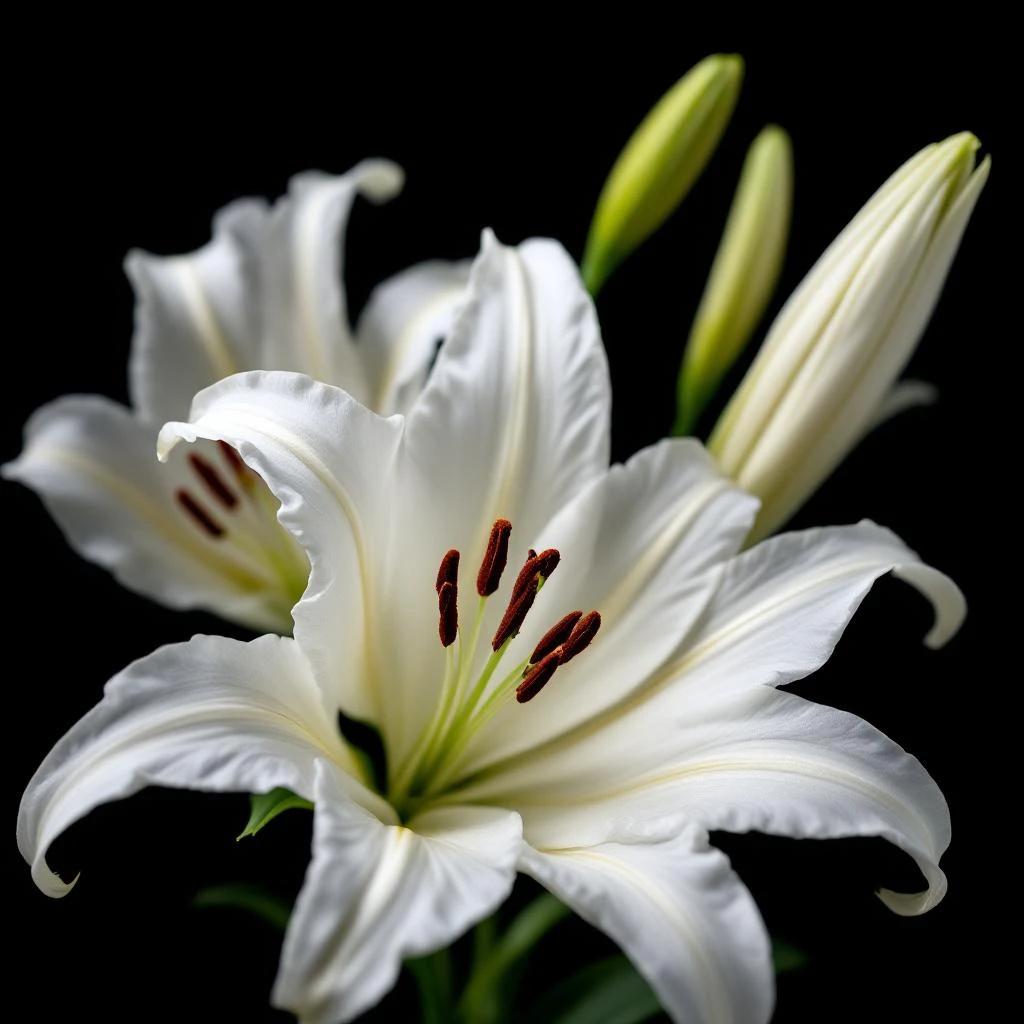
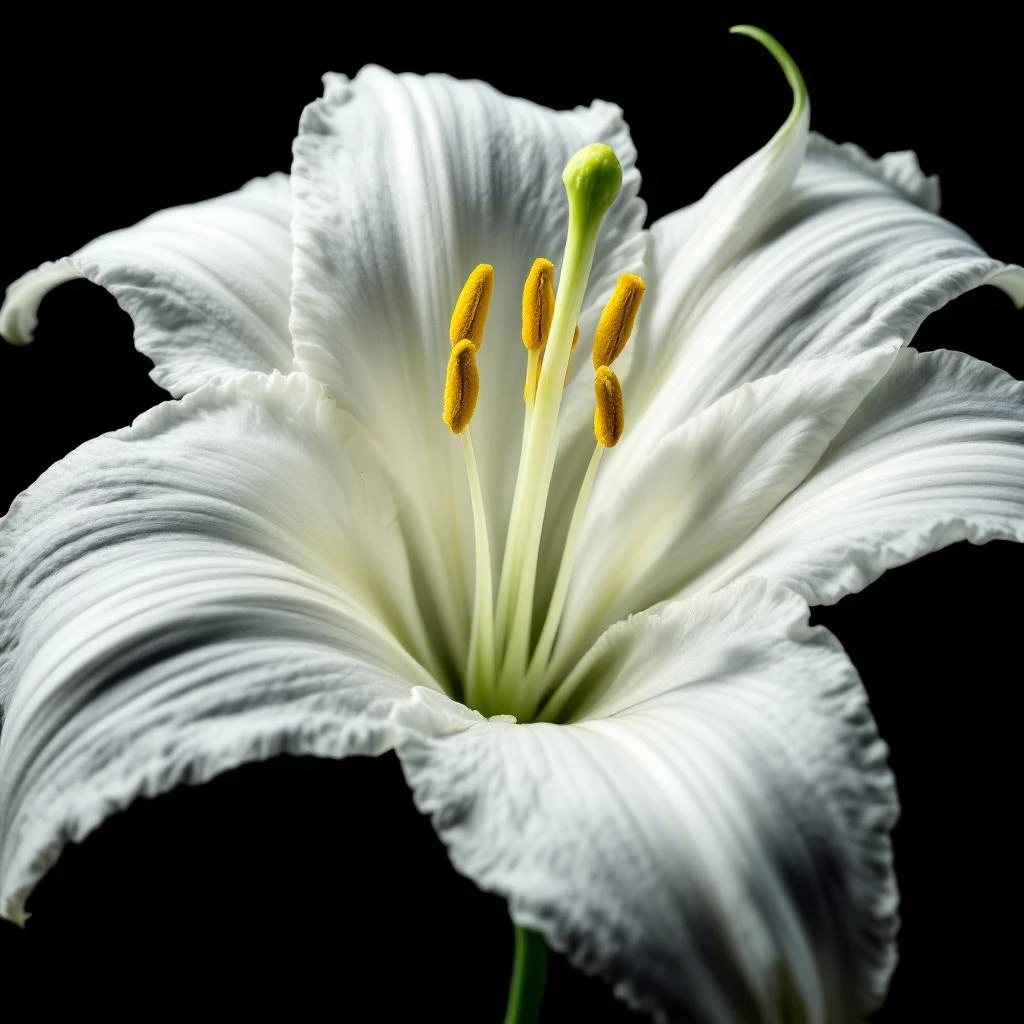
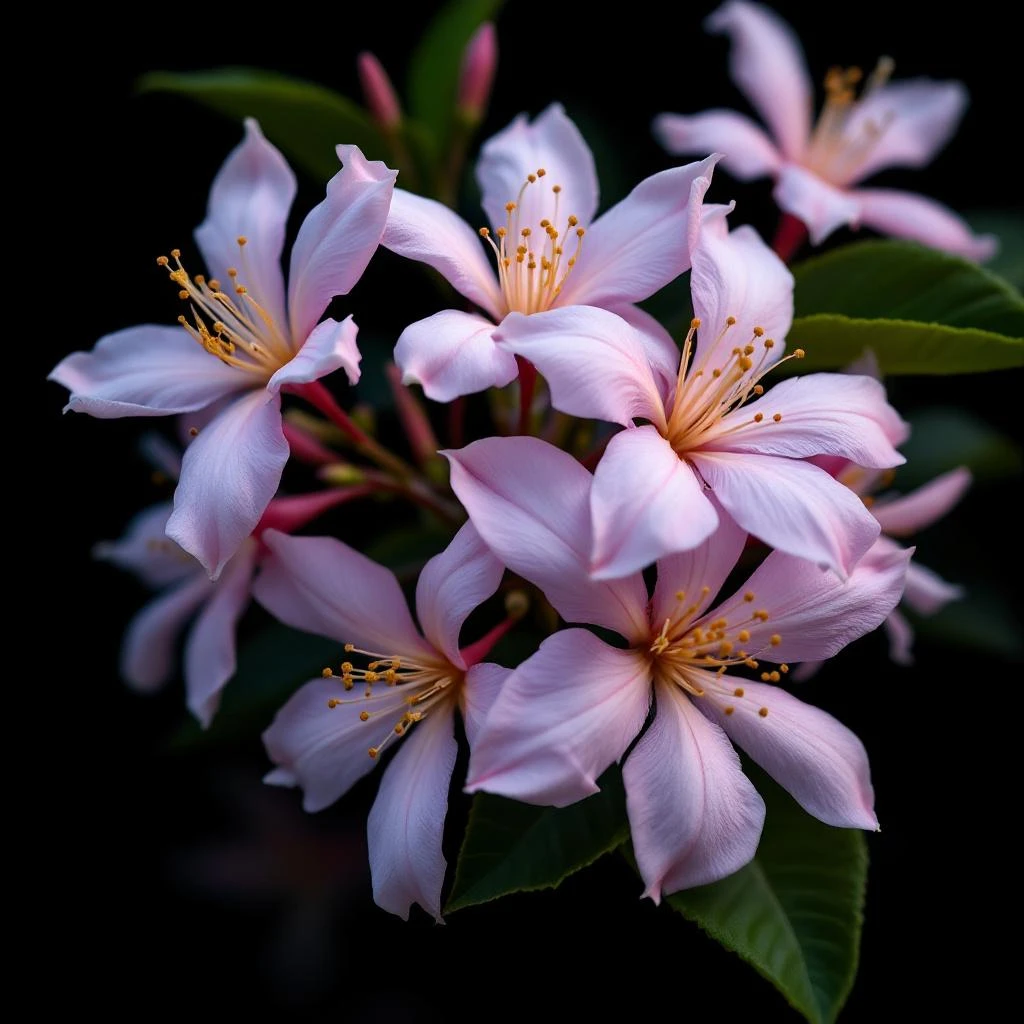
Mariposa Lily brings butterfly-shaped blooms and delicate white petals to perfumery, inspiring its very name. Mariposa means butterfly in Spanish, and this North American native captures a luminous, wildflower freshness with creamy, green undertones that feel both ethereal and grounded in the American West.
Character
How it smells
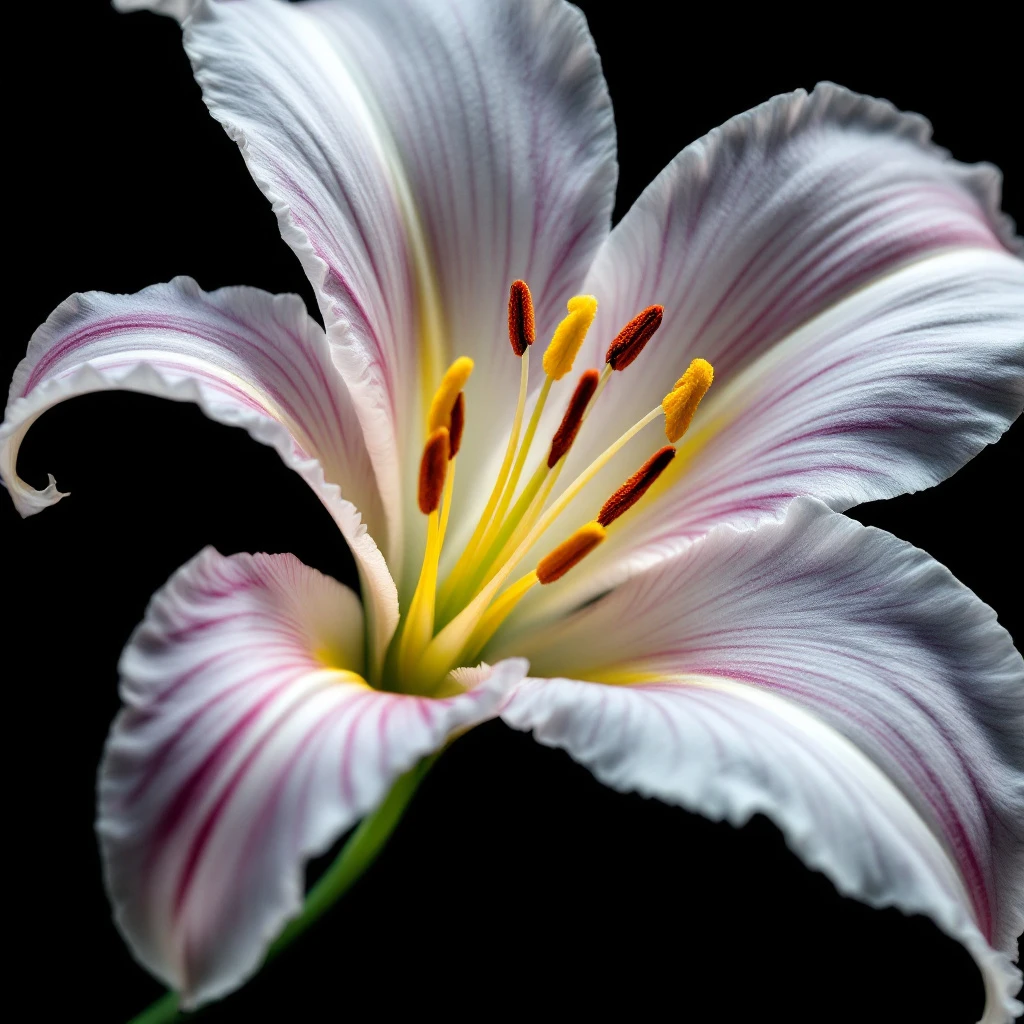
Butterfly-shaped blooms with delicate, creamy floralcy
Mariposa means butterfly in Spanish. The flower's distinctive shape inspired its poetic name, giving this note an inherently graceful quality.




Origin
United States
The Mariposa Lily traces its heritage to the dry, open landscapes of western North America, where indigenous peoples recognized its beauty long before European settlement. The flower's name comes from Spanish explorers who named it Mariposa, meaning butterfly, for its distinctive wing-like petals that seem to flutter in the breeze. While lily of the valley dominated the lily note in perfumery since the 19th century, Mariposa Lily represents something more unconventional for the industry: a distinctly American botanical that remained wild rather than cultivated for commercial use.
The Plummer's Mariposa Lily, found only in southern California's mountain ranges, holds sensitive species status, reflecting the fragility of these populations. For perfumers seeking authentic North American floral materials, Mariposa Lily offers a rare connection to the untamed landscapes where it grows.
Wears it best
Fragrances featuring Mariposa Lily
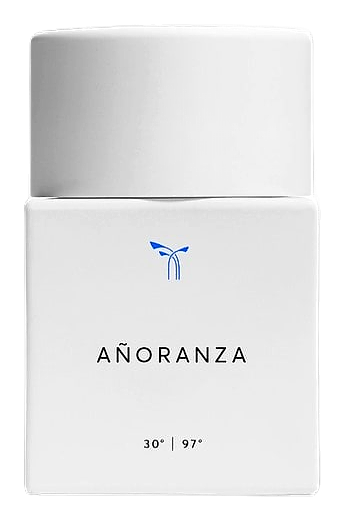

Brands
Brands known for Mariposa Lily
Good to know
Questions, answered
The essentials on Mariposa Lily in perfumery: how it smells, where it comes from, and how it behaves on skin.
What does Mariposa Lily smell like?
Mariposa Lily offers a fresh, green fragrance with creamy white floral undertones. The scent profile combines delicate garden-fresh qualities with a luminous, slightly sweet character that feels both ethereal and grounded.
Is Mariposa Lily natural or synthetic?
Most Mariposa Lily fragrance material comes from nature-identical synthesis using aroma chemicals like hydroxycitronellal, since wild populations are too rare for commercial extraction. Solvent extraction of actual petals is possible but uncommon.
Where does Mariposa Lily grow?
True Mariposa Lilies are native to western North America, particularly California and the southwestern United States. Plummer's Mariposa Lily specifically grows only in small sections of southern California's mountain ranges.
What does Mariposa mean?
Mariposa is Spanish for butterfly. The name describes the flower's distinctive wing-like petals that resemble a butterfly in flight, giving the note an inherently graceful quality.
How is Mariposa Lily used in perfumery?
Mariposa Lily works as a heart note, adding delicate floralcy to compositions. It pairs well with other florals, green notes like galbanum, and woody bases such as sandalwood or cedar.
Is Mariposa Lily rare?
Yes. Some species like Plummer's Mariposa Lily hold sensitive species status and grow only in specific California mountain ranges, making natural material extremely rare and precious.
How does Mariposa Lily differ from lily of the valley?
While lily of the valley has dominated the lily note in perfumery since the 19th century, Mariposa Lily offers a more unconventional, distinctly American botanical character with a wilder, more luminous quality.
When did Mariposa Lily enter perfumery?
Lily notes became established in perfumery during the 19th century, but Mariposa Lily specifically gained attention as perfumers sought unique North American botanical ingredients for distinctive, place-based compositions.