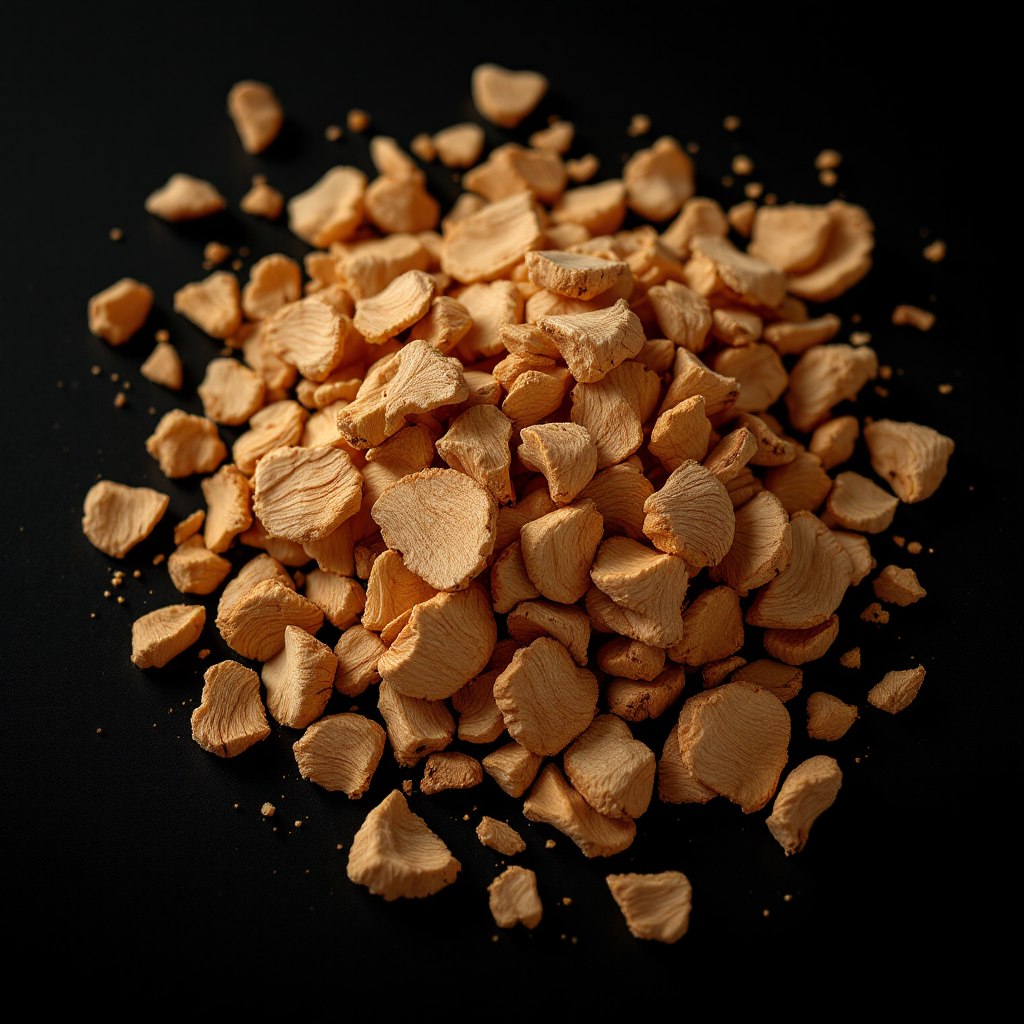
Mango Wood
Mango Wood brings a warm, exotic sweetness to perfumery, combining creamy tropical fruit tones with rich, buttery woodiness. This byproduct of mango cultivation adds depth and sensuality to base notes across countless fragrances.
Character
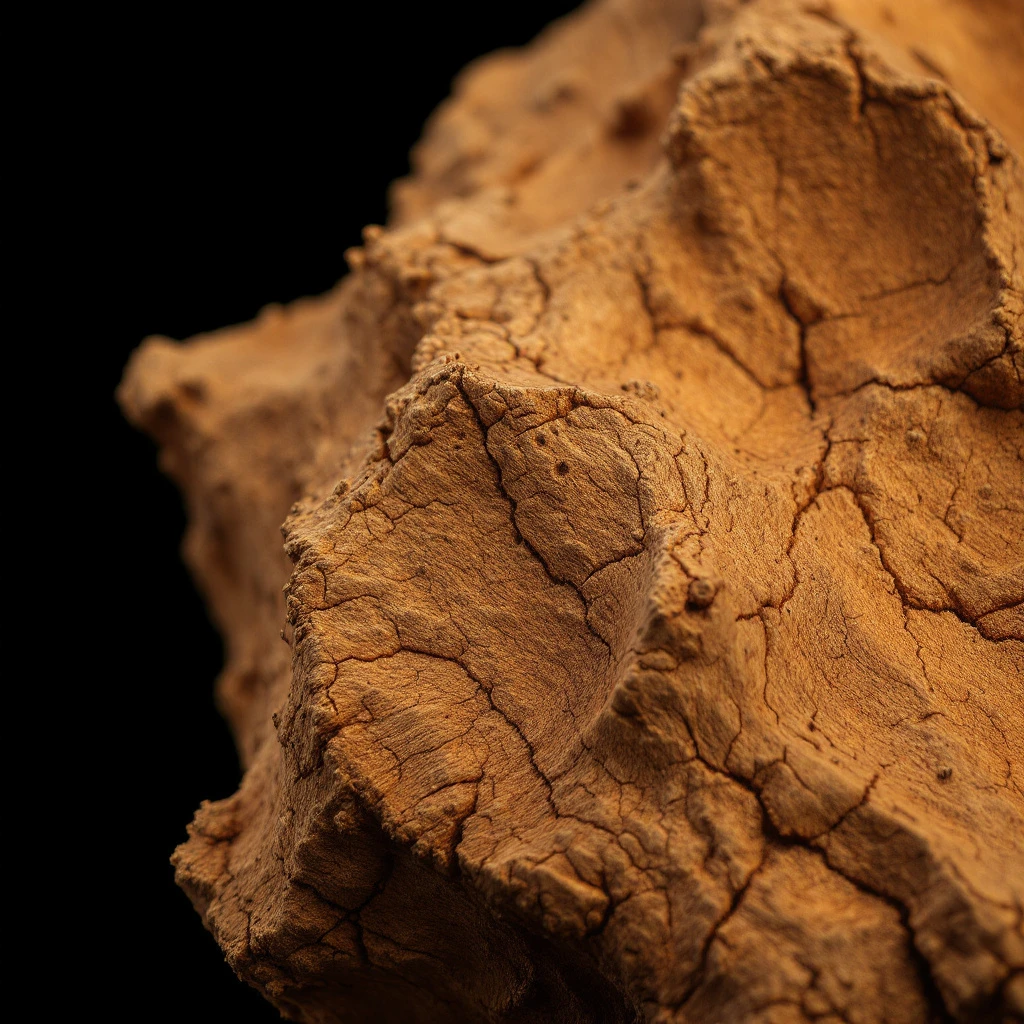
How it smells
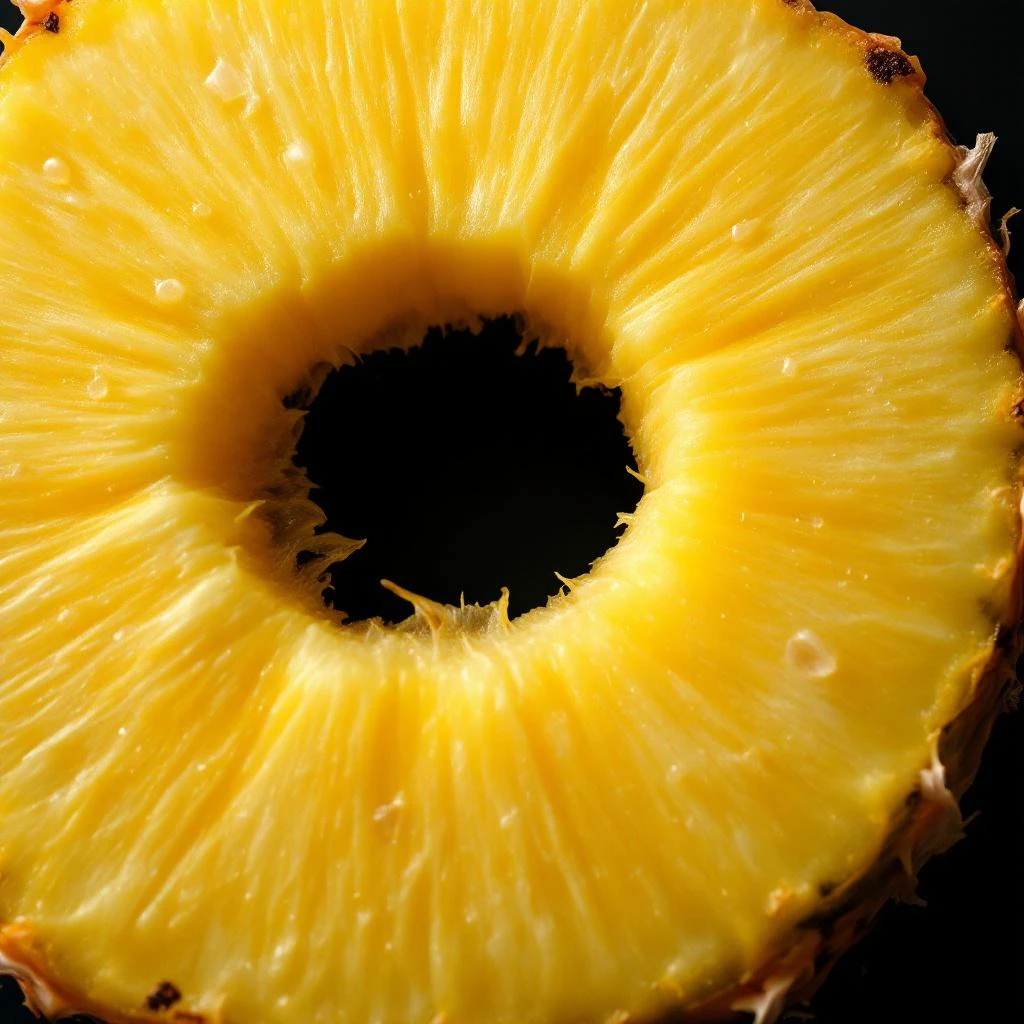
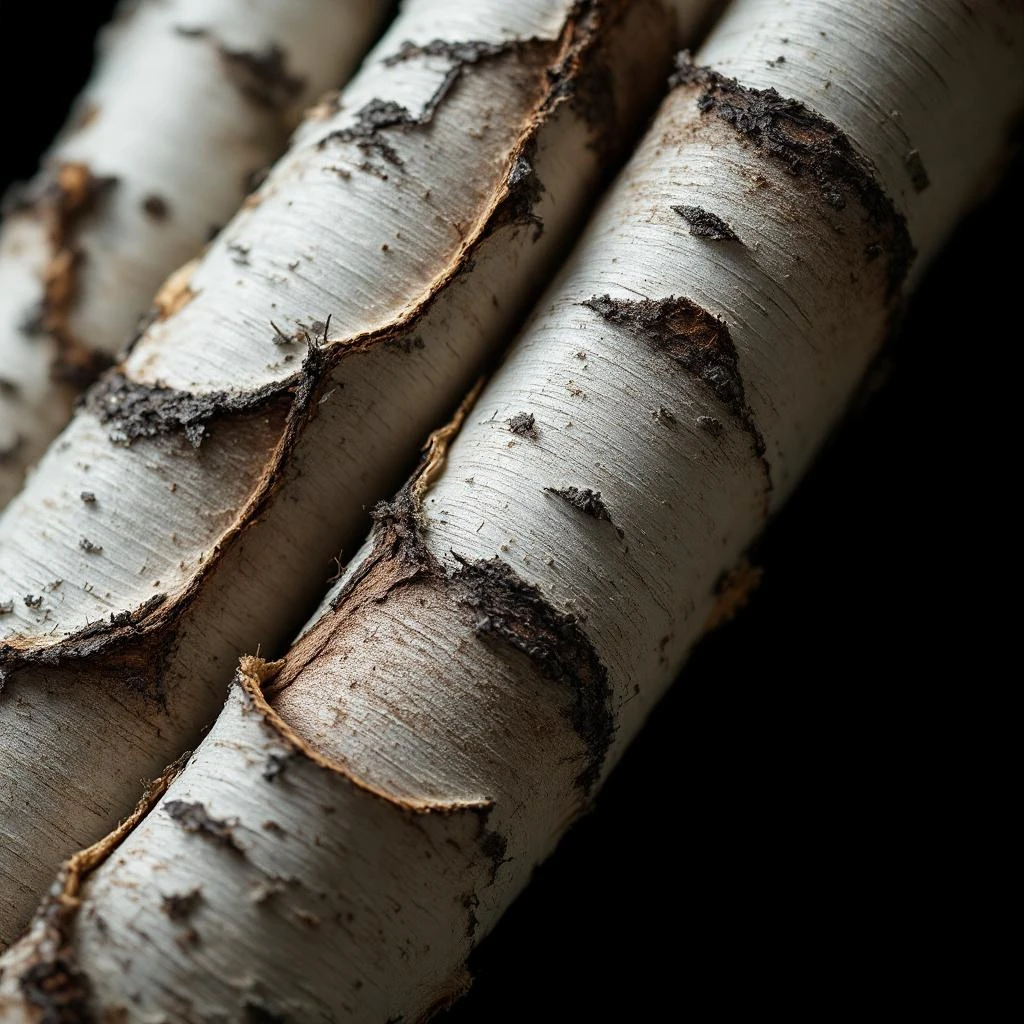
Tropical warmth meets woody elegance.
Mango wood oil often comes from pruned branches, making fruit cultivation a two-purpose harvest.





Origin
India
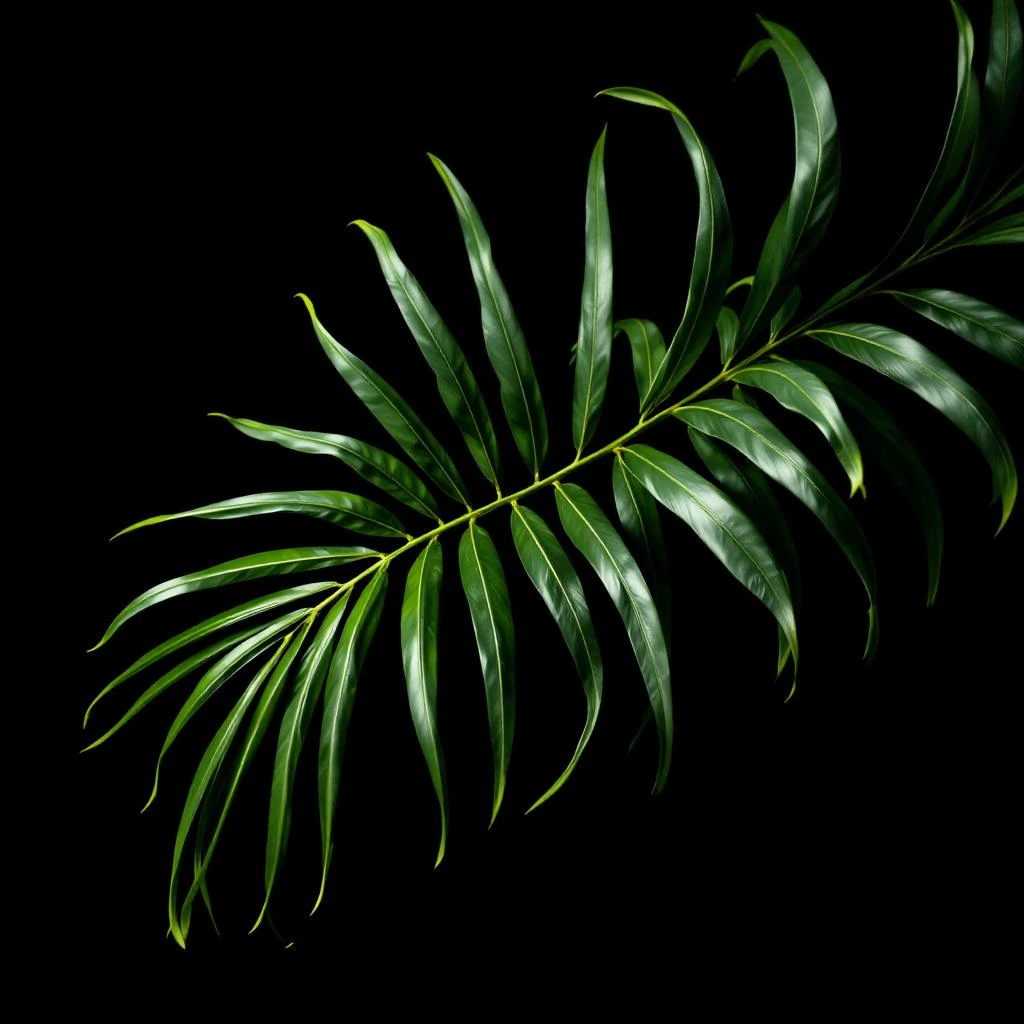
The mango tree has been cultivated in South and Southeast Asia for over 4,000 years, with origins traced to the India-Myanmar region. Ancient Ayurvedic texts documented mango's medicinal properties, though systematic use of mango wood in perfumery emerged more recently as fragrance creators sought unique woody materials. Traditional cultures burned mango wood as incense during religious ceremonies.
The development of steam distillation technology in the 19th century enabled extraction of aromatic compounds from woody materials previously difficult to process. Modern perfumery adopted mango wood as sustainable sourcing gained importance, allowing use of pruned material rather than harvesting trees specifically for fragrance production.
Wears it best
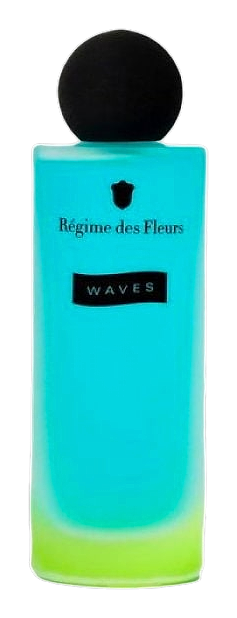
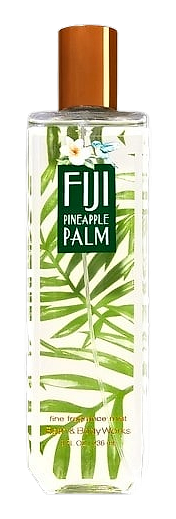
Fragrances featuring Mango Wood

Brands
Brands known for Mango Wood
Good to know
Questions, answered
The essentials on Mango Wood in perfumery: how it smells, where it comes from, and how it behaves on skin.
What does mango wood smell like?
Mango wood carries a warm, sweet-woody aroma with subtle tropical fruit undertones. It combines creamy, buttery woodiness with faint ripe mango sweetness, creating depth without heaviness.
Is mango wood a natural ingredient in perfume?
Yes, mango wood oil is naturally extracted through steam distillation of wood material from Mangifera indica trees. It qualifies as a natural aromatic material in perfumery.
Why is mango wood used instead of actual mango fruit?
The mango fruit contains only 0.03% essential oil by weight with 80% water content, making extraction impractical. The wood yields considerably more aromatic material per kilogram processed.
What fragrance families commonly use mango wood?
Mango wood appears most frequently in woody oriental fragrances and warm Gourmand compositions. It pairs well with amber, sandalwood, and vanilla bases.
Does mango wood come from harvested trees?
Most commercial mango wood oil derives from pruned branches and sawdust during fruit harvests. This makes it a relatively sustainable byproduct of mango cultivation.
Can mango wood be synthetically replicated?
Some mango-woody accords are synthesized, but natural mango wood oil remains preferred in niche and natural fragrance lines for its authentic complexity.
Which countries produce mango wood oil?
India leads production, accounting for roughly 60% of global supply. Secondary producers include Mexico, Brazil, and Southeast Asian nations with significant mango cultivation.