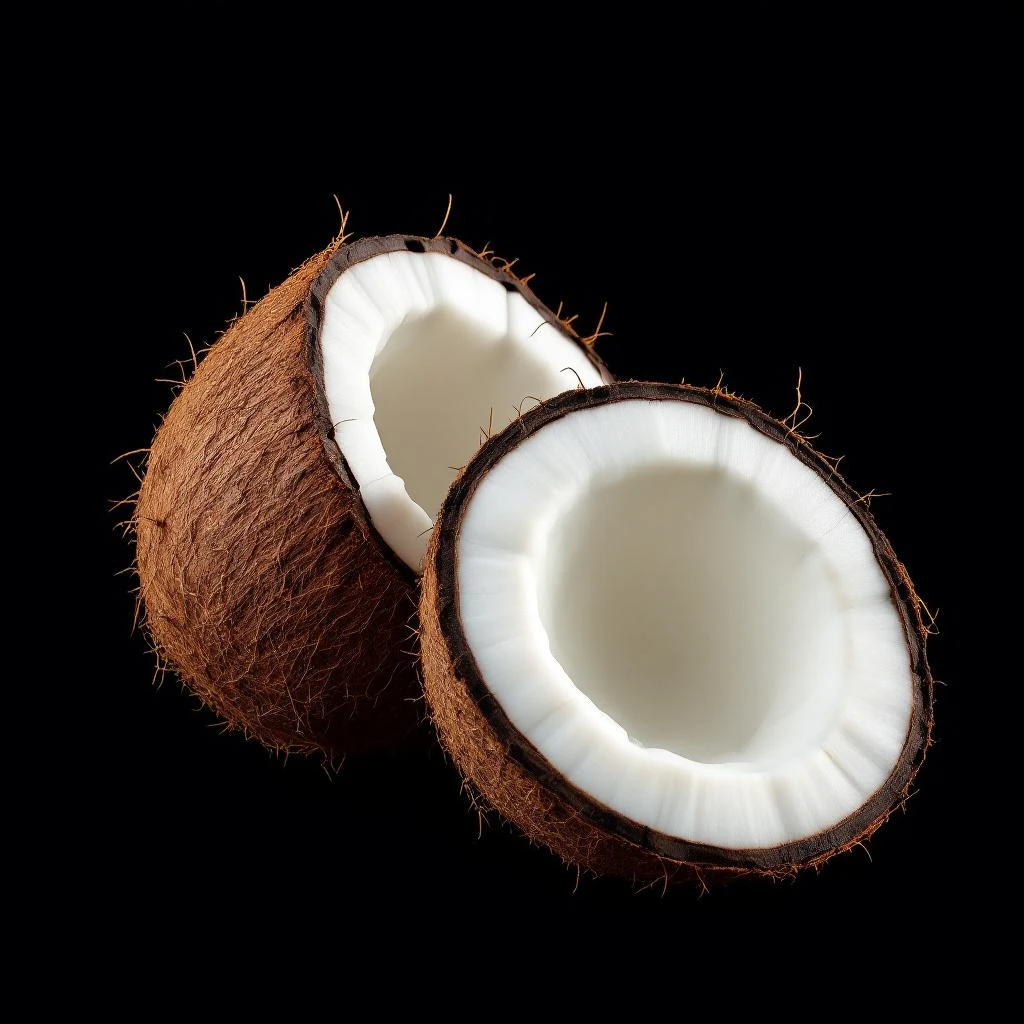
Mango Water
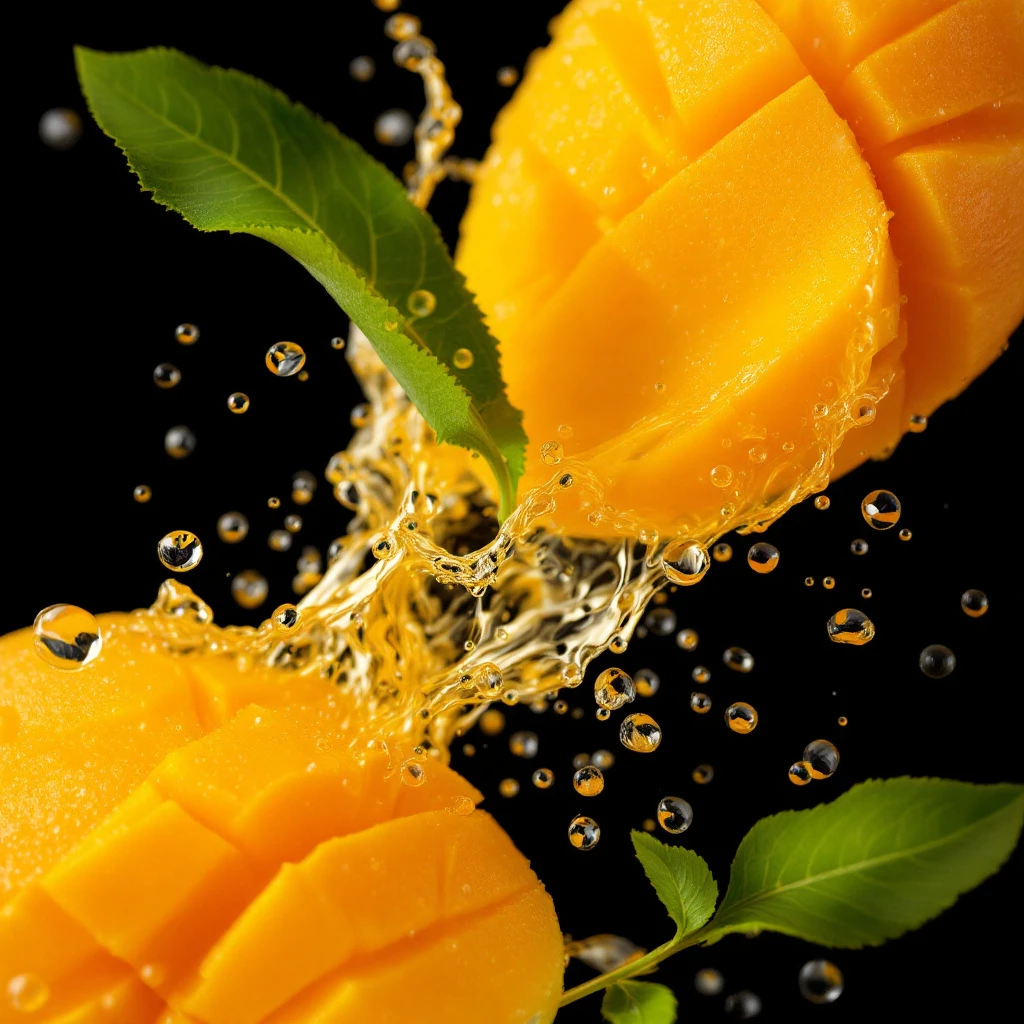
Mango water brings tropical fruitiness to fragrance through a juicy, dewy impression, often built with accords rather than extracted directly from mango.
Character
How it smells
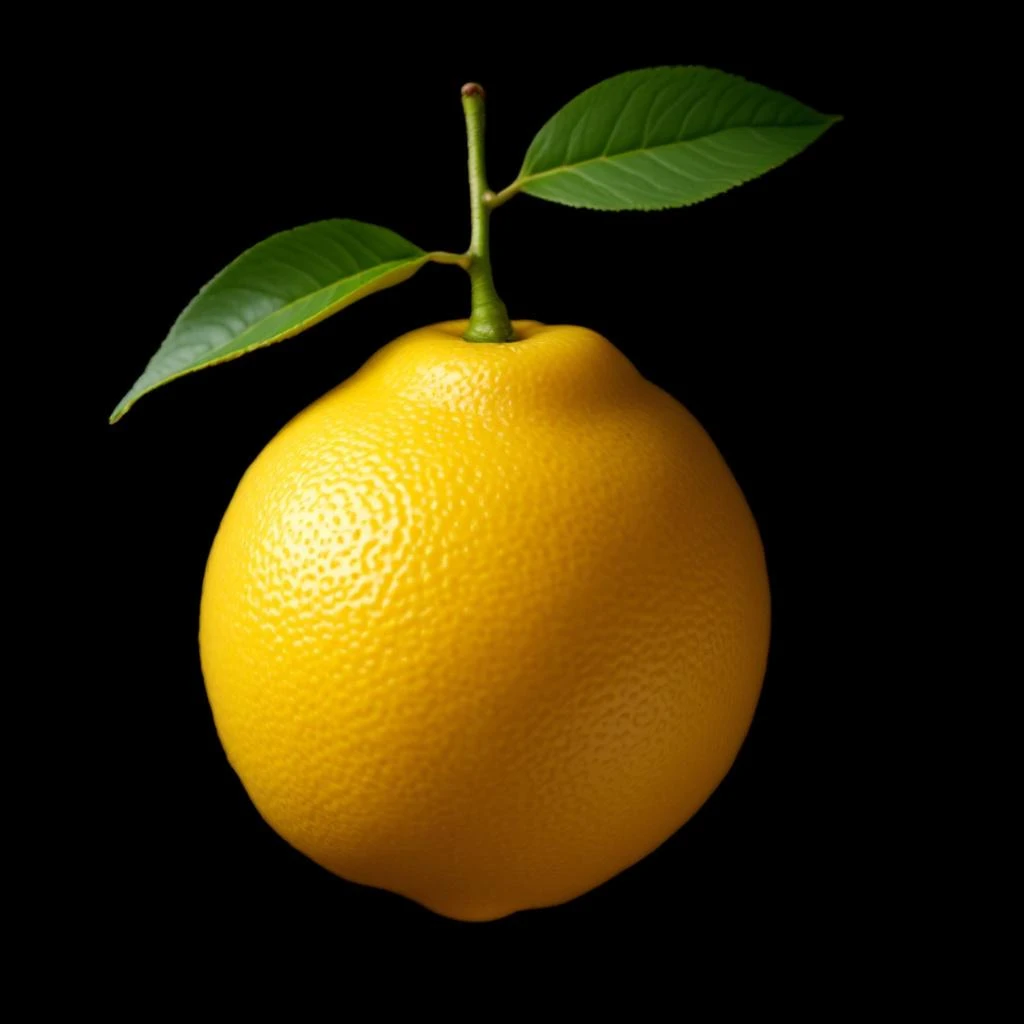
Juicy mango, softened by a cool watery accent.
Mango fruit is rarely distilled for perfume because its high water content and low essential-oil yield make extraction inefficient.
Origin
India
The history of mango water is closely tied to the broader development of natural fragrance extraction and the later expansion of perfumery into modern aroma accords. For centuries, perfume traditions in the Middle East and South Asia relied on aromatic waters, citrus preparations, resins, and plant materials, while later advances in distillation and organic synthesis made it possible to reproduce fruits that did not yield useful essential oils. Mango reached new culinary prominence through trade between South and Southeast Asia, where it became an important tropical crop and later spread across the Americas and Africa.
Its juicy aroma entered modern fragrance culture as a familiar symbol of ripe fruit and summer refreshment. Rather than being historically limited to one extraction method, mango water reflects modern perfumery’s ability to construct a recognizable sensory impression from multiple materials.
Wears it best
Fragrances featuring Mango Water
Brands
Brands known for Mango Water
Good to know
Questions, answered
The essentials on Mango Water in perfumery: how it smells, where it comes from, and how it behaves on skin.
Is mango water a natural ingredient?
Usually, it is a fragrance accord rather than one naturally extracted ingredient. Perfumers may combine synthetics with selected natural extracts to create a convincing mango-and-water effect.
Why is mango rarely extracted directly for perfume?
Mango fruit has a high water content and a low essential-oil yield. One specific detail explains the choice: distillation would recover relatively little aromatic oil from a fruit that is mostly water and pulp.
What does mango water smell like in perfume?
It usually smells juicy, tropical, and dewy, with soft fruit pulp and skin notes supported by watery, citrus, or ozonic facets. The balance matters more than the mango label alone.
Is mango water the same as mango essential oil?
No. Mango essential oil would carry the plant’s characteristic aromatic profile, while mango water is a broader perfumery effect that suggests moisture, freshness, and ripe fruit.
Where did mango originate?
Mango is native to the region spanning southern India and parts of Myanmar. It later spread widely through Southeast Asia, the Americas, and Africa as a cultivated tropical fruit.
Can mango water be a natural fragrance?
It can include natural extracts, but most mango-water effects are not entirely natural. Synthetic aroma chemicals often provide greater control over the fruit’s juicy sweetness and watery transparency.
Which fragrance families use mango water?
Mango water appears most often in fresh, tropical, fruity, and floral compositions. It can also support aquatic accords by adding a rounded fruit character without making them feel overly sweet.
How long does mango water last in a fragrance?
It depends on the complete formula, especially the supporting citrus, woods, musks, or florals. Mango water may fade sooner than long-lasting materials, while stronger base notes can extend its overall presence.